
Imagine a vast, intricate machine, humming with the promise of homeownership for millions. You’ve likely encountered its products: sleek, modern residences plucked from a factory floor and delivered to a plot of land. This is the manufactured housing industry, and at its heart lies a powerful, often opaque, engine of debt. Understanding this engine is crucial if you’re considering buying a manufactured home, or even if you’re just curious about a significant segment of the housing market. You’re about to peer under the hood, to dissect the mechanisms that drive the financing of these homes, a process that can be both a gateway to stability and a potential quagmire.
Before delving into the debt engine, it’s imperative to grasp what you’re financing. Manufactured homes, often colloquially (and sometimes mistakenly) referred to as “mobile homes,” are factory-built dwelling units constructed on a permanent chassis. They are built to a federal code administered by the U.S. Department of Housing and Urban Development (HUD), known as the HUD Code, which ensures a baseline of safety and construction standards. This is a critical distinction from site-built homes, which are constructed on-site and adhere to local building codes.
The HUD Code: A Standardized Blueprint
The HUD Code, established in 1976, was a response to a fragmented and uneven regulatory landscape governing factory-built housing. It’s a set of performance standards, meaning it specifies what the final product must achieve in terms of design and construction, rather than dictating specific materials or methods. This allows for innovation while ensuring a consistent level of quality and safety that applies nationwide. Think of it as a universal design language for your manufactured home, guaranteeing a certain level of resilience against wind, fire, and structural stress.
Site-Built vs. Factory-Built: A Tale of Two Construction Methods
The fundamental difference lies in the construction environment. Site-built homes are assembled piece by piece on your purchased land, subject to local zoning ordinances and building inspections. Manufactured homes, conversely, are constructed in a controlled factory setting, then transported to the site. This dual nature – a factory product requiring site-specific placement and often land ownership – creates unique financing challenges and opportunities. The assembly line efficiency of a factory offers cost advantages, but the subsequent transportation and installation add complexity and cost.
Chattel vs. Real Property: The Crucial Delineation
One of the most significant factors influencing financing, and thus the debt engine, is whether your manufactured home is classified as chattel personal property or real property.
Chattel: The Standalone Dwelling
Historically, and still commonly, a manufactured home is treated as personal property, similar to a car or a boat. This classification arises when the home is placed on leased land, such as in a manufactured housing community (MHC). In such cases, the land is owned by the community operator, and you are essentially renting the space your home occupies. This separation of the home from the land results in a chattel loan, where the home itself serves as collateral. This is a common scenario, and the chattel loan market is a major component of the manufactured housing debt engine.
Real Property: The Home That Becomes One With the Land
Your manufactured home can become real property if it is permanently affixed to land you own and meets certain state and federal requirements for such affixation. This often involves the removal of the transport chassis, the installation of a permanent foundation, and adherence to specific building and zoning regulations. When a manufactured home is classified as real property, it can be financed with a traditional mortgage, similar to a site-built home. This integration with the land elevates its status and opens up different financing avenues. This transformation from personal property to a part of the real estate landscape is a key potential pathway for homeowners.
For those interested in understanding the complexities of manufactured housing debt, a related article that provides valuable insights is available at How Wealth Grows. This resource delves into the financial mechanisms behind manufactured housing, offering a comprehensive explanation of how the debt engine operates and its implications for homeowners and investors alike. Exploring this article can enhance your understanding of the financial landscape surrounding manufactured homes and the strategies for managing associated debt effectively.
The Financing Pipeline: From Lender to Borrower
The debt engine is comprised of various players who facilitate the flow of capital from investors to manufactured housing buyers. This pipeline is not always straightforward and can involve multiple intermediaries.
The Primary Lenders: Filling the Initial Shortage
Primary lenders are the institutions that directly provide loans to manufactured home buyers. These can include banks, credit unions, and specialized manufactured housing finance companies. They are the first point of contact for many borrowers and are responsible for the initial underwriting and disbursement of funds.
Banks and Credit Unions: Navigating Traditional Routes
Traditional financial institutions may offer loans for manufactured homes, particularly when the home is treated as real property and secured by land ownership. However, their appetite for chattel loans, especially for homes on leased land, can be more limited due to perceived higher risk. They may have stricter underwriting criteria and may not always offer the most competitive rates for this segment.
Specialized Manufactured Housing Finance Companies: The Industry Specialists
These companies exist specifically to serve the unique financing needs of the manufactured housing market. They are often more experienced in underwriting chattel loans and may have a broader risk tolerance. They typically have established relationships with dealerships and MHC operators, streamlining the process for both buyers and sellers. Think of them as the specialized mechanics who understand the nuances of this particular type of vehicle.
The Secondary Market: Securitization as a Driving Force
A significant characteristic of the manufactured housing debt engine is its reliance on the secondary market. This is where loans, once originated, are packaged together and sold to investors. This process, known as securitization, is a powerful engine for liquidity, enabling lenders to originate more loans.
Securitization Explained: Bundling and Selling Debt
Imagine a baker who bakes many loaves of bread. Instead of selling each loaf individually to a single customer, they bundle dozens of loaves into a large delivery for a supermarket chain. Similarly, loan originators bundle multiple manufactured housing loans into a security, which is then sold to investors like pension funds, insurance companies, and hedge funds. This allows the originator to recoup their capital and make new loans.
Mortgage-Backed Securities (MBS) and Beyond: The Investor Landscape
For manufactured homes classified as real property, loans can be securitized into traditional Mortgage-Backed Securities (MBS). However, for chattel loans, a distinct type of security is created, often referred to as Manufactured Housing Asset-Backed Securities (MH-ABS). These securities are backed by pools of chattel loans. The performance of these securities directly impacts the availability and cost of chattel financing.
The Role of Investors: Fueling the Engine
Investors are the ultimate consumers of these securitized loans. They are attracted by the potential for yield, but they also demand returns that reflect the perceived risk of the underlying loans. Their demand and willingness to purchase these securities are what keep the debt engine fueled.
Pension Funds and Insurance Companies: Long-Term Capital
These institutions are often seeking stable, long-term investments to meet their future obligations. Manufactured housing securities can offer attractive yields compared to other fixed-income assets.
Hedge Funds and Private Equity: Seeking Higher Returns
These more aggressive investors may be drawn to the potentially higher returns offered by some segments of the manufactured housing market, though they may also accept higher levels of risk.
The Mechanics of Chattel Loans: A Deeper Dive
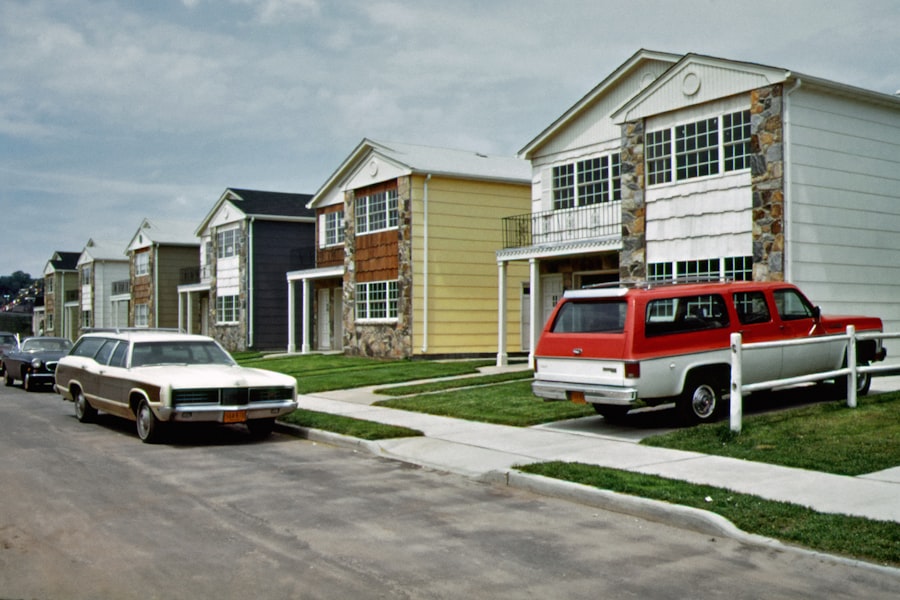
Chattel loans are the lifeblood of financing for manufactured homes that are not permanently affixed to owned land. Understanding their structure and associated costs is paramount.
Interest Rates and Fees: The Cost of Borrowing
Chattel loans often carry higher interest rates compared to traditional mortgages on real property. This reflects the perceived higher risk of the collateral being personal property, its potential for depreciation, and the greater ease with which it can be moved or repossessed compared to real estate. You’ll also encounter various fees, including origination fees, appraisal fees, and potential title insurance.
Annual Percentage Rate (APR): The Truest Cost
Always look beyond the stated interest rate and focus on the Annual Percentage Rate (APR). The APR encompasses the interest rate plus all fees and charges associated with the loan, providing a more accurate picture of the total cost of borrowing. This is your true guide to the financial commitment.
Amortization Schedules: Paying Down the Principal
Like any loan, chattel loans are repaid over time through a series of payments that cover both principal and interest. The amortization schedule details how much of each payment goes towards reducing the principal balance and how much goes towards interest. Understanding this schedule is key to calculating how long it will take to fully own your home.
Loan Terms and Loan-to-Value (LTV): Defining the Agreement
The loan term dictates the repayment period, while the Loan-to-Value (LTV) ratio represents the loan amount as a percentage of the home’s appraised value.
Loan Term: The Horizon of Repayment
Chattel loans typically have shorter terms than traditional mortgages, often ranging from 10 to 20 years. While this means higher monthly payments, it also means you’ll pay off your home sooner.
Loan-to-Value (LTV): The Leverage Factor
Lenders will assess the LTV ratio to determine their risk. Higher LTV ratios mean the borrower has less equity in the home, increasing the lender’s risk. You may need a larger down payment if your LTV is high.
Collateral and Default: The Lender’s Security
The manufactured home itself serves as collateral for a chattel loan. If you fail to make your payments, the lender has the right to repossess the home. This is a significant risk to consider when taking out this type of loan.
Repossession: The Ultimate Consequence
Repossession is the legal process by which a lender takes back possession of collateral when a borrower defaults on a loan. For chattel loans, this can mean the removal of the home from its location.
Credit Score Impact: Your Financial Fingerprint
Your credit score plays a pivotal role in determining whether you qualify for a chattel loan and at what interest rate. A strong credit history signals to lenders that you are a responsible borrower, often leading to more favorable loan terms.
The Manufacture Home Communities (MHCs) Connection: A Symbiotic Relationship

Manufactured Housing Communities are inextricably linked to the chattel loan market. They provide the land, and the chattel loan finances the dwelling that sits on it. This creates a unique ecosystem with its own set of dynamics.
Lot Rents: The Ongoing Cost of Land
When you own a manufactured home in an MHC, you are paying a monthly “lot rent” for the use of the land your home occupies. This is an ongoing expense in addition to your loan payments.
Rent Increases: A Potential Burden
Lot rents can increase over time, sometimes significantly. This can strain a homeowner’s budget, especially if their income doesn’t keep pace with the rising costs. This is a crucial factor to consider when budgeting for long-term homeownership in an MHC.
The “Land-Lease” Model: A Different Ownership Paradigm
The land-lease model is a form of homeownership that separates land ownership from home ownership. You own your home, but you lease the land it rests upon. This model offers affordability but also introduces ongoing costs and potential tenant-landlord issues.
Tenant Rights and Responsibilities: Navigating the Community Landscape
Understanding your rights and responsibilities as a tenant in an MHC is crucial. This includes knowledge of lease agreements, eviction procedures, and community rules. These can vary by state and by community.
Understanding the complexities of manufactured housing debt can be crucial for potential homeowners and investors alike. For a deeper insight into the financial mechanisms at play, you might find the article on the debt engine of manufactured housing particularly enlightening. It breaks down how financing works in this sector and offers valuable tips for navigating the landscape. To explore this topic further, you can read more about it in this related article.
Risks and Considerations for the Borrower: Navigating the Debt Engine’s Pitfalls
| Metric | Description | Typical Value / Range | Notes |
|---|---|---|---|
| Loan-to-Value Ratio (LTV) | Percentage of the home’s value financed through debt | 80% – 95% | Higher LTVs common due to lower home costs |
| Interest Rate | Annual interest charged on the loan | 5% – 9% | Varies based on credit and loan type |
| Loan Term | Duration over which the loan is repaid | 15 – 30 years | Longer terms reduce monthly payments |
| Monthly Payment | Amount paid monthly towards principal and interest | Varies by loan amount and term | Includes taxes and insurance if escrowed |
| Debt-to-Income Ratio (DTI) | Percentage of borrower’s income used to pay debt | 28% – 43% | Used by lenders to assess loan eligibility |
| Down Payment | Initial upfront payment made by borrower | 5% – 20% | Lower down payments possible with certain programs |
| Credit Score Requirement | Minimum credit score to qualify for loan | 620 – 700 | Higher scores get better rates |
| Loan Types | Common loan products for manufactured housing | FHA Title I, FHA Title II, Conventional | Each has different eligibility and terms |
While the manufactured housing debt engine offers a path to homeownership, it’s essential to be aware of the potential risks and to approach the process with careful consideration.
Depreciation vs. Appreciation: The Value Trajectory
Unlike traditional real estate, which tends to appreciate over time, many manufactured homes, particularly those financed with chattel loans, can depreciate in value. This means you could owe more on your loan than your home is worth, a situation known as being “upside down.” This is a significant risk for chattel loan borrowers.
The “Upside Down” Scenario: Owing More Than It’s Worth
If your home depreciates, and you need to sell it or refinance, you may find yourself in a position where the sale price or appraised value is less than the outstanding loan balance. This can make it difficult to move on without incurring a significant financial loss.
Predatory Lending Practices: A Shadow Lurking
While not exclusive to manufactured housing, there have been instances of predatory lending practices targeting manufactured home buyers, particularly those with limited financial literacy. This can include inflated interest rates, hidden fees, and aggressive collection tactics.
Due Diligence is Key: Your Shield Against Exploitation
Thoroughly research any lender, read all loan documents carefully, and do not be afraid to ask questions or seek a second opinion from a trusted advisor or consumer protection agency. Your due diligence is your best defense.
The Interplay of Home Value and Land Value: A Complex Equation
When your manufactured home is classified as real property and situated on land you own, its value becomes intertwined with the land’s value. This can offer opportunities for appreciation, but the converse is also true: a decline in land value can impact the overall worth of your property.
Alternatives and Strategies: Building Your Own Financial Resilience
Educate yourself about all available financing options. Consider the long-term implications of chattel loans versus traditional mortgages. Explore down payment assistance programs and understand the total cost of homeownership, including lot rent, insurance, and maintenance.
By understanding the intricate workings of the manufactured housing debt engine, you equip yourself with the knowledge to make informed decisions. You can navigate this landscape with a clear vision, ensuring that this powerful engine works for you, rather than against you, on your journey to secure and stable housing.
FAQs
What is a manufactured housing debt engine?
A manufactured housing debt engine is a financial tool or system designed to manage, analyze, and optimize debt related to manufactured housing investments. It helps lenders, investors, and homeowners understand loan structures, payment schedules, and risk factors associated with manufactured home financing.
How does manufactured housing debt differ from traditional home loans?
Manufactured housing debt typically involves loans for homes that are built off-site and transported to a location, often classified differently from site-built homes. These loans may have different terms, interest rates, and qualification criteria due to the unique nature of the property and its classification as personal property or real estate.
Who uses a manufactured housing debt engine?
Lenders, financial institutions, investors, and manufactured home owners use a manufactured housing debt engine to assess loan performance, manage debt portfolios, and make informed decisions about financing and refinancing manufactured homes.
What factors influence the terms of manufactured housing loans?
Factors include the age and condition of the manufactured home, whether the home is on leased land or owned land, creditworthiness of the borrower, loan amount, interest rates, and the lender’s policies. These factors affect loan duration, interest rates, and repayment schedules.
Can a manufactured housing debt engine help improve loan approval chances?
While the debt engine itself does not directly influence loan approvals, it provides valuable insights and data analysis that can help borrowers and lenders better understand financial obligations and risks, potentially leading to more informed and favorable lending decisions.