
The retail landscape is a Darwinian ecosystem, where giants can fall and nimble newcomers can rise with startling speed. For decades, Toys R Us, the undisputed king of toy retail, seemed an immutable fixture of childhood. Its iconic jingle, its sprawling stores, and its promise of endless aisles of wonder became deeply ingrained in the cultural fabric of generations. Yet, by 2018, this titan of play had irrevocably collapsed, its empire crumbling into bankruptcy. The story of its demise is not a simple one of market forces alone; it’s a complex tapestry woven with strategic missteps, aggressive debt, and the relentless march of digital innovation.
For much of the latter half of the 20th century, Toys R Us was synonymous with childhood joy. It emerged from a humble beginning, and its rapid ascent was a testament to foresight and a keen understanding of a burgeoning market. The company’s founders, Charles Lazarus and his associates, identified a gap in the market for a dedicated toy retailer that could offer a wider selection than traditional department stores.
The Genesis of a Specialist Retailer
The story begins in the post-World War II era, a time of baby booms and increasing disposable income. Charles Lazarus, a World War II veteran, recognized the potential in selling baby furniture. In 1948, he opened his first store, Children’s Bargain Town, in Washington, D.C. This initial venture was successful, and Lazarus soon expanded his offerings to include toys. He realized that the toy industry, with its seasonal peaks and evolving trends, could sustain a dedicated retail space.
The Birth of the “R Us” Revolution
The true transformation came in the 1960s. Lazarus, observing the growth of large discount stores, envisioned a similar model for toys. He sought to create a store that was not just a place to buy toys, but an experience. In 1969, he opened the first Toys R Us store, a cavernous warehouse-style outlet that was a stark departure from the smaller, more intimate toy shops of the time. The store’s distinctive name and logo, featuring Geoffrey the Giraffe, were developed to create a memorable and approachable brand. The emphasis was on a vast selection, encouraging children to explore and discover. This was a revolutionary concept, and it resonated with parents looking for a one-stop shop for all their children’s needs.
Dominance Through Scale and Selection
Toys R Us’s success was fueled by its ability to buy in bulk and offer competitive prices. They became the go-to destination for parents seeking the latest and greatest toys, from action figures to dolls to educational games. The sheer size of their stores, often located in suburban retail parks, made them destinations in themselves. Families would often dedicate entire weekends to visiting Toys R Us, making a pilgrimage to its aisles. This era was characterized by a strong supplier relationship, where Toys R Us wielded significant power due to its volume. The company also invested heavily in advertising, with memorable commercials that became etched in the minds of a generation.
The collapse of Toys “R” Us has been a topic of significant discussion, particularly regarding the financial decisions that led to its downfall. A related article that delves into the intricacies of this situation can be found at How Wealth Grows. This piece explores the impact of debt, competition from online retailers, and changing consumer preferences that ultimately contributed to the iconic toy retailer’s demise.
The Seeds of Doubt: Emerging Challenges and Shifting Tides
While Toys R Us enjoyed its reign, the retail landscape was not static. Emerging trends and evolving consumer habits began to present challenges that the company, in its established model, struggled to adequately address. These were not immediate threats, but rather subtle shifts that, over time, would erode its dominance.
The Rise of E-commerce: A New Frontier
The advent of the internet and the subsequent rise of e-commerce represented the most significant disruptive force. Companies like Amazon began to offer convenience and a vast selection, often at competitive prices. Initially, Toys R Us, like many brick-and-mortar retailers, underestimated the long-term impact of online shopping. Their own foray into e-commerce was often an afterthought, lacking the seamless integration and user experience that online-native competitors were cultivating.
The collapse of Toys “R” Us serves as a cautionary tale about the impact of debt and changing consumer preferences on retail giants. A related article discusses the financial missteps and competitive pressures that contributed to the downfall of this beloved toy store chain. For a deeper understanding of the factors that led to its demise, you can read more in this insightful piece on wealth management and retail dynamics. Check it out here.
Big Box Competitors and Price Wars
The success of Toys R Us also spurred competition. Large discount retailers like Walmart and Target expanded their toy sections, offering convenience to shoppers already visiting their stores for other household needs. This led to intense price wars, where Toys R Us, with its higher overhead costs, often found it difficult to compete on price alone. While they had built their empire on selection, the allure of a slightly lower price at a more convenient location began to chip away at their customer base.
The Shifting Demographics and Play Patterns
Consumer habits and demographics also evolved. The rise of video games and digital entertainment began to compete with traditional toys for children’s attention. Parents also started to become more budget-conscious, and the economic downturns of the early 2000s exacerbated this trend. The “less is more” philosophy, or a preference for fewer, higher-quality, or more educational toys, also began to gain traction, a contrast to the sheer abundance that Toys R Us traditionally offered.
The Leverage Trap: The Ill-Fated Buyout
Perhaps the most critical factor in Toys R Us’s downfall was the leveraged buyout (LBO) that took the company private in 2005. This financial maneuver, intended to unlock value and potentially revitalize the company, instead saddled it with an enormous debt burden that proved unsustainable.
The Bain Capital and KKR Deal
In 2005, a consortium of private equity firms, led by Bain Capital and KKR, along with Vornado Realty Trust, acquired Toys R Us for approximately $6.6 billion. The deal was structured as a leveraged buyout, meaning a significant portion of the purchase price was financed through debt. The rationale behind the LBO was that a private company, free from the quarterly pressures of public markets, could make the necessary strategic investments to modernize and compete.
The Burden of Debt and Interest Payments
However, the reality proved far harsher. The immense debt taken on to finance the acquisition meant that a substantial portion of Toys R Us’s revenue was immediately diverted to interest payments. This left very little capital for crucial investments in e-commerce, store modernization, and inventory management. Instead of investing in innovation, the company was primarily focused on servicing its debt.
The Inability to Invest in the Future
With limited cash flow, Toys R Us struggled to adapt to the changing retail landscape. Competitors, unburdened by such massive debt, were able to invest heavily in their online platforms, improve their in-store experiences, and offer more competitive pricing. Toys R Us, meanwhile, was essentially frozen in time, its financial constraints preventing it from making the necessary adaptations to thrive in the digital age.
The Digital Divide: A Failure to Innovate
The digital revolution was not a sudden event, but a gradual tide that, for Toys R Us, became an insurmountable wave. The company’s slow and often disjointed response to the rise of e-commerce and
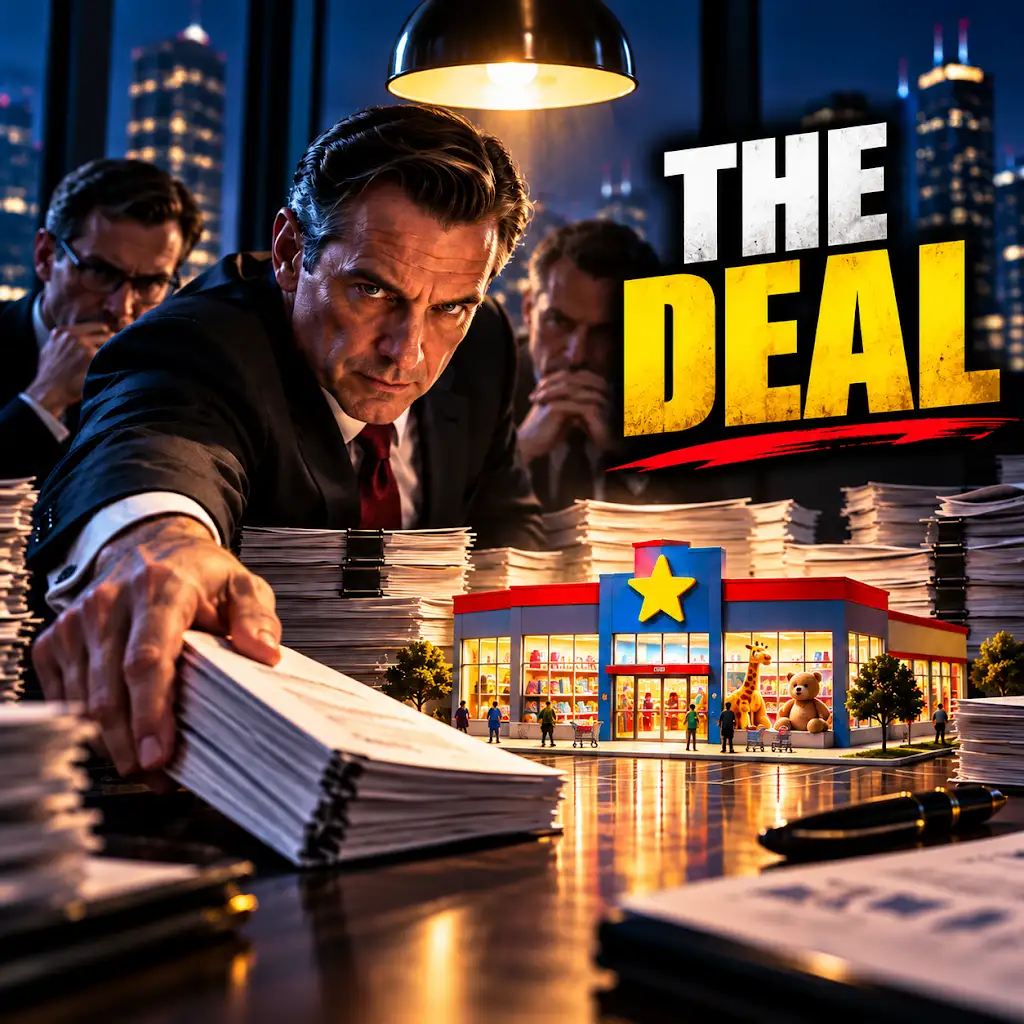
The $6.6 Billion Deal That Left Toys “R” Us Trapped
FAQs
1. What led to the collapse of Toys R Us?
Toys R Us filed for bankruptcy in 2017 due to a combination of factors, including increased competition from online retailers like Amazon, high levels of debt, and changing consumer preferences.
2. How did the bankruptcy impact Toys R Us stores?
As a result of the bankruptcy, Toys R Us closed hundreds of stores in the United States and around the world, leading to thousands of job losses and leaving many customers without a physical store to shop at.
3. What happened to Toys R Us after the bankruptcy?
Toys R Us attempted to restructure and continue operating, but ultimately decided to liquidate its assets and close all of its remaining stores in 2018. The company’s intellectual property was later acquired by a new entity, Tru Kids Inc.
4. What is the current status of Toys R Us under Tru Kids Inc.?
Tru Kids Inc. has been working to revive the Toys R Us brand by opening smaller, experiential stores and partnering with other retailers to sell Toys R Us products. The company has also launched a new e-commerce website.
5. How has the collapse of Toys R Us impacted the toy industry?
The collapse of Toys R Us has had a significant impact on the toy industry, leading to increased competition among other retailers, changes in toy distribution channels, and shifts in consumer shopping habits. Many toy manufacturers have had to adapt to the changing landscape without the presence of Toys R Us as a major player in the market.