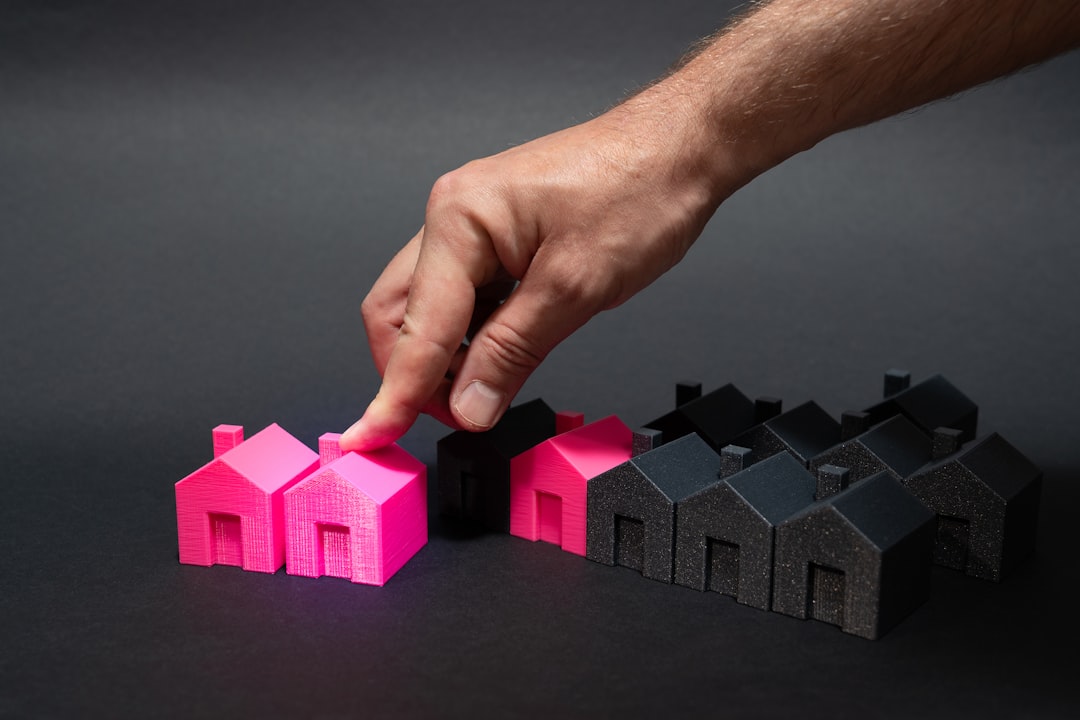
You might not realize it, but the very walls around you, the familiar scents, the echoes of past conversations – your home – are silently shaping every decision you make. From the grand gestures of career changes to the mundane choices of what to eat for breakfast, the influence of your home is pervasive, a constant hum beneath the surface of your conscious thought. It’s more than just a physical space; it’s a repository of memories, a landscape of ingrained habits, and a reflection of your core values, all of which act as powerful, often unconscious, guides in your life.
Your home is, at its most fundamental level, your sanctuary. It’s the place where you are meant to feel safest and most at ease. This inherent sense of security, or lack thereof, profoundly impacts your willingness to take risks and your approach to decision-making.
The Role of Safety in Risk Assessment
Think about how you assess risk. If your home environment is stable, predictable, and forgiving, you’re likely to approach new situations with a more adventurous spirit. You know, deep down, that even if things don’t go as planned, you have a secure base to return to. This feeling of a safety net encourages bolder choices, whether it’s investing in a new venture, pursuing a challenging hobby, or even speaking your mind in a difficult conversation. Conversely, if your home life has been characterized by instability, conflict, or unpredictability, that underlying anxiety can seep into your decision-making. You might become more risk-averse, opting for the familiar and the safe, even when opportunities for significant growth or reward are present. The fear of losing what little stability you have can paralyze your ability to make decisive choices that deviate from the established norm.
The Comfort Zone and Its Boundaries
Your home is often the epicentre of your comfort zone. This zone, defined by what feels familiar and non-threatening, can both nurture and constrain you. When you’re deciding on something that falls within your comfort zone, the process is usually smoother, more automatic. You rely on established patterns of thought and behavior. However, when a decision requires you to step outside this zone, the influence of your home becomes more complex. If your home actively encourages exploration and learning, it can act as a launchpad for venturing into the unknown. If, on the other hand, your home promotes a more insular existence, the very idea of stepping beyond its perceived boundaries can feel daunting, leading you to reject opportunities that lie outside your familiar territory. Consider the decision to move to a new city for a job. If your home has always been your primary focus, the thought of leaving it can be a significant hurdle, even if the job offer is exceptional.
The Impact of Physical Environment on Well-being
The physical characteristics of your home also play a crucial role. A cluttered and chaotic living space can contribute to mental clutter and indecision. Conversely, a well-organized and aesthetically pleasing environment can promote clarity of thought and a sense of control, making it easier to weigh options and make sound judgments. Think about how you feel when you’re trying to make an important decision in a messy room versus a tidy one. The mental clarity offered by a clean space can be a significant advantage. Similarly, if your home is filled with natural light and greenery, it can positively influence your mood and energy levels, fostering a more optimistic outlook, which in turn can lead to more positive and proactive decision-making.
The environment in which we live significantly influences our daily choices and behaviors, often in ways we may not consciously recognize. For instance, the layout and design of our homes can dictate our routines, from the ease of accessing healthy food options to the availability of spaces for relaxation and social interaction. This concept is explored in greater detail in the article “How Your House Controls Your Choices,” which discusses the psychological and behavioral impacts of our living spaces. To learn more about this fascinating topic, you can read the article here: How Your House Controls Your Choices.
The Echoes of Values and Beliefs
Your home is where you first learn about the world and your place within it. The values and beliefs instilled in you by your family and the general atmosphere of your upbringing form a deeply ingrained framework that influences your decisions throughout your life.
Familial Imprinting and Moral Compass
From a young age, you absorb the unspoken rules and explicit teachings of your household. These create a foundational moral compass. If your home emphasized honesty, integrity, and compassion, you are more likely to make decisions that align with these principles, even when faced with temptation or personal gain. Conversely, if your upbringing was marked by a lack of these values, your decision-making might reflect a more pragmatic or even self-serving approach. You might find yourself questioning the ethical implications of your choices less, or interpreting situations through a lens of what is most advantageous in the short term. Think about how you handle a situation where you could potentially gain something through deception. Your initial reaction, your gut feeling, is often a direct reflection of the ethical guidelines you absorbed at home.
The Weight of Tradition and Expectations
Many homes carry with them a tapestry of traditions and unspoken expectations. These can range from religious observances to career paths that have been historically followed by family members. When faced with a decision that intersects with these traditions, you often feel their weight. You might feel a sense of obligation to honor the past or a fear of disappointing those who have come before you. This can lead you to make choices that might not be entirely your own, but rather ones that fulfill a perceived ancestral or familial duty. Consider the decision to follow in a parent’s footsteps professionally. Even if it’s not your passion, the pull of tradition and the desire to uphold a family legacy can be a powerful motivator.
The Influence of Socioeconomic Background
The socioeconomic status of your home environment plays a significant role in shaping your decision-making, particularly concerning finances, education, and career opportunities. If you grew up in a home where resources were abundant, you might have been encouraged to pursue higher education without immediate financial concerns, or to take more calculated risks in your career. If, however, your home faced financial scarcity, your decisions might be driven by a need for immediate security and stability. You might prioritize jobs with steady income over those with higher potential but greater risk. The very perception of what is “possible” is often colored by the financial realities you witnessed in your formative years.
The Power of Habit and Routine

Your home is a breeding ground for habits. The daily routines you establish within its confines become almost automatic, influencing not just your actions within the home, but also your approach to decisions outside of it.
The Tyranny and Comfort of the Familiar
Habits, once formed, are remarkably resistant to change. They become the default settings for your behavior. Your morning routine, your eating habits, even how you organize your workday – many of these are likely shaped by the routines you developed in your home. When faced with a decision, your mind often defaults to the path of least resistance, which is often the habitual path. This can be a source of great efficiency, allowing you to make quick and effective choices without expending excessive mental energy. However, it can also lead to a lack of innovation or an inability to adapt when new circumstances demand a departure from the norm. If your home environment has always been rigid in its routines, you might find it difficult to deviate even when it would be beneficial.
The Home as a Microcosm of Problem-Solving
The way problems are solved within your home environment sets a precedent for how you approach challenges in your wider life. Do your family members engage in open discussion and collaborative problem-solving? Or is conflict avoidance or unilateral decision-making the norm? These patterns are internalized and replicated. If you witnessed constructive problem-solving at home, you’re likely to approach obstacles in your professional or personal life with a more measured and effective strategy. If, however, emotional outbursts or avoidance were the primary responses to challenges, you might find yourself struggling with similar issues when they arise outside your home.
The Impact of Learned Behaviors on Future Choices
The learned behaviors within your home extend beyond explicit actions. They also encompass your emotional responses and coping mechanisms. If your home environment fostered healthy emotional expression and constructive ways of dealing with stress, you are more likely to make decisions from a place of balance and rationality. If, however, your upbringing was characterized by emotional suppression or unhealthy coping strategies, these tendencies can manifest in your decision-making, leading to impulsive choices or a tendency to avoid difficult situations altogether.
The Social Landscape of Home

Your home is not just a physical structure; it’s a social arena. The dynamics of relationships, the communication styles, and the social norms within your household all leave an indelible mark on how you interact with the world and make decisions.
Communication Styles and Decision-Making
The way you communicate, and the importance placed on open dialogue within your home, significantly influences your decision-making process. If discussions were encouraged and diverse opinions were valued, you are likely to approach decisions collaboratively, seeking input from others and weighing different perspectives. If, on the other hand, your home was characterized by monologues or a lack of genuine listening, you might find yourself making decisions in isolation, perhaps struggling to articulate your thoughts or to effectively solicit and interpret feedback. Consider a career decision that requires teamwork. Your comfort with collaboration and your ability to engage in healthy debate will be directly linked to your home’s communication culture.
The Influence of Role Models and Mentors
Within your home, you have likely encountered various role models – parents, siblings, grandparents, or even close family friends. The choices these individuals made, the paths they took, and the lessons they imparted serve as powerful influences. You might consciously or unconsciously emulate their decision-making strategies, adopt their values, or steer clear of choices that led them to negative outcomes. Think about a specific major life decision you’ve made: did you ever find yourself asking, “What would [role model] do?” This is a testament to their enduring influence.
The Social Contract of the Household
Every home operates with an implicit social contract. This contract defines roles, responsibilities, and expectations for its members. Whether this contract is equitable and supportive, or rigid and oppressive, will shape your understanding of your own agency and your willingness to assert your needs and desires in your decision-making. If your home fostered a sense of fairness and mutual respect, you’re more likely to make decisions that consider the well-being of others and to expect the same in return. If the contract was unbalanced, you might struggle with asserting your boundaries or making choices that prioritize your own self-interest.
The environment we live in significantly influences our decision-making processes, often in ways we may not even realize. For instance, the layout and design of our homes can dictate our daily routines and choices, from the way we interact with family members to how we allocate our time for work and leisure. If you’re interested in exploring this concept further, you might find it insightful to read an article on how our surroundings shape our behaviors and choices. You can check it out here: How Wealth Grows. Understanding these dynamics can empower us to create spaces that align more closely with our values and aspirations.
The Home as a Sanctuary for Reflection
| Reasons | Impact |
|---|---|
| Location | Determines proximity to work, schools, and amenities |
| Size | Affects living space and storage options |
| Cost | Influences financial decisions and lifestyle choices |
| Neighborhood | Impacts social interactions and sense of community |
| Condition | Affects maintenance and renovation needs |
Beyond the daily grind, your home also provides the space for introspection and reflection. This crucial aspect of your environment plays a vital role in shaping your long-term goals and the thoughtful consideration you give to significant life choices.
The Importance of Solitude and Downtime
Your home is often the only place where you can truly disconnect from external pressures and engage in focused introspection. The ability to have quiet solitude, to process your thoughts without interruption, is invaluable. If your home provides this space, you are better equipped to understand your own desires, motives, and long-term aspirations. This self-awareness is foundational to making decisions that are aligned with your true self. Conversely, if your home is a constant hive of activity with little opportunity for quiet, you might find it difficult to gain clarity on your goals, leading to decisions that are more reactive than proactive.
The Impact of Personalization on Identity
The way you personalize your home – the objects you display, the art you choose, the colors you paint your walls – is a reflection of your identity and your aspirations. These choices, made within the sanctuary of your home, reinforce your sense of self. When faced with decisions, this solidified identity can act as a powerful anchor, guiding you towards choices that are consistent with who you believe yourself to be. If your home is a curated space that reflects your evolving interests and values, it empowers you to make bolder choices that align with this evolving self. Imagine choosing a career path that allows you to express a long-held passion – the visual cues and the sense of belonging these bring within your home can significantly bolster your confidence in making that leap.
The Home as a Laboratory for Life Experiments
While risks are assessed within the context of security, your home also serves as a safe space to try things out. You experiment with new hobbies, learn new skills, and perhaps even make small, low-stakes mistakes. These “life experiments” within the familiar boundaries of your home provide valuable data for future decision-making. The successes and failures you experience in these controlled environments inform your judgment about how to approach similar situations in the wider world. A home where you feel encouraged to explore without harsh judgment is a powerful incubator for confident and informed decision-making.
In conclusion, your home is far more than just four walls and a roof. It is a dynamic and powerful influence on every decision you make. From the foundational needs of security and comfort to the ingrained echoes of your values and the automaticity of your habits, your home is constantly shaping your perceptions, your priorities, and ultimately, the choices you present to the world. Understanding this profound influence is the first step towards harnessing its positive aspects and mitigating its potential constraints, allowing you to make more conscious, confident, and fulfilling decisions throughout your life.

The House You Can Afford—but Can’t Leave
FAQs
1. How does your house control your choices?
Your house can influence your choices through its layout, design, and organization. For example, a cluttered and disorganized space may lead to feeling overwhelmed and making hasty decisions, while a well-designed and organized space can promote a sense of calm and clarity, leading to more thoughtful decision-making.
2. What are some ways your house can impact your decision-making?
The layout of your house can impact your decision-making by influencing how you move through and interact with the space. For example, a house with an open floor plan may encourage socializing and collaboration, while a house with separate, closed-off rooms may promote privacy and solitude.
3. Can the design and decor of your house affect your choices?
Yes, the design and decor of your house can affect your choices. For example, a house with bright, vibrant colors and bold patterns may promote energy and creativity, while a house with neutral, calming tones and minimalist decor may encourage relaxation and focus.
4. How does the organization of your house impact your decision-making?
The organization of your house can impact your decision-making by influencing your ability to find and access the things you need. A well-organized house can promote efficiency and productivity, while a disorganized house can lead to frustration and distraction.
5. What are some ways to create a house that supports positive decision-making?
To create a house that supports positive decision-making, consider decluttering and organizing your space, incorporating elements of design and decor that promote the desired atmosphere, and creating a layout that encourages the behaviors and activities you want to prioritize.