
You’re dreaming of that perfect home. You’ve saved, you’ve browsed countless listings, and you’re ready to take the plunge. But before you sign on the dotted line, you need to be acutely aware that the landscape of home buying has shifted, and the risks you face today are more complex and significant than they once were. This isn’t about discouraging you, but about equipping you with the knowledge to navigate these turbulent waters with confidence and caution.
The idea of homeownership is deeply ingrained in the fabric of many societies. It represents stability, investment, and a place to build a future. However, the path to achieving this dream is currently fraught with more potential pitfalls than in previous decades. You might be looking at current prices and feeling a sense of urgency, but a rushed decision can be a costly one. Understanding the underlying dynamics of the market is your first line of defense.
Inflation’s Insidious Grip
You’ve likely noticed prices for almost everything have been on the rise. This persistent inflation has a direct and potent impact on the housing market. Not only does it drive up the cost of building materials, which in turn increases the prices of new homes, but it also affects the cost of living, making it harder for you to save for a down payment and afford your mortgage.
The Erosion of Purchasing Power
As inflation continues its march, your hard-earned savings can lose value over time. This means that the down payment you meticulously squirreled away might not stretch as far as it did a year or two ago. You might find yourself needing to increase your down payment or settle for a smaller or less desirable property.
The Rising Cost of Everything Else
Beyond the sticker price of the home, think about the ongoing expenses. Increased utility costs, insurance premiums, property taxes, and even the cost of furniture and renovations are all susceptible to inflationary pressures. You need to factor in this “total cost of ownership” when assessing affordability, not just the initial mortgage payment.
Interest Rate Volatility: A Constant Unknown
For years, you might have been accustomed to historically low interest rates. This made borrowing money for a mortgage incredibly attractive. However, the economic climate has changed, and interest rates have become much more volatile. You are now facing a landscape where rates can fluctuate significantly, impacting your monthly payments and overall borrowing capacity.
The Hidden Cost of Higher Payments
If you secure a mortgage at a higher interest rate than anticipated, your monthly payments will be considerably larger. This can strain your budget, potentially forcing you to cut back on other financial goals or even making the mortgage unaffordable in the long run. You need to perform rigorous stress tests on your budget to see how you’d cope with a higher rate.
The Impact on Future Refinancing
The expectation of refinancing your mortgage at a lower rate in the future is a common strategy for many buyers. However, if interest rates remain high or continue to climb, your ability to refinance and reduce your monthly payments will be severely limited. This ties you to a higher rate for a longer period.
In today’s economic climate, buying a house has become riskier due to various factors such as rising interest rates, inflation, and a volatile housing market. For a deeper understanding of these challenges and insights into navigating the current real estate landscape, you can read a related article on this topic at How Wealth Grows. This resource provides valuable information that can help potential homebuyers make informed decisions amidst the uncertainties of the market.
The Tightrope Walk of Affordability
Even if you manage to find a home within your perceived budget, the definition of “affordability” itself has become a more precarious concept than ever before. What appears affordable on paper might quickly become a financial burden as other economic factors come into play.
The Illusion of a “Good Deal” in a Seller’s Market
You might be tempted by listings that seem to be priced competitively. However, in many current markets, even these listings can be subject to bidding wars, pushing prices far beyond their initial asking amount. This creates an illusion of a good deal while actually leading you to overpay.
Bidding Wars and Escalating Prices
You’re not just competing with other buyers; you’re competing with their desperation and pre-approved financing. Bidding wars can force you to waive contingencies, increase your offer significantly, and push yourself into a financial situation you might not be able to sustain.
Overpaying and Future Resale Value
When you overpay for a property, especially in a market that might be cooling, you risk being “underwater” on your mortgage – owing more than the home is worth. This can make it incredibly difficult to sell the property in the future without taking a significant financial loss.
The Expanding Definition of “Associated Costs”
Beyond the mortgage, the true cost of homeownership extends far beyond the initial purchase price. You need to be acutely aware of the myriad of additional expenses that can quickly add up.
Rising Property Taxes and Insurance Premiums
As property values increase, so do property taxes. Simultaneously, insurance premiums have seen substantial hikes due to increased risks from climate change and the general inflation impacting the cost of repairs. These are not one-time costs; they are ongoing and likely to increase over time.
The Unforeseen Costs of Maintenance and Repairs
You know the roof won’t last forever. You know the plumbing can be finicky. But the sheer unpredictability and cost of home maintenance and repairs can be a significant strain on your finances. A major appliance failure or an unexpected structural issue can put a huge dent in your savings.
The “Hidden” Costs of Utilities and Home Services
Leaky faucets, drafty windows, and outdated appliances can all contribute to escalating utility bills. Beyond that, consider the cost of internet, cable, landscaping, and pest control – these are ongoing expenses that need to be factored into your monthly budget.
The Shadows of Economic Uncertainty
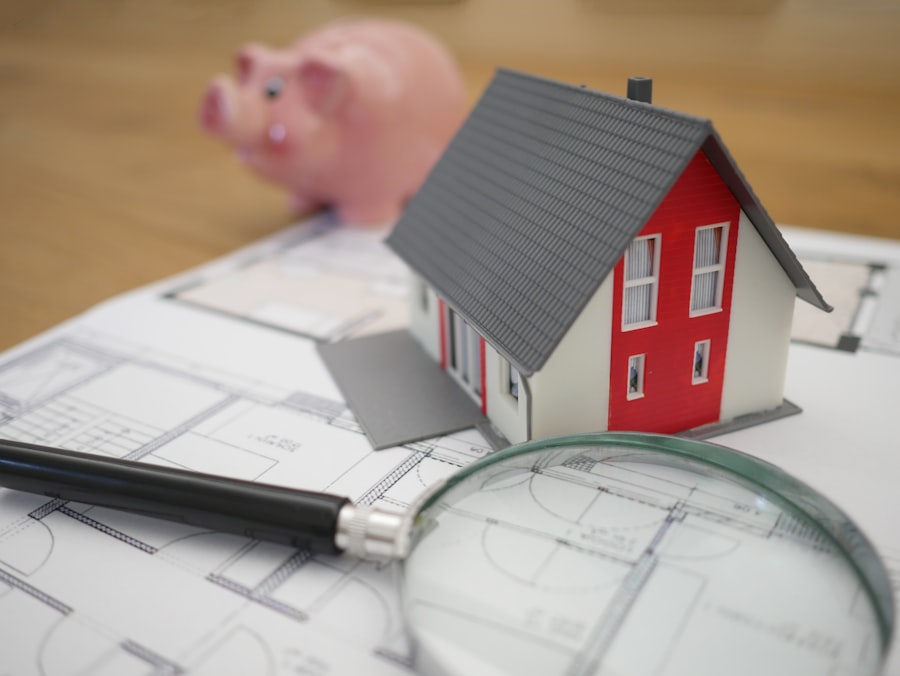
The economic landscape is inherently unpredictable. While you can plan and prepare, unforeseen events can significantly impact your financial stability and your ability to maintain homeownership. You are not just buying a house; you are entering into a long-term financial commitment that is susceptible to broader economic shifts.
Job Security and the Risk of Redundancy
Your income is the bedrock of your ability to pay your mortgage. In today’s uncertain economic climate, job security is not as guaranteed as it once was. Economic downturns, industry shifts, and even individual company struggles can lead to layoffs and financial hardship.
The Impact of a Job Loss on Mortgage Payments
If you lose your job, the immediate concern is how you will cover your mortgage payments. While you may have savings, they are often finite. The longer the period of unemployment, the greater the risk of falling behind on payments and potentially facing foreclosure.
The Difficulty of Selling in a Stressed Market
If you need to sell your home due to job loss or financial strain, but the housing market is also experiencing a downturn, you might be forced to sell at a significant loss. This can leave you with substantial debt and no home to call your own.
The Squeeze of Increased Living Expenses
Beyond the direct costs of homeownership, the broader increase in the cost of living can put immense pressure on your household budget, making it harder to allocate funds for your mortgage and other essential expenses.
The Cumulative Effect of Rising Costs
It’s not just one or two things becoming more expensive; it’s everything. Groceries, transportation, education, childcare – all these essential expenses are rising, consuming a larger portion of your income. This leaves less disposable income for discretionary spending and, critically, for your mortgage payments.
The Strain on Household Budgets
When essential living expenses consume a larger chunk of your income, it leaves very little wiggle room for unexpected costs or for saving for future financial emergencies. This makes you more vulnerable to any financial shock.
The Evolving Landscape of Lending and Regulation

The rules of the game for obtaining a mortgage have also been evolving. You need to be aware of changes in lending practices and regulations that could impact your ability to secure financing or the terms of your loan.
Stricter Lending Criteria and Higher Approval Thresholds
Lenders are often more cautious in uncertain economic times. This can translate into stricter lending criteria, requiring higher credit scores, larger down payments, and more detailed proof of income and financial stability.
The Challenge of Qualifying for a Mortgage
If your financial profile doesn’t precisely align with a lender’s current requirements, you might struggle to get approved for a mortgage. This could mean going back to the drawing board, improving your credit score, or saving for a larger down payment, all of which takes time and effort.
The Impact on First-Time Buyers
First-time buyers, who often have less established credit histories and savings, can find it particularly challenging to meet these stricter lending thresholds. You might need to explore alternative financing options or work closely with a mortgage broker to find suitable solutions.
Changes in Mortgage Products and Their Associated Risks
The types of mortgage products available can also shift, and some may carry hidden risks or complexities that you need to understand before committing.
Adjustable-Rate Mortgages (ARMs) and Future Payment Shocks
While ARMs can offer a lower initial interest rate, they come with the significant risk of your monthly payments increasing substantially when the fixed-rate period ends. You need to carefully assess your tolerance for this risk and whether you can afford potential future payment hikes.
Balloon Mortgages and the Risk of Refinancing Pressure
Balloon mortgages typically have lower initial payments but require a large lump-sum payment (the balloon payment) at the end of a set term. If you cannot afford to pay this lump sum or refinance your mortgage at that time, you could face severe financial distress.
In today’s economic climate, buying a house has become increasingly risky due to factors such as rising interest rates and fluctuating property values. Many potential homeowners are now reconsidering their options, as the market shows signs of instability. For a deeper understanding of these challenges, you can read a related article that discusses the implications of current trends on home buying decisions. This insightful piece highlights the importance of being well-informed before making such a significant investment. To explore further, check out this article on the topic here.
The Growing Complexity of Home Inspections and Due Diligence
| Reasons Why Buying a House is Riskier Today |
|---|
| 1. Economic Uncertainty |
| 2. Fluctuating Real Estate Market |
| 3. Rising Interest Rates |
| 4. Job Insecurity |
| 5. Potential for Property Value Decline |
| 6. Increasing Cost of Homeownership |
The process of ensuring a home is structurally sound and free from hidden defects has always been crucial, but today, the stakes are higher, and the need for thorough due diligence is paramount.
The Temptation to Waive Contingencies in Competitive Markets
In a hot seller’s market, you might feel pressured to waive inspection contingencies to make your offer more attractive to sellers. This is a perilous gamble that can leave you exposed to significant and unforeseen repair costs.
The Hidden Dangers Lurking Beneath the Surface
Waiving an inspection means you are accepting the property “as is.” This could mean undisclosed issues with the foundation, plumbing, electrical systems, or roofing that could cost tens of thousands of dollars to rectify. You are essentially agreeing to buy a box of unknown potential problems.
The Long-Term Financial Repercussions of Undisclosed Defects
Even if you can afford the initial repairs, problems that were not identified during the purchase can continue to plague you, leading to ongoing maintenance headaches and financial strain. These hidden defects can also impact the resale value of your home in the future.
The Importance of Thorough and Independent Inspections
Your home inspection should be more than just a checkbox exercise. You need to approach it with a critical eye and an understanding of its limitations.
Choosing a Qualified and Reputable Inspector
Don’t just pick the first inspector you find. Research their qualifications, read reviews, and ask for references. A good inspector will be detail-oriented, thorough, and able to explain any findings clearly.
Understanding the Scope and Limitations of an Inspection
An inspection is a snapshot in time. It will not reveal every single potential problem, especially those hidden behind walls or underground. It is also not a guarantee that the home is free from future issues. You should view the inspection report as a guide, not an absolute truth.
Beyond the Standard Home Inspection: Specialized Assessments
Depending on the age and likely condition of the home, and the geographical area you’re in, you might need to consider specialized assessments in addition to the standard home inspection.
Considering Inspections for Environmental Hazards
For example, in older homes, you might want to consider inspections for lead paint, asbestos, or mold. In areas prone to certain geological conditions, a radon test or a structural engineer’s assessment might be advisable.
The Value of a Sewer Scope or Drain Inspection
Problems with the sewer line can be incredibly expensive to fix. A sewer scope inspection can reveal blockages, cracks, or collapses in the sewer pipe before you buy, saving you from a potentially massive bill.
You are embarking on a significant financial undertaking. The risks associated with home buying today are real and multifaceted. By understanding these challenges, conducting thorough research, and approaching the process with caution and a clear head, you can significantly improve your chances of a successful and rewarding homeownership experience. Don’t let the dream overshadow the due diligence. Your future financial well-being depends on it.

The Middle-Class Playbook Stopped Working — Here’s Why
FAQs
1. What are some of the reasons why buying a house is riskier today?
Some of the reasons why buying a house is riskier today include increasing interest rates, rising home prices, and potential economic instability.
2. How do increasing interest rates affect the risk of buying a house?
Increasing interest rates can make mortgage payments more expensive, potentially reducing the affordability of a home and increasing the risk of default.
3. What impact do rising home prices have on the risk of buying a house?
Rising home prices can make it more difficult for buyers to afford a home, potentially leading to over-leveraging and financial strain.
4. How does potential economic instability contribute to the risk of buying a house?
Potential economic instability, such as job market fluctuations or recession, can impact a buyer’s ability to make mortgage payments and maintain the value of their home.
5. Are there any strategies to mitigate the risks of buying a house in today’s market?
Some strategies to mitigate the risks of buying a house in today’s market include thorough financial planning, considering a fixed-rate mortgage, and conducting extensive research on the local housing market.