
You’ve likely experienced it. The flutter of excitement, the knot of anxiety, the quiet satisfaction that comes with managing your investments. Perhaps you started small, a few carefully chosen stocks or a modest mutual fund. Each transaction felt significant, each percentage point swing a drama unfolding in real-time. Then, something shifted. Your portfolio grew. Maybe through savvy investing, a windfall, or simply the passage of time and compounding growth, you found yourself managing a sum of money that felt substantially larger. And with that growth, you probably noticed a palpable change in how you feel about your investments. This isn’t just a trick of the mind; the impact of scale on your investment psychology is profound, shaping your decision-making, your risk tolerance, and your overall emotional landscape.
The Psychological Shift: From Hobby to Responsibility
As your portfolio’s value increases, so too does the weight of responsibility. What was once a fascinating intellectual exercise, a hobby enjoyed in your spare time, can morph into a significant aspect of your financial life. This transition is rarely instantaneous but rather a gradual realization that can catch you by surprise.
The Stakes Get Higher
When you’re investing a few thousand dollars, the potential loss of that amount, while undesirable, is unlikely to derail your life. You might feel a pang of regret, learn a valuable lesson, and move on. However, when your portfolio represents a substantial portion of your net worth, or even your entire retirement savings, the stakes are immeasurably higher. A significant downturn can have immediate and tangible consequences on your lifestyle, your future plans, and your overall sense of security. This heightened awareness of potential losses naturally breeds a different kind of caution.
The Erosion of “Play Money”
For many beginners, there’s an implicit understanding that the money invested is, to some extent, “play money.” It’s money they can afford to lose without dire repercussions. As your portfolio scales, this concept of “play money” erodes. Every dollar becomes a more precious commodity, a building block for future financial goals. This shift can make you more risk-averse, less inclined to make speculative bets, and more focused on capital preservation. The thrill of chasing high returns might be tempered by the fear of depleting hard-earned capital.
The Burden of Knowledge
With a larger portfolio comes a greater understanding of the complexities of the financial markets. You’ve likely read more books, followed market news more closely, and perhaps even sought advice from professionals. This increased knowledge, while valuable, can also be a source of anxiety. You’re more aware of the myriad risks out there – economic downturns, geopolitical instability, industry disruptions, and company-specific failures. This awareness can lead to overthinking and paralysis by analysis, making it harder to pull the trigger on new investments or even to hold onto existing ones during periods of uncertainty.
Investing in larger portfolios often brings about a distinct psychological experience compared to managing smaller ones. This difference can be attributed to factors such as increased complexity, greater emotional stakes, and the pressure of making significant financial decisions. For a deeper understanding of how larger portfolios feel different and the implications of this shift, you can read a related article at How Wealth Grows. This resource provides insights into the emotional and strategic considerations that come into play as one’s investment portfolio expands.
The Emotional Rollercoaster Amplified
The emotional highs and lows of investing are a universal experience, but scale acts as an amplifier, turning molehills into mountains and minor dips into canyons.
The Magnification of Gains
When you see your portfolio grow by, say, 10%, the absolute dollar amount of that gain will be significantly larger with a $100,000 portfolio than with a $10,000 portfolio. That $10,000 gain can feel incredibly rewarding, fueling confidence and a sense of accomplishment. You might feel a surge of optimism, believing you’ve cracked the code to wealth creation. This positive reinforcement can be intoxicating and, if unchecked, can lead to overconfidence and a willingness to take on more risk than is prudent.
The Devastation of Losses
Conversely, a 10% loss on a $100,000 portfolio translates to a $10,000 hit. This isn’t a minor inconvenience; it’s a substantial reduction in your wealth. The emotional impact of such a loss can be devastating. You might experience fear, regret, anger, and even panic. The careful thought process that led to the initial investment can be overshadowed by the overwhelming urge to stop the bleeding, leading to impulsive and often detrimental decisions, such as selling at the bottom of a market dip.
The Increased Sensitivity to Volatility
When your portfolio is small, market volatility might feel like a mild breeze. You might notice the daily fluctuations but not be deeply affected. As your portfolio grows, that same level of volatility can feel like a hurricane. Each price swing, however minor in percentage terms, represents a larger absolute dollar change. This increased sensitivity can lead to a constant state of low-grade anxiety, making it difficult to sleep soundly during periods of market turbulence. You might find yourself checking your portfolio more frequently, obsessing over daily movements, and feeling a constant need to react.
Decision-Making Under a Magnifying Glass
The way you approach investment decisions undergoes a significant transformation as your portfolio expands. What once felt like a series of independent choices can become a more deliberate and interconnected process.
The Scrutiny of Every Decision
With a larger sum at stake, every investment decision is subjected to a far more rigorous level of scrutiny. You’re no longer just evaluating the potential upside; you’re intensely analyzing the downside risks, the probability of success, and the opportunity cost of allocating capital to one investment over another. This can lead to a more analytical and perhaps slower decision-making process. You might spend more time on due diligence, seek out more opinions, and even use more sophisticated analytical tools.
The Shift from Individual Stock Picking to Strategic Asset Allocation
For smaller portfolios, the focus is often on picking individual winning stocks or funds. The excitement lies in identifying the next big thing. As your portfolio grows, the importance of strategic asset allocation – how you divide your investments across different asset classes like stocks, bonds, real estate, and alternative investments – becomes paramount. You begin to think more about diversification, risk management, and how different parts of your portfolio interact. The goal shifts from simply picking winners to constructing a robust and resilient portfolio designed to weather various market conditions.
The Temptation of “Home Runs” vs. Sustainable Growth
With substantial capital, the temptation to chase “home run” investments – those with the potential for massive, rapid gains – can be alluring. However, a larger portfolio also provides the capacity for more sustainable, long-term growth through consistent contributions and strategic reinvestment. You might find yourself wrestling with the desire for quick wins versus the wisdom of a more measured and disciplined approach that prioritizes compounding over time. The potential for life-changing wealth is more tangible, but so is the risk of squandering it on speculative ventures.
The Impact on Risk Tolerance and Management
Your inherent risk tolerance might not change, but the way you perceive and manage risk certainly does as your portfolio scales.
Redefining Acceptable Risk
What you considered an acceptable level of risk when your portfolio was small might feel entirely unacceptable when it represents a significant portion of your financial security. You might find yourself becoming more conservative, actively seeking to reduce your overall portfolio risk. This could involve shifting towards more stable, dividend-paying stocks, increasing your allocation to bonds, or exploring less volatile investment strategies.
The Need for Diversification Becomes Paramount
While diversification is always important, its necessity becomes even more pronounced with larger portfolios. Concentrating too much capital in a single asset or sector can be catastrophic. You become more acutely aware of the potential for unforeseen events to decimate a concentrated position. This drives a more disciplined approach to spreading your investments across various asset classes, geographies, and industries to mitigate specific risks.
The Emergence of Sophisticated Risk Management Tools
As your portfolio grows, so too does your understanding of and access to sophisticated risk management tools. This could include hedging strategies, options trading for downside protection, or employing active risk management services. These tools become not just desirable but essential for protecting your capital and navigating volatile markets. You move beyond simply hoping for the best and actively work to build in safeguards.
Investing in larger portfolios often feels different due to the complexities and emotional factors involved in managing a significant amount of assets. As investors accumulate wealth, they may experience heightened anxiety about market fluctuations and the potential for loss, which can lead to a more cautious approach. This shift in mindset is explored in detail in a related article that discusses the psychological impact of wealth on decision-making. For more insights on this topic, you can read the article here: How Wealth Grows. Understanding these dynamics can help investors navigate the challenges that come with larger portfolios and make more informed choices.
The Long-Term Perspective and the Evolving Investor
Finally, the impact of scale shapes your long-term perspective and transforms you into a different kind of investor.
The Shift from Short-Term Gains to Long-Term Wealth Accumulation
When you’re starting out, the focus might be on accumulating enough capital to achieve specific short-to-medium-term goals. With a larger portfolio, the horizon extends considerably. You’re thinking about wealth preservation, intergenerational wealth transfer, and securing a comfortable retirement that could last decades. This shift naturally lends itself to a more patient and long-term investment approach.
The Development of Investment Discipline
The emotional challenges and increased stakes associated with larger portfolios often forge a stronger sense of investment discipline. You learn to resist the urge to react impulsively to market noise, to stick to your investment plan even when it’s uncomfortable, and to make decisions based on logic rather than emotion. This discipline is the bedrock of sustained investment success.
Becoming a More Mature and Strategic Investor
Ultimately, managing a larger portfolio is a journey of growth. You evolve from a novice investor, driven by excitement and perhaps a touch of recklessness, to a more mature, strategic, and disciplined individual. You learn to balance risk and reward, to understand the power of compounding, and to appreciate the importance of patience and perseverance. The feeling of managing a substantial portfolio isn’t just about the dollar amount; it’s about the transformation you undergo as an investor, a transformation that is undeniably shaped by the profound impact of scale. You are no longer just an investor; you are a steward of your financial future, and that responsibility, coupled with the experience gained, fundamentally changes how your investments feel.
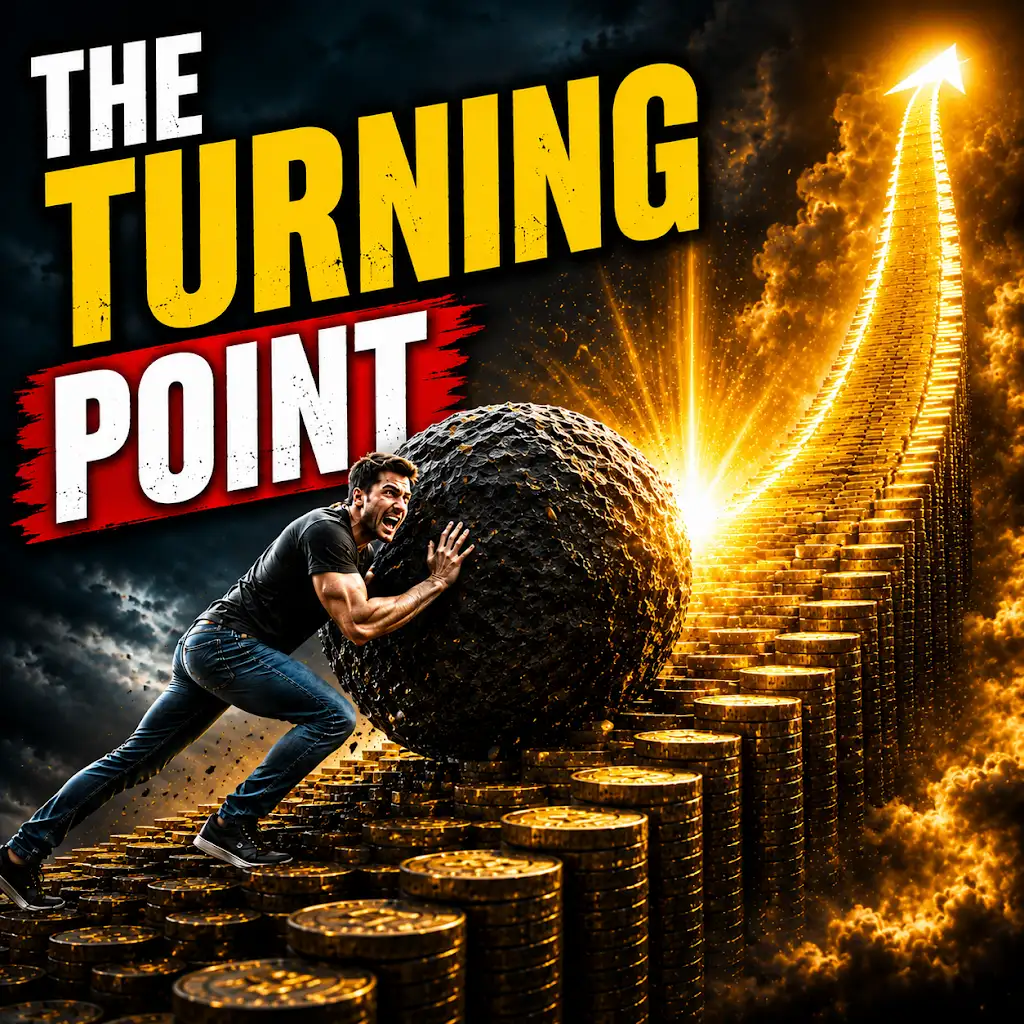
The First $100,000 Is Brutal. Then Everything Changes.
FAQs

What is a larger portfolio in the context of investing?
A larger portfolio refers to a collection of investments, such as stocks, bonds, and other assets, that is significantly larger in value and quantity compared to a smaller portfolio.
Why do larger portfolios feel different from smaller ones?
Larger portfolios may feel different due to the increased complexity, diversification, and potential impact on the overall market. Additionally, managing a larger portfolio may require different strategies and considerations compared to managing a smaller one.
What are some potential challenges of managing a larger portfolio?
Challenges of managing a larger portfolio may include the need for more time and resources, increased risk exposure, and the potential for greater market impact when buying or selling assets. Additionally, monitoring and rebalancing a larger portfolio can be more complex.
What are the potential benefits of having a larger portfolio?
Having a larger portfolio may provide benefits such as increased diversification, potential for higher returns, and the ability to access a wider range of investment opportunities. Additionally, a larger portfolio may offer more flexibility and options for achieving financial goals.
How can investors effectively manage a larger portfolio?
Investors can effectively manage a larger portfolio by implementing a well-defined investment strategy, regularly monitoring and rebalancing the portfolio, staying informed about market trends, and seeking professional advice when needed. Additionally, utilizing technology and automation can help streamline the management process.