The world watches, and you feel it. It’s in the rising cost of your groceries, the extra digits on your gas bill, and perhaps most significantly, the growing chasm between your dreams of homeownership and your current financial reality. Inflation, that insidious creep of rising prices, has cast a long shadow over the housing market, reshaping your aspirations and dictating your choices. It’s not an abstract economic concept confined to textbooks; it’s a tangible force impacting your very foundation – your potential home. You’re not alone in navigating this complex landscape. Understanding how inflation works its magic – or perhaps its mischief – on housing prices is the first step to making informed decisions in this volatile environment.
Inflation, at its core, is a general increase in the prices of goods and services in an economy over a period of time. When the general price level rises, each unit of currency buys fewer goods and services. Consequently, inflation reflects a reduction in the purchasing power per unit of money – a loss of real value in the medium of exchange and unit of account within an economy. For you, this translates to needing more money to acquire the same things you did just a short while ago. This fundamental concept is the bedrock upon which the broader impacts on housing are built.
Demand-Pull Inflation: Too Much Money Chasing Too Few Houses
One of the primary drivers of inflation, and consequently housing price surges, is demand-pull inflation. This occurs when aggregate demand in an economy outpaces aggregate supply. Imagine a scenario where there’s a sudden influx of money into the economy. This could be due to government stimulus packages, low interest rates encouraging borrowing and spending, or a surge in consumer confidence. With more money circulating, people have a greater capacity and desire to spend.
The Effect on Housing Demand
When consumers have more disposable income or access to cheaper credit, their inclination to invest in assets like real estate often increases. You, like many others, might feel that now is the time to buy before prices climb even higher. This heightened demand for housing, especially when coupled with a relatively fixed supply of available properties, creates an environment ripe for price increases. Sellers, recognizing the intense competition, can confidently ask for higher prices, knowing there will likely be buyers willing to meet them. This creates a snowball effect, where the perception of rising prices further fuels demand, a self-fulfilling prophecy.
Supply Constraints: The Bottleneck in Action
While demand surges, the supply side of the housing market is notoriously inelastic, meaning it cannot adjust quickly to changes in demand. Building new homes takes time, requires significant capital, and is subject to local zoning laws, labor availability, and material costs. When demand outstrips the readily available supply, prices are pushed upward. You might find yourself facing bidding wars for properties, with offers exceeding asking prices, a direct consequence of this imbalance amplified by inflationary pressures.
Cost-Push Inflation: The Rising Cost of Building and Owning
Beyond the demand side, inflation also impacts housing prices through cost-push mechanisms. This refers to a situation where the costs of production rise, leading to higher prices for consumers. In the context of housing, this can manifest in several ways.
Material Costs: Bricks and Mortars Become Pricier
The construction industry relies on a variety of raw materials – lumber, steel, concrete, copper, and more. When the prices of these commodities rise due to global supply chain issues, increased demand, or geopolitical events, the cost of building a new home escalates significantly. You might notice that new construction projects are delayed or that the quoted prices for unfinished homes have jumped considerably. These increased building costs are inevitably passed on to the buyer, contributing to higher overall housing prices. Even for existing homes, the cost of renovations and repairs will likely increase as these materials become more expensive.
Labor Costs: The Handyman’s Wage Ascent
Skilled labor is crucial in the construction and maintenance of homes. As inflation drives up the cost of living for workers, demand for higher wages increases. Construction companies have to account for these rising labor costs in their bids, and tradespeople performing repairs and renovations will also charge more. This translates directly into higher acquisition costs for new homes and increased expenses for maintaining existing ones. You might find yourself hesitating on that much-needed kitchen remodel because the estimated cost has become prohibitive.
Land Costs: The Foundation of the Problem
The cost of land itself is another significant factor influenced by inflation. As development pressures increase and suitable building sites become scarcer, land values tend to rise. This is particularly true in desirable urban and suburban areas. When developers purchase land at inflated prices, they factor this into the final sale price of the homes they build, further contributing to the upward trend in housing prices. Even if you’re looking at a pre-existing home, the land it sits on has appreciated, adding to its overall value and sale price.
Inflation has a significant impact on the housing market, influencing everything from mortgage rates to property values. As inflation rises, the cost of building materials and labor increases, which can lead to higher home prices. Additionally, potential homebuyers may find it more challenging to afford homes as interest rates climb in response to inflationary pressures. For a deeper understanding of these dynamics and their implications for the housing market, you can read a related article at How Inflation Affects Housing.
Inflation’s Ripple Effect: Beyond the Purchase Price
The impact of inflation on housing prices extends far beyond the initial sticker shock of buying a home. It influences your ongoing financial obligations and the broader economic landscape in which you operate.
Interest Rates: The Cost of Borrowing in an Inflated World
Central banks, like the Federal Reserve in the United States or the European Central Bank in Europe, often use interest rates as a primary tool to combat inflation. When inflation is high, central banks tend to raise interest rates to cool down the economy. This is done by making borrowing more expensive, which in turn reduces consumer spending and investment.
Mortgage Rates: Your Biggest Housing Cost
For most homebuyers, a mortgage is the single largest financial commitment. When inflation prompts central banks to raise benchmark interest rates, mortgage rates inevitably follow suit. This means that the monthly payment on your mortgage will be higher, even if the principal loan amount remains the same. You might be looking at starter homes that were previously within your reach, only to find that the increased mortgage payments associated with higher interest rates push them out of your budget. This is a direct and painful consequence of inflation’s influence on borrowing costs.
The Affordability Crisis Amplified
Higher mortgage rates, combined with already inflated home prices, create a significant affordability crisis for many prospective buyers. What might have been a manageable monthly payment a few years ago can now be entirely unsustainable. This forces many to delay their homeownership dreams, settle for smaller or less desirable properties, or remain in the rental market, which itself is often subject to inflationary pressures. You’re left contemplating the stark reality of your purchasing power diminishing with each passing month.
Rental Market Pressures: The Alternative Becomes Costlier
When buying a home becomes unattainable or less attractive due to high prices and interest rates, more people are forced to rent. This increased demand for rental properties, especially in desirable areas, inevitably leads to higher rents. Landlords, facing their own rising costs for maintenance, property taxes, and utilities, will pass these increases on to their tenants. You might find yourself caught in a vicious cycle, where the cost of buying a home is prohibitive, and the cost of renting is also spiraling upwards, leaving you with fewer affordable options.
The Eviction Escalation Risk
In severe inflationary environments, landlords might be forced to increase rents to cover their expenses. If tenants cannot afford these higher rents, it can lead to an increase in evictions, further exacerbating the housing shortage and creating instability for vulnerable populations. This demonstrates how inflation’s impact trickles down, affecting not just potential homeowners but also those who rent.
The Government’s Role: Policy Responses and Their Consequences
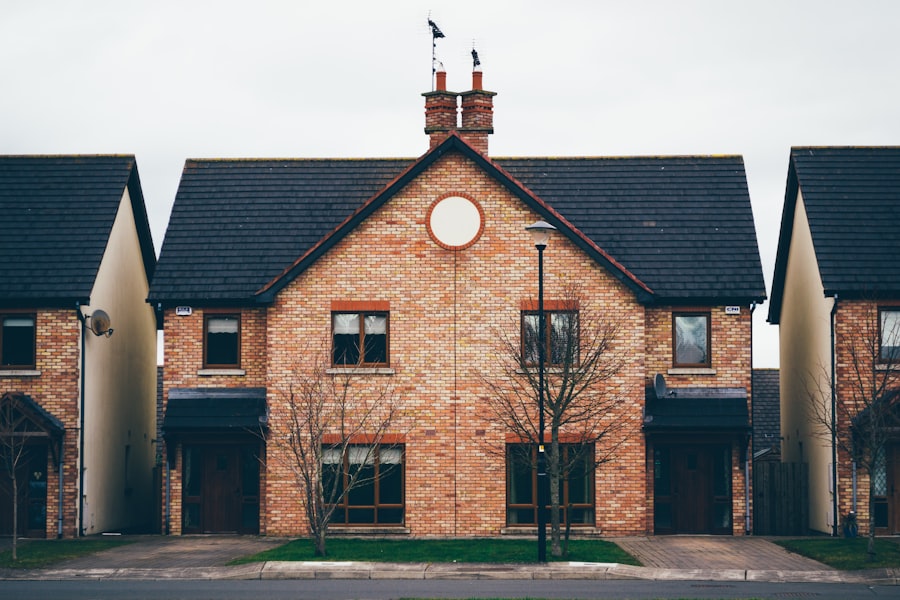
Governments and central banks play a pivotal role in managing inflation and its impact on the economy, including the housing market. Their policy decisions can either mitigate or exacerbate these inflationary pressures.
Monetary Policy: The Central Bank’s Levers
As mentioned, monetary policy, primarily through adjusting interest rates and controlling the money supply, is the central bank’s main weapon against inflation.
Raising Interest Rates: Taming the Fiery Beast
When inflation ignites, central banks will typically raise interest rates. This aims to decrease the money supply and curb borrowing and spending. While intended to bring inflation under control, this action has a direct and often unwelcome consequence for the housing market: higher mortgage rates. You will directly experience this as less purchasing power and higher monthly payments.
Quantitative Tightening: Shrinking the Financial Landscape
In addition to raising interest rates, central banks may also engage in quantitative tightening (QT). This involves reducing the central bank’s balance sheet by selling off assets or allowing them to mature without reinvestment. This can further tighten liquidity in the financial system, potentially leading to even higher borrowing costs and more subdued economic activity. For you, this means a less readily available and more expensive credit environment.
Fiscal Policy: Government Spending and Taxation
Fiscal policy, which involves government spending and taxation, can also influence inflation and housing prices.
Stimulus Packages: Fueling the Inflationary Fire?
During economic downturns, governments often implement stimulus packages to boost spending and growth. While intended to help the economy recover, if these packages are too large or poorly timed, they can inject too much money into the economy, contributing to demand-pull inflation and consequently driving up housing prices. You might have witnessed periods of significant government spending that coincided with rapid housing market appreciation.
Housing Subsidies and Incentives: Direct Intervention
Governments may also implement specific policies aimed at making housing more affordable, such as housing subsidies, tax credits for first-time homebuyers, or initiatives to increase housing supply. These interventions can help alleviate some of the inflationary pressures on housing prices, but their effectiveness can vary depending on their design and the overall economic climate. You might benefit from such programs, but their impact can be diluted by broader inflationary trends.
The Psychology of the Market: Fear, Greed, and the Inflationary Narrative
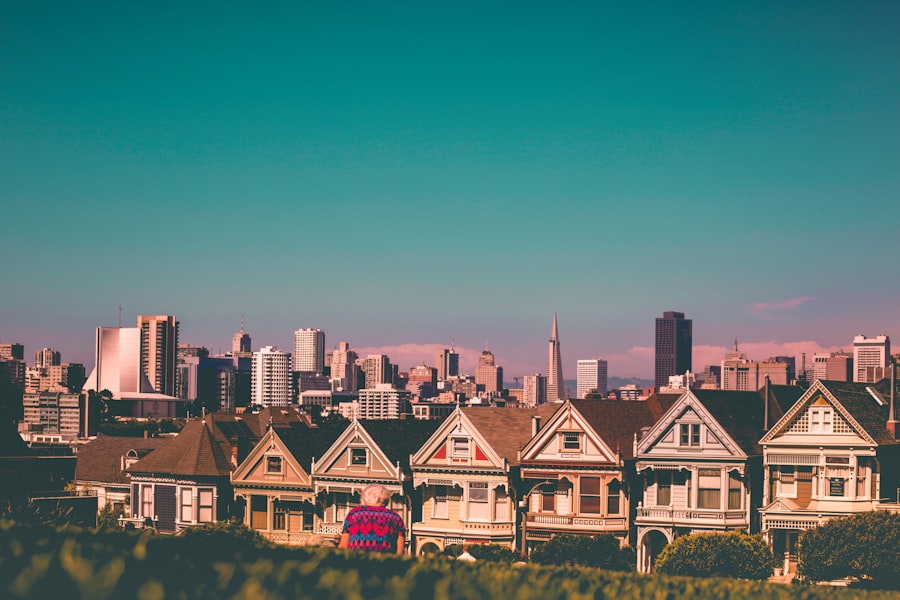
Beyond the raw economic data, the human element plays a crucial role in shaping housing prices, especially during times of inflation. Your own emotions and perceptions, influenced by news and market sentiment, can significantly impact your decisions and, collectively, the market.
Fear of Missing Out (FOMO): The Inflated Urgency
When you hear about rapidly rising housing prices and widespread inflation, a sense of urgency can set in. The fear of missing out on what seems like a rapidly appreciating asset can drive you to make hasty decisions, even if they aren’t financially sound in the long run. This “fear of missing out” amplifies demand, pushing prices even higher. You might feel pressured to buy a home sooner than you planned, even if your finances aren’t perfectly aligned, out of concern that waiting will make it impossible.
Speculation and Investment: Housing as a Hedge Against Inflation?
During inflationary periods, some individuals and investors may see real estate as a relatively safe haven, a tangible asset that can hold its value or even appreciate when the purchasing power of currency diminishes. This can lead to increased speculative buying, where properties are purchased not for personal use but with the expectation of selling them for a profit later. This speculative demand further inflates housing prices, creating a disconnect between the fundamental value of housing and its market price. You might wonder if buying a property now is more of an investment strategy to outpace inflation than a commitment to homeownership.
Media Influence: Shaping Perceptions and Expectations
The way inflation and the housing market are portrayed in the media can significantly influence public perception and expectations. Sensational headlines about skyrocketing prices and economic uncertainty can create widespread anxiety and either fuel panic buying or, conversely, cause buyers to retreat. Your understanding of the market is often shaped by the narratives you consume, which can impact your confidence and willingness to participate in the housing market.
Inflation has a significant impact on the housing market, influencing everything from mortgage rates to property values. As prices rise, potential homebuyers may find it increasingly difficult to afford homes, leading to changes in demand and supply dynamics. For a deeper understanding of how inflation shapes the real estate landscape, you can explore this insightful article on the topic. It provides valuable perspectives on the interplay between economic factors and housing trends, which can be found here.
Future Outlook: Navigating the Post-Inflationary Landscape
| Impact of Inflation on Housing | Description |
|---|---|
| Housing Prices | During inflation, housing prices tend to rise as the cost of materials, labor, and land increases. |
| Mortgage Rates | Inflation can lead to higher mortgage rates, making it more expensive for individuals to borrow money for a home purchase. |
| Rental Costs | Rental costs may also increase during inflation as landlords seek to cover their rising expenses. |
| Housing Affordability | Inflation can reduce housing affordability, making it more challenging for individuals to purchase or rent a home. |
Predicting the future trajectory of inflation and its impact on housing prices is a complex endeavor, influenced by a multitude of ever-shifting variables. However, understanding the dynamics at play allows you to better prepare for various scenarios.
The Path of De-Inflation: A Gradual Cooling?
Ideally, central banks will successfully manage inflation, leading to a period of de-inflation – a slowdown in the rate of inflation. This could involve a gradual cooling of housing price growth, potentially even a period of stabilization or modest decline in some markets. For you, this would mean a more predictable and potentially more affordable housing market, where your purchasing power gradually recovers. However, the pace of de-inflation is uncertain and can be influenced by geopolitical events, supply chain resolutions, and the effectiveness of monetary policy.
The Risk of Stagflation: A Double-Edged Sword
A more concerning scenario is stagflation, characterized by persistent inflation alongside stagnant economic growth. In such an environment, housing prices might remain elevated due to ongoing inflationary pressures, while job growth slows and incomes stagnate. This would create a particularly challenging environment for homebuyers, where affordability further erodes without the benefit of economic expansion. You might find yourself in a situation where incomes aren’t keeping pace with rising housing costs, making homeownership an increasingly distant aspiration.
The Long-Term Impact on Housing Affordability
Regardless of the immediate path of inflation, its impact on housing affordability is likely to be a lasting concern. Years of rapid price appreciation, fueled or exacerbated by inflation, have created a significant gap between what many can afford and the cost of a home. Addressing this long-term affordability challenge will require sustained policy interventions, innovative housing solutions, and potentially a recalibration of societal expectations regarding homeownership. You may need to consider alternative housing models, different geographical locations, or a longer-term savings strategy to achieve your homeownership goals. The inflationary storm may eventually pass, but the tides it has shifted in the housing market will likely continue to shape your journey for years to come.

The Wealth Ladder Is Missing a Rung
FAQs
1. What is inflation and how does it affect housing?
Inflation refers to the general increase in prices of goods and services over time. When inflation occurs, the cost of building materials, labor, and land also increases, leading to higher construction costs and ultimately higher home prices.
2. How does inflation impact mortgage rates and housing affordability?
Inflation can lead to higher mortgage rates as central banks may raise interest rates to combat inflation. This can make it more expensive for homebuyers to borrow money, reducing housing affordability.
3. What are the effects of inflation on homeowners and renters?
For homeowners, inflation can lead to an increase in property values, which can be beneficial if they decide to sell their homes. However, it can also lead to higher property taxes and maintenance costs. For renters, inflation can lead to higher rental prices, making it more challenging to find affordable housing.
4. How does inflation impact real estate investment?
Inflation can impact real estate investment in various ways. It can lead to higher property values, potentially increasing the return on investment for real estate investors. However, it can also lead to higher operating costs and reduced cash flow for rental properties.
5. What are some strategies for mitigating the effects of inflation on housing?
Some strategies for mitigating the effects of inflation on housing include locking in a fixed-rate mortgage to protect against rising interest rates, investing in real estate in areas with strong job growth and demand, and considering alternative housing options such as multifamily properties or real estate investment trusts (REITs).