
You’re likely reading this because you’re wrestling with a primal concern: how to build wealth in a world where simply having a roof over your head consumes a gargantuan chunk of your income. It’s a paradox many of us face: the very thing we need for stability, a home, can simultaneously be the biggest obstacle to our financial future. This article isn’t about doom and gloom; it’s about understanding the profound and often frustrating ways housing costs impact your ability to build wealth, and then equipping you with the knowledge to navigate these challenges. We’ll dissect the mechanisms at play, explore the different facets of this complex relationship, and offer a roadmap for how you can, despite these hurdles, still forge a path towards financial security.
For most of you, housing isn’t just another bill; it’s the titan of your monthly outgoings. Whether you’re renting or owning, this expense looms large, dictating your financial maneuvering room for years, if not decades. Understanding the sheer scale of this impact is the first crucial step in tackling it.
Rent as a Wealth Drain
If you’re renting, housing costs represent a direct outflow of cash with no inherent return. Every dollar you send to your landlord is a dollar that could have otherwise been invested, saved, or used to reduce other debts. This isn’t to demonize renting; it offers flexibility and can be an excellent strategy in certain life stages or economic climates. However, from a pure wealth-building perspective, a significant portion of your income dedicated to rent is a recurring opportunity cost.
The Opportunity Cost of Rent Payments
Imagine you’re paying $2,000 a month in rent. That’s $24,000 a year that isn’t going into a high-yield savings account, the stock market, or a down payment on an appreciating asset. Over a decade, that’s $240,000. This isn’t a lost investment; it’s capital that simply vanished from your potential wealth-building arsenal. While you’re receiving the benefit of shelter, the financial growth potential of that money is lost. This ongoing outflow can make it incredibly challenging to accumulate the capital needed for significant investments or wealth-generating activities.
Rent Increases and Their Compounding Effect
The problem is exacerbated by the persistent reality of rent increases. Year after year, or at the end of lease terms, you often face rising rental costs. These increases, even seemingly small percentages, compound over time. What was once 30% of your income can easily creep up to 40% or more, further shrinking your ability to save and invest. This constant upward pressure on your largest expense creates a treadmill effect, making it harder to gain ground financially.
The High Bar of Homeownership Costs
For those who own, the path to wealth building through housing is often lauded, but it comes with its own formidable set of costs that can be just as, if not more, impactful in the short to medium term.
The Down Payment Dilemma
The most immediate hurdle for aspiring homeowners is the down payment. In many desirable areas, this can equate to tens, if not hundreds, of thousands of dollars. Amassing this sum requires extensive saving, often for many years, during which time that money could have been invested elsewhere. The longer it takes to save for a down payment, the more future appreciation you might miss out on in the housing market itself, and the more opportunity cost you incur by not having that capital working for you in other forms of investment.
Mortgage Payments: More Than Just Principal
When you finally secure a mortgage, the monthly payments are a significant commitment. While a portion of each payment goes towards building equity (your ownership stake), a substantial part also covers interest. In the early years of a mortgage, especially, the majority of your payment goes towards interest, which is essentially the cost of borrowing money – it doesn’t build your wealth, but rather pays the lender. This means you’re spending a considerable amount each month to service debt, money that could otherwise be invested.
Beyond the Mortgage: The Hidden Costs of Ownership
Homeownership extends far beyond your monthly mortgage payment. Property taxes can be substantial and tend to increase over time. Home insurance is a necessity, adding another regular expense. Then there are maintenance and repair costs – a leaky roof, a broken furnace, or even routine landscaping can add up to thousands of dollars annually. These unexpected or recurring expenses can eat into your savings and divert funds that you might have otherwise allocated to wealth-building activities. A significant unexpected repair can set your financial goals back considerably.
Housing costs play a significant role in wealth building, as they directly impact an individual’s ability to save and invest for the future. A related article that delves deeper into this topic is available at How Housing Costs Affect Wealth Building. This article explores the various ways in which high housing expenses can hinder financial growth and offers insights into strategies for overcoming these challenges. Understanding the relationship between housing costs and wealth accumulation is crucial for anyone looking to secure their financial future.
The Direct Impact on Savings and Investment Capacity
The most tangible way housing costs affect wealth building is by directly limiting the amount of money you have available to save and invest. When your primary expense consumes such a large portion of your income, there’s simply less left over for everything else.
Diluting Your Disposable Income
Simply put, high housing costs reduce your disposable income – the money you have left after essential bills are paid. This means less money for discretionary spending, yes, but more importantly for wealth building, it means less money for aggressive saving or investing. Instead of consistently contributing to your retirement accounts or a brokerage account, you might be struggling to even cover basic living expenses, let alone allocate funds for future growth.
The “Barely Getting By” Trap
This reduction in disposable income can trap you in a cycle where you’re constantly chasing your tail. You’re earning enough to cover your immediate needs, including your housing costs, but not enough to create a buffer or build significant wealth. Every raise or increase in income is immediately swallowed by the rising cost of living or simply by the sheer volume of your housing payment, preventing you from getting ahead.
Reduced Capacity for Riskier, Higher-Return Investments
Wealth building often involves taking on some level of calculated risk in exchange for potentially higher returns. However, when your housing costs are high, your financial runway is shortened. You may not have the emergency fund necessary to weather unexpected job loss or a major expense without having to dip into your investments. This risk aversion can lead you to opt for safer, lower-return investments, which can significantly slow down your wealth accumulation over time. The security of having a home can inadvertently lead you to the insecurity of a stagnant investment portfolio.
The “Safety First” Mentality Undermining Growth
Your need for immediate financial security, driven in part by your housing expenses, can lead you to prioritize “safety first” in your investment decisions. While a well-funded emergency fund is crucial, an overemphasis on absolute safety, fueled by the precariousness of high housing costs, might mean you’re leaving substantial growth on the table. Think about the difference between a 1% return in a savings account versus the historical average of 7-10% in the stock market. Over decades, this difference is astronomical for your wealth.
The Long-Term Opportunity Cost of High Housing Payments

Beyond the immediate impact on your savings and investment capacity, high housing costs carry a profound long-term opportunity cost that can significantly alter your financial trajectory.
Delayed Homeownership and Its Implications
If you’re renting and struggling to save for a down payment, you might be delaying homeownership for years. This delay has several wealth-building implications. Firstly, you miss out on potential home appreciation. While the housing market can be volatile, historically, home values have tended to rise over the long term. Every year you delay, you could be missing out on that appreciation. Secondly, you’re continuing to pay rent, which, as we’ve discussed, doesn’t build equity. This means you’re essentially paying for someone else’s asset appreciation while your own equity development stagnates.
Missing Out on Equity Accumulation
When you own a home, a portion of your mortgage payment goes towards building equity. This equity is a tangible asset that grows over time. By delaying homeownership, you’re delaying the start of this crucial wealth-building mechanism. Imagine two individuals, both earning the same salary. One buys a home early, starts building equity, and benefits from potential appreciation. The other continues to rent, saving, but not accumulating the same level of asset growth. The gap between their net worth over several decades can be substantial.
The “Rent-Vesting” Fallacy
Some might argue that they can “rent-vest,” meaning they rent while investing the difference saved compared to homeownership in the stock market. While this can be a valid strategy, it often doesn’t account for the full picture. The security and forced savings that homeownership can provide are difficult to replicate. Furthermore, the emotional and psychological benefits of owning a home are often understated. More importantly, if your rent is already very high, the “difference saved” might be minimal, rendering this strategy less effective.
The Influence on Lifestyle Choices and Future Planning
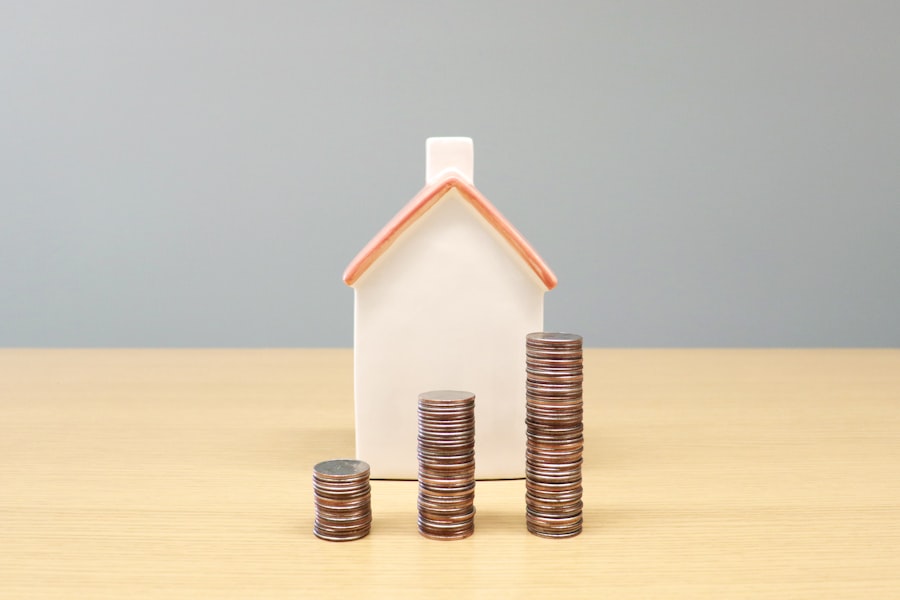
Your housing costs don’t just dictate your finances; they ripple outwards, influencing your lifestyle choices, your career decisions, and your long-term financial planning.
The “Lifestyle Creep” Driven by Housing
High housing costs can inadvertently create a “lifestyle creep” that’s hard to escape. To afford a desirable location or a larger home, you might have to forgo other expenses, like travel, hobbies, or even saving for retirement. Conversely, if you’ve significantly upgraded your housing to a level that’s a stretch, you might feel compelled to maintain a certain lifestyle to justify the expense, leading to overspending in other areas to “keep up appearances.”
Sacrificing Other Financial Goals
When your mortgage or rent payment is a behemoth, other financial goals often take a backseat. Saving for your children’s education, building an investment portfolio, or even contributing adequately to retirement can become secondary to ensuring you can meet your housing obligations. This can lead to a situation where you’re financially secure in your home but lagging in other critical areas of wealth building, potentially creating future financial vulnerabilities.
Career and Location Decisions Tied to Housing
The overwhelming cost of housing in certain desirable areas can force you into making difficult career or location decisions. You might feel compelled to take a higher-paying job in an expensive city, even if it’s not your ideal career path, simply to afford to live there. Or, you might sacrifice career advancement opportunities by choosing to live in a more affordable area that offers fewer professional development prospects. This compromises potential for higher future earnings, which are a cornerstone of wealth building.
The “Golden Handcuffs” of an Expensive Area
Living in an area with exceptionally high housing costs can create “golden handcuffs.” You might be earning a good salary, but a significant portion is directly consumed by your housing payment. This can make it incredibly difficult to transition to a lower-paying but more fulfilling career, or to take a sabbatical for personal growth or further education, as the financial cushion to do so is non-existent. Your financial freedom is tethered to your ability to earn a high income to support your expensive abode.
Housing costs play a significant role in shaping an individual’s ability to build wealth over time, as high expenses can limit savings and investment opportunities. For a deeper understanding of this topic, you can explore how various factors influence wealth accumulation in the article found here. By examining the relationship between housing affordability and financial growth, readers can gain insights into effective strategies for navigating the housing market while still prioritizing wealth-building goals.
Strategies for Mitigating the Impact and Building Wealth
| Factors | Impact on Wealth Building |
|---|---|
| High Housing Costs | Can reduce disposable income available for saving and investing |
| Low Housing Costs | Can free up more money for saving and investing |
| Homeownership | Can build equity over time and contribute to long-term wealth |
| Rising Housing Prices | Can increase overall net worth for homeowners |
| Declining Housing Prices | Can decrease overall net worth for homeowners |
While the impact of housing costs on wealth building is undeniable, you are not powerless. By understanding these forces, you can implement strategies to mitigate their negative effects and still forge a path towards financial security.
Strategic Choices in Housing Acquisition and Maintenance
Your decisions around housing are paramount. Even with high costs, smart choices can make a significant difference. This involves careful consideration of location, property type, and ongoing expenditures.
Renting Smartly and Maximizing Savings
If renting is your current reality, focus on minimizing your rent burden. Consider less expensive neighborhoods, roommates, or smaller living spaces. Crucially, every dollar saved on rent should be aggressively channeled into savings and investments. Set up automatic transfers to your investment accounts the moment you get paid. Treat your rent savings as a mandatory investment contribution.
Becoming a First-Time Homebuyer Strategically
When you’re ready to buy, explore all your options. Look at starter homes, consider fixer-uppers you can improve over time, or explore less-hyped but up-and-coming neighborhoods. Research first-time homebuyer programs and grants that can reduce your upfront costs. Don’t overextend yourself; aim for a mortgage payment that comfortably fits your budget, leaving room for savings and other financial goals.
Owning for the Long Haul and Smart Renovations
If you own, the key is to view your home as an investment. Maintain it diligently to preserve its value and avoid costly emergency repairs. When undertaking renovations, prioritize those that add value and appeal, rather than purely cosmetic upgrades that don’t offer a return. Consider the long-term tax implications of improvements. Refinancing your mortgage at a lower interest rate can also free up monthly cash flow.
Diversification Beyond Your Primary Residence
Your home is a significant asset, but relying solely on it for wealth building can be risky. It’s crucial to diversify your investments beyond your primary residence.
Investing in the Stock Market and Other Assets
While your home equity may grow, the stock market has historically provided higher returns over the long term. Consider investing in diversified index funds, ETFs, or individual stocks. Explore other asset classes like bonds, real estate investment trusts (REITs), or even starting a side business. The more diverse your income streams and assets are, the more resilient your wealth-building efforts will be.
Building Multiple Streams of Income
Increasing your income is a direct way to counteract the impact of high housing costs. Explore opportunities for side hustles, freelance work, or passive income streams. This extra income can be funneled directly into savings and investments, accelerating your wealth-building journey and providing a buffer against housing-related financial pressures.
Financial Planning and Budgeting with Housing as a Priority
Effective financial planning and budgeting are non-negotiable. You need to have a clear understanding of where your money is going.
Creating a Realistic Budget that Accounts for Housing
Develop a detailed budget that explicitly outlines your housing costs and then allocates the remaining funds to savings, investments, debt repayment, and discretionary spending. Track your expenses diligently to identify areas where you can cut back and reallocate those funds towards wealth-building goals.
Setting Tangible Savings and Investment Goals
Define specific, measurable, achievable, relevant, and time-bound (SMART) financial goals. Whether it’s saving for a down payment, contributing a certain amount to your retirement annually, or building an emergency fund, having clear targets will motivate you and keep you focused on the path to wealth.
The relationship between housing costs and wealth building is a complex dance, often feeling like a constant uphill battle. But by understanding the nuances, acknowledging the challenges you face, and implementing strategic, informed choices, you can, and will, build your financial future. It requires diligence, discipline, and a proactive approach, but the reward of financial security and freedom is well within your reach. Your home can be a foundation, not a ceiling, to your wealth.

The House You Can Afford—but Can’t Leave
FAQs
1. How do housing costs affect wealth building?
Housing costs can significantly impact wealth building as they can consume a large portion of a household’s income, leaving less money available for saving and investing. Additionally, high housing costs can make it difficult for individuals to afford a down payment on a home, which is a key factor in building wealth through homeownership.
2. What are the long-term effects of high housing costs on wealth building?
High housing costs can lead to a situation where individuals are unable to accumulate savings or assets, which can hinder their ability to build wealth over time. This can result in a lack of financial security and limited opportunities for wealth accumulation through homeownership and property appreciation.
3. How do housing costs impact the ability to invest in other assets?
High housing costs can limit the ability of individuals to invest in other assets such as stocks, bonds, and retirement accounts. This can result in a missed opportunity to diversify their investment portfolio and potentially achieve higher returns, which are essential for long-term wealth building.
4. What are some strategies for managing housing costs to support wealth building?
Some strategies for managing housing costs to support wealth building include budgeting for housing expenses, considering more affordable housing options, negotiating rent or mortgage terms, and exploring opportunities to refinance or downsize. Additionally, investing in home improvements that can increase property value can also contribute to wealth building.
5. How can policy and economic factors impact housing costs and wealth building?
Policy and economic factors such as interest rates, housing supply and demand, and government housing programs can significantly impact housing costs and, in turn, wealth building. For example, low interest rates can make homeownership more affordable, while housing market fluctuations can affect property values and the ability to build wealth through real estate.