
You’ve probably noticed it yourself. The way you handle your money, the ease with which you can pay for things, the very impulse to buy – it’s all been subtly, and sometimes not-so-subtly, reshaped by a quiet revolution. This revolution, driven by Financial Technology, or FinTech, has woven itself into the fabric of your daily life, profoundly impacting your spending habits. Gone are the days when a physical wallet and a trip to the bank were the sole arbiters of your financial transactions. Now, your smartphone is your gateway to a world of instant payments, personalized financial advice, and a spectrum of spending options that were unimaginable even a decade ago. This isn’t just about convenience; it’s about a fundamental shift in how you perceive, manage, and ultimately, spend your money.
The most visible and arguably the most impactful change FinTech has brought to your spending habits lies in the proliferation of the digital wallet. Gone are the days of fumbling for cash or swiping plastic cards. Your phone, a device you carry everywhere, has become your primary payment tool. This seamless integration of payment into your daily device has dramatically lowered the barrier to making a purchase, leading to a noticeable shift in how you spend.
The Allure of Contactless and One-Tap Payments
Think about it. A quick tap of your phone at the checkout counter, a brief authentication, and your transaction is complete. This frictionless experience is incredibly seductive. There’s no need to count change, sign receipts, or even pull out a physical card. This ease of use can, however, lead to a disconnect from the actual act of spending. When money moves so effortlessly, it can feel less tangible, making it easier to overspend without fully registering the outflow. You might find yourself making impulse purchases more readily because the cognitive load of paying is so minimal.
The Rise of Buy Now, Pay Later (BNPL)
FinTech has also democratized access to credit through Buy Now, Pay Later services. Platforms like Klarna, Afterpay, and Affirm allow you to split purchases into manageable installments, often without interest. This has fundamentally altered your approach to larger purchases. Instead of saving up for that new gadget or piece of furniture, you can have it now and pay for it over time. While this can be a useful tool for managing cash flow, it also encourages immediate gratification. You might be more inclined to buy something you might not have been able to afford outright previously, potentially leading to accumulating debt if not managed carefully. The psychological effect is powerful: the immediate reward outweighs the future obligation.
The Psychological Impact of Reduced Physical Currency
The diminishing role of physical cash is another significant factor. When you handle cash, you can see your money dwindling. Each bill you hand over represents a concrete reduction in your available funds. Digital transactions, on the other hand, are abstract. You see numbers change on a screen, which can create a psychological buffer, making it easier to spend more. The tangible act of handing over a banknote is a powerful reminder of the cost of an item, a reminder that is largely absent in the world of contactless payments and online purchases. This lack of physical feedback can contribute to a phenomenon known as “mental accounting,” where you might subconsciously treat digital money differently from physical cash, leading to less mindful spending.
The rise of financial technology has significantly transformed the way consumers approach spending, making transactions more efficient and accessible than ever before. For a deeper understanding of this evolution and its implications on personal finance, you can explore a related article that discusses various fintech innovations and their impact on consumer behavior. To read more, visit How Wealth Grows.
Personalized Finance: Budgeting and Tracking Become Intuitive
Beyond the point of sale, FinTech has revolutionized how you manage your money. Gone are the days of cumbersome spreadsheets or expensive budgeting software. Your smartphone now hosts a plethora of apps designed to make tracking expenses, setting budgets, and understanding your financial health incredibly intuitive and accessible.
AI-Powered Budgeting Tools and Insights
Many FinTech budgeting apps leverage Artificial Intelligence (AI) to automatically categorize your spending, identify patterns, and provide personalized insights. You can set spending limits for different categories, and the app will alert you when you’re approaching them. This proactive approach helps you stay within your budget and make more informed spending decisions. Instead of manually tracking every coffee or subscription, the app does it for you, freeing up your mental energy to focus on why you’re spending and whether it aligns with your goals. These tools can reveal spending habits you might not have been aware of, such as that recurring subscription you forgot about or the consistent overspending on dining out.
Real-time Expense Tracking and Financial Dashboards
The ability to see exactly where your money is going in real-time is a game-changer. FinTech apps provide clear, visual dashboards that break down your spending by category, merchant, and even time period. This immediate feedback loop allows you to adjust your spending on the fly. If you see you’ve spent more on entertainment than anticipated, you can consciously cut back in that area for the rest of the month. This level of transparency empowers you to take control of your finances and make more conscious choices about your spending. The constant stream of data can also foster a greater sense of accountability for your financial actions.
Gamification of Savings and Financial Goals
Some FinTech platforms employ gamification techniques to make saving and managing money more engaging. They might offer rewards for hitting savings milestones, friendly competitions with friends, or progress trackers that visually represent your journey towards financial goals. This playful approach can make managing your money feel less like a chore and more like a rewarding activity, encouraging more consistent and disciplined spending habits aligned with your aspirations. The intrinsic motivation derived from achieving these gamified goals can translate into more mindful saving and therefore, more controlled spending.
The Rise of the Subscription Economy: Recurring Commitments and Lifestyle Changes
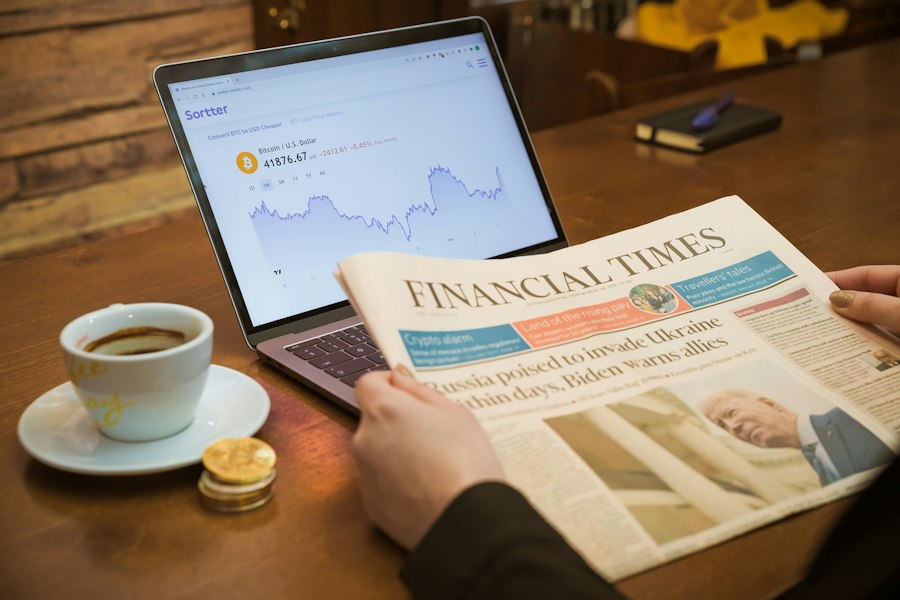
FinTech has been a key enabler of the subscription economy, a model where you pay a recurring fee for access to a service, product, or content. This has fundamentally altered how you consume many goods and services, leading to a new set of spending habits.
Unpacking the Convenience of Subscription Services
From streaming services like Netflix and Spotify to meal kit deliveries and cloud storage, subscriptions offer unparalleled convenience. You rarely have to think about renewing them; they simply renew automatically. This ease of access means you’re likely to maintain subscriptions you might otherwise let lapse, leading to a steady, albeit sometimes unnoticed, outflow of funds. The “set it and forget it” nature of subscriptions can be a double-edged sword, contributing to a significant portion of your monthly expenditure without requiring active decision-making each time.
The Cumulative Impact of Multiple Subscriptions
The allure of individual subscription services is undeniable, but their cumulative impact can be substantial. You might subscribe to several streaming platforms, multiple productivity apps, and a few niche content services. Individually, each subscription might seem affordable, but when added together, they can represent a significant chunk of your budget. FinTech tools that help you visualize your recurring expenses are crucial for understanding this hidden cost. You might discover that your total monthly subscription spend is far higher than you realized, prompting a re-evaluation of which services truly add value. This awareness is critical for preventing subscription creep, a silent drain on your finances.
The Shifting Perception of Ownership vs. Access
The subscription model also represents a shift in your perception of ownership. Instead of buying a DVD or a CD, you now pay for access to a library of content. Instead of buying software outright, you subscribe to a service. This has made it easier to access a wider range of products and services, but it also means you’re perpetually renting rather than owning. This shift can influence your spending in subtle ways, making you more accustomed to recurring payments and less inclined to invest in physical assets. The focus moves from long-term ownership to ongoing access, which can alter your financial priorities and the types of purchases you make.
FinTech and the Influence of Behavioral Economics: Nudges and Incentives
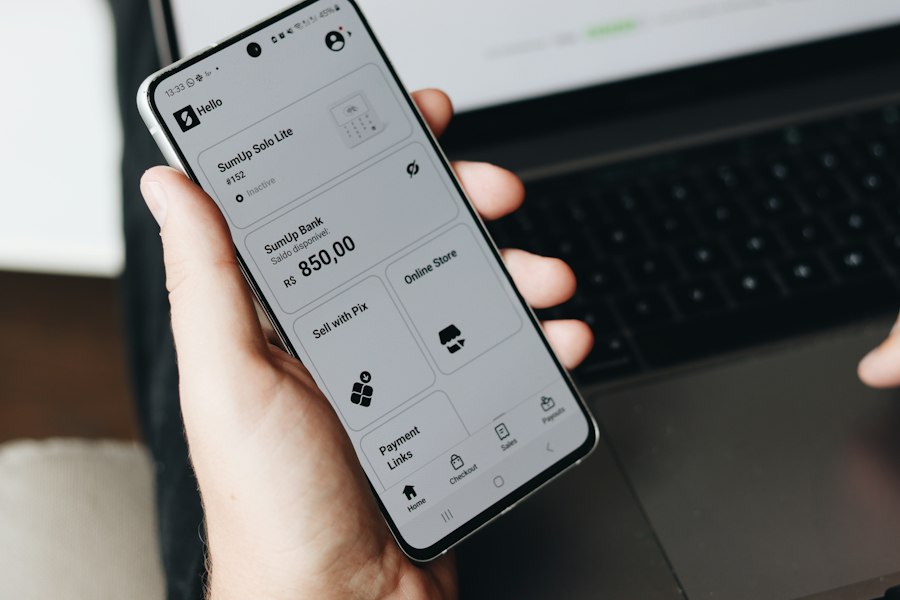
FinTech platforms are increasingly leveraging principles from behavioral economics to influence your spending habits. These “nudges” and incentives are designed to subtly guide your financial decisions, often for your perceived benefit, but sometimes with unintended consequences.
The Power of Defaults and Pre-selected Options
FinTech platforms often use default settings to steer your behavior. For example, when signing up for a new service, pre-selected opt-ins for premium features or automatic renewal can lead you to spend more than you might have intended if you were required to actively choose them. Understanding these defaults and taking the time to customize settings can prevent unintended expenses. The psychological principle of inertia plays a significant role here; it’s often easier to stick with the default than to change it.
Personalized Offers and Targeted Advertising
Your spending data is invaluable to FinTech companies and the businesses they partner with. This data allows for highly personalized offers and targeted advertising. You might receive discounts on products similar to those you’ve previously purchased or promotions for services that align with your spending patterns. While these offers can lead to savings, they also play on your existing preferences and can encourage impulse buying by presenting opportunities that feel too good to resist. The constant barrage of personalized offers can make it harder to distinguish genuine needs from manufactured desires.
The Impact of Social Proof and Peer Recommendations
FinTech platforms often incorporate social features, allowing you to see what your friends are spending on or sharing your financial achievements. This taps into the power of social proof, influencing your spending decisions based on what others are doing. If you see friends enthusiastically recommending a new app or service, you’re more likely to try it, potentially leading to new spending habits. While peer recommendations can be valuable, it’s important to critically assess whether these purchases truly align with your own needs and financial goals, rather than simply following the crowd. The desire to keep up with peers can be a powerful, and sometimes costly, motivator.
Financial technology is revolutionizing the way consumers manage their spending habits, making transactions more seamless and efficient. With the rise of mobile payment apps and budgeting tools, individuals are now able to track their expenses in real-time, leading to more informed financial decisions. For a deeper understanding of how these advancements are reshaping our financial landscape, you can explore a related article that discusses the impact of fintech on personal finance management. This insightful piece can be found here.
The Future of Spending: Emerging Trends and Your Evolving Habits
| Metric | Before Financial Technology | After Financial Technology | Impact |
|---|---|---|---|
| Average Monthly Spending Tracking | Manual tracking, often inaccurate | Automated real-time tracking via apps | Improved budgeting and awareness |
| Use of Credit vs. Debit | Predominantly cash and debit cards | Increased use of digital credit and buy-now-pay-later | Higher spending flexibility, potential for overspending |
| Transaction Speed | Minutes to days for some payments | Instant or near-instant payments | Faster purchasing decisions |
| Access to Financial Services | Limited to banks and physical locations | 24/7 access via mobile apps and online platforms | Increased financial inclusion and spending opportunities |
| Spending Insights | Minimal or no insights | Personalized spending reports and alerts | Better control over expenses |
| Payment Methods | Cash, checks, cards | Mobile wallets, contactless payments, cryptocurrencies | More convenience and diverse options |
The FinTech landscape is constantly evolving, and with it, your spending habits will continue to transform. Emerging technologies promise even more sophisticated ways to interact with your money and make purchasing decisions.
The Metaverse and Decentralized Finance (DeFi)
As the metaverse develops, you might find yourself spending money on virtual goods, digital real estate, and unique experiences within these immersive digital worlds. Decentralized Finance (DeFi), built on blockchain technology, is also poised to disrupt traditional financial systems, potentially offering new ways to earn, save, and spend. These innovations will introduce entirely new categories of spending and require you to develop new financial literacy to navigate. The concept of tangible value and ownership in the digital realm is something you’ll increasingly grapple with.
Biometric Payments and Hyper-Personalized Experiences
Future payment methods might go beyond your phone, utilizing biometrics like facial recognition or fingerprint scanning for even more seamless transactions. Coupled with AI, this could lead to hyper-personalized shopping experiences where your preferences and needs are anticipated before you even articulate them. This level of personalization could make spending incredibly convenient, but it also raises questions about data privacy and the potential for over-reliance on algorithmic guidance for your financial choices. The lines between suggestion and compulsion could blur.
The Growing Importance of Financial Wellness Tools
As FinTech continues to empower you with greater financial control, there will be an increasing emphasis on tools that promote holistic financial wellness. This goes beyond just budgeting and saving; it encompasses making conscious choices that align with your values and long-term well-being. You’ll likely see more FinTech solutions that integrate financial planning with mental health resources and sustainable spending initiatives. The future of spending isn’t just about how much you spend, but why and how it contributes to your overall life satisfaction. Your evolving spending habits will be a reflection of this broader understanding of financial health.

Why $800 Doesn’t Feel Like $800 Anymore
FAQs
What is financial technology (fintech)?
Financial technology, or fintech, refers to the use of technology to improve and automate financial services. This can include mobile banking, investing apps, payment platforms, and more.
How does fintech change spending habits?
Fintech can change spending habits by providing users with real-time insights into their finances, personalized budgeting tools, and automated savings features. This can help individuals make more informed decisions about their spending and save money.
What are some examples of fintech tools that impact spending?
Examples of fintech tools that impact spending include budgeting apps like Mint and YNAB, investment platforms like Robinhood and Acorns, payment apps like Venmo and PayPal, and digital wallets like Apple Pay and Google Pay.
Is fintech safe to use for managing finances?
Fintech companies are required to adhere to strict security measures to protect users’ financial information. It is important to use reputable fintech services and follow best practices for online security, such as using strong passwords and enabling two-factor authentication.
How can individuals benefit from using fintech for spending?
Individuals can benefit from using fintech for spending by gaining better visibility and control over their finances, automating savings and investments, accessing lower fees and better rates, and enjoying the convenience of digital payment options.