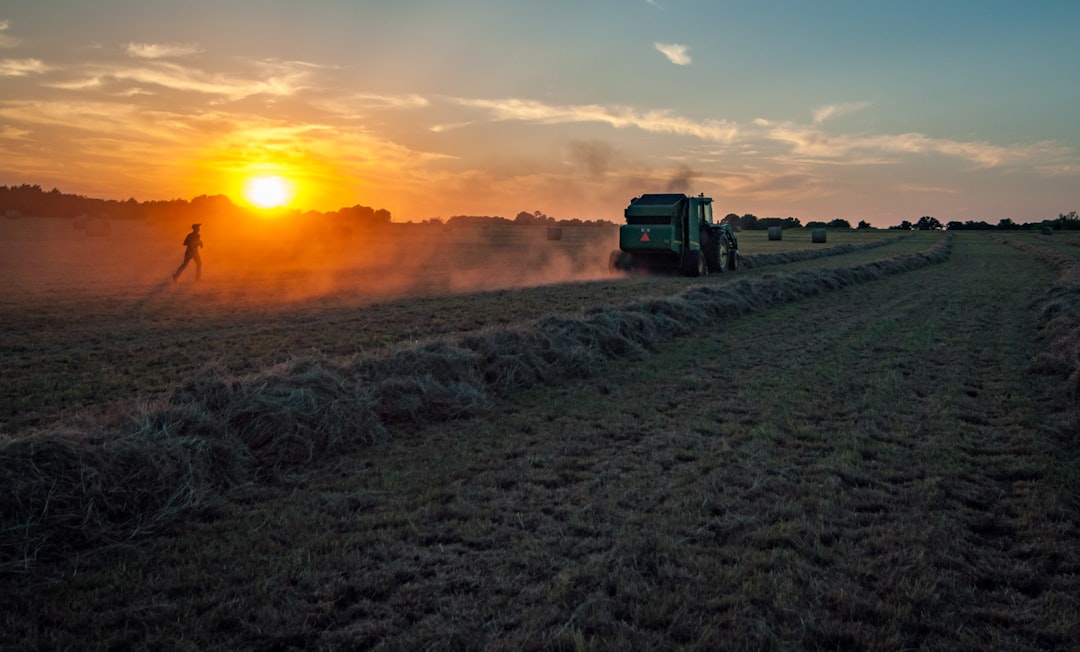
Imagine your grocery cart as a simple equation. On one side, you have the fresh produce, the dairy, the meat, and the grains that nourish your household. On the other side, you have the dollars and cents you exchange for them. What you might not always consider is that a significant, often invisible, variable in this equation is farmland itself. It’s the foundational bedrock upon which your entire food system rests, and its health, accessibility, and productivity directly translate into fluctuations in the prices you see at the checkout counter.
The relationship between farmland and your grocery costs is a complex web of agricultural economics, environmental factors, and global markets. This article will untangle some of these threads, offering you a clearer understanding of how the very ground we grow our food on shapes the affordability of your next meal. Learn more about the financialization of American agriculture and its impact on the economy.
Think of farmland as an irreplaceable natural resource. Like oil or precious metals, its supply is inherently limited. This fundamental scarcity principle is a powerful driver of its value, and consequently, the cost of the food it produces.
Urbanization and Agricultural Land Loss
One of the most pressing threats to finite farmland is the relentless march of urbanization. As cities expand, they often do so into fertile agricultural belts, converting productive land into housing developments, industrial parks, and infrastructure.
- Paving Over Paradise: When a sprawling suburb replaces a cornfield, that land is permanently removed from agricultural production. This reduction in available land for farming diminishes the overall capacity to produce food, creating upward pressure on prices. You are effectively competing with developers for the same valuable acreage.
- Increased Land Prices: The demand from urban expansion drives up the price of remaining agricultural land. Farmers, especially new ones, face higher acquisition costs, which are then often passed on to consumers through higher food prices.
- Infrastructure Demands: Expanding urban areas also require new roads, utilities, and services, further encroaching on agricultural land and fragmenting existing farms, making them less efficient to operate.
Competition from Non-Food Crops
Farmland isn’t solely dedicated to feeding people. A growing sector of agriculture focuses on non-food crops, diverting valuable land and resources away from direct human consumption.
- Biofuels: The push for renewable energy has led to a significant portion of agricultural land being used to grow crops like corn and soybeans for biofuel production. This directly competes with food production, tightening supply and increasing the cost of these staple crops, which are also used in countless processed foods.
- Animal Feed: A vast amount of arable land is dedicated to growing feed for livestock. While this eventually contributes to your meat and dairy consumption, the efficiency of converting crops to animal products is often much lower than direct human consumption, consuming more land per caloric output.
- Industrial Crops: Cotton, rubber, and various industrial fibers also occupy significant agricultural acreage. While essential for other industries, their cultivation can impact the availability and affordability of land for food production.
The relationship between farmland and grocery bills is a crucial topic for consumers looking to understand the factors that influence food prices. An insightful article that delves into this connection can be found at How Farmland Affects Your Grocery Bill. This piece explores how agricultural practices, land availability, and market demand directly impact the cost of food items in our local stores, providing valuable information for anyone interested in the economics of food production.
Environmental Factors and Agricultural Productivity
Farmland is not a static canvas; it’s a living, breathing ecosystem. Its productivity is inextricably linked to environmental conditions, and disruptions in these conditions can send ripples through your grocery bill.
Climate Change and Extreme Weather Events
Climate change is perhaps the most significant long-term threat to agricultural stability and affordability. Its effects are multifaceted and increasingly severe.
- Droughts: Prolonged periods of insufficient rainfall can devastate crops, reduce pasture land for livestock, and deplete water reserves for irrigation. You’ve likely seen how droughts in California or the Midwest can impact the price of fruits, vegetables, and beef across the country.
- Floods: Conversely, excessive rainfall and flooding can wash away topsoil, destroy standing crops, and prevent planting. The resulting scarcity of affected produce drives up prices.
- Temperature Extremes: Both excessively high and low temperatures can stress crops, reduce yields, and impact livestock health. Delicate specialty crops are particularly vulnerable to sudden temperature swings.
- Shifting Growing Seasons: Climate change is altering traditional growing seasons, forcing farmers to adapt to new planting and harvesting schedules, or even to relocate production to different regions, incurring additional costs.
Soil Health and Degradation
Healthy soil is the foundation of productive agriculture. When soil health declines, so does its capacity to grow food efficiently.
- Erosion: Wind and water erosion can strip away nutrient-rich topsoil, leaving behind less fertile ground. This forces farmers to use more fertilizers and other inputs, increasing their operating costs and, ultimately, your food prices.
- Nutrient Depletion: Continuous cropping without proper soil management can deplete essential nutrients. Replenishing these nutrients through synthetic fertilizers is costly and can have environmental drawbacks.
- Salinization: In arid regions, improper irrigation can lead to the accumulation of salts in the soil, rendering it infertile. This process can take large tracts of land out of production permanently.
- Loss of Organic Matter: Organic matter is crucial for soil structure, water retention, and nutrient cycling. Practices that deplete organic matter make soil less resilient and productive, requiring more intensive management.
Water Availability
Water is the lifeblood of agriculture. Its scarcity or contamination directly impacts the cost of production.
- Depleting Aquifers: Many agricultural regions rely on groundwater from aquifers, which are being depleted faster than they can recharge. This unsustainable practice leads to higher pumping costs for farmers and potential future water crises that will undoubtedly raise food prices.
- Water Rights and Allocation: Competition for water resources between agriculture, urban areas, and industry can lead to increased costs for farmers or restrictions on water use, impacting yields.
- Water Quality: Contaminated water sources can affect crop health and food safety, requiring additional treatment or leading to crop losses.
Agricultural Practices and Input Costs
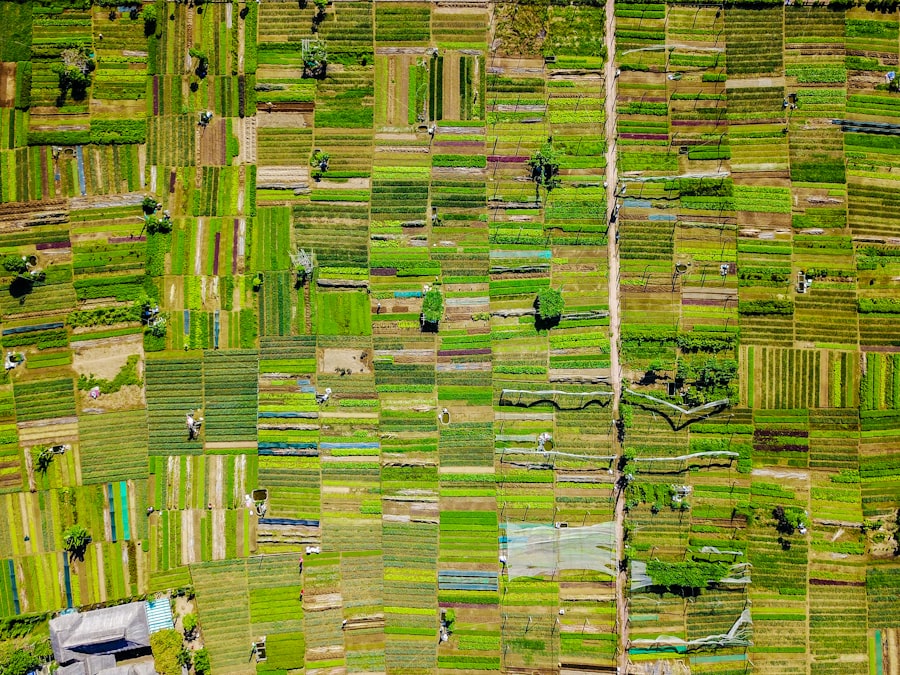
The way food is grown and the materials used in its production have a direct bearing on your grocery bill. Modern agriculture, while highly productive, often relies on practices with significant input costs.
Fertilizers and Pesticides
These chemical inputs are essential for maintaining high yields in conventional agriculture, but their production and application come at a price.
- Fossil Fuel Dependence: The production of synthetic fertilizers, particularly nitrogen fertilizers, is extremely energy-intensive, relying heavily on natural gas. Fluctuations in energy prices, therefore, directly impact fertilizer costs.
- Global Supply Chains: Many agricultural chemicals are produced in specific regions or by a limited number of companies, making their prices susceptible to global supply chain disruptions, geopolitical events, and currency fluctuations.
- Environmental Regulations: Stricter environmental regulations on the use and runoff of fertilizers and pesticides can increase compliance costs for farmers, which may be passed on to consumers.
- Resistance Development: Overuse of pesticides can lead to pest resistance, requiring farmers to use stronger or more expensive chemicals, or to adopt alternative, potentially more labor-intensive, control methods.
Seeds and Biotechnology
The quality and cost of seeds play a crucial role in determining yields and, consequently, food prices.
- Proprietary Seeds: A significant portion of the agricultural seed market is dominated by a few large corporations. These companies invest heavily in research and development to produce high-yielding, disease-resistant, or herbicide-tolerant varieties, but these innovations often come with a premium price for farmers.
- Genetically Modified Organisms (GMOs): While GMOs can offer advantages in terms of pest resistance, herbicide tolerance, or increased nutritional value, the development and regulatory approval processes are costly. These costs are often reflected in seed prices.
- Seed Saving Restrictions: Many proprietary seeds come with agreements preventing farmers from saving seeds for future plantings. This forces annual seed purchases, contributing to ongoing input costs.
Machinery and Energy Costs
Modern farming is a highly mechanized endeavor, and the cost of operating this machinery is a substantial line item for farmers.
- Fuel Prices: Tractors, harvesters, and other farm equipment consume vast amounts of fuel. Volatility in global oil prices directly translates into higher operational costs for farmers, impacting the price of your food.
- Equipment Maintenance and Replacement: Agricultural machinery is expensive to purchase, maintain, and replace. These capital costs are factored into the overall cost of production.
- Precision Agriculture Technology: While technologies like GPS-guided tractors and drones can improve efficiency and reduce input waste, the initial investment in such systems can be substantial, and these costs are ultimately amortized into the price of food.
Government Policies and Agricultural Subsidies

Government interventions, whether through subsidies, tariffs, or regulatory frameworks, can significantly alter the economic landscape for farmers and, in turn, influence your grocery bills.
Agricultural Subsidies
Subsidies are financial payments or other forms of support extended to farmers to supplement their income, manage commodity prices, and ensure a stable food supply.
- Price Stabilization: Subsidies can help stabilize commodity prices for farmers, protecting them from extreme market fluctuations. While this can prevent sudden price surges for consumers, it can also lead to overproduction of certain crops, potentially distorting market signals.
- Crop Insurance: Government-backed crop insurance programs help farmers mitigate losses due to natural disasters or poor market conditions. This safety net can prevent individual farm failures, but the cost of these programs is borne by taxpayers and can indirectly influence commodity prices.
- Conservation Programs: Some subsidies incentivize farmers to adopt environmentally friendly practices, which can improve soil health and water quality in the long run. While these are beneficial, they represent a cost that can be passed on to the consumer or taxpayer.
Trade Policies and Tariffs
International trade agreements and tariffs can significantly impact the availability and price of imported food and the competitiveness of domestic produce.
- Import Tariffs: Taxes on imported agricultural goods can protect domestic producers by making foreign products more expensive. However, this also means consumers pay more for those imported goods, or they face higher prices for domestic alternatives due to reduced competition.
- Export Subsidies: Some countries subsidize their agricultural exports, allowing them to sell food products on the global market at prices below their true cost of production. This can make imported food cheaper in some markets but can also depress prices for domestic farmers in other countries.
- Trade Agreements: Free trade agreements can reduce tariffs and trade barriers, potentially leading to lower prices for imported foods and greater variety for consumers. However, they can also expose domestic farmers to increased competition.
Land Use Regulations
Zoning laws, environmental protections, and other regulations influence how farmland can be used and managed.
- Conservation Easements: Programs that encourage farmers to place their land under conservation easements can protect valuable farmland from development, ensuring its long-term availability for agriculture. This can, however, limit the immediate financial returns for farmers.
- Environmental Compliance: Regulations related to water quality, pesticide use, and animal welfare can increase operational costs for farmers as they invest in compliant practices and technologies.
- Development Restrictions: Zoning ordinances that restrict urban sprawl into agricultural areas are crucial for preserving farmland. While they may increase the cost of land for urban development, they prevent the permanent loss of productive agricultural land.
The relationship between farmland and grocery bills is an intricate one, as the availability and quality of agricultural land directly influence food prices. Factors such as crop yields, farming practices, and land use policies can all play a significant role in determining how much consumers pay at the checkout. For a deeper understanding of how these elements interact and affect your overall grocery expenses, you might find this article on economic trends in agriculture insightful. You can read more about it here.
Market Dynamics and Supply Chains
| Factor | Impact on Grocery Bill | Explanation |
|---|---|---|
| Local Farmland Availability | Lower Costs | Proximity reduces transportation and storage costs, leading to fresher produce and lower prices. |
| Crop Yield per Acre | Variable Costs | Higher yields can reduce the cost per unit of food, lowering grocery bills. |
| Farming Practices (Organic vs Conventional) | Higher Costs for Organic | Organic farming often requires more labor and lower yields, increasing prices. |
| Farmland Size and Efficiency | Lower Costs with Larger Farms | Economies of scale in larger farms can reduce production costs and grocery prices. |
| Climate and Soil Quality | Cost Fluctuations | Good climate and soil improve productivity, stabilizing or lowering prices. |
| Use of Technology | Lower Costs | Advanced technology increases efficiency and reduces waste, lowering grocery bills. |
Even with abundant, healthy farmland, the journey from field to fork involves a complex network of intermediaries, each adding costs that ultimately fall to you, the consumer.
Transportation and Logistics
Moving food from farm to processing plants, distribution centers, and finally to your local grocery store is a massive logistical undertaking.
- Fuel Costs: As discussed earlier, fuel prices are a major component of transportation costs for agricultural goods, influencing both domestic and international shipping.
- Infrastructure: A well-maintained road, rail, and port infrastructure is essential for efficient food distribution. Bottlenecks, congestion, or damage to this infrastructure can lead to delays and increased costs.
- Refrigeration and Specialized Handling: Many agricultural products, particularly fresh produce, dairy, and meat, require refrigerated transport and specialized handling to maintain quality and prevent spoilage. These requirements add significantly to logistics costs.
- Labor Costs: The wages of truck drivers, warehouse workers, and other logistics personnel contribute to the overall cost of getting food to market.
Processing and Packaging
Few raw agricultural products arrive directly on your plate. Most undergo some form of processing and are packaged for sale.
- Energy Consumption: Food processing plants are often energy-intensive, relying on electricity and natural gas for various operations.
- Labor Costs: Processing, sorting, cleaning, and packaging foods require a significant workforce.
- Packaging Materials: The cost of packaging materials—plastics, cardboard, glass—can be substantial, especially for single-serving or elaborately packaged items. Environmental concerns related to packaging also drive innovation and potentially higher costs for sustainable alternatives.
- Food Safety and Quality Control: Strict food safety regulations and quality control measures are essential but add layers of cost throughout the processing chain.
Retail Markups and Profits
The final stage in the food journey involves the retailers who present the products to you. Their operational costs and profit margins contribute to the prices you pay.
- Store Overhead: Rent, utilities, insurance, and maintenance for grocery stores are significant expenses.
- Labor Costs: The wages and benefits for store employees—stockers, cashiers, managers—are a major operational cost.
- Marketing and Advertising: Grocery stores invest in marketing and advertising to attract customers, and these costs are factored into pricing.
- Shrinkage and Spoilage: The inevitable loss of product due to spoilage, damage, or theft (shrinkage) is a factor that retailers account for in their pricing strategies.
The Future of Farmland and Your Food Bill
As you can see, the connection between farmland and your grocery costs is intricate and multifaceted. It’s a dynamic relationship constantly influenced by economic forces, environmental pressures, and human decisions.
Looking ahead, you can expect these influences to intensify. Climate change will continue to challenge agricultural resilience, global populations will demand more food from limited land, and competition for resources will only grow sharper. Understanding these dynamics is not just an academic exercise; it empowers you as a consumer.
By appreciating the value of farmland, supporting sustainable agricultural practices, and recognizing the true costs embedded in your food, you become a more informed participant in the food system. The choices made today regarding land use, environmental protection, and agricultural innovation will determine the affordability and accessibility of food for generations to come, directly impacting the contents of your grocery cart tomorrow.
WATCH THIS! ⚠️💰🌾 Why Wall Street Is Buying Up America’s Farmland (And Why It Should Terrify You)
FAQs
How does farmland impact the cost of groceries?
Farmland is essential for growing crops and raising livestock, which are primary sources of food. The productivity and availability of farmland directly influence food supply, affecting prices at the grocery store. When farmland is abundant and fertile, food production is higher, often leading to lower grocery bills. Conversely, limited or degraded farmland can reduce food supply and increase costs.
Why is farmland important for food production?
Farmland provides the space and soil necessary for cultivating fruits, vegetables, grains, and raising animals. It supports the agricultural processes that produce the raw materials for most grocery items. Without sufficient farmland, food production would decline, leading to shortages and higher prices.
Can changes in farmland size affect grocery prices?
Yes, changes in the amount of available farmland can impact grocery prices. If farmland decreases due to urban development, soil degradation, or climate change, food production may drop, causing prices to rise. Conversely, expanding or improving farmland can increase food supply and help stabilize or reduce grocery costs.
How do farming practices influence grocery bills?
Farming practices such as crop rotation, sustainable agriculture, and efficient resource use can improve soil health and crop yields, potentially lowering food production costs. These savings can be passed on to consumers through lower grocery prices. Unsustainable practices may degrade farmland, reduce yields, and increase costs.
Does farmland location affect grocery prices?
Yes, the location of farmland can influence transportation costs and food freshness, which affect grocery prices. Farmland closer to urban centers may reduce shipping expenses and spoilage, potentially lowering prices. Remote farmland might increase transportation costs, contributing to higher grocery bills.
How do environmental factors related to farmland affect grocery bills?
Environmental factors such as drought, flooding, and soil erosion can reduce farmland productivity, leading to lower food supply and higher grocery prices. Climate change can exacerbate these issues, making food production less predictable and potentially more expensive.
Are there policies that affect farmland and grocery prices?
Government policies on land use, subsidies, and agricultural support can influence farmland availability and farming costs. Policies promoting farmland conservation and sustainable agriculture can help maintain food supply and stabilize grocery prices. Conversely, restrictive or poorly designed policies may limit farmland use and increase costs.