You might not see it directly outside your window, but economic inequality is subtly, insidiously, shaping the very roofs over your head. It’s not just a matter of some people having more money than others; it’s a fundamental force that dictates who can afford what kind of housing, where they can live, and even the quality of the communities they inhabit. You’re living in a world where disparities in wealth and income are widening, and this seismic shift is profoundly impacting the housing landscape you experience every day.
Understanding this impact requires looking beyond the individual price tags of homes. It’s about recognizing the systemic forces at play, the historical contexts, and the ripple effects that touch every facet of housing, from the availability of affordable options to the character and stability of entire neighborhoods. You may feel it in the rising rents, the difficulty of homeownership, or the visible segregation in your city, but the roots of these issues run deep into the complex soil of economic inequality.
This exploration will delve into the multifaceted ways this inequality manifests, affecting your access to housing, the stability of your living situation, and the very fabric of your community. You’ll discover how the concentration of wealth at the top creates a domino effect, pushing those with less to the margins, and how this, in turn, reshapes the housing market for everyone.
You’ve likely heard the statistics: the richest percentile hoarding an ever-increasing share of global wealth, while the middle and lower classes struggle to keep pace. This growing chasm in income and wealth isn’t just an abstract economic concept; it has very tangible consequences for your ability to secure and maintain adequate housing. When a small segment of the population possesses a disproportionate amount of resources, the dynamics of the housing market shift fundamentally, creating an environment where affordability becomes a luxury, not a right.
The Affordability Crisis: A Direct Consequence of Income Stagnation
You’re probably experiencing this directly. While housing prices, especially in desirable urban centers, have soared over the past few decades, wages for many have remained stagnant or grown at a snail’s pace. This widening gap means that a much larger portion of your income is now consumed by rent or mortgage payments. What was once a manageable expense can become an overwhelming burden, forcing difficult choices between housing, food, healthcare, or education.
The Rent Burden: When Housing Eats Up Your Paycheck
Consider the concept of the “rent burden.” This refers to the percentage of your income that you spend on rent. For a significant and growing number of people, housing costs exceed the recommended 30% of income, pushing them into precarious financial situations. You might know someone, or even be that person, who works multiple jobs simply to afford a cramped apartment, living paycheck to paycheck with no room for savings or unexpected expenses. This constant financial strain can lead to significant stress and negatively impact overall well-being.
The Elusive Dream of Homeownership: Locked Out by High Entry Costs
Homeownership, often touted as a cornerstone of financial stability and upward mobility, is becoming increasingly unattainable for many. You see the down payment requirements, the rising mortgage rates, and the competitive bidding wars, all of which create insurmountable barriers for those without substantial existing wealth. This exclusion from the housing market perpetuates inequality, as potential homeowners are denied the opportunity to build equity and benefit from property value appreciation.
The Polarization of the Housing Market: From Luxury to Scarcity
Economic inequality doesn’t just make housing less affordable for some; it also polarizes the market itself. You’ll observe a surge in high-end developments catering to the wealthy, while the supply of genuinely affordable and decent housing dwindles. This creates a bifurcated landscape where luxury condos rise alongside overcrowded, substandard living conditions for those left behind.
The Rise of the Luxury Market: Investment Properties and Second Homes
You can see it in the gleaming new buildings in prime locations. These often aren’t built for local residents but for investors, both domestic and international, seeking safe havens for their capital. These properties, often purchased as investments or second homes, sit vacant for much of the year, contributing to the scarcity of available housing stock for those who actually need to live in an area. This speculative demand further inflates prices, making it even harder for you to compete.
The Decline of the Middle- and Lower-Income Housing Stock: Neglect and Gentrification
Simultaneously, the existing housing stock that once served middle and lower-income families is either neglected and falls into disrepair or is targeted for demolition and replacement with more profitable developments. You might witness this process of gentrification, where rising property values and an influx of wealthier residents displace long-term, often less affluent, communities. This displacement can sever social ties, disrupt established businesses, and fundamentally alter the character of neighborhoods.
Economic inequality has a profound impact on housing accessibility and affordability, often exacerbating the challenges faced by low-income families. A related article that delves into this issue is available at How Wealth Grows, which explores the intricate relationship between wealth accumulation and housing markets. Understanding these dynamics is crucial for addressing the broader implications of economic disparity in urban development and social equity.
Unequal Access to Opportunity: How Location and Housing Intertwine
Your address is more than just a postal code; it can be a gateway to opportunity or a barrier to it. Economic inequality profoundly influences where people can afford to live, and this, in turn, dictates their access to essential resources like quality education, safe environments, and job markets. You are being segregated, not by law, but by the invisible hand of economic disparity, into communities with vastly different life chances.
The Spatial Segregation of Wealth: Echoes of History in Modern Cities
You might notice that certain neighborhoods are overwhelmingly affluent, while others are predominantly low-income. This isn’t accidental. Historically, policies and practices like redlining and discriminatory lending created segregated residential patterns that have had enduring consequences. Economic inequality today entrenches these patterns, making it virtually impossible for individuals in lower-income areas to access the resources typically found in wealthier ones.
The “Neighborhood Effect”: How Where You Live Shapes Your Future
The concept of the “neighborhood effect” highlights how the characteristics of your residential environment can significantly influence your outcomes. If you live in a neighborhood with underfunded schools, limited access to healthy food options, and fewer job opportunities, your prospects are inherently diminished. You are being denied the same starting line as someone who lives in an affluent area with excellent public services and a thriving economy. This perpetuates a cycle of poverty and limits social mobility.
The Concentration of Disadvantage: The Downward Spiral of Under-Resourced Communities
Conversely, areas with concentrated poverty often suffer from a lack of investment and a concentration of social problems. You might see higher crime rates, poorer health outcomes, and environmental hazards in these communities. Economic inequality fuels this concentration of disadvantage, as wealth and resources are drawn away from these areas, leaving them further marginalized and struggling to overcome systemic challenges.
The Commuting Burden: The Price of Living Far from Opportunity
Because affordable housing is often located far from job centers and amenities, you might be forced to endure long and expensive commutes. This not only consumes your time and income but also contributes to environmental degradation and can isolate you from your community. The necessity of living in cheaper, often less desirable, areas to afford housing creates a significant drain on your resources and well-being.
Time Poverty: The Hidden Cost of the Daily Grind
Think about the hours you spend commuting each week. This is “time poverty,” a direct consequence of housing costs forcing people to live further from where they work. This lost time could be spent with family, pursuing education, or engaging in community activities. Economic inequality literally steals your time, making it harder to improve your life circumstances.
Environmental Impacts: The Carbon Footprint of Unequal Housing
Your long commute, a necessity of economic inequality, contributes to traffic congestion and air pollution. The carbon footprint associated with these daily journeys is substantial and disproportionately borne by those forced into outer-lying communities due to housing costs. You are paying a price for inequality not just in financial terms, but also in terms of environmental degradation.
Housing Instability and Displacement: The Precarious Lives of the Economically Vulnerable
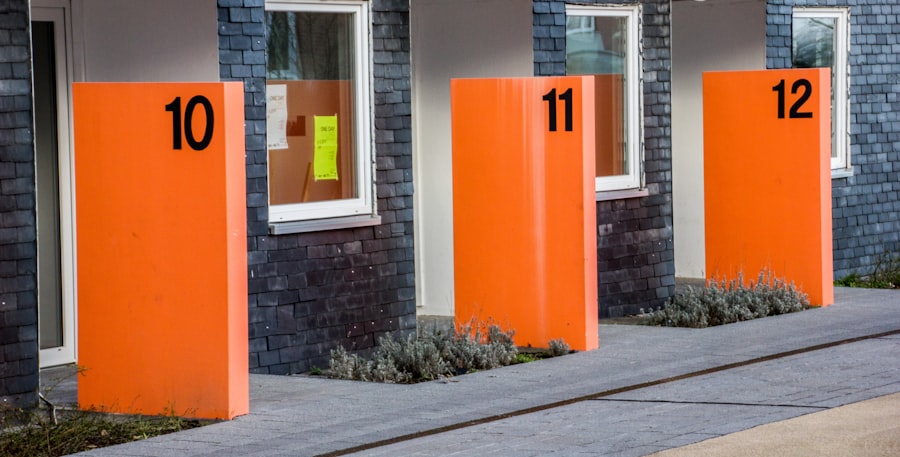
For those on the lower end of the economic spectrum, the dream of stable housing can be an illusion. Economic inequality creates a perpetual state of precariousness, where unexpected job loss, medical emergencies, or even a slight increase in rent can lead to eviction and homelessness. You are living on a knife’s edge, with your housing security constantly threatened by forces beyond your immediate control.
The Precarity of the Rental Market: A Constant Threat of Eviction
You might be renting your home, and while it offers flexibility, it also comes with inherent instability, especially in an unequal economy. Landlords, driven by profit motives and facing rising property values, can increase rents or sell their properties, forcing tenants to relocate. You are constantly at the mercy of market forces and the decisions of others.
The Rise of Corporate Landlords and Wall Street Investors: Profit Over People
A significant trend you’re observing is the increasing ownership of rental properties by large corporations and investment firms. These entities are primarily focused on maximizing returns, often leading to aggressive rent increases and less emphasis on tenant well-being. You might find yourself dealing with impersonal entities that prioritize profit over community or tenant stability.
The Cycle of Eviction: A Pathway to Deeper Poverty
An eviction is not just the loss of a physical dwelling; it’s a devastating blow to your financial and social standing. It can lead to damaged credit, difficulty securing future housing, and increased stress. This cycle of eviction can trap you and your family in a downward spiral, making it incredibly challenging to regain stability and escape poverty.
Gentrification and Displacement: The Erasure of Communities
As mentioned earlier, gentrification is a powerful force driven by economic inequality. Wealthier individuals and developers are attracted to areas that were once affordable, driving up property values and displacing long-term residents. You might see your neighborhood change drastically, with familiar faces gone and the character of your community altered beyond recognition.
The Loss of Social Capital: When Communities are Torn Apart
The displacement caused by gentrification isn’t just about losing a home; it’s about losing your social network, your support system, and your sense of belonging. You might have strong ties to your neighbors, local businesses, and community organizations. When these are fractured by forced relocation, the social capital that binds a community together is eroded.
The Housing Ladder Reimagined: Broken Rungs and Dead Ends
For those who are displaced, the “housing ladder” can feel like a series of broken rungs. Moving to a more affordable area might mean sacrificing access to jobs, schools, or essential services. The upward mobility that housing is supposed to facilitate becomes a distant dream, replaced by a constant struggle for basic shelter.
The Impact on Public Services and Infrastructure: The Neglect of Underfunded Communities
Economic inequality has a profound impact not only on individual access to housing but also on the quality and availability of public services and infrastructure in different communities. When wealth is concentrated, so too are the resources and political will to invest in public goods. You might notice a stark difference in the quality of parks, schools, transportation, and even basic sanitation depending on the prevailing economic status of an area.
Underfunded Schools and Educational Disparities: The Cycle of Disadvantage Reinforced
You’ve likely heard about disparities in school funding. Areas with lower property values, often a consequence of economic inequality, tend to generate less tax revenue for their public schools. This leads to underfunded schools with larger class sizes, fewer resources, outdated facilities, and a struggle to attract and retain qualified teachers. You might be witnessing how economic inequality directly hinders the educational opportunities of children in less affluent communities, perpetuating the cycle of disadvantage.
The “Two-Tiered” Education System: Privilege vs. Paupery
This underfunding effectively creates a “two-tiered” education system. Children in wealthier districts benefit from well-equipped schools, advanced programs, and ample support, setting them on a path to higher education and better job prospects. Conversely, children in poorer districts often receive a substandard education, limiting their future opportunities and reinforcing the economic divides.
Inadequate Public Transportation and Infrastructure: Isolating Communities and Hindering Access
Economic inequality often manifests in divergent levels of investment in public transportation and infrastructure. Communities with higher concentrations of wealth typically enjoy more robust public transit networks, well-maintained roads, and access to essential utilities. For those in less affluent areas, you might experience infrequent bus routes, poorly maintained roads, and unreliable infrastructure, effectively isolating them and hindering their ability to access jobs, healthcare, and other essential services.
The Isolation Effect: When Infrastructure Dictates Mobility
The lack of adequate public transportation in lower-income areas effectively traps residents. You might be beholden to expensive car ownership, which further strains your budget, or rely on unreliable and time-consuming public transit options. This limits your choices and reduces your access to opportunities that are essential for economic advancement.
The Environmental Justice Dimension: Unequal Exposure to Hazards
Furthermore, areas with lower economic standing are often disproportionately burdened with environmental hazards, such as proximity to industrial waste sites, polluting factories, and areas with poor air and water quality. This is a direct consequence of economic inequality, where wealthier communities have the political clout and financial resources to prevent such developments from encroaching on their neighborhoods, while poorer communities are left vulnerable. You are paying a health price for the unequal distribution of economic power.
Economic inequality has a profound impact on housing accessibility, often leaving marginalized communities struggling to find affordable options. A recent article explores the intricate relationship between wealth distribution and housing markets, highlighting how disparities in income can lead to significant barriers for low-income families. For a deeper understanding of this issue, you can read more about it in this insightful piece on wealth growth and its implications for housing by visiting this link.
The Political and Social Ramifications: A Society Divided by Housing
| Country | Gini Coefficient | Median Household Income | Average House Price |
|---|---|---|---|
| United States | 0.485 | 68,703 | 231,200 |
| United Kingdom | 0.358 | 40,584 | 250,000 |
| Germany | 0.299 | 41,902 | 285,000 |
The impact of economic inequality on housing extends beyond the individual and community level, shaping the broader political and social landscape. As housing becomes increasingly stratified by wealth, so too does social cohesion, political representation, and the very fabric of democratic engagement. You might observe a growing divide in political perspectives and societal priorities, often rooted in the vastly different housing realities people experience.
The Erosion of Social Cohesion: From Shared Spaces to Gated Communities
When neighborhoods become increasingly segregated by income, shared public spaces and casual interactions between people from different socioeconomic backgrounds diminish. You might see a decline in community events, a decrease in civic engagement across diverse groups, and a general erosion of social capital. Wealthier communities may retreat into private enclaves, further isolating them from the challenges and realities faced by those with less.
The Growth of “Xenophobia” and “Othering”: Fueling Social Divisions
This lack of interaction can foster misunderstanding and prejudice. When you primarily interact with people who share your economic status and housing situation, it becomes easier to demonize or generalize about those who live differently. Economic inequality, by creating distinct housing enclaves, can inadvertently fuel xenophobia and “othering,” exacerbating societal divisions.
Political Polarization and Representation: Whose Voices Are Heard?
Economic inequality significantly influences who has a voice in the political arena. Those with greater wealth often have more resources to influence policy through lobbying, campaign donations, and access to decision-makers. You might notice that the housing concerns of the wealthy – such as property taxes or development regulations – often receive more attention than the housing affordability and stability issues faced by lower-income populations.
The Influence of Wealth on Policy: Shaping the Housing Agenda
The concentration of wealth at the top can lead to policies that favor property owners and developers, further exacerbating housing affordability issues for renters and low-income homeowners. You are witnessing how economic power translates into political influence, shaping the very laws and regulations that govern your housing.
The Housing Crisis as a Political Flashpoint: The Struggle for Equity
The growing housing crisis, driven by economic inequality, is increasingly becoming a political flashpoint. Debates around rent control, affordable housing mandates, and zoning laws reveal deep divisions in society and highlight the ongoing struggle for housing equity. You are part of this struggle, whether you realize it or not, as the decisions made today will shape the housing future for generations.
In conclusion, you cannot escape the pervasive influence of economic inequality on housing. It shapes your ability to find a place to live, the quality of that dwelling, the stability of your tenancy, and the very opportunities available to you. Recognizing this interconnectedness is the first step towards advocating for a more equitable future, one where housing is not a luxury for the few, but a fundamental right for all. You have the power to understand these dynamics and to push for change, ensuring that the roofs over our heads are built on a foundation of fairness, not disparity.

The Wealth Ladder Is Missing a Rung
FAQs
What is economic inequality?
Economic inequality refers to the unequal distribution of income and wealth within a population. It can result in disparities in access to resources and opportunities, leading to social and economic challenges.
How does economic inequality impact housing?
Economic inequality can impact housing in various ways, such as limiting access to affordable housing for low-income individuals and families, contributing to homelessness, and creating segregated communities based on income levels.
What are the consequences of economic inequality on housing?
Consequences of economic inequality on housing include inadequate housing conditions, limited access to homeownership for lower-income individuals, and the perpetuation of generational poverty due to unequal access to housing opportunities.
What measures can be taken to address economic inequality in housing?
Measures to address economic inequality in housing include implementing affordable housing policies, increasing access to housing assistance programs, promoting inclusive urban planning, and addressing discriminatory housing practices.
How does economic inequality in housing impact society as a whole?
Economic inequality in housing can lead to social segregation, reduced social mobility, and increased social tensions. It can also impact overall economic productivity and stability.