
The once-ubiquitous aisles of Toys “R” Us, a veritable wonderland for generations of children, now stand as a stark monument to the devastating impact of debt. The retail giant’s dramatic collapse in 2018, marking the end of an era for many, was not a sudden implosion but a slow, agonizing decline, heavily influenced, if not outright dictated, by the burden of its financial obligations. This article delves into the intricate ways debt, particularly the leverage brought about by private equity buyouts, ultimately led to the demise of this iconic brand.
The seeds of Toys “R” Us’s financial vulnerability were sown long before its eventual bankruptcy. A pivotal moment in its history, and a significant turning point in its debt trajectory, was the 2005 leveraged buyout (LBO) by private equity firms Bain Capital, KKR, and Vornado Realty Trust. This transaction, designed to extract value from the company, fundamentally altered its financial structure and set in motion a chain of events that would prove fatal.
The Mechanics of a Leveraged Buyout
A leveraged buyout involves acquiring a company using a significant amount of borrowed money (debt). The idea is that the target company’s assets and future cash flows will be used to repay the debt. In theory, this can be a lucrative strategy for private equity firms, allowing them to control large companies with relatively little of their own capital. However, it places an enormous financial burden on the acquired company, making it highly susceptible to market downturns and operational challenges.
The Rationale Behind the 2005 LBO
The private equity firms saw Toys “R” Us as an undervalued asset with significant brand recognition. They believed that by streamlining operations, cutting costs, and potentially breaking up the company, they could generate substantial returns. The prevailing economic climate at the time also made it an opportune moment for such a transaction, with relatively low interest rates and readily available debt financing.
The Immediate Debt Influx
The LBO itself was financed primarily through debt. This meant that Toys “R” Us, now owned by the private equity consortium, inherited a massive debt load from day one. This debt was not for investment in the company’s future but for the acquisition itself, creating a significant interest payment burden that immediately started to drain its resources.
The Impact on Operational Agility
The substantial debt incurred in the LBO had a profound and detrimental impact on Toys “R” Us’s ability to adapt and innovate. The constant pressure to service debt payments severely limited its financial flexibility, making it difficult to invest in crucial areas like e-commerce, store modernization, and competitive inventory management.
Restricted Capital Expenditure
With a significant portion of its cash flow dedicated to interest payments and principal repayment, Toys “R” Us had limited capital to allocate towards necessary upgrades and expansions. This meant that its physical stores, a core part of its business model, began to look dated and less appealing compared to newer, more digitally integrated competitors. The company struggled to keep pace with evolving retail trends and consumer expectations.
Hindered E-commerce Development
The rise of online retail was an undeniable tidal wave, and Toys “R” Us was notably slow to navigate it. The debt burden meant that significant investments in a robust and user-friendly e-commerce platform, effective online marketing, and efficient fulfillment logistics were either delayed or inadequately funded. This allowed competitors like Amazon to gain a dominant market share, further eroding Toys “R” Us’s customer base.
The decline of Toys “R” Us serves as a cautionary tale about the impact of excessive debt on retail businesses. The company’s heavy financial burden, primarily due to a leveraged buyout, ultimately led to its downfall, as it struggled to compete with online retailers and adapt to changing consumer preferences. For a deeper understanding of how debt can shape the fate of companies like Toys “R” Us, you can read a related article at this link.
The Weight of Interest Payments: A Perpetual Drain on Resources
The most immediate and persistent impact of the debt was the relentless demand for interest payments. These payments, often substantial due to the high leverage, acted as a constant drain on the company’s earnings, leaving less for reinvestment, innovation, or even basic operational maintenance.
The Cost of Servicing Debt
The sheer magnitude of the debt taken on during the LBO meant that a significant portion of Toys “R” Us’s annual revenue was earmarked for interest payments. This created a vicious cycle: the company needed strong sales to cover these payments, but the lack of investment due to these payments hampered its ability to generate those strong sales.
Impact on Profitability
As interest expenses mounted, Toys “R” Us’s profitability suffered. While the company might have shown operational profits, the heavy debt servicing costs often pushed its net income into the red or severely diminished any potential for reinvestment. This made it an unattractive prospect for potential investors and further limited its ability to raise capital through equity.
The Debt-to-Equity Ratio Skyrockets
The LBO significantly skewed Toys “R” Us’s financial ratios, most notably its debt-to-equity ratio. This metric, which measures the extent to which a company is financed by debt versus equity, became alarmingly high. A high ratio signals increased financial risk, making lenders hesitant and driving up the cost of any future borrowing.
The Cash Flow Squeeze
The dual pressures of operational expenses and debt servicing created a severe cash flow squeeze. Maintaining a healthy cash flow is vital for any retail business, enabling them to manage inventory, pay suppliers, and invest in growth. Toys “R” Us found itself constantly struggling to generate enough free cash flow to meet its obligations.
Difficulty in Meeting Operational Needs
When cash flow is tight, retailers often have to make difficult choices. This could involve delaying payments to suppliers, reducing inventory levels (leading to stockouts and lost sales), or cutting back on staffing, impacting customer service. These compromises, while intended to preserve cash, often had a negative impact on the overall customer experience.
Limited Buffer for Economic Downturns
The substantial debt left Toys “R” Us with very little financial cushion to weather economic storms. When consumer spending declined, as it did during the Great Recession and in subsequent periods, the company was far less resilient than its less-indebted competitors. The fixed cost of debt payments continued regardless of sales performance.
Competitive Disadvantage: Outmaneuvered by Agile Rivals
The financial constraints imposed by debt rendered Toys “R” Us incapable of adequately responding to the evolving retail landscape and the aggressive strategies of its competitors. While the company was struggling under the weight of its financial obligations, nimbler rivals were investing in technology, customer experience, and innovative business models.
The Rise of E-commerce Giants
The most significant competitive threat came from online retailers, particularly Amazon. Amazon, with its vast product selection, competitive pricing, and superior logistics, offered a compelling alternative to brick-and-mortar stores. Toys “R” Us’s delayed and underfunded e-commerce initiatives meant it was playing catch-up, never truly able to challenge Amazon’s dominance.
Amazon’s Price Wars and Convenience Factor
Amazon’s ability to offer competitive pricing, often undercut by the sheer scale and efficiency of its operations, put immense pressure on traditional retailers. Furthermore, the convenience of online shopping, with doorstep delivery and easy returns, appealed to a growing segment of consumers, further drawing them away from physical stores.
The “Showrooming” Effect
Toys “R” Us stores also suffered from the “showrooming” effect, where customers would visit the store to see and play with toys but then purchase them online from a competitor offering a lower price. This turned the physical stores into de facto showrooms for other retailers, without generating the corresponding sales revenue.
The Impact of Big Box Retailers and Discount Stores
Beyond online competition, traditional brick-and-mortar rivals also posed a threat. Big box retailers like Walmart and Target offered toys as part of a broader merchandise selection, often at competitive prices. Discount chains, like dollar stores, also began to offer a wider range of toy options, further fragmenting the market and appealing to budget-conscious consumers.
Walmart and Target’s Integrated Model
Walmart and Target, with their massive scale and integrated supply chains, could offer a compelling value proposition. They were able to leverage their existing infrastructure and customer traffic to sell toys effectively, often at prices that Toys “R” Us, with its higher overhead and debt servicing costs, struggled to match.
The Growing Influence of Discount Retailers
The increasing popularity of discount retailers also ate into Toys “R” Us’s market share. These stores offered a perception of value, making them an attractive option for parents looking to stretch their budgets. This put pressure on Toys “R” Us to compete on price, a difficult proposition given its financial situation.
Inability to Innovate and Adapt: A Stagnant Business Model
The relentless focus on debt repayment stifled innovation within Toys “R” Us. The company’s business model, once revolutionary, became increasingly outdated as consumer preferences and retail technologies evolved. The financial shackles prevented the necessary investment to modernize its stores, enhance its in-store experience, and develop new revenue streams.
The Outdated Store Experience
Toys “R” Us stores, while once magical, began to feel tired and uninspired. The vast, often labyrinthine aisles could be overwhelming, and the overall shopping experience lacked the engaging, interactive elements that modern retailers were incorporating. The decline in foot traffic further exacerbated the problem, as fewer customers experienced the brand firsthand.
Lack of Experiential Retail
In an era where retailers are increasingly focusing on creating experiences rather than just selling products, Toys “R” Us lagged behind. Competitors were offering in-store play areas, character meet-and-greets, and interactive displays. Toys “R” Us struggled to implement such initiatives due to its limited capital.
Inefficient Store Layout and Merchandising
The sheer size of some Toys “R” Us stores, combined with outdated merchandising strategies, made it difficult for customers to find what they were looking for. This could lead to frustration and a less enjoyable shopping experience, encouraging them to seek out more user-friendly alternatives.
The Missed Digital Opportunities
Beyond just e-commerce, Toys “R” Us missed opportunities to integrate digital technologies into its physical stores. This could have included using apps for in-store navigation, augmented reality experiences, or personalized recommendations. The debt burden made such forward-thinking investments virtually impossible.
Failure to Embrace Omnichannel Strategies
Modern retail success often hinges on a seamless omnichannel experience, where customers can interact with a brand across various touchpoints – online, in-store, and via mobile. Toys “R” Us’s struggles with its online presence and its outdated physical stores meant it could not effectively execute such strategies.
Limited Investment in Data Analytics
Understanding customer behavior through data analytics is crucial for modern retailers. Toys “R” Us’s financial constraints likely limited its ability to invest in robust data collection and analysis tools, hindering its ability to understand customer preferences and tailor its offerings accordingly.
The decline of Toys “R” Us serves as a cautionary tale about the impact of excessive debt on retail businesses. As the company struggled to compete with online retailers and changing consumer preferences, its heavy debt burden, resulting from a leveraged buyout, significantly hampered its ability to innovate and adapt. For a deeper understanding of how financial pressures can shape the fate of companies, you can read more in this insightful article on wealth management strategies found here.
The Inevitable Outcome: Bankruptcy and Liquidation
| Year | Total Debt (in billions) | Revenue (in billions) | Net Income (in millions) | Impact of Debt |
|---|---|---|---|---|
| 2015 | 5.0 | 11.5 | -164 | High debt led to reduced profitability and cash flow issues |
| 2016 | 5.2 | 11.0 | -164 | Debt burden contributed to bankruptcy filing |
| 2017 | 4.8 | 7.0 | -200 | Store closures and restructuring due to debt pressures |
| 2018 | 3.5 | 3.0 | -150 | Continued decline in sales and market presence |
Ultimately, the cumulative impact of these debt-related challenges proved insurmountable. Despite various attempts at restructuring and refinancing, Toys “R” Us could no longer sustain its operations under the immense financial pressure. The company’s journey culminated in bankruptcy and the heartbreaking liquidation of its iconic stores.
The Bankruptcy Filings
The company filed for Chapter 11 bankruptcy protection in the United States in September 2017, followed by a similar filing in Canada. This was a last-ditch effort to reorganize its debts and find a path forward. However, the underlying issues, particularly the overwhelming debt burden, were too deeply ingrained.
Restructuring Efforts and Their Failures
Numerous restructuring attempts were made over the years, including efforts to shed underperforming stores and negotiate with lenders. However, these efforts were often hampered by the sheer size of the debt and the ongoing need to make substantial interest payments, which diverted resources from operational improvements.
The Role of Lenders and Creditors
As the company’s financial situation worsened, lenders and creditors became increasingly concerned. Their decisions, whether to grant further extensions, demand immediate repayment, or push for liquidation, played a significant role in the company’s ultimate fate. The pressure to recoup their investments often outweighed the potential for the company’s long-term survival.
The Liquidation of Assets
The inevitable outcome of the bankruptcy proceedings was the liquidation of Toys “R” Us’s assets. This meant the closure of all stores, the sale of inventory, and the disposition of company property. The emotional toll of this liquidation, with former employees losing their jobs and a beloved brand disappearing from the retail landscape, was immense.
The End of an Era for Toy Retail
The closure of Toys “R” Us marked the end of a significant chapter in toy retail history. For many, the brand represented childhood memories, festive shopping trips, and a dedicated space for children to explore their imaginations. Its demise highlighted the fragility of even well-established retail brands in the face of evolving market dynamics and unsustainable financial structures.
Lessons Learned for the Retail Industry
The story of Toys “R” Us serves as a cautionary tale for the entire retail industry. It underscores the dangers of excessive leverage, the critical importance of adapting to technological advancements, and the need for a business model that can weather economic fluctuations. The impact of debt on Toys “R” Us is a stark reminder that even the most beloved brands are not immune to the unforgiving realities of financial management and market competition.
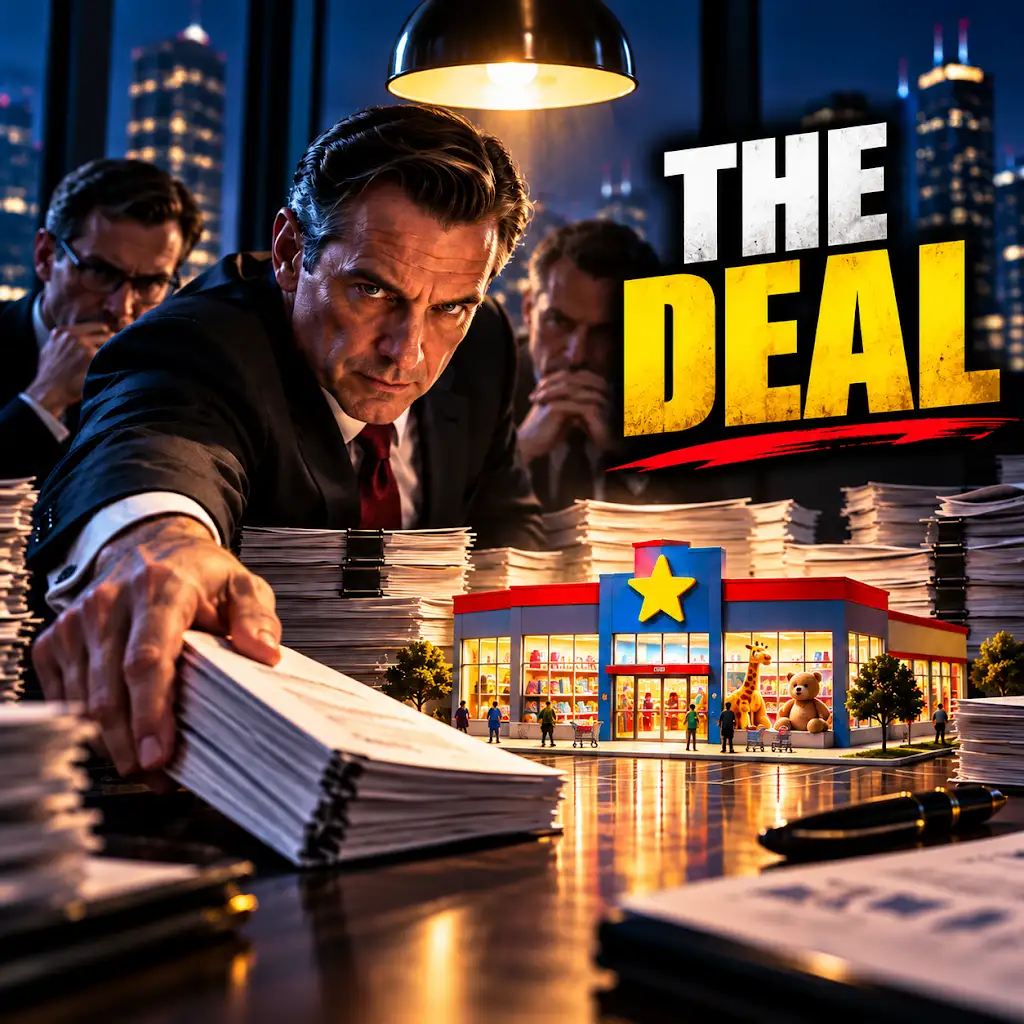
The $6.6 Billion Deal That Left Toys “R” Us Trapped
FAQs
1. How did debt impact Toys R Us?
Debt played a significant role in the downfall of Toys R Us, as the company had accumulated a large amount of debt from a leveraged buyout in 2005.
2. What were the consequences of the debt on Toys R Us?
The heavy debt burden limited the company’s ability to invest in its stores, e-commerce capabilities, and overall business operations, ultimately leading to a decline in sales and profitability.
3. How did the debt affect Toys R Us’ competitiveness in the retail industry?
The debt hindered Toys R Us’ ability to compete with other retailers, such as Walmart and Amazon, who were able to invest more in technology and customer experience due to their stronger financial positions.
4. Did the debt contribute to Toys R Us filing for bankruptcy?
Yes, the debt played a major role in Toys R Us filing for bankruptcy in 2017, as the company struggled to keep up with interest payments and maintain its operations amidst declining sales.
5. What lessons can be learned from how debt affected Toys R Us?
The case of Toys R Us serves as a cautionary tale about the dangers of taking on excessive debt, especially in the retail industry where competition is fierce and margins are thin. It highlights the importance of maintaining a healthy balance sheet and managing debt levels responsibly to ensure long-term sustainability.