
You’re likely paying more for electricity, and you might not even realize why. While many factors contribute to fluctuating utility bills, a growing force behind these increases is the insatiable appetite of data centers. These colossal facilities, the digital backbone of our modern world, demand vast quantities of power and the robust infrastructure to deliver it. Consequently, you, as a business owner or a residential consumer, are feeling the ripple effect in your own utility rates.
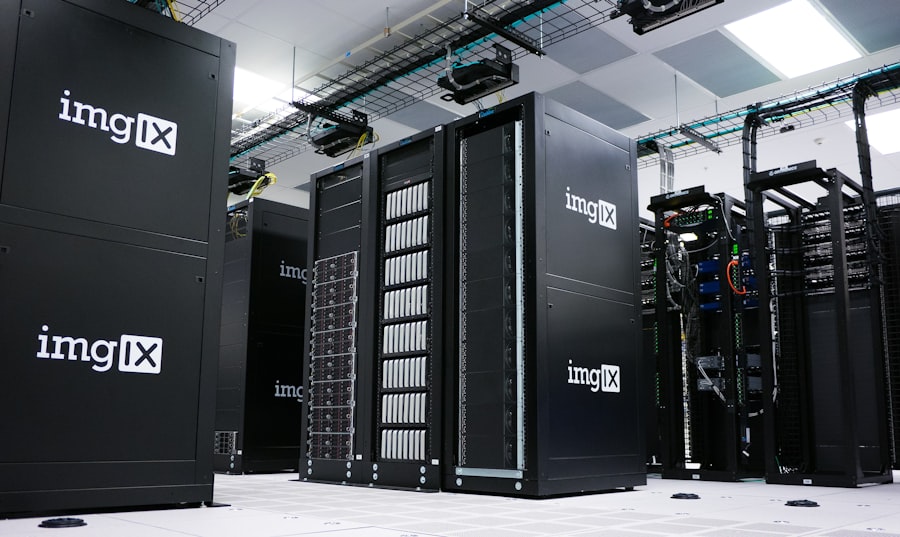
Imagine a city humming with activity, but instead of people and buildings, it’s rows upon rows of servers, their fans whirring ceaselessly, their processors churning out data. This is the essence of a data center. These are not just warehouses for computers; they are sophisticated, highly controlled environments designed to house, power, and cool critical IT infrastructure. And the sheer scale of their operations translates directly into an immense demand for electricity.
The Raw Power Consumption: A Constant Thirst
The primary driver of increased utility rates is the sheer volume of electricity data centers consume. Unlike typical commercial buildings or residential homes that have variable energy needs based on occupancy and usage patterns, data centers operate 24/7, 365 days a year. Their servers and cooling systems are perpetually engaged, creating a baseline demand that is exceptionally high. Think of it as an always-on, high-power appliance that never gets switched off.
Server Racks and Their Energy Footprint
At the heart of a data center are the server racks. Each rack can house dozens, if not hundreds, of servers. These servers, in turn, are packed with powerful processors, memory, and storage devices, all of which draw a continuous supply of electricity. The more data processed, the more heat generated, and the more power consumed. A single server might consume a few hundred watts, but when you multiply that by thousands or even tens of thousands of servers, the numbers become astronomical. A large-scale data center can easily consume the equivalent power of a small city.
Cooling Systems: The Unsung Energy Guzzlers
Beyond the IT equipment itself, a significant portion of a data center’s energy consumption is dedicated to cooling. The processors and other components generate immense heat, and without effective cooling, they would quickly overheat and fail. This necessitates sophisticated cooling systems, including chillers, CRAC (Computer Room Air Conditioner) units, and sometimes even liquid cooling solutions. These systems are power-hungry by nature, constantly working to maintain the optimal operating temperature, often within a narrow range of 65-80 degrees Fahrenheit. This continuous operation, especially in warmer climates, can be a substantial contributor to the overall energy bill.
The Infrastructure Strain: Preparing for the Demand
It’s not just about the immediate electricity usage of the data center itself. The presence of these power-hungry facilities also places a significant strain on the existing electrical grid infrastructure. Utility companies must invest heavily to ensure they can reliably deliver the massive amounts of power required by data centers, and these investments are ultimately passed on to all customers.
Grid Upgrades and Reinforcements
Existing power lines, substations, and transformers were often designed for the energy demands of communities and businesses that existed before the widespread proliferation of data centers. To accommodate the immense, localized power draw of these facilities, utility companies must often undertake costly upgrades and reinforcements. This can include installing new, higher-capacity transformers, upgrading transmission lines, and even building new substations. These capital expenditures are substantial and are factored into the overall cost of electricity.
The Need for Redundancy and Reliability
Data centers are critical for modern operations, meaning power outages are not an option. They require highly reliable power sources, often with built-in redundancy. This means utility companies may need to provide multiple power feeds to a single data center, further complicating and increasing the cost of infrastructure. The investment in ensuring uptime, including backup generators and uninterruptible power supplies (UPS), is also a factor that utilities must consider in their overall operational costs.
Data centers have become a significant factor in the rising utility rates across many regions, primarily due to their enormous energy consumption and the demand they place on local power grids. As these facilities expand to accommodate the growing need for cloud services and data storage, they often require substantial amounts of electricity, which can strain existing infrastructure and lead to increased costs for utility providers. For a deeper understanding of how this phenomenon impacts utility rates and the broader economic implications, you can read more in this related article: How Wealth Grows.
The Economic Equation: How Data Centers Influence Utility Rates
The increased demand and infrastructure strain created by data centers have a direct and tangible impact on your utility rates. This impact is not a theoretical concept; it’s a financial reality that affects the bottom line for businesses and household budgets alike.
Increased Generation Costs: Fueling the Demand
To meet the escalating demand for electricity, utility companies must increase their power generation capacity. This often means firing up more power plants, some of which may be less efficient or rely on more expensive fuel sources. The cost of generating this additional power, whether it’s from fossil fuels, renewables, or other sources, is a significant factor in determining the price you pay per kilowatt-hour.
The Marginal Cost of Electricity
When demand spikes, utility companies often rely on their “marginal” power sources, which are typically the most expensive to operate. This is especially true during peak demand periods. Data centers, with their constant high draw, contribute to sustained high demand, which can keep these marginal, more expensive generators running more frequently, thus driving up the average cost of electricity.
Investment in New Power Sources
In some cases, to meet the long-term energy needs of data centers, utility companies may need to invest in entirely new power generation facilities. These are massive, multi-year projects that involve significant upfront capital. The costs associated with planning, building, and operating these new facilities are then recouped through electricity rates charged to all customers.
Transmission and Distribution Costs: Getting the Power Where It’s Needed
The electricity generated needs to be transmitted and distributed to consumers. As mentioned earlier, the infrastructure required to deliver massive amounts of power to data centers is more extensive and robust than what might be needed for traditional loads.
Upgrading the Grid: A Price Tag for Power
The investments in grid upgrades – higher capacity lines, reinforced substations, and the like – are not borne solely by the data center. While data centers may pay specific tariffs for direct infrastructure connections, the broader improvements to the grid that benefit overall reliability and capacity are often socialized across all ratepayer classes. This means you’re indirectly contributing to the cost of a grid that’s being built to support data centers.
Network Congestion and Efficiency Losses
A strained grid can also lead to inefficiencies. Power can be lost during transmission and distribution, and the more complex and heavily loaded the network, the greater these losses can be. Utility companies factor these operational losses into their rate calculations.
The Rate Structures: How Data Centers Influence Different Customer Classes
The impact of data centers on utility rates isn’t uniform. Different customer classes – residential, commercial, and industrial – can experience these increases in varying ways due to the way utility rates are structured.
Residential Consumers: The Indirect Burden
While individual homes don’t directly power data centers, residential consumers often bear the brunt of increased utility rates indirectly. This is because utility rate structures are designed to recover the overall costs of providing electricity, including the investments made to support large industrial and commercial users.
The Principle of Cost Recovery
Utility commissions, which regulate electricity prices, aim to ensure that utility companies can recover their operational and capital costs while providing a reasonable rate of return. When data centers drive up the cost of generation and infrastructure, these costs must be recovered. If commercial and industrial rates don’t fully reflect these increased costs, a larger proportion may be allocated to residential customers.
Rate Case Implications
When utility companies file for rate increases with regulatory bodies, they present their overall cost of service. The increased costs associated with accommodating data centers become part of that total. While specific line items might be attributed to large industrial customers, the overall impact on the utility’s financial needs often leads to broader rate adjustments that affect all customer classes.
Commercial and Industrial Customers: Direct and Indirect Impacts
Businesses, both small and large, are directly impacted by rising utility rates. For businesses that are not data centers, higher electricity bills can significantly impact their operating expenses and profitability.
Increased Operating Expenses
For businesses that rely heavily on electricity – manufacturers, retail stores, office buildings – a significant increase in utility rates can mean difficult choices. They may have to absorb the costs, pass them on to consumers through higher prices, or look for ways to reduce their energy consumption, which may not always be feasible.
The Competitive Disadvantage
If a region becomes known for high electricity costs due to data center development, it can create a competitive disadvantage for other businesses looking to operate there. Companies may be more inclined to relocate or establish new operations in areas with lower and more stable energy prices.
Data Center Tariffs and Special Agreements
While data centers contribute to increased rates for others, they may also have specific tariffs or negotiated agreements with utility companies. These often reflect the significant upfront investment utility companies make to serve them.
Dedicated Infrastructure Charges
In some cases, data centers may be charged for the dedicated infrastructure built to serve them. This can include costs for new substations, transmission lines, or upgraded distribution networks that are solely for their use. However, the broader impacts on the grid and generation still ripple through the system.
Negotiated Rates and Economic Development Incentives
To attract large data center investments, utility companies and local governments may offer incentives, which can sometimes translate into negotiated electricity rates. While this can be a boon for attracting business, it can also raise questions about fairness and whether these incentives are ultimately subsidized by other ratepayers.
The Environmental Considerations: Beyond the Kilowatt-Hour

The impact of data centers on utility rates is intrinsically linked to their environmental footprint. The energy they consume, and the infrastructure required to deliver it, have consequences for carbon emissions and resource management, which in turn can influence the cost of energy.
Increased Carbon Footprint
The reliance on fossil fuels for electricity generation to meet the immense demand of data centers contributes to a larger carbon footprint. This has implications for climate change and can lead to increased regulatory pressures and the adoption of more expensive, cleaner energy sources.
The Shift Towards Renewables: Costs and Challenges
As the world pushes for decarbonization, data centers, like all energy consumers, face pressure to utilize renewable energy sources. While the cost of renewables is decreasing, the sheer scale of data center consumption means that integrating them at the required level can still be a significant investment. The intermittent nature of some renewables also necessitates investment in energy storage and grid modernization, adding to overall costs.
Carbon Pricing and Emissions Trading
The implementation of carbon pricing mechanisms or emissions trading schemes can directly impact the cost of electricity generated from fossil fuels. As data centers are major consumers, their energy choices and the associated emissions can lead to higher operational costs, which are then passed on through utility rates.
Water Consumption for Cooling
Beyond electricity, many data centers also consume significant amounts of water for cooling purposes, especially in older designs or in certain geographical locations. This can strain local water resources and lead to increased costs for water utilities, which can also indirectly affect overall utility bills.
Water Scarcity and Associated Costs
In regions experiencing water scarcity, the demand from data centers can exacerbate existing issues. This can lead to higher water prices, water use restrictions, and increased pressure on utility companies to invest in water conservation and alternative cooling technologies, all of which have associated costs.
Data centers are increasingly becoming a significant factor in raising utility rates due to their high energy consumption and demand for reliable power sources. As these facilities expand to accommodate the growing need for cloud computing and data storage, they place additional strain on local energy grids. This situation often leads utilities to increase rates to cover the costs of infrastructure upgrades and additional energy production. For a deeper understanding of this issue, you can explore a related article that discusses the economic implications of data centers on local utilities at this link.
Looking Ahead: Mitigating the Impact and Ensuring Affordability
| Reasons Data Centers Can Raise Utility Rates |
|---|
| Increased demand for electricity |
| High energy consumption for cooling systems |
| Infrastructure upgrades to support data center operations |
| Additional strain on local power grids |
| Cost of maintaining reliable power supply for data centers |
The growing influence of data centers on utility rates is a complex issue with no easy solutions. However, as consumers and businesses, you have a vested interest in understanding these impacts and advocating for strategies that promote both energy affordability and sustainability.
Investing in Energy Efficiency and Conservation
Across all sectors, a renewed focus on energy efficiency and conservation is paramount. This includes not only for individual homes and businesses but also within the data center industry itself.
Data Center Efficiency Innovations
The data center industry is continuously innovating to improve energy efficiency. This includes advancements in server design, more efficient cooling technologies (like free cooling, liquid cooling, and waste heat recapture), and optimized power management software. As these technologies become more widespread, they can help reduce the overall energy demand of data centers.
Smart Grid Technologies and Demand Response
The development of smart grid technologies allows for better management of electricity supply and demand. Demand response programs, where consumers are incentivized to reduce their electricity usage during peak periods, can help flatten demand curves and reduce the reliance on expensive, peak-generating power sources.
Policy and Regulatory Considerations
Effective policy and regulatory frameworks are crucial for managing the impact of data centers on utility rates and ensuring a fair distribution of costs.
Fair Rate Design and Cost Allocation
Utility commissions play a vital role in designing rate structures that accurately reflect the cost of service. This includes ensuring that the costs associated with serving large energy users like data centers are appropriately allocated and that these costs do not unduly burden other customer classes.
Promoting Renewable Energy Adoption and Grid Modernization
Policies that encourage the adoption of renewable energy sources and invest in grid modernization are essential for meeting the growing energy demand sustainably and affordably. This includes incentives for renewable energy deployment, investments in energy storage, and the development of a more resilient and flexible grid.
Consumer Advocacy and Awareness
Your awareness of these issues is the first step towards driving change. By understanding how data centers impact your utility bills, you can become a more informed consumer and advocate for policies that prioritize affordability and sustainability.
Staying Informed and Engaging with Utilities
Engage with your local utility companies and regulatory bodies. Understand how rates are set and what factors influence them. Advocate for transparency and for rate structures that are fair and equitable for all customers.
Supporting Sustainable Energy Practices
Support businesses and initiatives that prioritize energy efficiency and renewable energy. Your choices as a consumer can influence market demand and drive the adoption of more sustainable energy practices across the board.
The burgeoning data center industry is a testament to our increasingly digital world. However, as you continue to see your utility bills rise, it’s important to recognize the significant role these unseen giants play. By understanding the intricate relationship between data center power demands, infrastructure strain, and utility rate structures, you can better navigate the complexities of energy costs and advocate for a more sustainable and affordable energy future for everyone.
Is AI About to Make Your Electric Bill Even Higher?
FAQs
1. How do data centers contribute to raising utility rates?
Data centers require a significant amount of electricity to power and cool their servers, which can strain local utility infrastructure and lead to increased demand and costs for electricity.
2. What are the main factors that cause data centers to raise utility rates?
The main factors include the high energy consumption of data centers, the need for additional infrastructure to support their electricity demands, and the potential for utility companies to pass on these costs to consumers.
3. Are there any benefits to local communities from data centers despite the potential for raised utility rates?
Data centers can bring economic benefits to local communities through job creation, tax revenue, and infrastructure investment. However, these benefits may be offset by the strain on utility resources and potential rate increases.
4. How do utility companies respond to the increased demand from data centers?
Utility companies may need to invest in upgrading their infrastructure to support the increased demand from data centers, which can lead to higher costs that are ultimately passed on to consumers through raised utility rates.
5. What are some potential solutions to mitigate the impact of data centers on utility rates?
Potential solutions include improving energy efficiency in data centers, investing in renewable energy sources, implementing demand response programs, and working with utility companies to develop cost-sharing agreements for infrastructure upgrades.