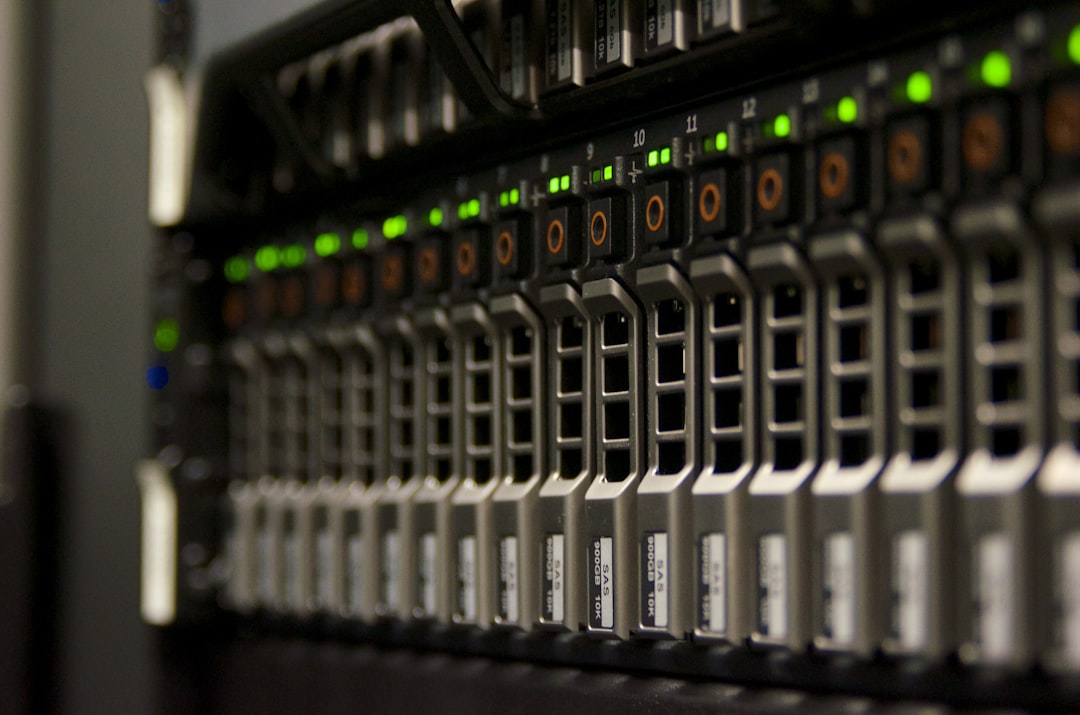
You might not think about them much, but those massive, humming buildings filled with blinking lights are silently powering your digital life. They are data centers, and their thirst for electricity is reshaping the very infrastructure that keeps your lights on – your power grid. You rely on the grid for everything from your morning coffee maker to your late-night streaming binge, and the growing presence of data centers is creating a complex relationship that you’re increasingly a part of, whether you realize it or not.
You experience the digital world as seamless and instantaneous, but behind every search query, every email, and every video stream lies a monumental effort. Data centers are the physical backbone of this digital universe, housing the servers, storage, and networking equipment that process and store the vast ocean of information we generate daily. This constant activity translates into an enormous and ever-increasing demand for electricity.
Servers: The Heart of the Operation
Imagine thousands, even millions, of powerful computers working in unison, 24/7. That’s essentially what a data center is. Each server, designed for high performance and continuous operation, draws a significant amount of power. This power is needed not just for the processors and memory but also for the cooling systems that prevent these machines from overheating. Think of it like a high-performance engine that needs constant fuel and robust cooling. The more data you access, the more servers whir to life, and the more energy they consume.
Cooling Systems: The Unsung Heroes
Servers generate a tremendous amount of heat. If left unchecked, this heat would quickly render the equipment useless. Therefore, sophisticated cooling systems are absolutely critical for data center operation. These can range from massive air conditioning units to more advanced liquid cooling solutions. Regardless of the method, these cooling systems are significant power consumers, often accounting for a substantial portion of a data center’s total energy footprint. You might not see them, but they are working tirelessly to keep your digital services running.
Power Usage Effectiveness (PUE): A Key Metric
To quantify how efficiently a data center uses energy, the industry relies on a metric called Power Usage Effectiveness (PUE). PUE is calculated by dividing the total power entering the data center by the power delivered to the IT equipment. A PUE of 1.0 would be perfect, meaning all power goes directly to the IT gear. However, in reality, power is lost to cooling, lighting, and other facility overheads. Modern data centers strive for PUEs close to 1.0, often in the range of 1.1 to 1.4, but even a small increase in PUE can mean millions of kilowatt-hours of wasted energy over the course of a year. This metric highlights the challenge of optimizing energy use in these complex facilities.
The Exponential Growth of Data
The volume of data generated globally is staggering and continues to grow at an exponential rate. From the Internet of Things (IoT) devices in your home to the massive datasets used in scientific research and artificial intelligence, every new piece of data requires storage and processing. This relentless increase in data directly translates into a need for more servers and, consequently, more power for data centers. You are, in essence, contributing to this demand with every online interaction.
Data centers play a significant role in shaping the dynamics of the power grid, as their increasing energy demands can lead to both challenges and opportunities for energy management. A related article that delves into this topic is available at How Wealth Grows, which discusses the implications of data center energy consumption on local and national power systems. Understanding these interactions is crucial for developing sustainable energy solutions and ensuring grid reliability in the face of growing digital infrastructure.
Stressing the System: Data Centers and the Power Grid
The sheer scale of data center power consumption is not just an internal issue for the data center operator; it has profound implications for the electricity grids that supply them. These grids were designed for predictable, largely residential and commercial loads, not for the concentrated, high-demand, and rapidly growing requirements of modern data centers.
Localized High Demand
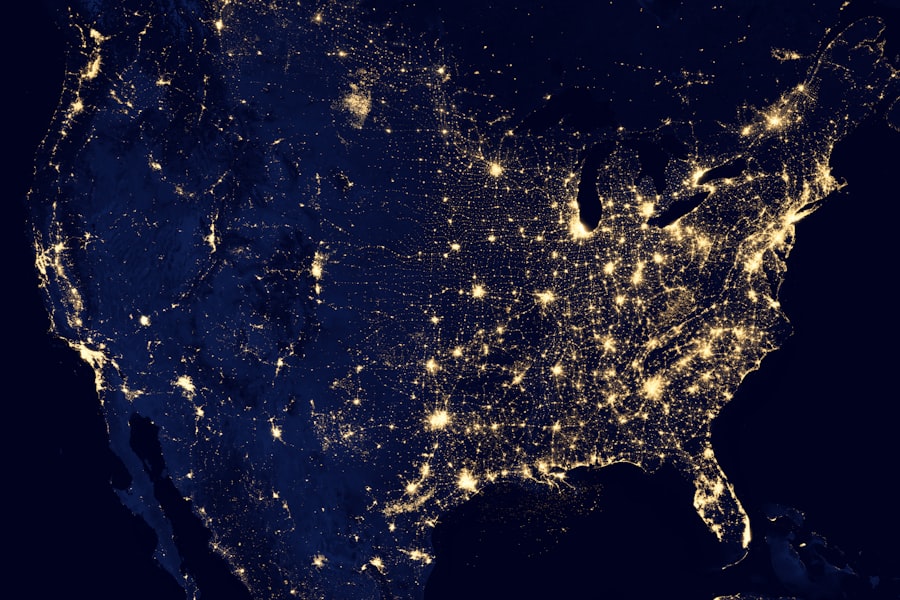
Data centers are not distributed evenly across the landscape. They are often clustered in areas with access to reliable power, cooling water, and fiber optic connectivity. This concentration of demand can create significant localized strain on the grid. Imagine a single neighborhood suddenly needing the power of an entire city; that’s the kind of pressure a large data center can place on a specific section of the power infrastructure. This can lead to issues with voltage stability and the need for substantial upgrades to local substations and transmission lines.
Peak Load Implications
The power demand from data centers can significantly impact the peak load on the grid, the highest point of electricity demand within a given period. If data centers operate at full capacity during these peak times, it can push the grid to its limits, increasing the risk of blackouts or brownouts. Grid operators have to plan for these scenarios, which often means investing in additional generation capacity that might only be utilized during these brief, high-demand periods, leading to inefficiencies and higher costs for all consumers.
The Need for Grid Modernization
The rise of data centers acts as a catalyst for much-needed grid modernization. Utilities are compelled to invest in upgrading aging infrastructure, building new transmission lines, and implementing smart grid technologies to better manage the influx of demand. This modernization is not solely for data centers; it benefits all users by improving reliability and efficiency, but the demand from these facilities is a primary driver of the urgency and scale of these investments.
Renewable Energy Integration Challenges
While many data centers are striving to power their operations with renewable energy, integrating these intermittent sources into a grid that also serves data centers presents its own set of challenges. The grid needs to maintain a constant balance between supply and demand. When solar power dips or wind dies down, other sources must compensate, and the high, consistent demand from data centers can make this balancing act more difficult.
Powering the Future: Data Centers and Renewable Energy
The environmental impact of data centers is a growing concern, and the industry is increasingly turning to renewable energy sources to mitigate this. You are likely already seeing the effects of this shift in the commitments made by major tech companies to power their operations with clean energy.
Commitments to 100% Renewable Energy
Many of the world’s largest data center operators and the tech giants they serve have made ambitious commitments to powering their operations with 100% renewable energy. This involves a multi-pronged approach, including direct power purchase agreements (PPAs) with renewable energy developers, investing in on-site renewable generation, and purchasing renewable energy certificates (RECs). These commitments are driving significant investment in solar and wind power projects.
Power Purchase Agreements (PPAs)
PPAs are a crucial mechanism for data centers to secure renewable energy. Under a PPA, a data center operator agrees to purchase electricity from a renewable energy project for a specified period, often 10 to 20 years. This long-term commitment provides financial certainty for renewable energy developers, making it easier for them to secure financing for new projects. These agreements effectively create demand for new clean energy capacity.
On-Site Generation and Energy Storage
Some forward-thinking data centers are exploring on-site renewable energy generation, such as rooftop solar panels. However, due to the massive power requirements, this is often not sufficient on its own. Therefore, energy storage solutions, such as battery systems, are becoming increasingly important. These systems can store excess renewable energy generated during periods of high production and then discharge it when demand is high or renewable supply is low, helping to stabilize the grid and ensure a consistent power supply for the data center.
The Grid’s Role in Renewable Integration
The power grid plays a pivotal role in facilitating the widespread adoption of renewable energy by data centers. The grid acts as the conduit through which renewable energy generated at distant solar farms or wind parks can be delivered to the data centers. Furthermore, the grid’s ability to manage the intermittency of renewables, through advanced grid management technologies and diverse energy sources, is essential for data centers to achieve their clean energy goals reliably.
The Evolving Grid Landscape: Innovation and Adaptation
The challenges posed by data centers are not just leading to increased demand; they are also driving innovation and adaptation within the power grid itself. You are witnessing, or will soon witness, a more intelligent and responsive grid emerge.
Smart Grid Technologies
The concept of a “smart grid” involves the application of digital communication technologies to monitor, control, and manage electricity generation, transmission, and distribution in an efficient and reliable manner. Data centers, with their sophisticated monitoring capabilities, can be integrated into these smart grids to provide real-time demand data, allowing grid operators to optimize power flow and respond more effectively to fluctuations in supply and demand. This two-way communication is key to a modern, agile grid.
Demand Response Programs
Demand response programs incentivize large electricity consumers, like data centers, to reduce their power consumption during periods of high grid stress. This can involve temporarily curtailing non-critical operations or shifting workloads to times when electricity is more readily available and cheaper. By participating in these programs, data centers can contribute to grid stability and reduce their operational costs, while also helping to avoid the need for more expensive and environmentally impactful peak power generation.
Microgrids and Energy Independence
In some cases, data centers are exploring the development of microgrids, which are localized energy grids that can operate independently from the main power grid. These microgrids can be powered by a combination of renewable sources, on-site generation, and energy storage, offering enhanced reliability and resilience. While not always a complete disconnection, the ability to isolate and manage their own power supply provides a level of control that is attractive to data center operators.
Grid-Enhancing Technologies (GETs)
A range of emerging technologies, often referred to as Grid-Enhancing Technologies (GETs), are being developed and deployed to optimize the use of existing grid infrastructure. These technologies can include advanced conductors that allow for higher power flow, dynamic line rating systems that adjust capacity based on real-time conditions, and intelligent control systems for substations. By making the existing grid more efficient, GETs can help accommodate the growing demand from data centers without requiring immediate and costly physical infrastructure expansion.
As the demand for digital services continues to rise, the impact of data centers on the power grid has become a critical topic of discussion. These facilities consume vast amounts of electricity, which can strain local power resources and lead to increased energy costs. For a deeper understanding of this issue and its implications, you can read a related article that explores the balance between technological growth and energy sustainability. This insightful piece highlights the challenges and potential solutions for integrating data centers into our existing power infrastructure. To learn more, visit this article.
The Future of Power: A Collaborative Effort
“`html
| Impact | Description |
|---|---|
| Energy consumption | Data centers consume a significant amount of electricity, contributing to the overall demand on the power grid. |
| Peak demand | Data centers can contribute to peak demand periods, requiring additional resources to meet the increased power needs. |
| Grid stability | Data centers can impact grid stability, especially during high-demand periods, leading to potential strain on the power grid. |
| Renewable energy integration | Data centers can support the integration of renewable energy sources into the power grid through various initiatives and technologies. |
“`
The relationship between data centers and the power grid is dynamic and evolving. It’s a critical area that impacts not only the digital services you use every day but also the sustainability of our energy future. You are a part of this intricate ecosystem, and understanding these connections is increasingly important.
Balancing Growth and Sustainability
The challenge lies in balancing the ever-increasing demand for digital services, and thus data center power, with the urgent need for environmental sustainability. This requires a collaborative effort involving data center operators, utility companies, policymakers, and even you, the end-user, through your consumption habits and awareness. The choices made today will shape the energy landscape for decades to come.
Policy and Regulation
Government policies and regulations play a significant role in shaping the development of both data centers and the power grid. Incentives for renewable energy adoption, efficiency standards for data center equipment, and regulations around grid interconnection are all crucial in guiding this evolution. You can influence these policies through your engagement with your elected officials and by supporting organizations advocating for sustainable energy practices.
Technological Innovation as the Key
Ultimately, technological innovation will be the key to navigating this complex landscape. Continued advancements in server efficiency, cooling technologies, renewable energy generation and storage, and grid management systems are all essential. You are a beneficiary of these innovations, and your support for companies and initiatives driving them will accelerate progress.
The Consumer’s Role
Your role as a consumer is more significant than you might think. By being mindful of your digital footprint – reducing unnecessary data consumption, opting for energy-efficient devices, and supporting companies with strong sustainability commitments – you can contribute to a more sustainable demand. Furthermore, advocating for cleaner energy policies and understanding the energy implications of your online activities empowers you to be an active participant in shaping the future of power. The humming servers are essential for your digital life, but their power source is a shared responsibility.

Is AI About to Make Your Electric Bill Even Higher?
FAQs
1. What is a data center and how does it affect the power grid?
A data center is a facility used to house computer systems and associated components, such as telecommunications and storage systems. Data centers consume a significant amount of electricity, which can strain the power grid and lead to potential issues with supply and demand.
2. How do data centers impact the overall power consumption in a region?
Data centers can significantly impact the overall power consumption in a region due to their high energy demands. As more data centers are built and existing ones expand, the strain on the power grid increases, potentially leading to power outages and increased energy costs for consumers.
3. What are some strategies for mitigating the impact of data centers on the power grid?
Some strategies for mitigating the impact of data centers on the power grid include implementing energy-efficient technologies, utilizing renewable energy sources, and adopting energy management practices. Additionally, data centers can participate in demand response programs to help balance the supply and demand of electricity.
4. How do data centers contribute to the need for additional power generation and infrastructure upgrades?
The growing number and size of data centers contribute to the need for additional power generation and infrastructure upgrades to meet the increased demand for electricity. This can lead to investments in new power plants, transmission lines, and distribution systems to support the growing energy needs of data centers.
5. What are the potential long-term implications of data centers on the power grid?
The potential long-term implications of data centers on the power grid include increased strain on the infrastructure, higher energy costs for consumers, and the need for continued investment in renewable energy sources and energy-efficient technologies. It is important for stakeholders to consider the impact of data centers on the power grid and work towards sustainable solutions.