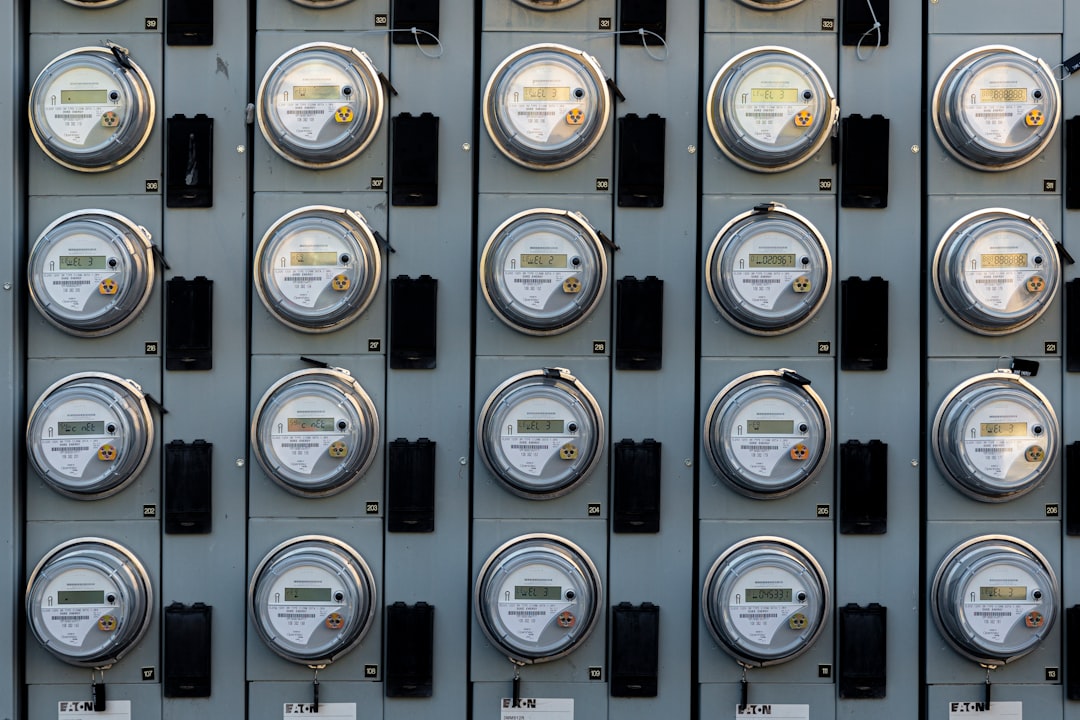
You are staring at the glowing screen, the hum of your computer a familiar sound. Perhaps you’re streaming your favorite show, downloading a massive file, or even just browsing the web. Behind that seamless experience, a monumental force is at play: the data center. These colossal facilities, housing servers that power our digital lives, are demanding an ever-increasing amount of electricity. And this insatiable appetite for power is having a tangible, and often substantial, impact on your electricity costs.
The digital revolution, which you have wholeheartedly embraced, has come with a hidden price tag. Every click, every download, every online transaction sends ripples through the electrical grid, originating from these energy-hungry behemoths. Understanding this connection is crucial to grasping why your utility bills might be creeping up and what the future of your energy consumption might hold. This article will delve into the intricate ways data centers influence electricity costs, from their sheer scale to the innovative solutions being explored to mitigate their impact.
You live in a world saturated with data. From the social media feeds you scroll through to the smart devices that populate your home, the amount of information being generated, stored, and processed is nothing short of astonishing. This exponential growth isn’t just a curiosity; it directly translates into an ever-increasing demand for the infrastructure that makes it all possible. And that infrastructure is overwhelmingly housed within data centers.
The Sheer Scale of Data Centers
Imagine a football stadium, then multiply its size several times over. That’s closer to the scale of many modern data centers. These are not just a few racks of computers in a basement; they are sprawling complexes covering vast acres, filled with thousands, even millions, of interconnected servers. Each of these servers, along with the cooling systems, networking equipment, and power infrastructure, consumes electricity continuously.
Servers: The Heart of the Operation
At the core of every data center are the servers. These powerful computers are responsible for running applications, storing data, and facilitating online services. While individual servers might seem modest in their power draw, when you have tens of thousands or even hundreds of thousands of them humming in unison, the cumulative electricity consumption becomes immense. They are always on, processing requests and ready to serve your digital needs, which means they are always drawing power.
Cooling Systems: The Unsung Heroes (and Energy Hogs)
One of the most significant energy drains in a data center, besides the servers themselves, is the cooling system. Servers generate a tremendous amount of heat as they operate. If this heat isn’t efficiently dissipated, it can lead to overheating, system failures, and ultimately, downtime. Data centers employ sophisticated cooling technologies, from traditional air conditioning to more advanced liquid cooling systems, all of which require substantial amounts of electricity to maintain optimal operating temperatures. You might not see them, but these cooling mechanisms are working tirelessly, twenty-four-seven, to keep your digital world from overheating.
Networking and Power Infrastructure
Beyond the servers and cooling, a vast network of routers, switches, and other networking equipment is necessary to connect all these machines and the outside world. These components also consume electricity. Furthermore, the power distribution systems themselves, including Uninterruptible Power Supplies (UPS) and generators for backup, are significant consumers of energy, ensuring that your online experience remains uninterrupted, even during power outages.
The Explosive Growth of Data Consumption
You are contributing to this growth every single day. Think about the videos you watch, the games you play online, the vast amounts of data you upload and download. Every digital interaction you have, no matter how small it may seem, contributes to the overall demand for data storage and processing. This demand fuels the construction and expansion of more data centers, creating a feedback loop of increasing energy consumption.
Streaming Services and Video Content
The rise of streaming services has been a major driver of data center growth. The sheer volume of data required to stream high-definition video content to millions of users simultaneously is staggering. Every movie you watch, every series you binge, requires significant processing power and storage within these facilities. This constant demand for visual entertainment translates directly into a higher electricity bill for the data centers.
Cloud Computing and Its Ubiquity
Cloud computing, which you likely use every day without even realizing it, has revolutionized how businesses and individuals store and access data. Instead of relying on local servers, you tap into vast computing resources housed in data centers. This centralization, while offering convenience and scalability, means that a significant portion of the world’s computing power is now consolidated in these energy-intensive locations. The more you adopt cloud-based services, the more you contribute to the electricity demands of the underlying data centers.
The Internet of Things (IoT) and Connected Devices
The proliferation of smart devices in your home, your car, and even your city is another significant contributor to data center energy consumption. Each of these connected devices generates and transmits data, which needs to be processed and stored. While individual devices may have a small data footprint, the collective impact of billions of IoT devices is creating an unprecedented surge in data traffic, requiring more powerful and more numerous data centers.
The rising demand for data centers has sparked concerns about their impact on electricity prices, as these facilities consume vast amounts of energy to operate and cool their servers. For a deeper understanding of this issue, you can explore a related article that discusses the economic implications of data centers on energy costs. Check it out here: How Data Centers Influence Electricity Prices.
The Direct Link: How Data Centers Influence Your Electricity Bill
You might not see the data center down the street, but its energy consumption has a ripple effect that reaches directly into your home and impacts the price you pay for electricity. This connection is multifaceted, involving direct demand, grid strain, and the economic realities of power generation.
Increased Demand on the Electrical Grid
The sheer amount of electricity required by data centers places a significant strain on local and regional electrical grids. These facilities often require dedicated power substations and transmission lines to meet their substantial needs. This increased demand can lead to higher wholesale electricity prices, which are then passed on to consumers like you.
Peak Demand and Capacity Issues
Data centers, unlike residential consumers, have relatively consistent and high energy demands throughout the day and night. This constant, significant draw can contribute to peak demand periods on the grid, especially when combined with other industrial and commercial users. When the grid is operating at or near its capacity, the cost of generating that last bit of electricity often skyrockets.
Infrastructure Upgrades and Their Cost
To accommodate the growing needs of data centers, utility companies often have to invest in upgrading and expanding their infrastructure. This includes building new substations, reinforcing power lines, and improving grid reliability. The cost of these substantial infrastructure projects is ultimately borne by all customers, including you, through increased electricity rates.
The Economics of Power Generation
The electricity that powers data centers, and by extension, your digital life, comes from a mix of sources. The cost of these sources, and the efficiency with which they are utilized, directly impacts the final price you pay.
The Role of Fossil Fuels and Their Price Volatility
Historically, a significant portion of electricity has been generated from fossil fuels like natural gas and coal. The price of these fuels is subject to global market fluctuations, geopolitical events, and supply chain disruptions. When the cost of natural gas or coal rises, the wholesale price of electricity increases, and you feel the pinch on your electricity bill. Data centers, with their massive consumption, can exacerbate this effect by driving up demand for these volatile commodities.
The Growing Share of Renewables and Their Integration Costs
While renewable energy sources like solar and wind are becoming increasingly prevalent, their integration into the grid also has costs. The intermittent nature of renewables requires significant investment in energy storage solutions and grid modernization to ensure a consistent and reliable power supply. These costs, too, are factored into the overall price of electricity.
The “Data Center Tax” Effect
Some argue that the concentrated energy consumption of data centers effectively creates a “data center tax.” Because these facilities are often located in areas with robust power infrastructure, their demand can necessitate upgrades that benefit the entire grid. However, the argument goes, the cost of these upgrades is distributed among all consumers, meaning that residential users are effectively subsidizing the energy needs of these energy-intensive businesses.
Efficiency Measures and Technological Innovations
The energy demands of data centers are undeniable, but the industry is not standing still. You are likely benefiting from, or will soon benefit from, the ongoing efforts to improve efficiency and develop more sustainable energy solutions for these vital facilities.
Power Usage Effectiveness (PUE) and Its Significance
A key metric in data center efficiency is Power Usage Effectiveness (PUE). PUE is a ratio that describes how much energy is consumed by the IT equipment compared to the total energy consumed by the data center, including cooling, lighting, and power losses. A PUE of 1.0 would mean that all energy goes to the IT equipment, which is an unattainable ideal. However, striving for lower PUEs is a major focus for data center operators.
Lowering PUE Through Improved Cooling
Advanced cooling technologies are at the forefront of PUE reduction. This includes:
Liquid Cooling Solutions
Instead of relying solely on air cooling, liquid cooling systems bring fluids directly into contact with or in close proximity to the hottest components, such as CPUs and GPUs. This is far more efficient at heat transfer than air, significantly reducing the energy required for cooling. You might not see it, but the servers that power your online gaming might be running on water.
Free Cooling and Economizers
These techniques leverage naturally cool ambient air or water to cool the data center, reducing the reliance on energy-intensive mechanical cooling systems. During colder months, data centers can effectively “free cool” by bringing in outside air, drastically cutting down on energy consumption.
Optimizing Server Utilization and Virtualization
Virtualization allows multiple virtual machines to run on a single physical server. This dramatically increases server utilization, meaning that fewer physical servers are needed to perform the same amount of work. This directly translates to less electricity consumption for both the servers and the cooling systems.
Renewable Energy Adoption and Power Purchase Agreements (PPAs)
Many data center operators are actively seeking to power their facilities with renewable energy.
Direct Investment in Renewable Energy Projects
Some companies are directly investing in building their own solar farms or wind turbines to power their data centers. This provides a stable and predictable energy source while reducing their carbon footprint.
Power Purchase Agreements (PPAs)
A more common approach is to enter into long-term Power Purchase Agreements with renewable energy developers. Under a PPA, the data center operator agrees to purchase electricity from a renewable energy source at a fixed price for a set period. This guarantees a supply of clean energy and helps to stabilize electricity costs.
Waste Heat Recovery and Cogeneration
The heat generated by data centers is often a wasted resource. However, innovative solutions are emerging to capture and reuse this heat.
District Heating and Industrial Applications
In some cases, the waste heat from data centers is being used to warm nearby buildings or industrial processes. This creates a symbiotic relationship, where the data center’s by-product becomes a valuable resource for others, and the data center can potentially earn revenue or reduce its operational costs.
Cogeneration Plants
Cogeneration, also known as combined heat and power (CHP), involves generating electricity and capturing the waste heat produced in the process for other uses. Some data centers are incorporating CHP systems to improve their overall energy efficiency and reduce their reliance on the grid.
The Geographic Influence on Data Center Costs
Where a data center is located plays a surprisingly significant role in how it impacts electricity costs, both for the data center operator and, consequently, for you.
Proximity to Power Generation and Transmission
Data centers often seek locations that offer a combination of readily available power and robust transmission infrastructure. Being close to the source of electricity generation or major transmission lines can reduce the costs associated with transporting power over long distances. This can translate into lower electricity prices for the data center, and potentially for its users.
Availability of Cheap Electricity
Some regions have naturally lower electricity costs due to abundant renewable resources (like hydropower or geothermal energy) or a competitive energy market. Data centers are often attracted to these areas, which can lead to a clustering of facilities and increased competition for local power, potentially driving up prices for other consumers.
Grid Capacity and Stability
Conversely, data centers require a stable and reliable power supply. Areas with a strong and resilient grid infrastructure are more attractive. However, the sheer demand of a large data center can sometimes strain even a robust grid, leading to localized issues and potential price increases for nearby consumers.
Climate and Cooling Strategies
The climate of a region directly influences the energy required for cooling.
Cold Climates and “Free Cooling” Opportunities
Data centers located in colder climates can take greater advantage of “free cooling” techniques, using ambient air to cool their facilities for a larger portion of the year. This significantly reduces energy consumption and associated costs.
Hot Climates and Increased Cooling Demands
In hotter climates, data centers face a constant battle against rising temperatures. This necessitates more intensive and energy-consuming cooling systems, leading to higher electricity bills for both the data center and the consumers in that region.
Government Incentives and Regulations
Local and national governments can influence data center development and their impact on electricity costs through various incentives and regulations.
Tax Breaks and Subsidies
Some governments offer tax breaks or subsidies to data center operators to encourage investment and job creation. These incentives can lower the operational costs for data centers, but their impact on overall electricity prices for consumers can be debated.
Renewable Energy Mandates and Environmental Regulations
Conversely, governments may impose renewable energy mandates or stricter environmental regulations on data centers. While these measures aim to promote sustainability, they can also increase the upfront costs for data centers, which may be passed on to consumers.
The rising demand for data centers has sparked a debate about their impact on electricity prices, as these facilities consume vast amounts of energy to operate. A related article discusses the economic implications of this trend and explores how the growing reliance on digital infrastructure could lead to increased costs for consumers. For more insights on this topic, you can read the article here. Understanding the balance between technological advancement and energy consumption is crucial for addressing the challenges posed by this phenomenon.
The Future of Data Centers and Your Electricity Bill
| Metrics | Data Centers Impact |
|---|---|
| Electricity Consumption | Increased demand for electricity |
| Cost of Electricity | Rising electricity prices |
| Infrastructure Investment | Need for additional power infrastructure |
| Renewable Energy Usage | Shift towards renewable energy sources |
The relationship between data centers and your electricity bill is dynamic and will continue to evolve. As technology advances and our reliance on digital services grows, understanding these trends is crucial.
The Rise of AI and Machine Learning
The burgeoning field of Artificial Intelligence (AI) and Machine Learning (ML) is a significant driver of future data center energy demand. Training complex AI models requires immense computational power, leading to the development of even more powerful and energy-intensive processors.
Specialized AI Hardware and its Energy Needs
New generations of AI accelerators, like GPUs and TPUs, are designed for parallel processing and are highly effective at AI computations. However, they are also known for their substantial power consumption. As AI becomes more integrated into everyday applications, these specialized hardware demands will likely increase.
The Need for Supercomputing Power
Many AI tasks require supercomputing capabilities, which are housed in specialized data centers. The energy required to run these massive computational clusters is immense, contributing to overall electricity demand.
Edge Computing and Decentralization
Edge computing represents a shift towards processing data closer to where it is generated, rather than sending it all back to centralized data centers. This could have a complex impact on electricity costs.
Reduced Transmission Energy, Increased Distributed Consumption
While edge computing might reduce the energy required for long-distance data transmission, it will lead to a proliferation of smaller, distributed computing nodes, each consuming electricity. The net effect on overall electricity consumption and cost remains to be seen.
Potential for More Localized Electricity Costs
As computing moves to the “edge,” localized electricity costs could become more pronounced. Regions with cheaper electricity might become more attractive for edge computing deployments.
Sustainable Energy Solutions and Grid Modernization
The future of data centers is inextricably linked to the transition towards a more sustainable energy future.
Advanced Grid Technologies and Smart Grids
Investing in smart grid technologies, which allow for better monitoring, control, and optimization of electricity distribution, will be crucial for integrating the growing demands of data centers with renewable energy sources.
Energy Storage Solutions
The development and widespread adoption of advanced energy storage solutions, such as large-scale batteries, will be essential to balance the intermittent nature of renewable energy and ensure a consistent power supply for data centers. This will help to reduce reliance on fossil fuel-based power plants, potentially lowering overall electricity costs in the long run.
The Consumer’s Role and Advocacy
You are not just a passive observer in this equation. Your choices and your voice can influence the direction of energy consumption.
Making Informed Energy Choices
Understanding where your electricity comes from and advocating for renewable energy options can contribute to a more sustainable energy landscape for data centers and for your home.
Supporting Energy Efficiency Initiatives
By supporting policies and technologies that promote energy efficiency in both data centers and your own home, you can help to mitigate the impact of data center energy consumption on your electricity bills. The more efficient the entire ecosystem becomes, the less strain there will be on the grid, and the more stable electricity costs are likely to be.
The digital world you inhabit is a marvel of engineering and innovation. But its convenience comes with a significant energy cost. By understanding the intricate link between data centers and your electricity bill, you are better equipped to navigate the evolving energy landscape and make informed choices that will shape both your digital future and your financial present. The hum of your computer is a reminder of the immense power that fuels your digital life, and now, you have a clearer picture of how that power translates into the cost on your bill.

Is AI About to Make Your Electric Bill Even Higher?
FAQs
What are data centers?
Data centers are facilities that house computer systems and associated components, such as telecommunications and storage systems. They are used to store, process, and distribute large amounts of data for businesses and organizations.
How do data centers impact electricity prices?
Data centers consume a significant amount of electricity to power and cool their equipment. This high demand for electricity can put strain on local power grids and lead to increased electricity prices in the areas where data centers are located.
What are the factors contributing to increased electricity prices from data centers?
Factors contributing to increased electricity prices from data centers include the high energy consumption of the equipment, the need for continuous cooling to maintain optimal operating temperatures, and the infrastructure required to support the data center’s power needs.
Are there any benefits to data centers in terms of electricity usage?
While data centers can contribute to increased electricity prices, they also play a crucial role in enabling businesses and organizations to store and process data efficiently. Additionally, advancements in energy-efficient technologies and renewable energy sources are being implemented in some data centers to mitigate their impact on electricity prices.
What are some potential solutions to mitigate the impact of data centers on electricity prices?
Potential solutions to mitigate the impact of data centers on electricity prices include improving energy efficiency within data centers, investing in renewable energy sources to power data centers, and implementing demand response programs to better manage electricity usage during peak times.