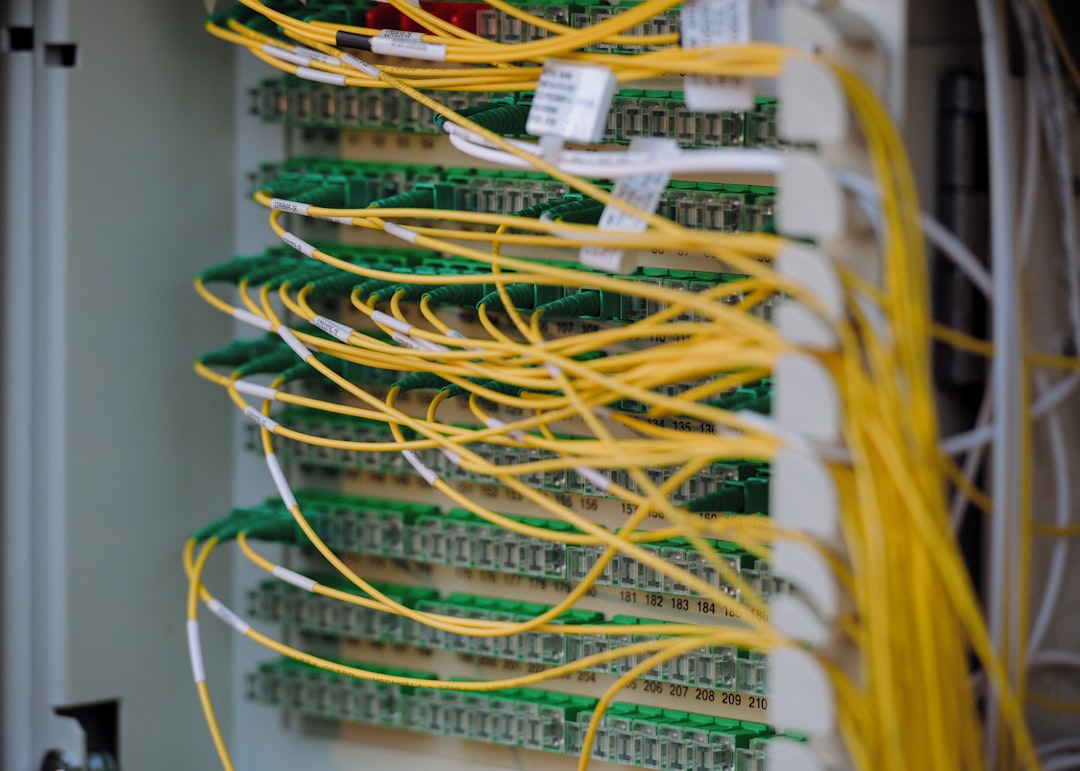
You stand at a precipice, a world increasingly reliant on the invisible hum of digital infrastructure. Behind this ubiquitous convenience, a colossal appetite for power is growing, fueled by the insatiable demands of Big Tech data centers. You might be streaming your favorite show, video conferencing with colleagues across the globe, or simply scrolling through social media, but beneath these everyday actions lies a network of gargantuan facilities, consuming electricity at an astonishing rate. Understanding the impact of these power-hungry behemoths on our energy grids and the environment is no longer a niche concern; it’s a critical aspect of how you will navigate the future.
Your digital life, as you experience it, is built upon a foundation of immense computing power. Every piece of data you generate, every request you make, every interaction you have online, eventually lands in, or is processed by, a data center. These are not just server rooms; they are sprawling complexes, often the size of multiple football fields, housing hundreds of thousands, if not millions, of servers, along with the intricate networking equipment and cooling systems necessary to keep them operational. The sheer scale of these operations directly translates into a monumental demand for electricity.
Defining the Beast: What Exactly is a Data Center?
You might picture rows of blinking lights, a scene often depicted in sci-fi movies. While that’s partially true, the reality of a modern data center is far more complex and demanding. At its core, a data center is a dedicated physical facility that an organization uses to house its critical IT infrastructure. This includes servers, storage systems, networking equipment, and all the associated power and cooling infrastructure. However, when we talk about “Big Tech” data centers, we are referring to facilities operated by giants like Amazon (AWS), Microsoft (Azure), Google (Google Cloud), Meta (Facebook), and Apple. These companies are at the forefront of cloud computing, artificial intelligence, and the ever-growing internet of things (IoT), all of which contribute to their immense data storage and processing needs.
The Building Blocks: Servers, Storage, and Networking
The heart of any data center lies within its servers. These are specialized computers designed for high performance and reliability, tasked with running applications, storing data, and processing information. The more users you have, and the more complex the services you offer, the more servers you need. This exponential growth in demand for processing power is a primary driver of data center expansion. Alongside servers, vast arrays of storage devices, from hard disk drives to solid-state drives, are needed to house the petabytes and exabytes of data that Big Tech manages. Finally, high-speed networking equipment ensures seamless communication between servers, storage, and the outside world, forming the nervous system of the digital universe.
The Unsung Heroes: Power and Cooling Systems
While the IT equipment gets much of the attention, the power and cooling systems are arguably the most energy-intensive components of a data center. Servers generate a tremendous amount of heat as a byproduct of their operation. To prevent overheating and ensure longevity, these machines must be kept at precise, cool temperatures. This necessitates sophisticated cooling systems, often involving massive air conditioning units, chillers, and elaborate airflow management strategies. Similarly, providing a stable and uninterrupted power supply requires robust infrastructure, including uninterruptible power supplies (UPS), backup generators, and extensive electrical distribution networks. These systems are designed to be redundant, meaning there are backups for backups, further increasing their energy footprint.
As concerns about climate change and energy consumption continue to rise, the impact of Big Tech’s data center power consumption has become a critical topic of discussion. A related article that delves into this issue can be found at How Wealth Grows, where it explores the balance between technological advancement and environmental sustainability. This resource provides valuable insights into how major tech companies are addressing their energy usage and the steps they are taking to reduce their carbon footprint.
The Staggering Energy Footprint: A Growing Global Concern
The sheer volume of electricity consumed by data centers globally is, to put it mildly, staggering. Estimates vary, but the consensus is that data centers account for a significant and growing percentage of global electricity consumption. This isn’t just a matter of adding up the wattage of individual servers; it’s about the cumulative effect of thousands of facilities operating 24/7, each with its own unique and substantial power requirements.
Quantifying the Consumption: Numbers That Speak Volumes
To put this into perspective, consider that the total electricity consumption of data centers worldwide is often compared to that of entire countries. Some studies have placed this figure at around 1-2% of global electricity consumption, a number that may seem small in isolation. However, when you consider that this percentage represents billions of kilowatt-hours, the scale becomes clearer. Furthermore, this percentage is projected to grow significantly in the coming years as the demand for digital services continues its upward trajectory. The rise of artificial intelligence, with its computationally intensive training models, is a particularly potent driver of this projected increase.
The Global Landscape: Where the Power is Drawn
The geographical distribution of data centers is not uniform. While many are located in areas with favorable climates for cooling or access to abundant electricity, others are strategically placed to minimize latency for users. This has led to a concentration of these facilities in certain regions, placing a disproportionate strain on local power grids. The energy needs of these concentrated hubs can impact regional electricity prices, grid stability, and the ability to meet the energy demands of other industries and residential areas.
Future Projections: A Trend That Needs Attention
The trajectory for data center power consumption is clear: it’s going up. The proliferation of cloud computing, the explosive growth of AI, and the ever-increasing volume of data being generated and stored all point towards a continued surge in demand. Without significant advancements in efficiency and a shift towards renewable energy sources, this trend poses a serious challenge to global efforts to decarbonize the energy sector.
The Environmental Ripple Effect: Beyond Just Power Consumption
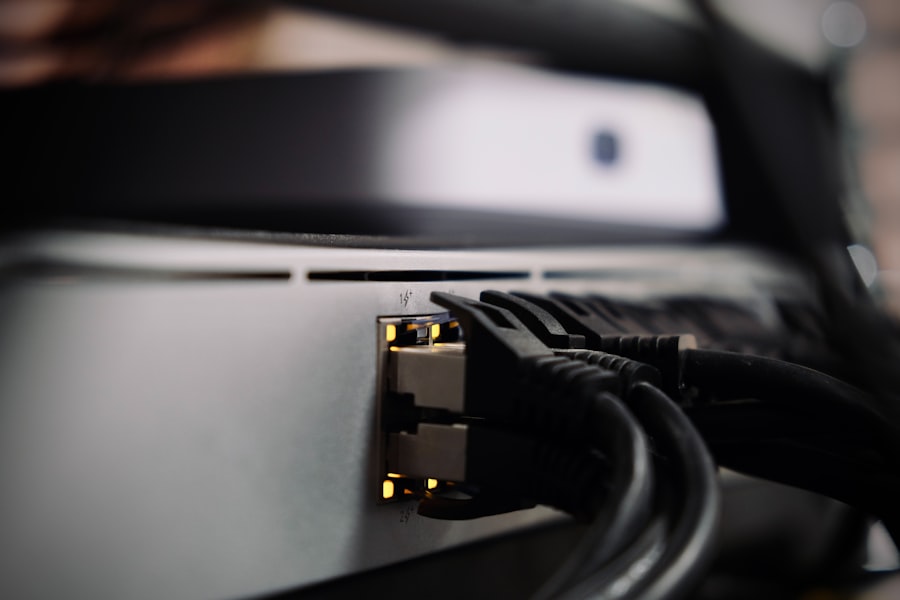
The impact of Big Tech data centers extends beyond their immediate electricity consumption. The carbon footprint associated with powering these facilities, particularly when that power is derived from fossil fuels, contributes significantly to greenhouse gas emissions. Furthermore, the construction and operation of these massive complexes have other environmental considerations.
Carbon Emissions: The Unseen Byproduct of Digital Convenience
When data centers are powered by electricity generated from burning fossil fuels, the resulting carbon emissions are a direct contributor to climate change. While some tech giants are making pledges to use renewable energy, a substantial portion of the electricity powering these facilities still comes from non-renewable sources. The sheer scale of the power needed means that even a small percentage of fossil fuel reliance can translate into a substantial carbon footprint. This raises critical questions about the sustainability of our digital infrastructure.
The Renewable Energy Conundrum: Promises vs. Reality
Many Big Tech companies have made ambitious commitments to power their operations with 100% renewable energy. While these pledges are commendable and have driven investment in renewable energy projects, the reality on the ground can be more complex. Issues such as grid availability, the intermittent nature of some renewables, and the sourcing of credible renewable energy credits can complicate the path to true decarbonization. It’s crucial to scrutinize these commitments and understand how they are being implemented.
Water Usage: A Hidden Thirst
Beyond electricity, data centers also have a significant thirst for water, primarily for cooling purposes. Evaporative cooling systems, which are common in many data centers, can consume vast quantities of water, particularly in warmer climates. This can place a strain on local water resources, especially in regions already facing water scarcity. The competition for water between industrial needs, agriculture, and human consumption is a growing concern.
Addressing the Challenge: Innovation and Regulation
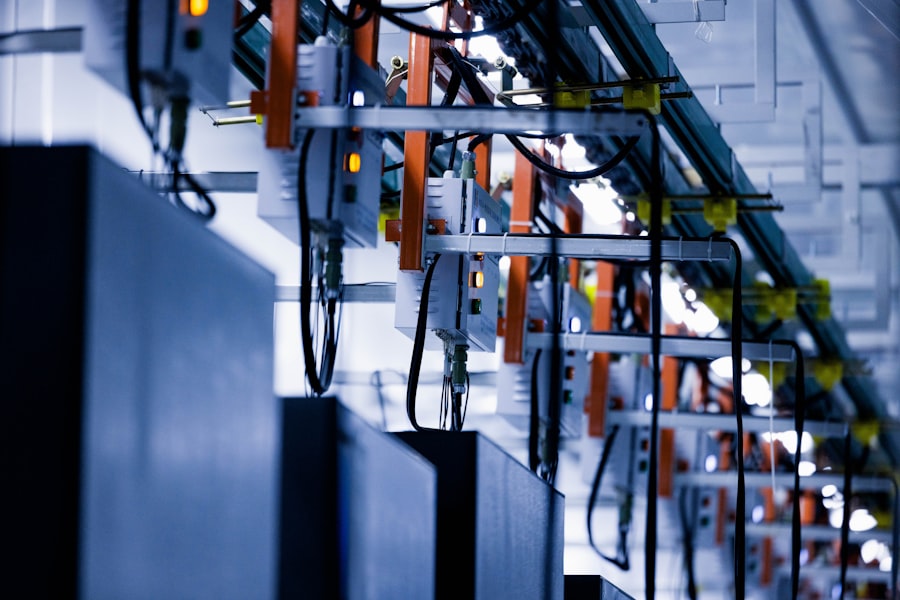
The growing impact of Big Tech data centers necessitates a multi-pronged approach, combining technological innovation with thoughtful regulation. There is no single silver bullet, but a combination of strategies can help mitigate the environmental and energy challenges posed by these essential digital hubs.
Efficiency and Optimization: Making Every Watt Count
The first line of defense is improving the energy efficiency of data centers themselves. This involves a continuous effort to design more efficient hardware, optimize cooling systems, and implement sophisticated energy management software. The pursuit of higher power usage effectiveness (PUE) ratios, which measure the total energy consumed by a data center against the energy delivered to the IT equipment, is a key metric in this regard.
Advancements in Hardware: Smaller, Faster, Cooler
Manufacturers of servers and networking equipment are constantly striving to develop more energy-efficient components. This includes processors that consume less power while delivering more performance, and storage solutions that offer greater density with lower energy requirements. The miniaturization and optimization of hardware are crucial for reducing the overall energy demand per unit of computing power.
Smarter Cooling Techniques: Beyond the Air Conditioner
Traditional air conditioning is a major energy drain. Innovative cooling solutions are emerging, such as liquid cooling, which can be significantly more efficient than air cooling, especially for high-density server racks. Furthermore, optimizing airflow within data centers, using free cooling techniques that leverage outside air when temperatures are suitable, and even exploring waste heat recapture for other purposes are all avenues being explored.
Software-Defined Power Management: Intelligent Resource Allocation
The intelligence of the software managing a data center’s operations plays a crucial role in energy consumption. Dynamic load balancing, server virtualization, and intelligent workload scheduling can ensure that servers are only powered on when needed and are operating at optimal efficiency. This “software-defined” approach allows for a more granular and responsive management of power resources.
The Role of Policy and Regulation: Setting the Standards
While innovation is vital, policy and regulation play an equally important role in shaping the future of data center energy consumption. Governments and international bodies can set standards, incentivize sustainable practices, and ensure accountability.
Renewable Energy Mandates and Incentives: Pushing the Transition
Governments can play a significant role by implementing renewable energy mandates for data centers or offering incentives for companies that invest in renewable energy sources. This could include tax credits, subsidies for renewable energy projects, or the establishment of renewable energy certificates (RECs) that track and verify the use of clean power.
Efficiency Standards and Reporting: Transparency and Accountability
Establishing clear energy efficiency standards for data centers and requiring transparent reporting on their energy consumption and carbon emissions can foster a sense of accountability. This allows for better public understanding of the environmental impact and encourages companies to invest in more sustainable practices.
Grid Modernization and Smart Grids: Enabling Renewable Integration
The integration of large-scale renewable energy sources into the power grid is a complex challenge. Investing in grid modernization, including the development of smart grids, can enable data centers to better utilize renewable energy and even participate in demand-response programs, helping to balance the grid during peak demand.
As concerns about climate change intensify, the power consumption of Big Tech data centers has become a significant topic of discussion. A recent article highlights the growing energy demands of these facilities and explores potential solutions to mitigate their environmental impact. For those interested in understanding the broader implications of this issue, you can read more in this insightful piece on sustainable technology practices. The balance between technological advancement and environmental responsibility is crucial as we move forward.
The Future of Digital Infrastructure: A Balancing Act
| Company | Data Center Power Consumption (MW) |
|---|---|
| Amazon | 2,700 |
| 1,600 | |
| Microsoft | 1,500 |
| 1,200 |
As you continue to rely on the digital world, the impact of Big Tech data centers on power consumption will only become more pronounced. The challenge lies in striking a balance between the ever-growing demand for digital services and the urgent need for sustainable energy practices. This is a collective responsibility, involving Big Tech companies, policymakers, and consumers alike.
The Consumer’s Role: Awareness and Demand for Sustainability
While the scale of Big Tech’s operations can feel overwhelming, your choices as a consumer do have an impact. Being aware of the energy footprint of the digital services you use and demanding greater transparency and sustainability from the companies you support can contribute to the broader shift.
Choosing Sustainable Providers: The Power of Your Subscription
As cloud computing becomes more prevalent, some providers are more transparent about their sustainability efforts than others. Researching the energy practices of cloud providers and choosing those with strong renewable energy commitments can send a clear message to the industry.
Conscious Consumption: Reducing Unnecessary Data Usage
While not a primary driver, being mindful of your own data usage can contribute to overall energy reduction. Reducing unnecessary video streaming, deleting large files you no longer need, and opting for energy-saving settings on your devices can collectively make a small but meaningful difference.
The Imperative for Collaboration: A Shared Responsibility
Ultimately, addressing the impact of Big Tech data centers requires collaboration. Tech companies must continue to invest in innovation and renewable energy, policymakers must create supportive regulatory frameworks, and researchers must provide the data and insights needed to guide these efforts. Your role, as a user and an informed citizen, is to stay aware, ask critical questions, and advocate for a more sustainable digital future. The invisible hum of the data center is becoming increasingly audible, and it’s time to listen.

Is AI About to Make Your Electric Bill Even Higher?
FAQs
What is Big Tech data center power consumption?
Big Tech data center power consumption refers to the amount of electricity used by large technology companies to power their data centers, which are facilities that house computer systems and associated components, such as telecommunications and storage systems.
Why is Big Tech data center power consumption a concern?
Big Tech data center power consumption is a concern due to its significant environmental impact. The massive amount of electricity required to power data centers contributes to carbon emissions and strains local power grids.
How much power do Big Tech data centers consume?
Big Tech data centers can consume a substantial amount of power, with some facilities using as much electricity as a small town. Estimates suggest that data centers globally consume about 200 terawatt-hours of electricity annually.
What are some strategies to reduce Big Tech data center power consumption?
Some strategies to reduce Big Tech data center power consumption include improving energy efficiency through better cooling and power management systems, utilizing renewable energy sources, and implementing virtualization and cloud computing technologies.
What are the potential implications of reducing Big Tech data center power consumption?
Reducing Big Tech data center power consumption can lead to lower carbon emissions, decreased strain on local power grids, and cost savings for technology companies. Additionally, it can contribute to global efforts to mitigate climate change.