
The hum of servers, the glow of data centers, the invisible currents of information – this is the new frontier of your digital existence. And at its heart lies a voracious appetite: electricity. You’re living through a revolution, one where Artificial Intelligence (AI) is not just a concept, but a tangible force reshaping industries, societies, and, crucially, your energy consumption. You might be marveling at the capabilities of AI, from personalized recommendations to sophisticated medical diagnostics, but have you stopped to consider the immense power that fuels it? You are witnessing a seismic shift, and understanding the impact of AI on electricity demand is no longer an academic exercise; it’s a critical imperative for your future.
The sheer scale of AI’s deployment is staggering. It’s woven into the fabric of your daily life, from the apps on your phone to the sophisticated systems that manage your cities. And with every algorithm that learns, every model that trains, and every inference that is made, there is a demand for electricity. This demand isn’t a subtle ripple; it’s a growing wave, and it’s poised to fundamentally alter the global energy landscape. You are not just a passive observer; you are a participant, and your choices, both individual and collective, will shape how this energy demand is met.
Imagine the brain of your AI applications. It’s not a single, neatly packaged unit, but rather a sprawling, interconnected network of powerful computers housed in vast, temperature-controlled facilities – data centers. These are the literal engine rooms of artificial intelligence, and their electricity consumption is nothing short of colossal. When you think about AI’s impact on electricity, the data center is where the conversation must begin. These facilities are designed for continuous, high-performance operation, and this translates directly into a relentless demand for power.
The Growing Footprint of AI Training
The process of training an AI model, particularly complex deep learning models, is incredibly computationally intensive. It involves feeding massive datasets through intricate algorithms, iteratively refining parameters to achieve desired outcomes. Think of it as a monumental learning process for your digital counterparts. This learning phase is a significant driver of electricity demand. The more sophisticated the AI, the larger the dataset, and the more iterations required, the greater the energy expenditure. You might be using an AI that can write poetry or generate photorealistic images, but behind that creative output lies a significant energy cost associated with its development.
The Scale of Training Demands
To truly grasp the magnitude, consider this: training a single large language model can consume hundreds of megawatt-hours (MWh) of electricity. This is equivalent to the annual energy consumption of dozens of average households. Now, multiply that by the thousands of AI models being developed and trained globally every single day. You’re not talking about isolated incidents; you’re talking about a consistent, large-scale demand that is steadily increasing. The continuous innovation in AI, with researchers constantly pushing the boundaries of what’s possible, means that training cycles are becoming more frequent and more demanding.
Efficiency Gains and Their Limits
While there’s ongoing research and development focused on making AI training more energy-efficient – through more optimized algorithms, specialized hardware (like AI accelerators), and more efficient cooling systems – the sheer growth in AI applications often outpaces these gains. You might see incremental improvements in the energy required per training run, but the overall number of training runs is exploding. It’s like trying to fill a bathtub with a small leak while the faucet is running at full blast; the leak might be slowing down, but the faucet’s power is the dominant factor.
The Constant Drain of AI Inference
Beyond the initial training, AI models also require energy for inference – the process of using a trained model to make predictions or decisions in real-time. Every time you ask a virtual assistant a question, receive a product recommendation, or interact with an AI-powered feature, an inference is being performed. While a single inference operation consumes far less energy than a full training cycle, the sheer volume of these operations across billions of users and devices worldwide creates a substantial and continuous demand.
Ubiquitous AI and Constant Processing
Think about the AI embedded in your smartphones, smart home devices, vehicles, and countless other everyday objects. These devices are constantly performing AI tasks in the background, even when you’re not actively interacting with them. Your phone might be analyzing your photos for organization, your smart speaker might be listening for activation words, and your car might be processing sensor data for safety features. This pervasive nature of AI means that inference is happening around the clock, contributing to a sustained baseline of electricity demand.
The Network Effect of AI
As AI becomes more integrated into our lives, its impact on demand becomes multiplicative. As more people adopt AI-powered services, the overall demand for inference processing grows exponentially. This is the network effect in action, where the value of a service increases with the number of users. For AI, this translates directly into increased computational load and, consequently, increased electricity consumption. You’re part of this interconnected web, and your usage contributes to the collective demand.
Cooling and Infrastructure: The Unseen Energy Consumers
Data centers don’t just house powerful computers; they also require significant infrastructure to keep those computers running optimally. This includes sophisticated cooling systems to dissipate the immense heat generated by the processors. Without effective cooling, the hardware would quickly overheat and fail. These cooling systems, often involving chillers, fans, and pumps, are major electricity consumers in their own right. Furthermore, the reliable operation of data centers necessitates robust power distribution, backup generators, and other supporting infrastructure, all of which consume energy.
The Thermal Challenge
The hotter the environment, the harder these cooling systems have to work, and the more electricity they consume. As data centers become more powerful and densely packed with servers, managing the heat becomes an increasingly significant challenge, driving up energy requirements. You might not see the cooling systems, but their constant operation is a crucial, and energy-intensive, component of AI’s electricity footprint.
Powering the Entire Ecosystem
It’s not just the servers themselves. You need to power the network infrastructure that connects them, the storage systems that hold the data, and the human operators who manage these complex facilities. All of these elements contribute to the overall energy demand of the AI ecosystem, a demand that is often underestimated when focusing solely on the computational power.
As artificial intelligence continues to evolve, its impact on electricity demand is becoming increasingly significant. AI technologies are optimizing energy consumption patterns, predicting peak usage times, and enabling smarter grid management, which ultimately leads to a more efficient use of resources. For a deeper understanding of how these advancements are reshaping the energy landscape, you can read a related article at this link.
The Expanding Reach of AI in Energy-Intensive Industries
The impact of AI on electricity demand extends far beyond the confines of data centers. As AI capabilities mature, they are being deployed across a wide range of energy-intensive industries, fundamentally altering their operational patterns and, in turn, their energy consumption. You might be benefiting from AI in sectors like manufacturing or transportation, but these advancements come with an associated energy cost.
AI in Manufacturing: Optimization and Automation
The manufacturing sector has long been a significant consumer of electricity. AI is revolutionizing this industry through advanced automation, predictive maintenance, and process optimization. Robots powered by AI can perform tasks with greater precision and efficiency, reducing waste and energy consumption per unit produced. However, the increased sophistication and number of these AI-driven systems also translate to higher overall electricity demand.
Smart Factories and Their Energy Needs
The concept of “smart factories” leverages AI to create highly efficient and responsive production lines. These factories use sensors and AI algorithms to monitor every stage of the manufacturing process, identifying bottlenecks, predicting equipment failures, and optimizing resource allocation. While the goal is often to reduce waste and improve efficiency, the underlying AI systems and the increased automation require a substantial and often continuous supply of electricity.
The Rise of Advanced Robotics
AI-powered robots are becoming increasingly adept at complex tasks, from intricate assembly to heavy lifting. The computing power required to control these robots, especially those that learn and adapt in real-time, adds to the overall electricity demand. You might see the benefits of faster production and more consistent quality, but these advancements are fueled by a growing electrical load.
AI in Transportation: Electrification and Autonomous Systems
The transportation sector is undergoing a dramatic transformation, with AI playing a pivotal role in both the electrification of vehicles and the development of autonomous driving systems. While the shift to electric vehicles (EVs) promises to reduce reliance on fossil fuels, the charging infrastructure and the power demands of these vehicles, especially when coupled with AI-powered features, are significant.
The Electrification Surge
As more consumers embrace EVs, the demand for electricity to charge them will increase substantially. While individual charging may seem minor, the aggregate demand from millions of EVs will place a considerable strain on electricity grids. AI can play a role in optimizing charging schedules to minimize grid impact, but the fundamental demand for electricity remains.
Autonomous Vehicles: A New Frontier of Demand
Autonomous vehicles, powered by sophisticated AI systems that process vast amounts of sensor data in real-time, represent another layer of electricity demand. The onboard computers, cameras, lidar, and radar systems all require significant power to operate continuously. As these vehicles become more widespread, their collective energy consumption will become a noteworthy factor. You might envision a future of seamless, self-driving commutes, but the electrical infrastructure to support this vision is substantial.
AI in Resource Extraction and Processing
Industries like mining and oil and gas extraction, which are inherently energy-intensive, are also adopting AI to improve efficiency and safety. AI algorithms can optimize drilling operations, predict equipment failures in harsh environments, and analyze geological data to identify new reserves. While these applications aim to reduce waste and improve yields, the underlying computational demands of AI processing, often in remote and challenging locations, contribute to overall electricity consumption.
Optimizing Extraction Processes
AI can analyze vast datasets from sensors and equipment to identify the most efficient ways to extract resources. This can involve optimizing drilling trajectories, managing energy consumption in pumps and processing plants, and predicting the performance of extraction equipment. The complex algorithms and real-time data processing required for these optimizations contribute to the demand for electricity.
Remote Operations and Data Demands
Many resource extraction operations take place in remote areas, where the provision of reliable electricity can be a challenge. The deployment of AI in these locations often necessitates dedicated power sources or significant upgrades to existing infrastructure, further highlighting the electricity demands associated with AI in these sectors.
The Geopolitical and Economic Implications of Rising Demand
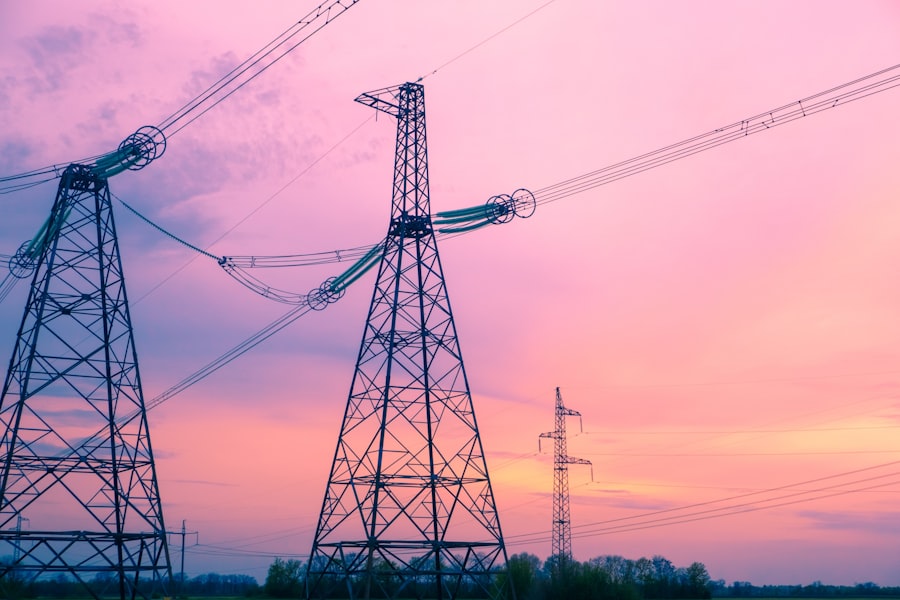
The increasing electricity demand driven by AI is not just a technical challenge; it carries significant geopolitical and economic implications that you, as a global citizen, need to consider. How you meet this demand will shape international relations, economic competitiveness, and the very fabric of your society.
The Race for Energy Resources and Infrastructure
As AI adoption accelerates, so does the need for reliable and affordable electricity. This is leading to increased competition for energy resources, particularly those that can support the growth of data centers and AI-powered industries. Countries with abundant and affordable energy sources may gain a significant economic advantage, while those that struggle to meet this demand could fall behind. You might witness shifts in global power dynamics driven by energy access.
Strategic Importance of Energy Abundance
Nations with access to cheap and plentiful electricity, whether from renewables, nuclear power, or fossil fuels, are better positioned to attract AI investments and foster innovation. This can lead to a strategic advantage in the global AI race, influencing technological development and economic growth. You are seeing the emergence of an “energy-rich” advantage in the digital age.
Infrastructure Investment and Global Competition
Significant investments will be required to build and upgrade electricity grids, renewable energy sources, and other energy infrastructure to support the growing demand. This presents both opportunities and challenges for countries, influencing their economic development and their position in the global market. The race to build this infrastructure will be a defining feature of the coming decades.
The Economic Landscape: Winners and Losers
The impact of AI on electricity demand will create economic winners and losers. Industries that can effectively leverage AI and access affordable energy will likely thrive, while those that cannot may struggle to remain competitive. This could lead to significant shifts in employment patterns and economic power. You are at the forefront of this economic evolution.
The AI Advantage and Competitiveness
Companies and nations that can harness the power of AI efficiently and sustainably, backed by robust energy infrastructure, will likely gain a competitive edge. This can translate into higher productivity, increased innovation, and greater economic prosperity. Your participation in this ecosystem will be influenced by these competitive forces.
The Cost of Energy and Economic Viability
The cost of electricity is a critical factor for the economic viability of AI-intensive operations. High energy prices can stifle innovation and make it difficult for businesses to adopt and scale AI solutions. This places a premium on energy efficiency and the development of cost-effective energy sources. You will be a stakeholder in how these costs are managed.
Environmental Considerations and the Energy Mix
The source of the electricity used to power AI is a critical environmental consideration. If the demand is met primarily by fossil fuels, the environmental impact will be significant, exacerbating climate change. Conversely, if the demand is met by renewable energy sources, AI can become a tool for a more sustainable future. You are facing a critical juncture in shaping this energy future.
The Carbon Footprint of AI
The carbon footprint of AI is directly linked to the energy mix used to power data centers and AI-driven operations. A heavy reliance on fossil fuels for electricity generation will result in substantial greenhouse gas emissions, contributing to climate change. You are responsible for the choices that shape this footprint.
The Promise of Green AI
The development of “green AI” – AI powered by renewable energy sources – offers a path towards a more sustainable future. This involves investing in renewable energy infrastructure, developing more energy-efficient AI algorithms, and designing data centers that minimize their environmental impact. You are an active participant in the transition towards a more sustainable technological future.
Innovations and Solutions: Powering the AI Revolution Sustainably
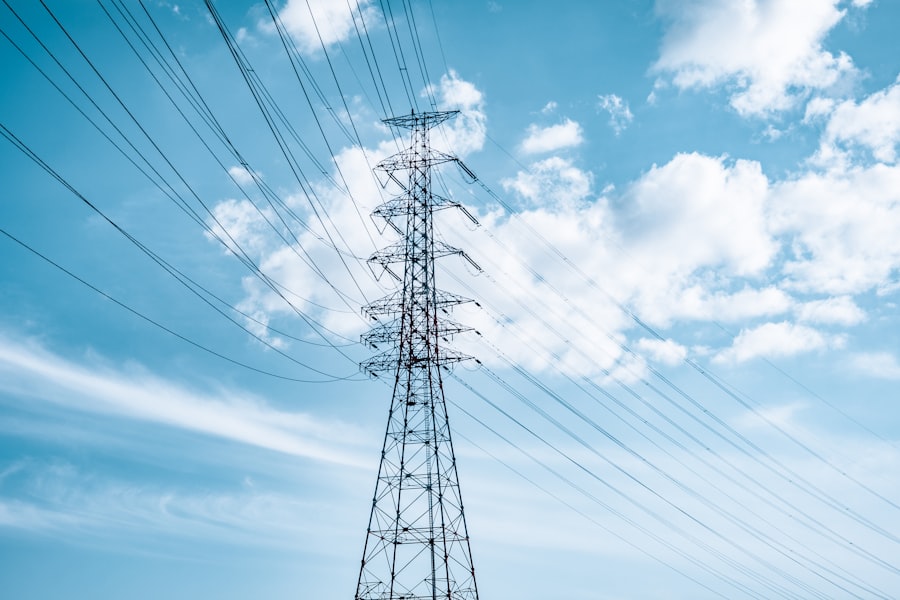
The challenges posed by AI’s growing electricity demand are significant, but they are also spurring innovation and driving the development of novel solutions. You are witnessing a race to power the AI revolution sustainably, and a variety of approaches are being explored.
Advancements in Data Center Efficiency
The industry is actively pursuing strategies to make data centers more energy-efficient. This includes innovative cooling technologies, optimized server designs, and the use of renewable energy sources to power these facilities. You are benefiting from these efforts as they strive to reduce the environmental impact of the digital infrastructure you rely on.
Liquid Cooling and Advanced Heat Dissipation
Traditional air cooling is becoming less effective for the high-density computing of modern data centers. Liquid cooling solutions, which circulate coolants directly through server components, are emerging as a more efficient method of heat dissipation, significantly reducing the energy required for cooling.
Location Optimization and Renewable Energy Integration
Data centers are increasingly being located in regions with access to abundant renewable energy sources, such as those with strong wind or solar resources. Furthermore, direct integration with renewable energy projects, where data centers contract to purchase power directly from new solar or wind farms, is becoming more common.
The Role of AI in Grid Management and Optimization
Ironically, AI itself can be a powerful tool for managing and optimizing electricity grids, helping to integrate renewable energy sources more effectively and respond to fluctuating demand. You are seeing AI work to solve the very problems it helps create.
Smart Grids and Demand-Side Management
AI-powered smart grids can predict electricity demand with greater accuracy, allowing for more efficient generation and distribution of power. AI can also facilitate demand-side management programs, encouraging consumers to shift their energy usage to off-peak hours, thereby reducing strain on the grid.
Integrating Renewable Energy Sources
The intermittent nature of renewable energy sources like solar and wind poses a challenge for grid stability. AI algorithms can help forecast renewable energy generation and optimize the dispatch of other energy sources to ensure a consistent and reliable power supply.
The Future of AI Hardware and Algorithmic Efficiency
Ongoing research and development in AI hardware and algorithms are focused on improving energy efficiency at the core of AI computation. This includes the design of specialized AI chips that are more power-efficient and the development of algorithms that require less computational power to achieve the same results.
Energy-Efficient AI Chips
New generations of AI accelerators and specialized processors are being designed with energy efficiency as a primary goal. These chips are optimized for AI workloads, delivering higher performance per watt consumed compared to general-purpose processors.
Algorithmic Innovations for Reduced Energy Consumption
Researchers are developing new AI algorithms that are more computationally efficient, requiring fewer operations and less data to achieve desired outcomes. This can include techniques like model compression, knowledge distillation, and efficient neural network architectures.
As artificial intelligence continues to evolve, its impact on electricity demand is becoming increasingly significant. The integration of AI technologies in smart grids and energy management systems is optimizing energy consumption, leading to more efficient use of resources. For a deeper understanding of how these advancements are reshaping the energy landscape, you can explore a related article that discusses the broader implications of AI on various sectors. This insightful piece can be found here, highlighting the transformative potential of AI in managing electricity demand and promoting sustainability.
Your Role in Shaping the Future of AI and Energy
| Impact of AI on Electricity Demand | Statistics |
|---|---|
| Increased Energy Efficiency | AI can optimize energy usage, reducing overall demand |
| Demand Forecasting | AI can predict electricity demand patterns more accurately |
| Grid Management | AI can help manage the electricity grid more efficiently |
| Renewable Integration | AI can facilitate the integration of renewable energy sources |
The impact of AI on electricity demand is a complex issue with far-reaching consequences. As an individual and as part of a larger society, you have a crucial role to play in shaping the future of AI and energy consumption. Your choices and actions, however small they may seem, contribute to the larger narrative.
Informed Consumption and Digital Footprint Awareness
Being aware of your digital footprint is an essential step. Understand which AI-powered services you use, how often, and consider their energy implications. Simple actions, like optimizing your device settings for energy saving or being mindful of streaming quality, can contribute to reducing overall demand. You are not just a consumer; you are an informed participant in the digital economy.
Understanding the Energy Cost of Digital Services
Educate yourself about the energy demands associated with the digital services you use daily. While the energy consumption of a single app might seem negligible, the collective impact of billions of users is substantial. This awareness can empower you to make more conscious choices.
The Power of Mindful Usage
Practicing mindful usage of AI-powered tools and services can make a difference. This might involve limiting unnecessary background processes, closing applications when not in use, and being judicious with data-intensive activities. Every conscious effort contributes to a larger reduction in energy demand.
Advocating for Sustainable Energy Policies
Your voice matters when it comes to shaping energy policies. Advocate for the development and adoption of renewable energy sources, the implementation of energy efficiency standards, and investments in grid modernization. You are a stakeholder in the energy future, and your advocacy can drive positive change.
Supporting Renewable Energy Initiatives
Encourage and support policies that promote the widespread adoption of renewable energy sources like solar, wind, and geothermal power. This includes advocating for incentives, regulatory frameworks, and investment in renewable energy infrastructure.
Promoting Energy Efficiency and Conservation
Support policies that incentivize energy efficiency across all sectors, from data centers to households. This can include promoting energy-efficient appliances, building codes, and conservation programs. Educating others about the importance of energy conservation can amplify your impact.
Investing in and Supporting Green AI Innovations
As a consumer, investor, or simply as a member of society, you can support the development and adoption of “green AI” solutions. This can involve choosing products and services from companies committed to sustainability, investing in companies focused on energy-efficient AI technologies, and participating in initiatives that promote responsible AI development. You have the power to direct resources towards a more sustainable future.
Choosing Sustainable AI Products and Services
When given the choice, opt for products and services that demonstrate a commitment to environmental sustainability. This might include choosing cloud providers that power their data centers with renewable energy or using AI applications that are designed for energy efficiency.
Driving Innovation Through Demand
By demonstrating a demand for sustainable AI solutions, you can encourage companies to prioritize energy efficiency and environmental responsibility in their AI development. This market-driven approach can be a powerful catalyst for change.
The future of AI and its impact on electricity demand is not predetermined. It is a future that you are actively creating, decision by decision, innovation by innovation. By understanding the challenges, embracing the solutions, and actively participating in the conversation, you can ensure that the transformative power of AI is harnessed responsibly and sustainably for the benefit of all. Your engagement with this evolving landscape is not just about understanding the present; it’s about actively shaping a more energy-conscious and sustainable future.

Is AI About to Make Your Electric Bill Even Higher?
FAQs
1. How is AI changing electricity demand?
AI is changing electricity demand by optimizing energy usage, predicting demand patterns, and improving grid efficiency. AI technologies can analyze large amounts of data to identify trends and patterns, allowing for more accurate demand forecasting and better management of energy resources.
2. What are some specific ways AI is impacting electricity demand?
AI is impacting electricity demand by enabling smart grid technologies, demand response programs, and energy management systems. These technologies can adjust electricity usage in real-time based on demand, weather conditions, and other factors, leading to more efficient and sustainable energy consumption.
3. How does AI help in predicting electricity demand?
AI helps in predicting electricity demand by analyzing historical data, weather patterns, and other relevant factors to forecast future energy usage. Machine learning algorithms can identify complex relationships and patterns in the data, allowing for more accurate predictions of electricity demand.
4. What are the benefits of using AI to manage electricity demand?
The benefits of using AI to manage electricity demand include reduced energy costs, improved grid reliability, lower environmental impact, and increased energy efficiency. AI technologies can optimize energy usage, reduce peak demand, and support the integration of renewable energy sources into the grid.
5. How is AI expected to continue shaping electricity demand in the future?
In the future, AI is expected to continue shaping electricity demand by enabling more advanced demand response programs, facilitating the integration of electric vehicles and energy storage systems, and supporting the development of smart cities and sustainable energy infrastructure. AI will play a crucial role in optimizing energy systems and meeting the evolving needs of electricity consumers.