
You chase it. You spend hours, days, years, a significant chunk of your precious life, striving to accumulate it. We’re talking about money, of course. But in your relentless pursuit, are you truly gaining richness, or are you falling prey to the illusion of wealth? The shiny veneer of a large bank balance, the latest model car, the sprawling house – these are often presented as the ultimate markers of success, the undeniable proof of a life well-lived. Yet, for many, these external displays do little to fill an inner void, and the constant pressure to maintain and increase them becomes a gilded cage. This article will delve into why more money doesn’t automatically translate to true riches, exploring the deceptive nature of material accumulation and the deeper, often overlooked, foundations of genuine wealth.
You’ve seen it. You’ve felt it. The magnetic pull of things. Advertisements bombard you, influencers flaunt their curated lifestyles, and society whispers that your worth is tied to what you own. This creates a potent, almost irresistible, allure for the material world. It’s a world where a new gadget promises instant happiness, a designer label screams status, and a bigger house signifies a loftier position in the social hierarchy. But let’s be honest with yourself: how often have those fleeting moments of perceived joy truly lasted?
The Dopamine Hit of Acquisition
When you make a purchase, especially a significant one, there’s a rush. It’s a chemical reaction, a brief surge of dopamine that makes you feel good. This is the pleasure of acquisition. The anticipation, the unboxing, the initial thrill of owning something new – it’s intoxicating. However, this feeling is notoriously short-lived. Soon, the novelty wears off, and the object of your desire becomes just another possession, often fading into the background of your daily life. This cycle of desire, acquisition, and eventual disinterest is a treadmill, demanding constant new purchases to recapture that initial spark. You find yourself chasing the next hit, the next item, the next status symbol, perpetually seeking a satisfaction that remains just out of reach. This isn’t sustainable, and more importantly, it’s not enriching.
The Social Comparison Trap
You’re not alone in this. We are inherently social creatures, and a significant part of our self-perception is formed through comparison. In the context of wealth, this often manifests as a relentless game of keeping up with the Joneses, or in your case, the Smiths, the Davises, or whoever your aspirational peers are. You see their new car, their vacation photos, their impressive renovations, and an internal alarm bells starts ringing. You might feel a pang of envy, a sense of inadequacy, or a pressure to match their perceived level of success. This social comparison trap is a powerful driver of unnecessary spending. You buy things not because you truly need or even desire them, but because you feel compelled to present a certain image to the world, to prove that you are “doing just as well,” if not better. This constant comparison erodes your contentment and prevents you from appreciating what you already have. It’s a recipe for perpetual dissatisfaction, where the finish line of “enough” always seems to recede.
The Illusion of Control and Security
There’s a comforting narrative that suggests more money equals more control over your life and greater security. It’s true, to a certain extent. Financial resources can certainly provide a buffer against unexpected expenses and offer opportunities. However, the illusion arises when this correlation is exaggerated or misconstrued. You might believe that amassing a vast fortune will shield you from all anxieties, grant you complete freedom, and guarantee an impenetrable sense of security. But life is inherently unpredictable. Illness can strike, markets can crash, and unforeseen circumstances can arise, regardless of the size of your bank account. Furthermore, the very act of accumulating and protecting large sums of money can itself create new anxieties. You might become preoccupied with its safekeeping, constantly worried about losing it, or feel a burden of responsibility for its management. This can ironically lead to a decrease in your sense of peace and control, rather than an increase. True security often stems from resilience, adaptability, and a strong support system, rather than solely from monetary assets.
Many people believe that making more money directly correlates with becoming rich, but this is a common misconception. In fact, wealth is often more about how you manage and invest your money rather than just the amount you earn. For a deeper understanding of this concept, you can explore the article on wealth growth and financial management at How Wealth Grows, which discusses the importance of financial literacy, smart investments, and the impact of lifestyle choices on long-term wealth accumulation.
The True Cost of Accumulation: Time and Freedom
You’ve heard the saying, “Time is money.” But have you truly considered the flip side? How much of your precious time are you sacrificing in the relentless pursuit of money? And what are you giving up in terms of your freedom? The accumulation of wealth, particularly through traditional employment or extensive business ventures, often comes at a significant cost to your personal time and autonomy. This is where the illusion of wealth truly starts to unravel.
The Trade-Off: Hours for Dollars
Consider your daily routine. How many hours are you actively engaged in work, striving to earn more? These are hours that could be spent with loved ones, pursuing passions, learning new skills, or simply relaxing and recharging. The more you aim to accumulate, the more you are likely to be tied to your work. Promotions might mean longer hours and increased responsibility. Starting and growing a business can be all-consuming, demanding your constant attention and energy. You find yourself trading your most finite and valuable resource – your time – for an abstract number in a bank account. This trade-off isn’t always a conscious decision, but it’s a powerful reality for many who are caught in the relentless cycle of wealth accumulation.
The Gilded Cage of Responsibility
As your wealth grows, so too does the complexity of managing it. You might find yourself entangled in investments, tax strategies, estate planning, and the ongoing maintenance of assets. This can feel less like freedom and more like a meticulously constructed gilded cage. Instead of having more time to pursue what truly matters to you, you might find yourself bogged down in administrative tasks and financial oversight. The very things you worked so hard to acquire can end up demanding a significant portion of your attention, leaving you with less mental and emotional space for genuine enjoyment and personal growth. The responsibility of managing a substantial fortune can be a heavy burden, ironically diminishing the freedom you initially sought.
The Erosion of Spontaneity and Joy
When your life becomes overly focused on financial goals, spontaneity can begin to wane. You might find yourself saying “no” to spontaneous outings or experiences because they don’t align with your budget or your long-term financial plan. The joy of a simple pleasure can be overshadowed by the calculation of its cost or its impact on your wealth-building trajectory. This can lead to a life that, while financially impressive, feels increasingly rigid and lacking in the vibrant, unpredictable moments that often contribute most to genuine happiness and a sense of aliveness. You might be able to afford extravagant experiences, but the ability to simply be present and enjoy the small, unexpected joys of life can be eroded.
Redefining Riches: Beyond the Bank Balance

You’ve been conditioned to believe that riches are measured in currency. But what if that definition is fundamentally flawed? True riches are not solely about the quantity of money you possess, but rather about the quality of your life, the depth of your experiences, and the richness of your relationships. It’s time to challenge the conventional narrative and explore what genuine wealth truly looks like.
Health as the Ultimate Currency
Consider your well-being. Without good health, what is the point of a substantial bank account? You cannot buy back lost time or reverse the effects of years of neglect on your body and mind. True riches begin with a foundation of robust health. This encompasses physical vitality, mental clarity, and emotional resilience. Investing in your health through nutritious food, regular exercise, adequate sleep, and stress management is not a luxury; it is a fundamental building block of a rich life. You may be able to afford the best medical care money can buy, but preventing illness and maintaining vitality through proactive choices is an investment that pays dividends far beyond financial returns.
Relationships: The Bedrock of a Flourishing Life
Think about the people who truly matter to you. Are your closest friends and family members lining up to ask you for financial advice, or are they there to share laughter, offer support, and celebrate life’s milestones? Deep, meaningful relationships are a profound source of richness. The time and energy you invest in nurturing these connections – sharing experiences, offering empathy, and being present for one another – create a wealth that money can never replicate. These relationships provide emotional security, a sense of belonging, and a support system that can weather any financial storm. They are the quiet, yet powerful, indicators of a life truly well-lived.
Experiences Over Possessions: The Tapestry of Your Life
What stories will you tell? What memories will you cherish? The richest lives are often filled with a tapestry of diverse and meaningful experiences, rather than a hoard of material possessions. Think back to your most treasured moments. Were they the purchase of a new car, or the adventure of exploring a new country? Was it the acquisition of a designer handbag, or the shared laughter with friends on a spontaneous road trip? Prioritizing experiences – whether they are grand adventures or simple moments of connection and learning – creates a wealth of memories, personal growth, and a deeper understanding of yourself and the world. These are the indelible imprints on your life, the true treasures that no one can take away.
The Path to Genuine Wealth: Intentionality and Fulfillment
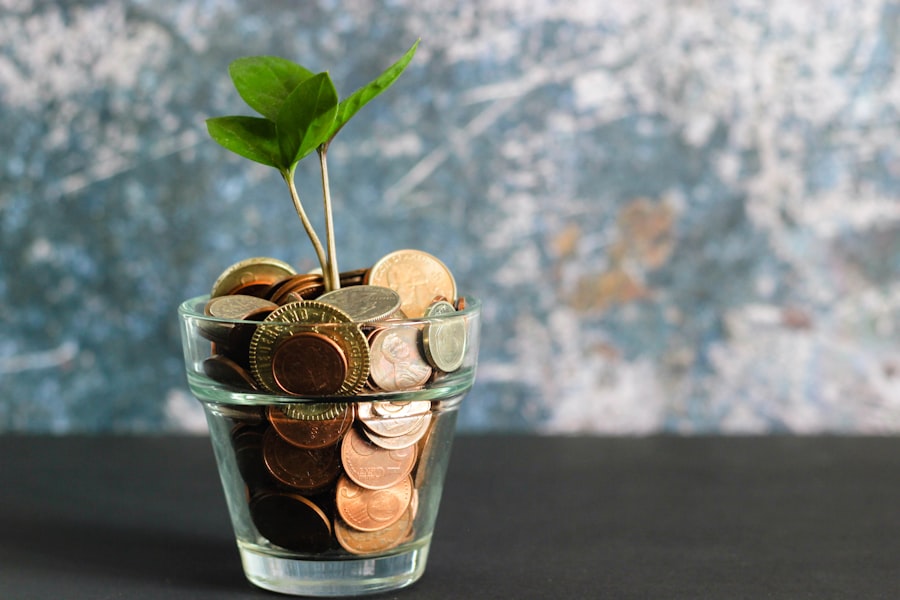
You’ve seen how the illusion of wealth can lead you astray, leaving you chasing a hollow ideal. But what does the path to genuine riches look like? It’s a path paved with intention, a conscious choice to prioritize what truly nourishes your soul and enriches your life. It’s about shifting your focus from acquisition to appreciation, from accumulation to fulfillment.
Aligning Your Values with Your Spending
The first step on this path is understanding your core values. What truly matters to you beyond financial gain? Is it creativity, community, learning, adventure, or something else entirely? Once you have a clear understanding of your values, you can begin to align your spending with them. This means making conscious choices about where your money goes, ensuring that your expenditures reflect what you deem most important. If community is a core value, perhaps you prioritize supporting local businesses or donating to causes you believe in. If learning is paramount, you might invest in educational resources or workshops. This intentionality transforms spending from a mindless pursuit of possessions into a deliberate act of living in accordance with your deepest beliefs.
Cultivating Gratitude for What You Have
The constant pursuit of more can blind you to the abundance that already exists in your life. Cultivating gratitude is a powerful antidote to the illusion of wealth. Take time each day to acknowledge and appreciate the blessings you have – your health, your relationships, the roof over your head, the food on your table, the simple joys that often go unnoticed. This practice shifts your perspective from scarcity to abundance, fostering contentment and diminishing the relentless desire for what you perceive as lacking. Gratitude is a readily accessible form of wealth, available to everyone, regardless of their bank balance. It reorients your focus from what you don’t have to what you do have, revealing the riches that have been there all along.
Embracing a Life of Purpose and Contribution
Ultimately, true riches are often found in living a life of purpose and contributing to something larger than yourself. When you dedicate your energy and resources to something you believe in, something that makes a positive impact, you experience a profound sense of fulfillment that money cannot buy. This could be through your work, your volunteer efforts, your creative pursuits, or simply by being a source of support and kindness to others. This sense of purpose provides a deep and lasting richness, a feeling of meaning that transcends material possessions and financial statements. When you are contributing your unique talents and energies to the world, you are creating a wealth that echoes far beyond your individual existence.
Many people believe that simply earning a higher income will lead to wealth, but this notion is often misleading. In fact, financial stability and true richness come from understanding how to manage and grow your money effectively. For a deeper exploration of this concept, you can read a related article that discusses the importance of financial literacy and smart investing strategies. This insightful piece can be found here, where it highlights that wealth is not just about making more money but also about making your money work for you.
The Ongoing Journey: Wealth as a State of Being
| Reasons | Explanations |
|---|---|
| High Expenses | Earning more money can lead to higher expenses, such as lifestyle inflation, which can prevent wealth accumulation. |
| Lack of Financial Education | Without proper financial knowledge, individuals may not know how to effectively manage and invest their increased income. |
| Debt Accumulation | Increased income can lead to higher borrowing and debt accumulation, which can hinder wealth building. |
| Uncontrolled Spending | Without proper budgeting and financial discipline, higher income may result in uncontrolled spending and little savings. |
| Dependency on Income | Relying solely on earned income without creating passive income streams can limit long-term wealth accumulation. |
You’ve begun to understand that wealth isn’t just a destination; it’s a continuous journey, a dynamic state of being. It’s a process of ongoing self-discovery, intentional living, and a commitment to nurturing the aspects of your life that truly matter. The illusion of wealth tempts you with shortcuts, with quick fixes, but genuine riches are built brick by brick, moment by moment, with intention and awareness.
The Evolving Definition of “Enough”
Your understanding of “enough” will evolve as you move away from the illusion of wealth. What once seemed insufficient will begin to feel abundant when viewed through the lens of health, relationships, and meaningful experiences. The constant pressure to acquire more will gradually dissipate, replaced by a quiet contentment with what you have and a focus on enriching your life in qualitative ways. This is not about settling for less; it’s about recognizing that true satisfaction doesn’t lie in an ever-increasing bottom line, but in the richness of your present moment and the depth of your connections.
Practicing Mindful Consumption
As you redefine riches, mindful consumption becomes an essential practice. This involves being deliberate about your purchases, asking yourself not just “Can I afford this?” but “Do I truly need this?” and “Does this purchase align with my values and contribute to my well-being?” This conscious approach to consumption prevents you from falling back into the trap of impulsive buying and helps you maintain a focus on quality over quantity. It’s about making your spending a conscious expression of your rich life, rather than a mindless pursuit of possessions.
The Lifelong Pursuit of Growth and Fulfillment
The pursuit of genuine wealth is not a finite goal with an endpoint. It is a lifelong journey of growth and fulfillment. It involves continuously seeking new experiences, deepening your understanding of yourself and the world, and contributing your unique gifts. This ongoing pursuit ensures that your life remains vibrant, engaging, and rich in meaning. It’s about embracing the process, celebrating the small victories, and understanding that the most profound riches are those that nourish your soul and leave a positive legacy. You are not just accumulating assets; you are cultivating a life of unparalleled value.

The Wealth Tipping Point: When Money Stops Feeling Hard
FAQs
1. What is the difference between making more money and being rich?
Making more money refers to increasing one’s income, while being rich refers to having a high net worth and financial stability. Simply making more money does not guarantee wealth or financial security.
2. Why does making more money not necessarily make someone rich?
Making more money does not automatically lead to wealth because it depends on how the money is managed and invested. Without proper financial planning and smart investment decisions, increased income may not lead to long-term wealth.
3. What are some factors that contribute to becoming rich besides making more money?
Factors that contribute to becoming rich include smart financial planning, investing in assets that appreciate in value, living within one’s means, and avoiding excessive debt. Building multiple streams of income and saving and investing wisely are also important factors.
4. Can someone be considered rich without a high income?
Yes, someone can be considered rich without a high income if they have accumulated significant wealth through smart investing, saving, and living within their means. Wealth is not solely determined by income, but also by the accumulation of assets and financial stability.
5. What are some common misconceptions about wealth and being rich?
Common misconceptions about wealth include equating it solely with high income, believing that material possessions equate to wealth, and assuming that wealth is unattainable without a large inheritance or windfall. In reality, wealth is often the result of disciplined financial habits and smart investment decisions.