You crave it. You chase it. You believe it’s the ultimate prize, the key that unlocks every door, the ultimate liberation. You’re talking about wealth, of course. That shimmering, alluring concept that promises a life of ease, of choice, of… freedom. But what if I told you that the pursuit of wealth often leads you down a different path, a path that can, paradoxically, tether you tighter than any physical chain? What if the very thing you believe will set you free is, in fact, an illusion?
You’ve seen the movies, the Instagram feeds, the aspirational billboards. They depict a life unburdened by bills, where the only decisions are which exotic destination to jet off to next or which limited-edition designer item to acquire. This is the cultivated image of wealth: effortless, boundless, and inherently free. And it’s a powerful narrative, one that infiltrates your thoughts and shapes your desires. You work harder, longer, pushing your personal boundaries, often sacrificing precious time with loved ones and neglecting your own well-being, all in the name of accumulating more. But the catch, the sly deception woven into this narrative, is that true freedom isn’t about the quantity of your possessions or the zeros in your bank account. It’s about something far more subtle, something that money, in its traditional understanding, can’t always purchase. You’re caught in the illusion of wealth, and it’s time to understand why.
You were taught from a young age that more is better. A bigger house, a faster car, the latest gadgets – these are presented as markers of success, symbols of a life well-lived. This relentless drive to acquire, to fill countless empty spaces with tangible objects, becomes a primary focus. You mistake accumulation for achievement, hoarding for happiness.
The Never-Ending Pursuit of More
You’ve likely experienced this yourself. You finally achieve a financial milestone, a salary increase, a significant bonus. For a fleeting moment, there’s a sense of satisfaction, a feeling of having “made it.” But before that feeling can truly settle, a new desire blooms. That bonus could have been a down payment on a larger house. That salary increase could afford you that luxury watch you’ve been eyeing. The cycle repeats, an insatiable hunger for more that your current possessions never quite manage to sate. You’re forever on a treadmill, running faster and faster to stay in the same place, yearning for a finish line that recedes with every step.
The Emptiness of Possessions
You might have a closet overflowing with clothes you rarely wear, a garage packed with tools you never use, or a digital life drowning in subscriptions. These objects, once sources of delight or perceived necessities, now represent clutter, obligations, and even sources of anxiety. The joy of acquisition fades, replaced by the logistical challenges of maintenance, storage, and the gnawing realization that these things don’t fundamentally alter your inner state. You might be surrounded by beautiful things, but do you feel beautiful? Do you feel content? The illusion of wealth whispers that these external markers will fill an internal void, but they often serve only to highlight that void more starkly.
The Social Comparison Trap
Social media has amplified this to an unprecedented degree. You are constantly bombarded with carefully curated images of other people’s lives, showcasing their latest purchases, their lavish vacations, their seemingly perfect existences. This breeds a culture of incessant comparison. You see what others have, and you feel you must have it too, not because you genuinely need or desire it, but because you feel you’re falling behind. This competitive spirit, fueled by the illusion of wealth, fosters envy and dissatisfaction, eroding any sense of contentment you might have with your own circumstances.
While many people believe that accumulating wealth can lead to true freedom, the article found at this link explores the deeper aspects of freedom that money cannot purchase. It delves into the idea that personal fulfillment, meaningful relationships, and a sense of purpose are essential components of freedom that financial resources alone cannot provide. This perspective encourages readers to reflect on what it truly means to be free, highlighting that the richest experiences in life often come from non-material sources.
The Tyranny of Time and Obligation
The pursuit and maintenance of wealth often come at a steep price: your most precious and limited resource – time. You believe that accumulating money will buy you more time, but in reality, it often enslaves you to a different kind of time commitment.
The Golden Handcuffs of a High-Stakes Career
You’ve climbed the corporate ladder, or built a successful business, and the financial rewards are undeniable. However, this position often demands an exorbitant amount of your time and energy. You’re answering emails at midnight, taking calls on weekends, and constantly on call for your work. The freedom you envisioned – the freedom to step away, to relax, to pursue passions – is an illusion because your livelihood is inextricably tied to your constant availability and performance. These are the “golden handcuffs,” a gilded cage of your own making.
The Burden of Management and Maintenance
Wealth isn’t static; it requires management. You have investments to monitor, properties to maintain, employees to oversee, and complex financial decisions to make. This isn’t the passive enjoyment you imagined. It’s a constant stream of responsibilities, often absorbing the very time you thought you were buying. You’re busier than ever, not with pursuits you love, but with the logistics of keeping your wealth intact and growing.
The Loss of Spontaneity
True freedom often lies in spontaneity, in the ability to make sudden plans, to say “yes” to an unexpected adventure. However, for many who are deeply invested in their wealthy pursuits, this becomes difficult. A last-minute trip might disrupt important meetings, a spontaneous social gathering could interfere with critical tasks. Your calendar, once a symbol of your productivity, becomes a rigid structure dictating your every move, robbing you of the simple joy of unscripted living.
The Emotional Toll: Anxiety, Fear, and Isolation
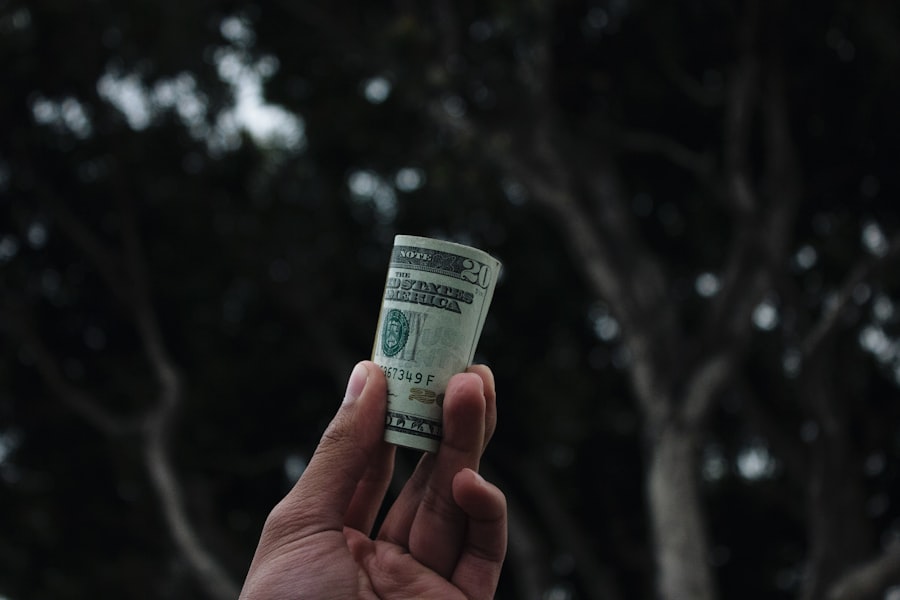
Beneath the veneer of affluence, a significant emotional toll can be exacted. The constant pressure to maintain and grow your wealth, coupled with the fear of losing it, can be exhausting and psychologically damaging.
The Fear of Loss
Once you’ve accumulated a certain level of wealth, a new fear often emerges: the fear of losing it. Market downturns, poor investments, unexpected expenses – these become significant sources of anxiety. You might find yourself constantly monitoring financial news, obsessing over asset values, and making decisions driven by fear rather than by genuine desire. This hypervigilance, while seemingly protective, is a cage built of worry, preventing you from truly relaxing and enjoying what you have.
The Pressure of Performance
For many, wealth is directly tied to their performance, whether in business, investments, or a high-paying profession. This creates a continuous pressure to perform, to achieve, to exceed expectations. The moment you falter, the moment your performance dips, the fear of financial repercussions can be overwhelming. This constant need to prove yourself, to maintain your status, is a significant drain on your mental and emotional well-being.
The Isolation of Success
Paradoxically, as your wealth grows, your circle of trusted confidants may shrink. You may find it difficult to distinguish genuine friendships from those motivated by ulterior motives. Conversations can easily turn into solicitations or veiled attempts to leverage your financial status. This can lead to a profound sense of isolation, where you feel surrounded by people but truly understood by no one. The genuine human connection you crave, the simple act of being seen and accepted for who you are, is often elusive.
Redefining Freedom: Beyond What Your Bank Account Can Hold

The illusion of wealth is powerful because it’s a tangible, measurable goal. But true freedom, the kind that nourishes your soul and brings lasting contentment, is often intangible and requires a different kind of pursuit.
The Freedom of Choice, Not Just Financial Capacity
You might have the money to buy anything, but do you have the freedom to choose not to? That’s the real freedom. It’s the ability to say “no” to opportunities that don’t align with your values, to decline commitments that drain your energy, to walk away from situations that no longer serve you, without the crippling fear of financial ruin. This is a freedom that comes from internal security, not just external abundance.
The Freedom of Purpose
When your life is driven solely by the accumulation of wealth, you can lose sight of a larger purpose. True freedom comes when you are engaged in activities that align with your deeply held values and passions, activities that contribute to something beyond yourself. This could be through charitable work, creative pursuits, or simply living a life aligned with your personal mission. When you feel your actions have meaning, you experience a profound sense of liberation.
The Freedom of Presence
In the relentless pursuit of wealth, you often live in the future, planning your next acquisition or your next financial move. The freedom of presence, however, is the ability to fully inhabit the now. It’s appreciating the simple moments, engaging deeply in conversations, and finding joy in the present. This is a freedom that money cannot buy, but rather a discipline that cultivates contentment regardless of your financial standing.
Many people often believe that accumulating wealth equates to gaining freedom, but this notion is more complex than it appears. In fact, an insightful article discusses how true freedom stems from personal choices and fulfillment rather than financial status. It highlights that while money can provide comfort and convenience, it does not guarantee happiness or liberation from life’s challenges. For a deeper understanding of this concept, you can read more in this related article that explores the intricate relationship between wealth and personal freedom.
Cultivating True Liberation: Shifting Your Focus
“`html
| Reasons | Explanations |
|---|---|
| Lack of Time | Even with money, people may still feel constrained by time due to work or other commitments. |
| Dependency | Having money doesn’t guarantee independence as people may still rely on others for emotional support or care. |
| Legal Restrictions | There are legal and societal limitations that money cannot always overcome, such as freedom of speech or movement. |
| Mental Health | Money cannot always buy peace of mind or mental well-being, which is essential for feeling truly free. |
| Relationships | Money doesn’t guarantee fulfilling relationships or connections, which are important for a sense of freedom. |
“`
Breaking free from the illusion of wealth requires a conscious effort to shift your perspective and redefine what “rich” truly means to you. It’s about recognizing that the ultimate treasures are often not material.
Embracing Minimalism and Intentional Living
You don’t need to give away everything you own, but adopting principles of minimalism can be incredibly freeing. It’s about consciously choosing what you bring into your life, valuing quality over quantity, and decluttering not just your physical space but also your mental and emotional landscape. Intentional living means making deliberate choices about how you spend your time, energy, and resources, aligning them with what truly brings you joy and fulfillment.
Investing in Experiences and Relationships
Instead of solely focusing on accumulating more things, consider investing in experiences. Travel, learning new skills, attending concerts, spending time in nature – these are often the memories that bring the most lasting joy and enrichment. Equally vital is investing in your relationships. Nurturing deep connections with loved ones, building a strong support network, and fostering genuine intimacy are far more valuable than any material possession.
Prioritizing Well-being and Self-Care
Your physical and mental well-being are the foundations upon which all other freedoms are built. Neglecting them in the pursuit of wealth is a tragic irony. Prioritize sleep, healthy eating, regular exercise, and activities that reduce stress and promote mindfulness. True wealth lies in your health, your peace of mind, and your capacity to engage fully with life.
Cultivating Gratitude and Contentment
Ultimately, the most potent antidote to the illusion of wealth is cultivating gratitude and contentment. Regularly acknowledge and appreciate what you already have, rather than constantly focusing on what you lack. When you learn to find joy and satisfaction in your present circumstances, you unlock a freedom that no amount of money can ever purchase. You realize that the richness of life lies not in what you own, but in how you choose to live and what you choose to cherish. You have the power to break free from the illusion and embrace a truer, more profound form of liberation.

You’re Not Wealthy. You’re Just Hard to Fire.
FAQs
1. What is the relationship between money and freedom?
Money can provide opportunities and choices, but it does not guarantee freedom. While having financial resources can make certain aspects of life easier, true freedom comes from factors such as personal autonomy, self-determination, and the ability to make choices without external constraints.
2. How does money impact freedom in society?
In society, money can influence access to resources, opportunities, and power. However, it does not necessarily translate to freedom for everyone. Economic inequality, systemic barriers, and social structures can limit individuals’ freedom, regardless of their financial status.
3. Can money buy happiness and fulfillment?
While money can contribute to a certain level of comfort and security, studies have shown that beyond a certain income threshold, additional wealth does not significantly increase happiness or fulfillment. Factors such as relationships, purpose, and personal well-being play a more significant role in overall satisfaction and happiness.
4. What are some examples of how money does not buy freedom?
There are numerous examples of individuals with substantial wealth who still face limitations on their freedom. This can include societal expectations, legal constraints, and personal struggles that cannot be solved simply by financial means.
5. How can individuals pursue freedom without relying solely on money?
Individuals can pursue freedom by cultivating meaningful relationships, pursuing personal growth and development, advocating for social justice, and engaging in activities that align with their values and passions. True freedom often comes from a combination of internal fulfillment and external circumstances, rather than relying solely on financial resources.