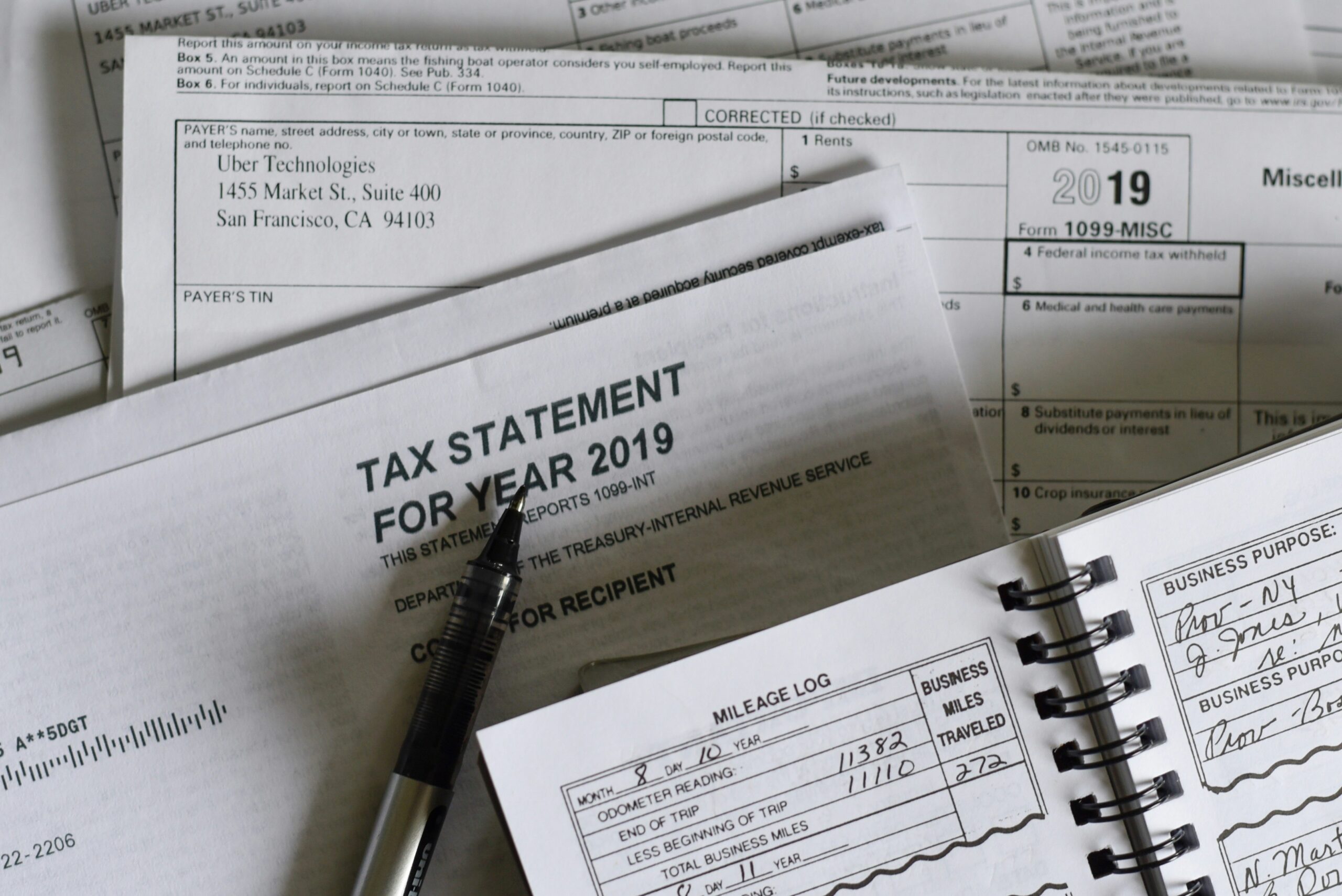
You’ve done it. You’ve climbed the ladder, you’ve landed that dream job, and your salary reflects your hard work and dedication. The paystub you get every two weeks is impressive, a number that would make your younger self do a double-take. You’ve achieved what so many strive for – financial success. You tell yourself, “Now I can finally relax, now I can finally afford to live.” But then the bills arrive, the unexpected expenses pop up, and you find yourself staring at your bank account with a familiar, nagging feeling of… being broke. How is this possible? You’re earning more than ever before. This, my friend, is the high-income paradox.
You see the large number, the one that signifies progress and achievement. It feels like a green light, a permission slip to finally indulge, to upgrade, to have. But this perception of abundance can be a powerful illusion, one that masks a more complex financial reality. The sheer fact of a high income doesn’t automatically translate to a healthy bank balance or a sense of financial security. It’s a common trap many high earners fall into, believing that more money inherently means more freedom, when in reality, it often means more financial responsibilities and temptations.
The Shifting Goalposts of “Enough”
When you were earning less, you had a defined set of wants and needs. A comfortable apartment, a reliable car, maybe a few vacations a year. Now, with your increased income, those goals have subtly shifted. That comfortable apartment might now feel cramped, and you start eyeing that larger house in a more affluent neighborhood. The reliable car is no longer good enough; you deserve something more luxurious. Your definition of “enough” has expanded, often without you even consciously realizing it. This constant upward creep of your desires means that no matter how much you earn, you might never feel like you have “enough.”
The Social Mirror: Keeping Up with the Joneses (or the Smiths, or the Johnsons)
You’re surrounded by people with similar or higher incomes. You attend industry events, socialize with colleagues, and observe the lifestyles displayed on social media. This constant exposure to affluence creates a powerful social pressure to conform. If everyone you know is driving a luxury SUV, taking lavish vacations, and dining at Michelin-starred restaurants, you start to feel it’s expected, or even necessary, to do the same. This “keeping up with the Joneses” phenomenon isn’t just about tangible goods; it’s about maintaining a perceived status and belonging within a certain social stratum.
The Escalating Cost of Living: It’s Not Just About Your Salary
Beyond your personal desires, the very nature of a higher income often dictates an increased cost of living. You might move to a more expensive city for that high-paying job, or your lifestyle choices might naturally trend towards more costly services and goods. This isn’t necessarily a conscious decision to overspend, but rather a consequence of your new circumstances. Think about it:
The Housing Premium: Location, Location, Location
Your previous living situation was likely in a more affordable area. With more income, you might be tempted to move into a nicer neighborhood, closer to work, or in a school district with better ratings. These desirable locations come with a premium, significantly increasing your mortgage payments or rent. The allure of a bigger house, a more modern aesthetic, or better amenities can easily overshadow the actual financial implications.
The “Treat Yourself” Culture: Rewarding Success (Perhaps Too Much)
You’ve worked hard, and you deserve to be rewarded. This is a valid sentiment. However, the high-income paradox often involves a distorted perception of what constitutes a reasonable reward. Daily gourmet coffees, impulse purchases of designer clothing, frequent fine dining experiences – these seemingly small indulgences, when multiplied by your increased capacity to afford them, can add up at an astonishing rate. You’re not necessarily being frivolous; you’re simply acting on the permission your income has implicitly granted you.
Many individuals find themselves in the paradox of earning a high income yet still feeling financially strained. This phenomenon can often be attributed to lifestyle inflation, poor financial management, and lack of savings. For a deeper understanding of this issue, you can explore the article on wealth management and financial growth strategies at How Wealth Grows, which provides valuable insights into how to effectively manage your finances and build lasting wealth.
The Silent Drain: Unseen Expenses That Eat Away at Your Income
It’s not just the things you choose to buy that deplete your bank account. There are often a host of less visible expenses that accompany a higher earning potential, expenses that can seep away your income before you even have a chance to see it. These are the costs of doing business, of maintaining a certain lifestyle, and of simply existing in a world that caters to those with more disposable income.
The “Two-Income Household” Assumption: When One High Earner Isn’t Enough
You might be a high earner, but perhaps your partner isn’t. Or, if both of you are high earners, you might be operating under the assumption that your combined income is a boundless wellspring of funds. This can lead to a relaxed approach to budgeting, a feeling that you can afford any expense because, well, there’s so much money coming in. However, this can also mean that essential household expenses, like mortgages, utilities, and childcare, consume a larger portion of your combined income than you might anticipate.
The Cost of Convenience: Outsourcing Your Life
With a demanding career, your time becomes an incredibly valuable commodity. This often leads to outsourcing tasks that you would have previously done yourself. Hiring a cleaning service, a personal chef, a landscaper, or even a personal assistant might seem like a logical step to free up your time. While this can undoubtedly improve your quality of life, the cumulative cost of these conveniences can be substantial and often goes unnoticed in the larger financial picture. You’re paying for the luxury of not having to do these things yourself.
The Investment Traps: Good Intentions, Bad Outcomes
You’re likely aware of the importance of investing for the future. However, the world of high-end investments can be a minefield. You might be drawn to complex financial products, exclusive investment opportunities, or high-fee advisory services that promise exceptional returns. Without proper due diligence or expert, unbiased advice, these can become significant drains on your wealth, eroding your capital instead of growing it. The allure of outsized returns can blind you to the inherent risks and hidden costs.
The Hidden Costs of “Better” Things: Maintenance and Beyond
You’ve upgraded to a more expensive home, a luxury car, or higher-end electronics. These things often come with higher maintenance costs, insurance premiums, and repair bills. That sleek, modern appliance might require specialized servicing, and that high-performance car will certainly drink more gas and have pricier parts. These ongoing costs, while predictable for those who own such items, can often be underestimated by those transitioning from more modest possessions.
The Mindset Trap: How Beliefs About Money Sabotage Your Financial Health

Beyond the tangible expenses, your internal relationship with money plays a crucial role in the high-income paradox. Your beliefs, your habits, and your very perception of wealth can be the invisible saboteurs of your financial well-being, even when you’re earning a substantial amount.
The “I’ll Save Later” Syndrome: Procrastination Born of Abundance
Because you earn so much, the idea of saving feels less urgent. You might routinely tell yourself, “I’ll catch up on savings next month,” or “I can always put more aside when I get a raise.” This procrastination, fueled by the comfort of your current income, can lead to a significant deficit in long-term savings and investment. The habit of immediate gratification, enabled by your current wealth, becomes ingrained.
The Discounting of Small Expenses: “It’s Just a Few Dollars”
When you’re used to dealing with large numbers, the idea of a few dollars here and there can seem insignificant. That $10 coffee, that $50 gadget, that $20 impulse purchase – they barely register. However, these “insignificant” amounts, when accumulated over time, can represent a considerable portion of your disposable income. You’ve effectively devalued small expenses, making it easier to justify their inclusion in your spending.
The Fear of Scarcity (Despite Abundance): An Unconscious Anomaly
Ironically, some high earners harbor an unconscious fear of scarcity, a lingering echo of past financial struggles or a deep-seated belief that wealth can disappear overnight. This fear can manifest as a tendency to hoard, to be overly cautious with investments, or to resist spending even when it would genuinely enhance your quality of life and provide a well-deserved reward for your hard work. This can ironically lead to an inability to enjoy the fruits of your labor.
The “I Deserve It” Justification: A Slippery Slope
While you do deserve to enjoy the fruits of your labor, this justification can become a slippery slope. Every upgrade, every indulgence, every unnecessary purchase can be rationalized with “I deserve it.” This constant self-reward, without a corresponding commitment to financial discipline, can quickly lead to overspending. It’s like giving yourself a raise with every purchase, without actually earning it.
Breaking the Cycle: Strategies to Reclaim Your Financial Freedom

The good news is that the high-income paradox is not an insurmountable obstacle. By understanding the underlying mechanisms and implementing specific strategies, you can reclaim your financial freedom and ensure your high income actually translates to true financial well-being.
Embrace the Power of Budgeting (Yes, Even with a High Income)
Budgeting isn’t just for those struggling to make ends meet. For high earners, a budget serves as a roadmap, a tool for intentional spending and saving. It helps you identify where your money is going and allows you to make conscious decisions about your priorities.
Tracking Your Spending: The Foundation of Awareness
The first step is to understand your current spending habits. Use budgeting apps, spreadsheets, or even a notebook to meticulously track every dollar. This will reveal those hidden expenses and the silent drain you might not be aware of. Seeing the numbers laid out can be a powerful motivator for change.
Differentiating Needs vs. Wants: A Crucial Exercise
With a high income, the line between needs and wants can blur. This exercise requires honest self-reflection. While you might want the latest luxury car, you need reliable transportation. Differentiating these will help you prioritize your spending and make more deliberate choices.
Setting Realistic Financial Goals: Beyond the Next Purchase
Your financial goals should extend beyond acquiring more material possessions. Set clear goals for savings, investments, debt reduction, and philanthropy. Having tangible targets provides direction and motivation for your financial discipline.
Cultivate Financial Literacy and Seek Expert Guidance
Don’t assume that your high income makes you an expert in personal finance. Continuous learning and seeking professional advice are crucial.
Educate Yourself on Investment Strategies: Informed Decisions
Understand different investment vehicles, risk management, and long-term financial planning. The more knowledge you have, the better equipped you will be to make sound investment decisions and avoid pitfalls.
Consult a Fee-Only Financial Advisor: Unbiased Advice
A fee-only financial advisor is compensated directly by you, eliminating potential conflicts of interest that might arise from commission-based advisors. They can provide personalized guidance tailored to your income, goals, and risk tolerance.
Understand Tax Implications: Maximizing Your Net Income
High incomes often come with complex tax situations. Understanding tax-efficient strategies can significantly impact your net income and your ability to save and invest.
Practice Mindful Spending and Delayed Gratification
Shifting your mindset towards conscious consumption is key to breaking the cycle.
The “Pause Before You Purchase” Rule: A Simple but Effective Tactic
Before making any non-essential purchase, implement a 24-hour or even 30-day waiting period. This allows you to assess whether the desire is fleeting or genuinely important. Often, the urge to buy will pass.
Focus on Experiences Over Things: Lasting Value
Invest in experiences that create lasting memories and personal growth, rather than material possessions that depreciate. Travel, learning new skills, or spending quality time with loved ones often provide more fulfillment and long-term satisfaction.
Curate Your Purchases: Quality Over Quantity
Instead of accumulating numerous items, focus on acquiring high-quality, durable goods that you truly need and will use. This not only leads to less clutter but can also be more cost-effective in the long run.
Many individuals find themselves in the paradox of earning a high income yet still feeling financially strained. This phenomenon can often be attributed to lifestyle inflation, poor financial management, or unexpected expenses that arise. For a deeper understanding of this issue, you can explore a related article that discusses the complexities of wealth and financial habits. Check out this insightful piece on how to navigate these challenges by visiting this link.
Building a Sustainable Future: Turning High Income into True Wealth
| Category | Metrics |
|---|---|
| Income | High |
| Savings | Low |
| Debt | High |
| Expenses | High |
| Investments | Low |
The ultimate goal of managing a high income effectively isn’t just about avoiding the “broke” feeling; it’s about building genuine, sustainable wealth that provides long-term security and freedom. This requires a strategic approach that moves beyond the immediate gratification and focuses on the future.
Automate Your Savings and Investments: The Power of Set-and-Forget
Make saving and investing a non-negotiable part of your financial life. Set up automatic transfers from your checking account to your savings and investment accounts immediately after you get paid. This removes the temptation to spend the money and ensures consistency. Treat these transfers as essential bills.
The “Pay Yourself First” Principle: Prioritizing Your Future
This fundamental principle of personal finance is even more critical for high earners. Before you allocate funds to discretionary spending, dining out, or even paying non-essential bills, ensure a portion of your income is automatically directed towards your savings and investments. This shifts your financial priorities.
Diversify Your Investment Portfolio: Spreading the Risk
Don’t put all your eggs in one basket. Work with your financial advisor to create a well-diversified investment portfolio across different asset classes, such as stocks, bonds, real estate, and alternative investments. Diversification helps mitigate risk and can lead to more stable, long-term growth.
Plan for the Long Term: Retirement and Beyond
Your high income provides a fantastic opportunity to secure a comfortable retirement and achieve other significant long-term goals.
Maximize Retirement Contributions: Taking Full Advantage of Tax Benefits
Take full advantage of tax-advantaged retirement accounts like 401(k)s, IRAs, and other employer-sponsored plans. Understand contribution limits and consider “backdoor” Roth IRA contributions if you exceed income limitations.
Consider Estate Planning: Protecting Your Legacy
As your wealth grows, it becomes increasingly important to plan for the distribution of your assets. This includes creating a will, establishing trusts, and considering other estate planning tools to ensure your wishes are met and your assets are protected.
Philanthropic Goals: Giving Back with Impact
Many high earners find fulfillment in giving back to their communities or causes they believe in. Incorporating philanthropic goals into your financial plan can be both personally rewarding and tax-advantageous. Consider setting up donor-advised funds or making significant contributions to charities.
Regularly Review and Adjust Your Financial Plan: Staying Agile
Your financial situation is not static. Life circumstances, market conditions, and your evolving goals require regular review and adjustments to your financial plan.
Annual Financial Check-ups: A Time for Evaluation
Schedule at least one in-depth financial review each year. This is when you assess your progress towards your goals, re-evaluate your budget, and make any necessary adjustments to your investment strategy.
Adapting to Life Changes: Marriage, Children, or Career Shifts
Significant life events can dramatically impact your financial picture. Be prepared to adapt your plan to accommodate new expenses, income changes, or evolving priorities. Don’t let your financial plan become outdated.
Staying Informed About Economic Trends: Proactive Measures
Keep an eye on economic trends and market conditions. While you shouldn’t make impulsive decisions based on news cycles, being informed allows you to make proactive adjustments to your portfolio and financial strategy to navigate potential downturns or capitalize on opportunities.
You might be earning more than ever before, but the feeling of being perpetually broke doesn’t have to be your reality. By understanding the insidious nature of the high-income paradox and proactively implementing sound financial strategies, you can transform your impressive salary into true financial freedom, security, and the ability to truly enjoy the life your hard work has earned you. It’s time to move beyond the illusion of abundance and embrace the power of intentional financial management. Your future self will thank you.

You Can Be a Millionaire… and Still Financially Fragile
FAQs
What does it mean to be “high income and still broke”?
Being “high income and still broke” refers to the situation where an individual or household earns a significant amount of money, but still struggles with financial stability and may have little to no savings.
What are some common reasons for being high income and still broke?
Some common reasons for being high income and still broke include overspending, living beyond one’s means, high levels of debt, lack of budgeting and financial planning, and unexpected expenses.
How can someone with a high income avoid being broke?
To avoid being broke despite having a high income, individuals can prioritize saving and investing, create and stick to a budget, avoid unnecessary expenses, pay off debt, and seek financial advice from professionals.
What are some strategies for managing a high income effectively?
Strategies for managing a high income effectively include setting financial goals, creating a budget, saving and investing a portion of income, living within one’s means, and regularly reviewing and adjusting financial plans.
Where can someone get help if they are high income and still struggling financially?
Individuals who are high income and still struggling financially can seek help from financial advisors, counselors, or coaches who can provide guidance on budgeting, saving, investing, and overall financial planning. Additionally, there are numerous resources and educational materials available online and in books to help improve financial literacy and management skills.