The High Cost of Housing in Texas: Factors and Solutions
You’ve probably heard it, or maybe you’ve felt it acutely yourself: Texas, a state known for its affordability and wide-open spaces, is facing a serious housing crisis. The dream of owning a home or even finding a reasonably priced rental is becoming increasingly elusive for many Texans. This isn’t a simple problem with a single cause; it’s a complex interplay of economic forces, demographic shifts, and policy decisions. Understanding these factors is the first step towards finding viable solutions. You’re likely wondering why your rent has climbed so drastically, or why that starter home you eyed last year is now out of reach. Let’s delve into the root causes of this burgeoning issue and explore potential paths forward.
You can’t talk about the Texas housing market without acknowledging the sheer influx of people. Texas has been a magnet for both domestic and international migration, driven by a robust job market, lower taxes compared to many other states, and a generally favorable business climate. This constant stream of new residents creates an ever-increasing demand for housing, pushing prices upward.
Rapid Population Growth and its Impact
Texas is consistently one of the fastest-growing states in the nation. This isn’t just a minor uptick; it’s a sustained surge that puts immense pressure on existing infrastructure and, crucially, housing stock.
Migration Patterns Driving Growth
- Domestic Migration: Many people are leaving more expensive states like California and New York for Texas, attracted by lower costs of living (or what used to be lower) and job opportunities in sectors like technology, energy, and healthcare. You’re likely seeing new faces in your community, in the grocery store, and at local businesses, all of whom need a place to live.
- International Migration: Texas also attracts a significant number of immigrants, contributing to its diverse population and, by extension, its housing demand.
Economic Growth Fueling Housing Needs
The engine behind much of this migration is Texas’s booming economy. Major cities like Austin, Dallas, Houston, and San Antonio have become hubs for innovation and industry, creating a steady stream of well-paying jobs.
Job Creation in Key Industries
- Technology: Cities like Austin have earned the moniker “Silicon Hills,” drawing tech giants and startups alike, bringing in highly skilled workers who can afford to pay more for housing.
- Energy: While fluctuating, the oil and gas industry remains a significant employer, especially in certain regions of the state.
- Healthcare: A growing population requires more healthcare services, leading to expansion in hospitals and medical facilities, which in turn creates jobs and attracts residents.
- Manufacturing and Logistics: Texas’s strategic location and business-friendly policies make it attractive for manufacturing and distribution centers, further diversifying its job market.
This economic vitality, while a boon for the state, directly translates into more people competing for a finite number of homes.
Suburban Sprawl and its Consequences
As the cost of housing in urban cores rises, many are pushed to the outskirts, leading to increased suburbanization. This sprawl, while seemingly offering more affordable options initially, can create its own set of problems and contribute to the overall housing cost challenges.
The Allure of Cheaper Land
Developers often look to build on cheaper land outside of established city centers. This allows them to offer homes at a lower price point, appealing to first-time homebuyers or those looking for more space. You might find yourself commuting further to work, but the initial price tag on that house was too tempting to resist.
Infrastructure Strain and Development Costs
However, this outward expansion places a strain on existing infrastructure – roads, utilities, schools, and public services. The cost of extending these services to new developments often falls back on the homeowners in those areas, either directly through special assessments or indirectly through increased property taxes to fund school expansions.
The rising cost of housing in Texas can be attributed to a combination of factors, including population growth, limited housing supply, and increasing demand for real estate in urban areas. A related article that delves deeper into these issues is available at How Wealth Grows, where you can find insights on the economic trends influencing the housing market in Texas and potential solutions to address affordability challenges.
The Supply Side Squeeze: Not Enough Homes, Especially Affordable Ones
While demand is soaring, the supply of housing, particularly affordable housing, has struggled to keep pace. This imbalance is a fundamental driver of escalating prices.
Restrictive Zoning and Land Use Regulations
Many Texas cities have historically implemented zoning laws that favor single-family homes on large lots. While intended to preserve neighborhood character, these regulations can severely limit the density of housing that can be built, thereby restricting supply.
Single-Family Zoning Dominance
You’ll often find vast tracts of land zoned exclusively for single-family dwellings. This makes it difficult, if not impossible, to build multi-family housing like duplexes, townhouses, or apartment buildings in many desirable areas.
Minimum Lot Size Requirements
Strict minimum lot size requirements further reduce the number of homes that can be built on a given parcel of land, contributing to lower overall density and higher per-unit costs.
Construction Costs and Labor Shortages
Building new homes is not just a matter of available land; it’s also about the cost of materials and the availability of skilled labor.
Rising Material Prices
The cost of lumber, steel, concrete, and other essential building materials has seen significant increases in recent years due to supply chain disruptions, global demand, and inflation. You might see the price of that new deck you wanted go up significantly, and that translates directly into the cost of new homes.
Shortage of Skilled Construction Workers
The construction industry faces a persistent shortage of skilled labor. This includes carpenters, electricians, plumbers, and other tradespeople. This scarcity drives up labor costs, making construction more expensive and ultimately contributing to higher housing prices.
The “Not In My Backyard” (NIMBY) Phenomenon
Even when developers propose new housing projects, particularly those that might offer more affordable options like denser housing or smaller units, they often face significant opposition from existing residents who fear it will negatively impact their property values or neighborhood character. This “Not In My Backyard” (NIMBY) sentiment can effectively stall or kill crucial housing developments.
Opposition to Multi-Family Housing
You’ve likely seen or heard about community meetings where residents express concerns about increased traffic, noise, and a perceived decline in neighborhood aesthetics if apartment complexes or townhouses are proposed.
Concerns about Property Values
A common argument against new developments is the fear that they will lower surrounding property values. While this can be a valid concern in some specific cases, it often overlooks the broader economic benefits of increased housing supply and the needs of those struggling to find housing.
The Financial Equation: Affordability Becomes a Luxury
With rising prices and stagnant wage growth for many Texans, the simple math of housing affordability has become a significant challenge.
Escalating Home Prices Outpacing Wage Growth
The median home price in Texas has been steadily climbing, often at a rate that far outstrips the average wage increases for many of its residents. What was once an achievable goal for a middle-class family is now out of reach for many.
The Widening Gap Between Income and Housing Costs
You might be earning more than you did a few years ago, but if housing costs have doubled, you’re effectively further behind. This widening gap means a larger portion of your income is dedicated to housing, leaving less for savings, education, or other essential expenses.
The Rental Market Crunch
It’s not just homeowners who are feeling the pinch; renters are facing similar, if not more severe, challenges. The demand for rental properties is high, and landlords, facing their own rising costs for maintenance and property taxes, are passing those increases onto tenants.
Limited Rental Inventory
As more people struggle to buy homes, they remain in the rental market longer, increasing demand for rental units. This scarcity drives up rental rates.
Rent Increases and Tenant Displacement
You might be facing annual rent increases that feel unsustainable. This can lead to difficult decisions, forcing you to move further away from your job or community, or even face displacement if you can no longer afford to stay.
The Impact of Investment Properties and Short-Term Rentals
The rise of institutional investors buying up single-family homes and the proliferation of short-term rental platforms like Airbnb have also had an impact on housing affordability.
Institutional Investors
Large investment firms are acquiring thousands of homes across Texas, often converting them into rental properties. This can reduce the inventory available for individual homebuyers and increase competition in the rental market.
Short-Term Rental Conversions
In some popular tourist destinations or desirable urban neighborhoods, a significant number of properties are being converted into short-term rentals. This removes potential long-term housing stock from the market, exacerbating scarcity and driving up prices for both rentals and purchases.
Looking for Solutions: A Multi-Faceted Approach is Needed
Addressing the high cost of housing in Texas requires a comprehensive strategy that tackles both the demand and supply sides of the equation, as well as the financial realities for residents. No single solution will suffice; it will take a combination of policy changes, innovative development, and community engagement.
Reforming Zoning Laws to Encourage Diverse Housing Options
One of the most impactful steps Texas can take is to reform outdated zoning regulations that hinder the creation of diverse housing types.
Allowing for Greater Density
Cities should explore policies that allow for greater housing density in appropriate areas. This could include allowing duplexes, triplexes, and fourplexes in neighborhoods currently zoned exclusively for single-family homes. You might be surprised at how much good a few more well-designed homes can do for overall housing availability.
Streamlining the Permitting Process
The process of getting new housing projects approved can be incredibly lengthy and complex, adding significant costs and delays. Streamlining permitting processes without sacrificing safety or quality can help bring new housing to market faster.
Incentivizing Affordable Housing Development
Local governments can offer incentives to developers who commit to building affordable housing units. This could include tax abatements, reduced fees, or expedited permitting for projects that meet specific affordability criteria.
Increasing Housing Supply and Production
Beyond zoning, actively working to increase the overall supply of housing is critical.
Encouraging Infill Development
Promoting development on underutilized or vacant lots within existing urban areas can help increase density and utilize existing infrastructure, reducing the need for costly sprawl.
Supporting Accessory Dwelling Units (ADUs)
Allowing and encouraging the creation of Accessory Dwelling Units (ADUs), such as backyard cottages or basement apartments, can provide additional housing options within existing neighborhoods and generate income for homeowners.
Investing in Infrastructure for Growth
As Texas continues to grow, investing in and expanding infrastructure – transportation, utilities, and public services – is essential to support new housing developments and prevent them from becoming isolated or prohibitively expensive due to lack of services.
Financial Assistance and Support for Homebuyers and Renters
While increasing supply is crucial, immediate relief and long-term support for individuals and families struggling to afford housing are also necessary.
Expanding Down Payment Assistance Programs
For aspiring homeowners, expanded down payment assistance programs can help bridge the gap between savings and the upfront costs of buying a home.
Rent Subsidies and Vouchers
For renters, increasing the availability of rent subsidies and housing vouchers can provide immediate relief and prevent homelessness.
Property Tax Relief for Homeowners
Texas’s property tax system can be a significant burden for homeowners. Exploring property tax reform, such as homestead exemptions or caps on tax increases, could provide much-needed relief.
Community Land Trusts and Innovative Housing Models
Emerging and established innovative housing models can play a vital role in creating more permanently affordable housing.
Community Land Trusts (CLTs)
CLTs are non-profit organizations that own land and lease it to individuals or organizations for housing development. This model separates the cost of land from the cost of housing, making it more affordable in perpetuity. You might see these emerge in your community as a way to ensure long-term affordability.
Co-housing and Co-operative Housing
These models emphasize shared living spaces and community ownership, which can reduce individual housing costs and foster stronger community ties.
Modular and Prefabricated Housing
Advancements in modular and prefabricated construction techniques can offer faster and potentially more cost-effective ways to build new housing, helping to increase supply.
The rising cost of housing in Texas can be attributed to several factors, including population growth, limited housing supply, and increasing demand for real estate. As more people move to the state for job opportunities and a favorable climate, the competition for available homes intensifies, driving prices upward. For a deeper understanding of the economic dynamics at play, you can read a related article that explores these issues in detail. Check it out here for more insights.
The Road Ahead: A Collective Effort for a More Affordable Texas
| Factor | Description | Impact on Housing Cost |
|---|---|---|
| Population Growth | Rapid increase in population due to job opportunities and migration. | High demand for housing drives prices up. |
| Land Availability | Limited developable land in urban areas due to zoning and environmental restrictions. | Scarcity of land increases land prices and housing costs. |
| Construction Costs | Rising prices of building materials and labor shortages. | Higher construction expenses lead to more expensive homes. |
| Zoning Regulations | Strict zoning laws limit density and types of housing. | Reduced housing supply contributes to higher prices. |
| Interest Rates | Fluctuating mortgage interest rates affect affordability. | Higher rates increase monthly payments, reducing buyer pool. |
| Infrastructure Costs | Expenses related to roads, utilities, and public services for new developments. | Added costs are passed on to homebuyers. |
| Investor Activity | Increased purchases by investors and speculators. | Reduces available inventory for owner-occupants, pushing prices higher. |
The high cost of housing in Texas is not an insurmountable problem, but it requires a concerted and sustained effort from policymakers, developers, community leaders, and everyday Texans. You have a role to play, whether it’s advocating for policy changes, supporting responsible development, or engaging in community discussions about housing solutions. The future of Texas, a state that has long prided itself on opportunity, hinges on its ability to ensure that the dream of secure and affordable housing remains within reach for all its residents. It’s a challenge that demands your attention, your voice, and your commitment to building a more equitable and sustainable future for everyone who calls Texas home.
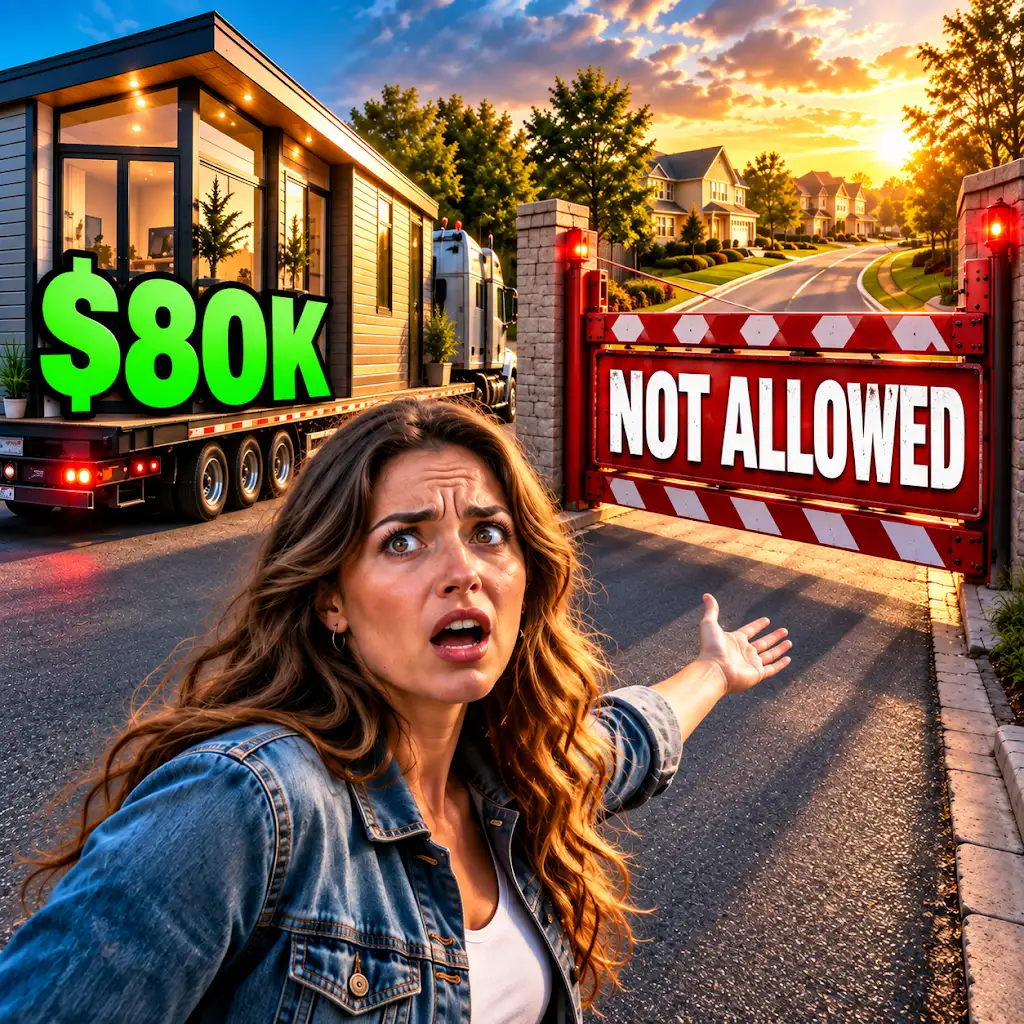
The $80,000 House You’re Not Allowed to Put Anywhere
FAQs
1. What factors contribute to the high cost of housing in Texas?
Factors contributing to the high cost of housing in Texas include population growth, limited housing supply, high demand in urban areas, and rising construction costs.
2. How does population growth impact housing prices in Texas?
The rapid population growth in Texas, particularly in cities like Austin, Dallas, and Houston, has led to increased demand for housing, putting pressure on the limited supply and driving up prices.
3. What role does limited housing supply play in the expensive housing market in Texas?
Limited housing supply, caused by zoning restrictions, land scarcity, and slow construction pace, contributes to the high cost of housing in Texas by creating a competitive market where buyers are willing to pay more for available properties.
4. Why are housing prices higher in urban areas of Texas?
Housing prices are higher in urban areas of Texas due to the concentration of jobs, amenities, and cultural attractions, making these areas more desirable and increasing demand for housing, which drives up prices.
5. How do rising construction costs impact the affordability of housing in Texas?
Rising construction costs, including labor, materials, and regulatory expenses, make it more expensive to build new housing in Texas, leading to higher prices for buyers and limiting the supply of affordable housing options.