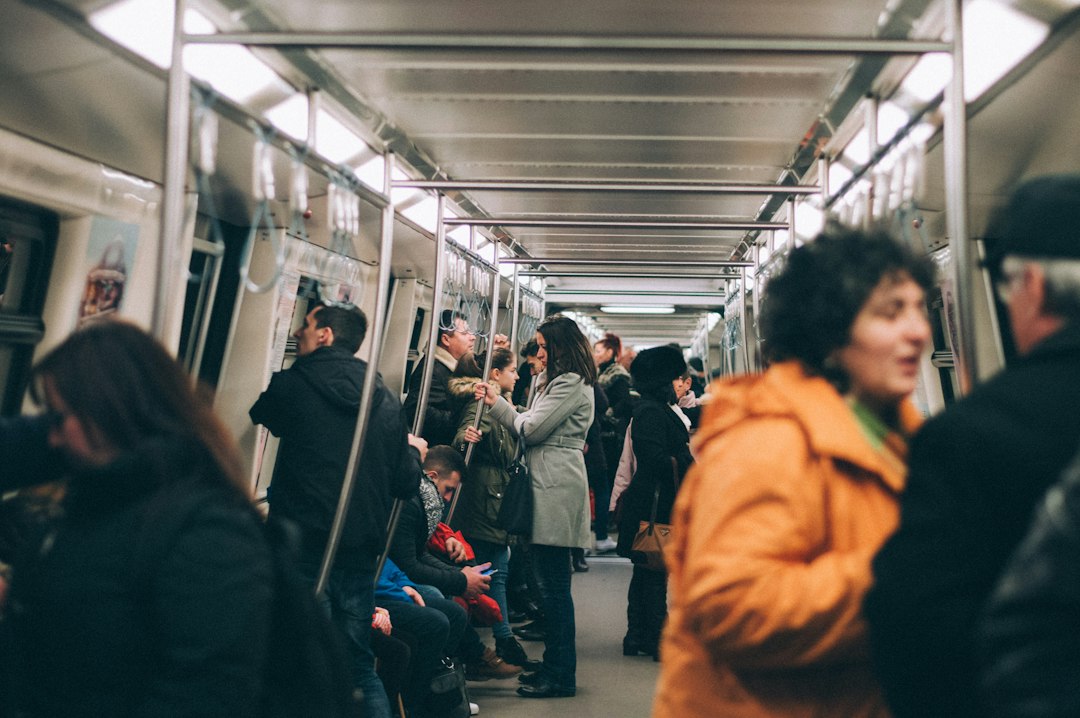
The alarm shrieks, a jarring intrusion into the remnants of sleep. You groggily reach out, fumbling for the snooze button, a ritual that has become as ingrained as breathing. Another day, another journey. You know the drill: the hurried shower, the grab-and-go breakfast – if you’re lucky – the frantic search for keys, and then, the departure. You step out into the pre-dawn chill, the air thick with the promise of another long day. Your destination isn’t a place of leisure or connection, but a necessity: your place of employment. And to get there, you must traverse the miles, a daily odyssey that exacts a significant price, not just in terms of money, but in a far more precious commodity: your time and well-being.
The Financial Drain: More Than Just Gas Money
You likely believe you understand the cost of your daily commute. You know the price of gas, the wear and tear on your car, maybe even the monthly public transport pass. But have you truly accounted for the full financial picture? This isn’t just about the immediate expenses; it’s about the opportunity cost, the hidden fees, and the long-term economic impact on your life. The financial drain of commuting is insidious, a slow leak that can significantly impact your ability to save, invest, and ultimately, achieve financial freedom.
Fueling the Beast: The Ever-Rising Price of Petrol
The most obvious culprit is, of course, fuel. You see the numbers on the pump, a constant reminder of how much it costs to simply get from point A to point B. And these numbers are rarely static. They fluctuate with global markets, geopolitical events, and even seasonal demand. One week, you might feel a pang of regret as you fill up; the next, you might be staring at a number that makes your stomach churn. This volatility means that budgeting for fuel becomes a constant guessing game, adding another layer of financial stress to your already packed schedule. You find yourself making conscious decisions about whether that extra errand is worth the added miles, or if you can hold off until your next trip. This constant calculation, while seemingly minor, erodes your financial flexibility.
The Hidden Toll: Maintenance, Insurance, and Depreciation
Beyond the fuel, your vehicle is a depreciating asset that demands constant upkeep. Every mile you clock on the odometer contributes to its eventual decline in value. Tires wear out, brakes need replacing, oil changes become a recurring expense. Then there’s the insurance. The longer you drive, and the further you travel, the higher your premiums often become. You are, quite literally, paying for the risk associated with your daily journeys. This isn’t a one-time cost; it’s an ongoing investment in keeping your primary mode of transportation operational, an investment that often feels like throwing good money after bad, especially as your car ages. You might find yourself delaying necessary repairs because the immediate cost feels too high, only to face a more expensive problem down the line, or worse, a breakdown that throws your entire week into chaos.
Opportunity Cost: The Income You’re Leaving on the Road
Perhaps the most significant financial cost of commuting is the opportunity cost of your time. Consider the hours you spend behind the wheel or on a crowded train. That time could be spent earning money, pursuing a side hustle, or even improving your skills to qualify for a higher-paying job. If you earn, say, $20 an hour, and you commute for two hours a day, five days a week, that’s 10 hours of potential income lost each week. Over a year, that’s a substantial amount of money that you’re effectively forfeiting. You might be tempted to think of this as unavoidable, but by reframing it as an opportunity cost, you begin to see the true financial implications. Could that extra income help you pay off debt faster, save for a down payment on a house, or invest in your future? The answer is likely yes, and your commute is actively preventing that from happening.
The cost of commuting to work can significantly impact an individual’s overall financial well-being. For a deeper understanding of how commuting expenses can affect your budget and potential savings, you may find the article on wealth growth strategies particularly insightful. It discusses various aspects of personal finance, including the hidden costs of daily travel. To read more, visit this article.
The Time Thief: Sacrificing Your Most Precious Resource

The financial costs are substantial, but the toll on your time is arguably even more devastating. Your commute isn’t just a period of transit; it’s a chunk of your life that is, for the most part, unproductive and often unpleasant. This lost time has a ripple effect, impacting your personal life, your relationships, and your ability to recharge.
The Daily Grind: Lost Hours, Lost Life
Imagine looking at your week not in days, but in hours spent commuting. If your commute is an hour each way, that’s 10 hours a week. Over a month, that’s 40 hours, the equivalent of a full work week. Over a year, that’s 480 hours – 20 full days of your life spent in transit. What could you have done with those 20 days? You could have taken a vacation, learned a new language, volunteered for a cause you care about, or simply spent more quality time with your loved ones. Instead, you spent it navigating traffic or waiting for delayed public transport. This realization can be a bitter pill to swallow. You find yourself constantly wishing for more hours in the day, yet you’re actively contributing to that perceived scarcity through your commute.
The Morning Rush and Evening Exhaustion: Impact on Daily Rhythms
The demands of your commute dictate the rhythm of your entire day. You’re forced to wake up earlier than you’d prefer, sacrificing precious sleep. This leads to a state of chronic exhaustion, where you’re never truly feeling rested. The morning commute is often a frantic scramble, leaving you stressed before your workday even begins. The evening commute, especially if you’re stuck in rush hour, can be soul-crushing. You’re tired, the traffic is dense, and all you want is to be home. By the time you finally arrive, you’re too drained to do much more than collapse. This cycle of early mornings and late arrivals leaves little room for spontaneous activities, hobbies, or even adequate time for meal preparation. Your evenings are often reduced to a bare minimum of essential tasks before you have to do it all again.
The Erosion of Personal Time: Hobbies, Social Life, and Self-Care
When your commute consumes a significant portion of your day, your personal time becomes a casualty. Your hobbies, the activities that bring you joy and help you de-stress, are often the first to be sacrificed. That book you wanted to read remains unread, the guitar gathers dust, the art supplies remain in their packaging. Your social life also suffers. You might decline invitations because you’re too tired after your commute, or because the travel time makes it impractical. Even simple acts of self-care, like going for a run or meditating, become difficult to fit in. The result is a feeling of being constantly depleted, with little energy left for anything beyond work and the commute itself. You find yourself feeling like you’re always “on” for work, but have nothing left to give to yourself or your relationships.
The Health Hazards: Stress, Sedentary Behavior, and Environmental Impact

The cost of commuting extends beyond your wallet and your calendar; it also takes a significant toll on your physical and mental health, and contributes to environmental degradation. The sedentary nature of most commutes and the chronic stress associated with them can have long-lasting negative consequences.
The Stress Factor: A Daily Dose of Anxiety
Commuting, especially by car in heavy traffic, is a significant source of stress. You’re constantly dealing with unpredictable delays, aggressive drivers, and the pressure to arrive on time. This chronic exposure to stress can lead to a host of health problems, including increased blood pressure, heart disease, and weakened immune systems. Even public transport can be stressful, with crowded conditions, potential for delays, and the general unpredictability of the system. You might find yourself clenching your jaw, your heart rate elevated, all before your workday has even truly begun. This daily dose of anxiety chips away at your resilience and your overall sense of well-being.
The Sedentary Trap: A Recipe for Physical Ailments
For most commuters, the journey to and from work involves prolonged periods of sitting. Whether you’re driving a car, riding a bus, or sitting on a train, you’re not engaging your body in any meaningful way. This sedentary behavior is a major contributor to a range of health issues, including obesity, diabetes, and musculoskeletal problems. You might be spending upwards of two hours a day sitting, which is detrimental to your physical health. This lack of physical activity exacerbates the effects of sitting at your desk all day. You find yourself feeling stiff and achy, and the motivation to exercise after a long day of sitting is often non-existent.
Breathing Polluted Air: The Environmental Toll
Your commute isn’t just affecting you; it’s also impacting the environment. Cars are a major source of air pollution, contributing to smog, acid rain, and climate change. The more miles you drive, the more you contribute to this problem. You might be concerned about the environment, but your daily commute directly contradicts those values. You’re contributing to the very issues you might lament. This can create a sense of cognitive dissonance, a feeling that your actions don’t align with your beliefs, which can itself be a source of low-level stress.
Rethinking Your Route: Exploring Alternatives for a Better Life
The cumulative costs of a long commute can be staggering. However, you are not powerless. By actively exploring and implementing alternatives, you can significantly reduce these costs and reclaim valuable time, energy, and well-being. The first step is acknowledging the problem and then consciously seeking solutions that align with your life and your priorities.
The Remote Revolution: Embracing the Home Office
The rise of remote work has been a game-changer for many. If your job allows, working from home can eliminate your commute entirely. This means no more gas money, no more traffic jams, and no more wasted hours. You gain back that time to invest in yourself, your family, or your passions. Even a hybrid model, where you work from home a few days a week, can make a significant difference. You can use the saved commute time for exercise, personal projects, or simply to enjoy a more relaxed start to your day. This isn’t a luxury for a select few anymore; it’s a viable and increasingly common way of working that offers tangible benefits.
Carpooling and Public Transport: Sharing the Load
If remote work isn’t an option, consider carpooling or utilizing public transportation. Carpooling with colleagues can reduce the number of cars on the road, saving you money on gas and wear and tear. Public transport, while it has its own challenges, can allow you to reclaim your commute time for reading, listening to podcasts, or even catching up on work emails in a more relaxed setting than a car. Research your local public transport options and see if they offer a viable and more cost-effective alternative to driving solo. Sometimes, the initial inconvenience of learning a new route or schedule is well worth the long-term savings and stress reduction.
The Power of Proximity: Relocating for a Shorter Journey
For some, the most impactful solution might be to consider relocating. While this is a significant decision, living closer to your workplace can drastically reduce or even eliminate your commute. This not only saves you time and money but can also improve your overall quality of life by giving you more flexibility and reducing daily stress. Imagine a world where your commute is a 10-minute walk or a short bike ride. The impact on your daily energy levels and your overall outlook on life can be profound. It’s a sacrifice, but one that could pay dividends in happiness and well-being for years to come.
The cost of commuting to work can significantly impact an individual’s budget and overall financial health. For those looking to understand the various factors that contribute to these expenses, a related article can provide valuable insights. You can explore more about this topic in the article found here, which discusses the hidden costs of commuting and offers tips on how to manage them effectively.
The Ultimate Cost: The Erosion of Your Well-being
| City | Average Monthly Commuting Cost | Primary Mode of Transport | Average Commute Time (minutes) | Percentage of Income Spent on Commuting |
|---|---|---|---|---|
| New York | 127 | Subway | 45 | 8% |
| Los Angeles | 150 | Car | 35 | 10% |
| Chicago | 100 | Bus | 40 | 7% |
| London | 160 | Tube | 50 | 9% |
| Tokyo | 120 | Train | 55 | 6% |
Ultimately, the high cost of commuting is not just measured in dollars and cents, or even in hours lost. It’s measured in the slow erosion of your well-being. It’s in the stress that saps your energy, the sedentary lifestyle that compromises your health, and the lack of time that prevents you from living a full and vibrant life. You are sacrificing precious moments of your existence on the altar of distance. This isn’t about criticizing your choices; it’s about shining a light on a pervasive issue that impacts countless lives. By understanding the true cost, you empower yourself to make changes, to seek out alternatives, and to reclaim your time, your health, and your happiness. The journey to work doesn’t have to be a drain; it can be a choice that supports your life, rather than detracts from it. The decision rests with you, and the rewards of making a change are immeasurable.

Your $100,000 Job Takes More Back Than You Think
FAQs
What is the average cost of commuting to work?
The average cost of commuting to work in the United States is around $2,600 per year, according to the U.S. Census Bureau.
What factors contribute to the cost of commuting?
Factors that contribute to the cost of commuting include distance traveled, mode of transportation (car, public transit, biking, walking), fuel prices, tolls, parking fees, and maintenance costs.
How can I reduce the cost of commuting to work?
You can reduce the cost of commuting by carpooling, using public transportation, biking, walking, telecommuting, or negotiating flexible work hours with your employer.
Are there any tax benefits for commuting expenses?
Yes, some employers offer commuter benefits such as pre-tax deductions for public transportation expenses or parking fees. Additionally, the IRS allows for certain commuter tax benefits.
What are some hidden costs of commuting to work?
Some hidden costs of commuting to work include wear and tear on your vehicle, increased stress levels, health impacts from sitting in traffic, and the opportunity cost of time spent commuting.