
You’ve worked hard, poured years of your life into your career, and now the whispers of retirement are growing louder. The golden years, a time of freedom, relaxation, and finally enjoying the fruits of your labor. It sounds idyllic, doesn’t it? But beneath the surface of carefree days and endless leisure, there are a multitude of hidden truths about retirement that can catch even the most prepared individual off guard. This isn’t about discouraging you; it’s about empowering you. By understanding these often-overlooked aspects, you can navigate your transition into retirement with confidence and ensure those golden years truly shine.
You’ve meticulously saved, perhaps diligently contributed to your 401(k) or IRA, and envisioned your retirement income as a comforting, steady stream. However, the reality of retirement finances can be far more complex and precarious than you might initially imagine. Your nest egg, while crucial, is only one piece of a much larger, intricate puzzle.
The Deceptive Nature of Inflation
One of the most insidious threats to your retirement security is inflation. You might have calculated your expenses based on today’s costs, but over 20, 30, or even 40 years of retirement, the purchasing power of your money will erode significantly. What seems like a comfortable sum now could feel drastically insufficient in the future.
Understanding the Compound Effect of Inflation
Think about it: a 3% annual inflation rate might sound small, but over 25 years, it effectively halves the purchasing power of your money. This means that a $50,000 annual income today would require roughly $100,000 in 25 years just to maintain the same standard of living. You need to factor in not just the money you have, but the real value of that money over your entire retirement. This requires a more aggressive approach to savings and investment than many people initially consider.
Strategies for Combating Inflationary Erosion
This isn’t a reason to panic, but a call to action. You need to ensure your retirement savings are invested in a way that outpaces inflation. This often means a diversified portfolio that includes assets with the potential for growth, such as stocks. While this carries some risk, the risk of not outpacing inflation is arguably greater. Consider strategies like investing in inflation-protected securities (TIPS) or real estate, which historically have demonstrated a better ability to keep pace with rising costs. Regularly reviewing and adjusting your investment strategy is paramount.
The Unexpected Expenses That Can Derail Your Plans
Retirement isn’t a static period. Life happens, and so do unexpected expenses. Medical emergencies, home repairs, family needs, or even unforeseen opportunities can quickly put a strain on your meticulously crafted budget.
The Rising Tide of Healthcare Costs
Healthcare is a major concern for retirees. Medicare covers a significant portion of medical expenses, but it doesn’t cover everything. Premiums, deductibles, co-pays, prescription drugs, and long-term care can add up to a substantial financial burden. Many people underestimate these costs, leading to significant financial stress.
Long-Term Care: A Financial Black Hole?
The cost of long-term care, whether it’s in-home assistance or a nursing facility, can be astronomical. A few years of care can easily deplete even a substantial retirement fund. This is a difficult topic to consider, but crucial for comprehensive planning. Options like long-term care insurance can provide a safety net, but the premiums can be high, and the benefits need to be carefully evaluated against your individual circumstances and health.
Dental and Vision: Often Overlooked, Always Necessary
Beyond major medical issues, don’t forget about dental and vision care. These services are often not fully covered by traditional Medicare and can represent significant out-of-pocket expenses that are easily overlooked in initial financial planning.
The “Just One More Thing” Syndrome: Home and Auto
Your home, a source of comfort and security, can also become a source of unexpected expense. Roof repairs, HVAC system failures, plumbing issues – these aren’t always covered by your homeowner’s insurance and can run into thousands, even tens of thousands, of dollars. Similarly, your car will eventually need significant repairs or replacement.
The Psychological Impact of Income Reduction
The shift from a regular paycheck to drawing down on savings can be a significant psychological adjustment. The feeling of having an income that’s not actively being earned can be unsettling for some, leading to anxiety or a sense of loss of control.
The Tapering Effect of Social Security and Pensions
While Social Security and pensions provide a foundation, they may not be enough to maintain your pre-retirement lifestyle. This often means you’ll need to supplement these income sources with your savings, which can create a psychological hurdle. The act of spending down your hard-earned capital can feel counterintuitive and even stressful.
The Importance of a Realistic Budget and Contingency Fund
A well-defined, realistic budget is crucial. This budget should not only account for your anticipated expenses but also include a generous contingency fund for those “just in one more thing” moments. This fund acts as a buffer against the unexpected and can alleviate a great deal of financial anxiety. It’s about creating a sense of security and control over your finances, even as your income sources change.
As you explore the hidden truths about retirement, you may find it beneficial to read a related article that delves deeper into financial planning and wealth management strategies. This comprehensive piece offers insights on how to effectively prepare for retirement and avoid common pitfalls that many individuals face. For more information, you can check out the article here: How Wealth Grows.
Redefining Purpose: Beyond the Office Walls
For decades, your work has likely defined a significant portion of your identity, your daily routine, and your social circle. Retirement, by its very nature, removes this central pillar. The “what now?” question can be surprisingly daunting, and many retirees struggle to find a new sense of purpose and fulfillment.
The Identity Crisis of Retirement
You’ve been a doctor, a teacher, an engineer, a sales executive. These titles have shaped how you see yourself and how others see you. When that title is removed, it can feel like a significant part of your identity is lost. This can lead to feelings of emptiness, lack of motivation, and even depression.
Navigating the Loss of Professional Identity
The key to overcoming this is to proactively cultivate new identities. Think about the skills, passions, and interests you’ve always had but never had the time to pursue. Retirement is your opportunity to explore these fully. This might involve volunteering, taking up a new hobby, pursuing further education, or even starting a new, less demanding venture.
The Social Shift: From Colleagues to Community
Your workplace often provides a ready-made social network. When you retire, you lose those daily interactions. This can lead to isolation and loneliness, which can have a detrimental impact on your well-being.
Rebuilding Your Social Fabric
Actively seek out new social connections. Join clubs, community groups, or volunteer organizations that align with your interests. Rekindle old friendships and make an effort to connect with neighbors. The goal is to build a robust social network that provides support, companionship, and a sense of belonging.
The Value of Shared Experiences
Shared experiences are a powerful bonding agent. Whether it’s a book club, a hiking group, or a weekly card game, participating in activities with others creates connections and combats isolation. Don’t underestimate the power of simple, regular interactions with people who share your passions.
The Challenge of Filling Your Time Meaningfully
You’ve likely fantasized about endless days of leisure. However, too much unstructured time can lead to boredom, restlessness, and a feeling of purposelessness. The challenge isn’t having free time, but using it in a way that is enriching and fulfilling.
The Pitfalls of Passive Leisure
Binge-watching TV or endless scrolling on social media might seem appealing initially, but these passive forms of leisure rarely provide lasting satisfaction. They can leave you feeling drained and unfulfilled.
The Importance of Active Engagement
Retirement should be about active engagement with life. This means pursuing activities that require effort, learning, and contribution. It’s about feeling useful and challenged, even in retirement.
The “Sunday Scaries” of Retirement
You might find yourself experiencing a version of the “Sunday Scaries” – that feeling of dread as the weekend ends and the work week approaches. In retirement, this feeling can manifest as a general ennui or a lack of excitement about the days ahead.
Creating a Retirement Routine
While you might be eager to escape the rigid structure of your working life, a complete lack of routine can be detrimental. Creating a flexible, yet purposeful, daily or weekly routine can provide a sense of order and accomplishment. This routine can include time for hobbies, social activities, exercise, and personal projects.
The Evolving Landscape of Health and Well-being

As you age, your health and well-being naturally become more central to your quality of life. However, the healthcare system and your own physical needs can present unforeseen challenges and require a proactive approach to maintain your vitality.
The Growing Importance of Proactive Healthcare
Retirement is not the time to neglect your health. In fact, it’s the opposite. Proactive healthcare, focusing on prevention and early detection, is crucial for maintaining your independence and enjoying your retirement years.
Regular Check-ups: More Important Than Ever
Don’t let your annual physicals slide. These appointments are vital for monitoring your health, catching potential issues early, and ensuring you’re up-to-date on vaccinations and screenings. Your doctor can provide personalized advice and guidance tailored to your age and health status.
Understanding Medicare and Supplemental Insurance
Navigating the complexities of Medicare can be daunting. Understanding your coverage, the different parts of Medicare, and the role of supplemental insurance (Medigap) is essential to avoid unexpected medical bills. Don’t hesitate to seek advice from insurance brokers or government resources.
The Impact of Lifestyle Choices on Longevity
Your lifestyle choices today will have a profound impact on your health and well-being in retirement. Diet, exercise, sleep, and stress management are not just buzzwords; they are the cornerstones of a healthy and vibrant retirement.
The Myth of “Too Old to Start”
It’s never too late to adopt healthier habits. Small, consistent changes can yield significant improvements in your physical and mental health. This could be anything from incorporating more fruits and vegetables into your diet to starting a gentle walking routine.
The Mental Health Connection
Physical health and mental health are intrinsically linked. Maintaining a healthy mind is as important as maintaining a healthy body. Engaging in activities that stimulate your mind, practicing mindfulness, and seeking support when needed are vital for overall well-being.
The Unexpected Realities of Physical Limitations
As you age, you may experience natural declines in physical ability. This can range from decreased stamina and flexibility to more significant mobility challenges. Adapting to these changes gracefully and proactively is key to maintaining your independence and quality of life.
Adapting Your Home Environment
Your home should be a safe and comfortable haven. Consider making small modifications to improve accessibility, such as installing grab bars in the bathroom, improving lighting, or removing tripping hazards. These simple changes can significantly reduce the risk of falls and injuries.
The Role of Assistive Devices
Don’t be afraid or ashamed to use assistive devices if needed. Canes, walkers, and other aids can help you maintain your mobility and independence, allowing you to continue participating in activities you enjoy.
The Emotional Toll of Declining Physical Health
Experiencing physical limitations can be emotionally challenging. It can lead to frustration, a sense of loss, and even a decrease in self-esteem. It’s important to acknowledge these feelings and seek support from loved ones, support groups, or mental health professionals.
Navigating the Legal and Estate Planning Maze

While often overlooked in the initial excitement of retirement, legal and estate planning are crucial for ensuring your wishes are honored and your loved ones are protected. These often complex matters require careful consideration and professional guidance.
The Importance of a Comprehensive Estate Plan
An estate plan is more than just a will. It’s a roadmap for how your assets will be distributed, who will make decisions on your behalf if you’re incapacitated, and how your end-of-life wishes will be carried out.
The Will: The Foundation of Your Estate Plan
Your will is the most basic but essential document. It outlines how your property will be divided among your beneficiaries. Without a will, state intestacy laws will dictate the distribution of your assets, which may not align with your desires.
Updating Your Will Regularly
Life circumstances change. Marriage, divorce, births, and deaths all necessitate a review and potential update of your will to ensure it accurately reflects your current wishes.
Beyond the Will: Powers of Attorney and Living Wills
These documents are vital for ensuring your affairs are managed and your healthcare decisions are made according to your wishes, even if you become unable to communicate them yourself.
Durable Power of Attorney for Finances
This document designates someone to manage your financial affairs if you become incapacitated. Without it, a court may need to appoint a conservator, which can be a lengthy and expensive process.
Advance Healthcare Directive (Living Will)
This document outlines your wishes regarding medical treatment in specific end-of-life situations. It provides clear instructions to your healthcare providers and loved ones, alleviating the burden of difficult decisions during a crisis.
The Nuances of Beneficiary Designations
Many financial accounts, such as life insurance policies, retirement accounts (IRAs, 401(k)s), and annuities, allow you to name beneficiaries directly. These designations often supersede your will.
The Power of Primary and Contingent Beneficiaries
Understanding the difference between primary and contingent beneficiaries is crucial. If your primary beneficiary is unable to inherit (e.g., they pass away before you), the contingent beneficiary will receive the assets.
Regularly Reviewing Your Beneficiary Designations
Just like your will, beneficiary designations should be reviewed periodically. Marriage, divorce, or the death of a beneficiary are all reasons to update these crucial documents. Failure to do so can lead to unintended consequences and disputes among your heirs.
The Potential for Probate and Estate Taxes
Probate is the legal process of validating a will and distributing assets. While unavoidable in some cases, certain estate planning strategies can help minimize or avoid probate. Similarly, understanding potential estate taxes and planning accordingly can protect your heirs from significant tax burdens.
As you explore the hidden truths about retirement, you might find it insightful to read a related article that delves deeper into financial planning strategies. This piece offers valuable tips on how to effectively manage your savings and investments to ensure a comfortable retirement. For more information, you can check out the article at How Wealth Grows, which provides essential guidance for anyone looking to secure their financial future.
The Unexpected Joys and Opportunities of Retirement
| Hidden Truths About Retirement |
|---|
| 1. Many retirees underestimate healthcare costs in retirement. |
| 2. Social Security may not be enough to cover living expenses. |
| 3. Longevity risk – the risk of outliving your savings – is a real concern. |
| 4. Inflation can erode the purchasing power of retirement savings. |
| 5. Many retirees struggle with finding meaningful activities and social connections. |
While we’ve delved into the hidden truths and potential challenges, it’s essential to emphasize that retirement also offers an unparalleled opportunity for joy, growth, and fulfillment. By understanding the potential pitfalls, you can proactively address them and unlock the incredible benefits of this new chapter.
The Gift of Unprecedented Freedom
You are no longer bound by the demands of a job. This newfound freedom is perhaps the greatest gift of retirement. You have the autonomy to structure your days, pursue your passions, and simply enjoy the present moment.
Embracing Spontaneity and Adventure
Retirement is the perfect time to be spontaneous. Take that trip you’ve always dreamed of, learn a new language, or simply decide to spend an afternoon at the park. Embrace the joy of living in the moment and creating new experiences.
The Power of Lifelong Learning
Retirement doesn’t mean the end of learning. In fact, it can be a renaissance of intellectual curiosity. Explore new subjects, take online courses, attend lectures, or delve into a new craft. The opportunities for lifelong learning are endless and incredibly rewarding.
The Deepening of Relationships
With more time and less stress, you have the opportunity to cultivate deeper and more meaningful relationships with your loved ones. This is a chance to reconnect with family, nurture friendships, and build new bonds.
Reconnecting with Your Partner
Retirement can be a wonderful time for couples to rediscover each other. With more shared time, you can embark on new adventures together, support each other’s interests, and strengthen your bond.
The Joys of Grandparenting and Mentorship
If you have grandchildren, retirement offers an invaluable opportunity to be a more active and involved part of their lives. Similarly, you can become a mentor to younger individuals, sharing your wisdom and experience, which can be incredibly fulfilling.
The Fulfillment of Contributing to Your Community
Retirement doesn’t have to mean stepping back from making a difference. In fact, it can be a time when you have more capacity to contribute to your community in meaningful ways.
The Impact of Volunteering Your Skills
Your years of experience have equipped you with a wealth of knowledge and skills. Volunteering allows you to leverage these assets to support causes you care about, whether it’s through a local charity, a school, or a non-profit organization.
Discovering New Passions Through Service
Volunteering can also be a gateway to discovering new passions and interests. You might find yourself drawn to causes you never considered before, leading to a renewed sense of purpose and engagement.
Retirement is a profound transition, and like any major life change, it comes with its own set of challenges and hidden truths. However, by approaching it with awareness, proactive planning, and a positive mindset, you can navigate these complexities and unlock a retirement that is not just comfortable, but truly rich, meaningful, and fulfilling. The hidden truths aren’t meant to deter you, but to illuminate the path forward, allowing you to embrace your golden years with open eyes and an open heart.
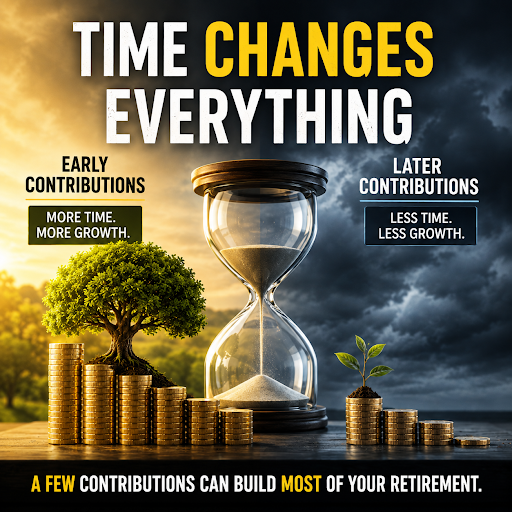
Only a Few 401(k) Contributions Build Most of Your Retirement
FAQs
What are some hidden truths about retirement?
Some hidden truths about retirement include the potential for increased healthcare costs, the impact of inflation on fixed incomes, and the emotional adjustment to a new lifestyle.
How can healthcare costs impact retirement?
Healthcare costs can have a significant impact on retirement, as individuals may face increased medical expenses as they age. This can include costs for long-term care, prescription medications, and other healthcare services.
What is the impact of inflation on retirement?
Inflation can erode the purchasing power of retirement savings, leading to a decrease in the value of fixed incomes over time. This means retirees may need to carefully plan for how to maintain their standard of living as prices for goods and services increase.
How does retirement impact emotional well-being?
Retirement can have a significant impact on emotional well-being, as individuals may experience a sense of loss of identity, purpose, and social connections. It’s important for retirees to plan for how they will stay engaged and fulfilled in their post-career years.
What are some strategies for navigating hidden truths about retirement?
Some strategies for navigating hidden truths about retirement include careful financial planning, considering long-term care insurance, staying physically and socially active, and seeking professional guidance from financial advisors or retirement planners.