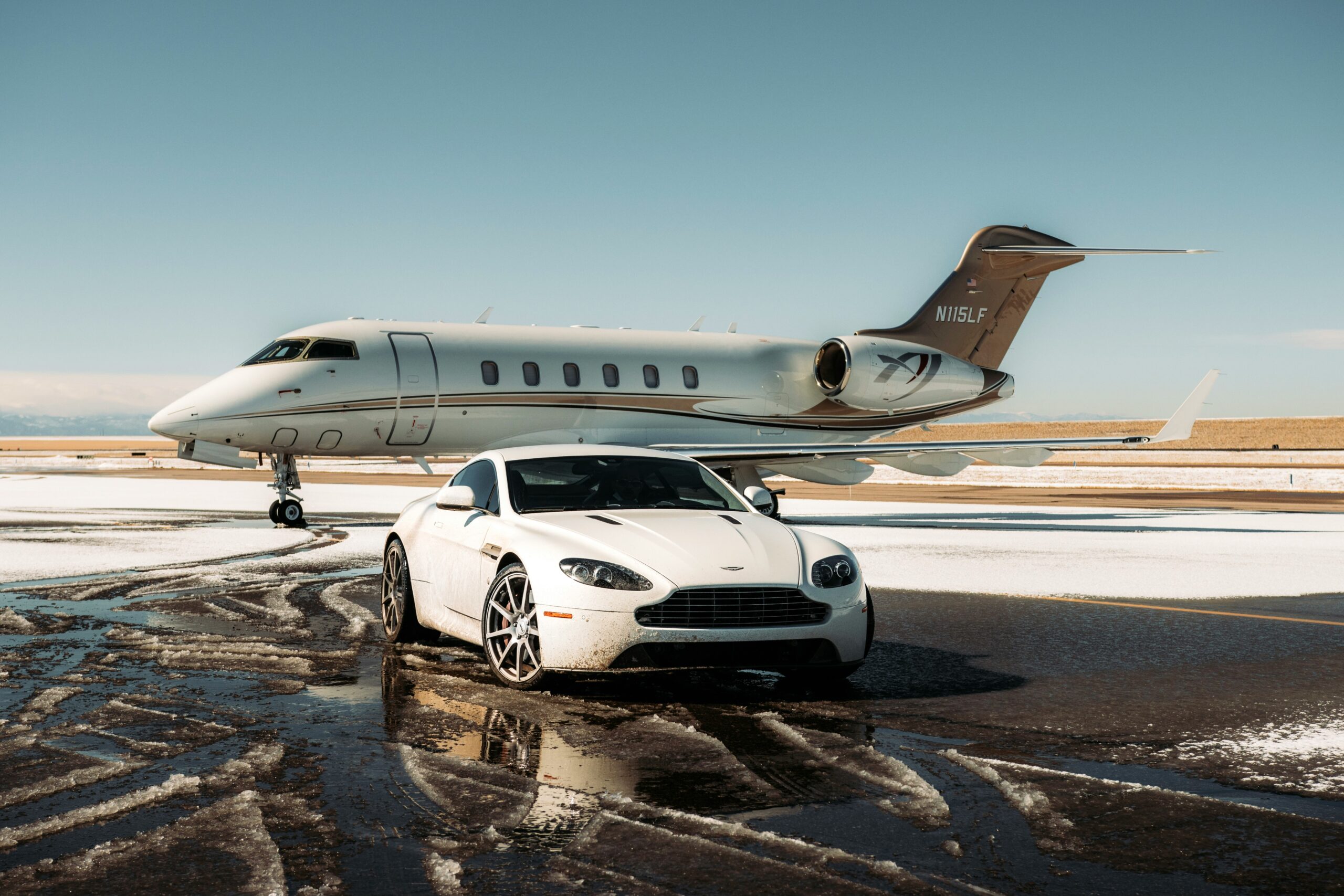
You’ve seen them gliding through your neighborhood, gleaming under the streetlights, the epitome of success and aspiration. That sleek, powerful machine, with its sculpted lines and opulent interior, calls to you. You imagine yourself behind the wheel, the world your oyster, every journey an occasion. The allure of luxury car ownership is undeniable, a potent symbol of achievement and a promise of an elevated driving experience. But as you contemplate taking the plunge, it’s crucial to peel back the polished veneer and understand the hidden costs that often accompany such a significant investment. This isn’t just about the sticker price; it’s about a deeper financial commitment that can, if not fully understood, transform your dream into a surprisingly burdensome reality.
The moment you drive that pristine vehicle off the dealership lot, your financial commitment has already begun to escalate beyond the numbers bandied about during negotiations. While the Manufacturer’s Suggested Retail Price (MSRP) is the starting point, your actual out-the-door cost is a much more complex equation.
The Impact of Taxes and Fees
Beyond the base price, a significant chunk of your initial expenditure will be absorbed by a cocktail of taxes and fees. These are not optional add-ons; they are mandatory costs that contribute to the final figure you’ll see on the sales contract.
Sales Tax: A State-Dependent Burden
The most obvious tax you’ll encounter is sales tax. This percentage, levied by your state and sometimes your local municipality, is applied to the final negotiated price of the vehicle. Depending on your location, this can add thousands of dollars to your purchase. For instance, a luxury SUV with a price tag of $100,000 could incur sales tax in the range of $5,000 to over $10,000, significantly impacting your initial outlay.
Registration and Title Fees: The Official Stamp of Ownership
Once you’ve paid the sales tax, you’ll need to register your vehicle and obtain a title. These administrative processes come with their own set of fees, which vary by state. These can range from a few hundred dollars to well over a thousand, especially for more expensive vehicles. Think of it as the bureaucratic toll for officially owning a piece of automotive art.
Dealer Fees and Add-Ons: The Negotiable (and Sometimes Not) Extras
Dealerships often have their own proprietary fees. While some, like a documentation fee, are relatively standard, others can be more opaque. Be wary of unsolicited add-ons pushed at the point of sale, such as fabric protection, paint sealants, or extended warranties presented as essential. While some might offer a marginal benefit, their inflated prices can inflate your initial investment considerably. It’s crucial to carefully scrutinize every line item on the invoice and be prepared to negotiate or walk away from any fees you deem unnecessary or predatory.
Financing: The Long Shadow of Interest
Unless you’re paying cash for your luxury vehicle – a rarity for most – you’ll likely be financing a significant portion of the purchase price. This is where the true cost of acquisition begins to stretch over time, with interest serving as the ultimate hidden expense.
Interest Rates and Loan Terms: The Compounding Cost
Luxury car loans can have varying interest rates depending on your credit score, the lender, and current market conditions. Even a seemingly small difference in interest rate can add up to thousands of dollars over the life of a multi-year loan. A longer loan term, often employed to keep monthly payments manageable, means you’ll be paying interest for a longer period, further increasing the total cost of your vehicle. For example, a $70,000 loan at 6% interest over 60 months will cost you approximately $11,000 in interest. Extend that to 72 months, and you’re looking at nearly $14,000 in interest.
The Down Payment Dilemma
While a larger down payment can reduce your loan principal and therefore your overall interest paid, it also represents a substantial chunk of your liquid capital. This is money that could otherwise be invested, used for emergencies, or directed towards other financial goals. The decision of how much to put down is a delicate balancing act between reducing your loan burden and preserving your financial flexibility.
Owning a luxury car often comes with a variety of hidden costs that can significantly impact your overall budget. Beyond the initial purchase price, expenses such as high insurance premiums, maintenance fees, and depreciation can add up quickly. For a deeper understanding of these financial implications, you can explore a related article that delves into the hidden costs of luxury car ownership. Check it out here: Hidden Costs of Owning a Luxury Car.
Insurance: A Premium Price for Premium Protection
One of the most significant and ongoing hidden costs of luxury car ownership is insurance. Insuring a high-value, high-performance vehicle is inherently more expensive than insuring a standard sedan or SUV.
Higher Premiums: Paying for Performance and Value
Insurance companies assess risk based on a multitude of factors, and luxury cars present a higher risk profile. This translates directly into higher premiums for several reasons:
Repair Costs: The Price of Specialized Parts
Luxury vehicles often utilize specialized, expensive parts and require trained technicians for repairs. If your car is involved in an accident, the cost to repair it will almost certainly be higher than for a mainstream vehicle. Insurance companies factor this into their premiums to cover potential repair bills. A minor fender bender on a luxury car can easily run into the thousands, whereas it might be a few hundred on a more common model.
Theft and Vandalism Risk: The Allure of the High-End
Luxury cars, unfortunately, can be more attractive targets for thieves and vandals. Their high resale value and desirable components make them more appealing for illicit purposes. Insurers account for this elevated risk by increasing premiums.
Performance and Speed: The Liability Factor
Many luxury cars are designed for high performance and speed. This can increase the likelihood of accidents, especially if the driver is tempted to push the limits. While insurance premiums don’t directly penalize reckless driving (that’s a separate issue), the inherent potential for higher-speed accidents contributes to the overall risk assessment.
Comprehensive vs. Collision: Understanding Your Coverage Needs
When insuring a luxury vehicle, you’ll likely need comprehensive and collision coverage, which are standard but contribute to the overall cost. Comprehensive coverage protects against theft and non-collision damage (like hail or falling trees), while collision coverage pays for damage to your vehicle if you hit another car or object. The higher the value of your vehicle, the higher the cost of these essential coverages.
The Deductible’s Double-Edged Sword
Your deductible is the amount you pay out-of-pocket before your insurance coverage kicks in. Choosing a higher deductible can lower your annual premium, but it also means you’ll have a larger financial responsibility in the event of a claim. For a luxury car, a claim with a high deductible can still result in a significant personal expense. Conversely, a low deductible can lead to higher monthly or annual premiums.
Maintenance and Repairs: The Ever-Present Bugbear
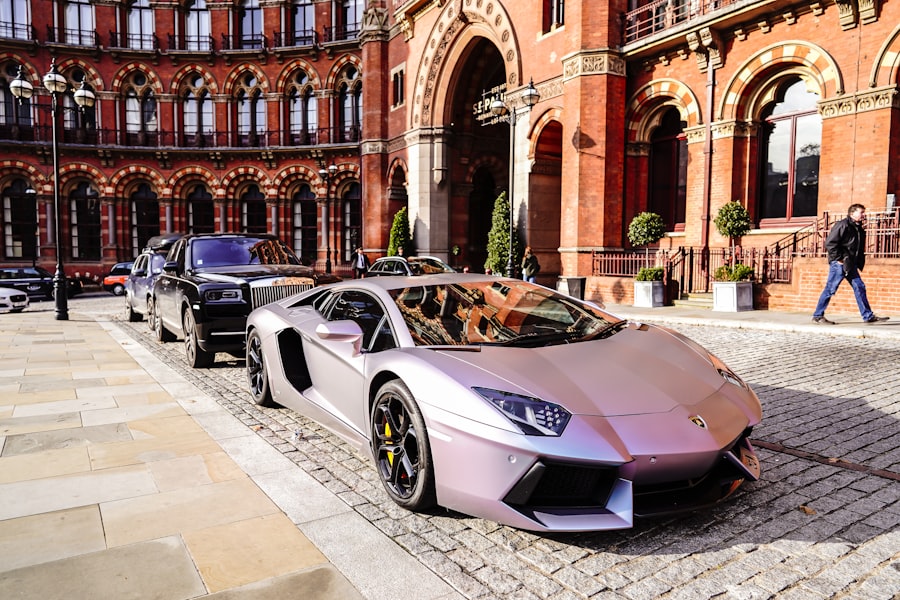
This is perhaps the most insidious and often underestimated hidden cost of luxury car ownership. While you might associate routine maintenance with a reasonable expense, for a luxury vehicle, it’s a different ballgame altogether.
Specialized Servicing: Where Expertise Comes at a Price
Luxury car manufacturers often require specialized servicing at authorized dealerships or by certified mechanics. These professionals possess the specific training, tools, and diagnostic equipment necessary to maintain and repair complex luxury vehicle systems.
Dealership Service Rates: The Premium for Peace of Mind
Authorized dealerships, while offering the highest level of expertise, also command premium labor rates. An hourly rate at a luxury dealership can be significantly higher than at a general mechanic’s shop. This means that even simple tasks like an oil change or tire rotation can cost hundreds of dollars.
Manufacturer-Recommended Intervals: The Frequency Factor
Luxury vehicles often have more frequent maintenance schedules than standard cars. Manufacturers meticulously design these schedules to ensure optimal performance and longevity, but they also translate into more frequent visits to the service center, and thus, more frequent expenses. What might be an annual service for a common car could be a bi-annual requirement for your luxury counterpart.
The Cost of Specialized Parts: Expensive and Difficult to Source
When something breaks on a luxury car, it’s rarely a cheap fix. The parts themselves are often proprietary, manufactured to exacting specifications, and can be incredibly expensive to replace. Furthermore, sourcing these parts can sometimes be a challenge, leading to longer repair times and potentially additional costs if a loaner vehicle is required beyond a standard courtesy loaner period.
Extended Warranties: A Gamble or a Necessity?
Often, upon purchase or nearing the end of the manufacturer’s warranty, you’ll be presented with the option of purchasing an extended warranty. While these can offer peace of mind by covering unexpected major repairs, they can also be a substantial upfront cost. It’s crucial to carefully read the terms and conditions of any extended warranty, understanding what is covered and what is excluded, and to assess whether the cost outweighs the potential savings. For many, it becomes a gamble.
Unexpected Repairs: The True Test of Your Wallet
Beyond scheduled maintenance, the reality of car ownership includes unexpected repairs. For luxury vehicles, these can be financially devastating. A single component failure, such as a complex electronic system, a specialized engine part, or a transmission issue, can easily run into the thousands or even tens of thousands of dollars to fix. Without adequate savings or a well-chosen extended warranty, these unforeseen events can quickly derail your financial stability.
Fuel Consumption: The Thirst for Premium Performance
While modern luxury cars are becoming more fuel-efficient, many still demand a healthy appetite for gasoline, and often, premium-grade fuel.
The Octane Requirement: A Regular Expense
Many high-performance luxury engines are designed to run on premium unleaded gasoline (91 octane or higher). The cost of premium fuel is noticeably higher than regular unleaded, and this difference adds up significantly over time, especially if you drive frequently or have a long commute.
Distance Traveled: The Direct Correlation to Fuel Costs
The more miles you put on your luxury vehicle, the more fuel you will consume. If your daily commute is substantial, or you enjoy frequent road trips, the cost of filling up that powerful engine will be a constant drain on your budget.
Fuel Efficiency: A Trade-Off for Power
It’s often the case that the more powerful and performance-oriented a luxury car is, the less fuel-efficient it will be. This is a fundamental trade-off for the exhilarating driving experience you desire. While some luxury manufacturers are now offering hybrid and electric options, the traditional gasoline-powered luxury car can be a significant consumer of fuel. Consider the fuel economy ratings of any prospective vehicle and compare them to your current vehicle or your budget.
Owning a luxury car often comes with a range of hidden costs that can catch many buyers off guard. From higher insurance premiums to costly maintenance and repair expenses, these factors can significantly impact your overall budget. For a deeper understanding of the financial implications associated with luxury vehicles, you might find this article on wealth management insightful. It discusses various aspects of financial planning, including the hidden costs that come with high-end purchases, helping you make more informed decisions.
Depreciation: The Silent Value Erosion
| Hidden Costs of Owning a Luxury Car | ||
|---|---|---|
| Depreciation | Higher insurance premiums | Costly maintenance and repairs |
| Specialized parts and labor | Fuel costs | Luxury car taxes and fees |
| Opportunity cost of investing in other assets | Higher registration fees | Increased risk of theft or vandalism |
Perhaps the most significant, yet often overlooked, hidden cost is depreciation. This is the decrease in value of your luxury car over time.
The Steep Decline in the Early Years
Luxury vehicles, like most cars, experience their most significant depreciation in the first few years of ownership. The moment a new car is driven off the lot, it loses a percentage of its value. This initial drop can be particularly steep for luxury models, as their high initial price tag makes them more susceptible to substantial value erosion.
Factors Influencing Depreciation
Several factors contribute to the rate of depreciation:
Brand Reputation and Demand: The Resale Appeal
Some luxury brands hold their value better than others due to strong brand reputation, perceived reliability, and sustained desirability in the used car market. Conversely, brands with a less stellar reputation or models that quickly become dated can depreciate at a faster rate.
Mileage and Condition: The Wear and Tear
The more miles your luxury car accumulates, and the poorer its condition, the more its value will decline. Regular maintenance and careful driving can help mitigate this, but ultimately, wear and tear are unavoidable.
Market Trends and Model Updates: The Obsolescence Factor
Changes in automotive trends, the introduction of new technologies, and the release of updated models can also impact the resale value of your current luxury vehicle. A car that was cutting-edge a few years ago might be perceived as outdated, leading to a faster depreciation rate.
The True Cost of Selling or Trading In
When you eventually decide to sell your luxury car or trade it in for a new one, the significant depreciation will become starkly apparent. The amount you receive will be substantially less than what you originally paid, representing a significant financial loss that is a direct consequence of your ownership. This is a cost that is realized not at purchase, but at divestment.
Conclusion: A Calculated Decision for the Savvy Owner
The allure of luxury car ownership is undeniable, promising a life of refined mobility and a statement of success. However, beneath the polished exterior lies a complex web of hidden costs that extend far beyond the initial purchase price. From the inevitable impact of taxes and fees to the ongoing burdens of insurance, specialized maintenance, and the silent erosion of depreciation, the financial commitment is substantial and multifaceted.
You are not just buying a car; you are investing in a lifestyle, and that investment carries a premium. Before you sign on the dotted line, it is imperative that you perform thorough due diligence. Research insurance quotes, understand projected maintenance costs for the specific models you are considering, and factor in the true cost of financing and fuel. Be realistic about the depreciation you will experience. By arming yourself with this knowledge, you can make a calculated and informed decision. You can determine if the elevated experience and prestige of luxury car ownership align with your financial realities and long-term aspirations. For those who understand and prepare for these hidden costs, the ownership of such a magnificent machine can indeed be a rewarding and justifiable indulgence. For those who do not, it can become a costly lesson in financial management, transforming a dream car into a financial drain.

The Hidden Cost of Owning a Luxury Car
FAQs
What are the hidden costs of owning a luxury car?
Luxury cars often come with higher maintenance and repair costs, expensive insurance premiums, and depreciation rates that are higher than non-luxury vehicles.
How much more expensive is the maintenance and repair of a luxury car?
On average, the maintenance and repair costs for luxury cars are significantly higher than those for non-luxury vehicles. This is due to the use of high-end materials and advanced technology in luxury cars.
Why are insurance premiums higher for luxury cars?
Insurance premiums for luxury cars are higher due to their higher value, which means higher payouts for insurance companies in the event of an accident or theft. Additionally, luxury cars often come with advanced safety and security features that can be costly to repair or replace.
What is the depreciation rate of luxury cars compared to non-luxury vehicles?
Luxury cars typically have higher depreciation rates compared to non-luxury vehicles. This means that they lose their value at a faster rate, resulting in a greater financial loss for the owner over time.
Are there any other hidden costs associated with owning a luxury car?
In addition to higher maintenance, repair, insurance, and depreciation costs, luxury car owners may also face higher taxes, registration fees, and fuel expenses compared to non-luxury vehicle owners. Additionally, luxury cars often require premium fuel, which can further increase the cost of ownership.