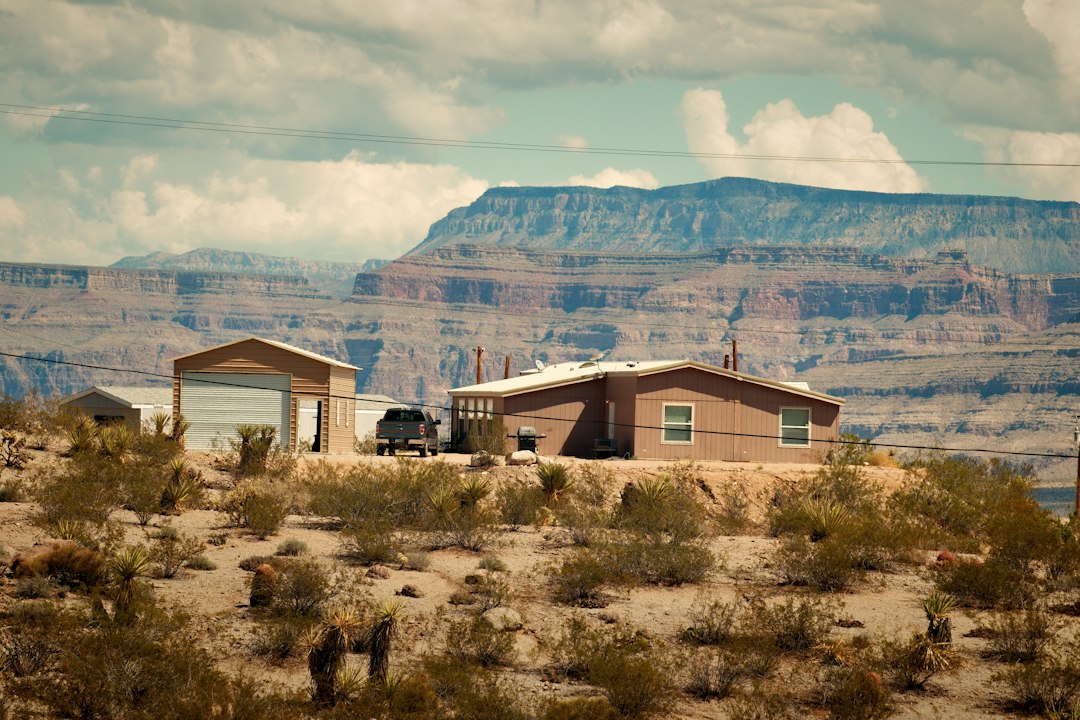
You’ve seen them, haven’t you? Those sleek, modern manufactured homes, often advertised with smiling families and manicured lawns. They promise affordability, a quicker path to homeownership, and a lifestyle unburdened by traditional construction woes. And in many ways, they deliver. But beneath the surface of that appealing facade, there are hidden costs, financial and otherwise, that you might not be considering when you embark on the journey of buying a manufactured home. This article aims to pull back the curtain and illuminate those often-overlooked expenses, so you can make a truly informed decision.
One of the most alluring aspects of buying a manufactured home is the perception of a straightforward, all-inclusive price. You see a base price, and you think, “That’s it! I can afford a new home!” However, this initial figure is rarely the final one you’ll pay. There are numerous ancillary costs associated with getting your manufactured home from the factory to your foundation and making it livable.
Delivery and Setup Fees: More Than Just a Truck Ride
When you purchase a manufactured home, it’s built in a factory and then transported to your chosen location. This delivery isn’t a simple matter of hooking it up to a trailer and driving it down the road.
Transportation Logistics and Distance
The sheer distance the home needs to travel is a primary driver of cost. Longer distances mean more fuel, more driver hours, and potentially more complex routing. You’ll also need to consider the size and number of modules. A single-section home is easier and cheaper to transport than a multi-section behemoth. The company delivering your home will have to navigate roads, bridges, and potentially even power lines, which can add significant complexity and expense. This isn’t a DIY job; it’s a specialized service with a hefty price tag.
Site Preparation: The Groundwork for Your Dream
Before your home can even be delivered, your land needs to be prepared. This is a critical step that many first-time buyers underestimate.
Foundation and Leveling: The Bedrock of Your Home
Manufactured homes require a stable and level foundation. This can range from a simple concrete slab to a more elaborate pier and beam system, depending on local regulations, soil conditions, and the type of manufactured home you choose. The cost of excavation, concrete pouring, and ensuring perfect leveling can add up quickly. In some cases, you might need extensive grading and soil stabilization, especially if your land is sloped or prone to settling.
Utility Connections: Bringing Your Home to Life
Connecting your home to essential utilities – water, sewer (or septic system), electricity, and gas (if applicable) – is another significant expense.
Plumbing and Electrical Work: The Unseen Infrastructure
You’ll need licensed professionals to run plumbing lines from your water source to the house and from the house to your sewer or septic system. Similarly, electricians will need to connect your home to the power grid. These jobs involve trenching, running pipes and wires, and ensuring all connections meet building codes. The cost can vary dramatically based on the distance from existing utility lines to your home’s location.
Septic Systems and Well Water: Off-Grid Expenses
If you’re buying land in a rural area without access to municipal services, you’ll be responsible for installing your own septic system and drilling a well for water. These are substantial upfront investments, often costing tens of thousands of dollars, and they require ongoing maintenance.
Installation and Anchoring: Securing Your Investment
Once the home arrives, it needs to be expertly installed and securely anchored to its foundation.
Professional Assembly and Sealing: Putting It All Together
Multi-section homes require professional assembly on-site. This involves joining the modules together, sealing any gaps, and ensuring the entire structure is sound. This labor-intensive process contributes to the overall setup cost.
Anchoring and Tie-Downs: Withstanding the Elements
Manufactured homes must be properly anchored to the ground to withstand wind and other environmental factors. This involves installing tie-down systems and anchoring hardware, which are crucial for safety but represent an additional expense.
When considering the purchase of a manufactured home, it’s essential to be aware of the hidden costs that can arise throughout the process. These costs may include site preparation, utility connections, and ongoing maintenance, which can significantly impact your overall investment. For a deeper understanding of these financial implications, you can read a related article that discusses the various hidden expenses associated with buying a manufactured home. To explore this topic further, visit How Wealth Grows.
Financing: Navigating a Different Landscape
The financial aspect of buying a manufactured home can also be more complex than purchasing a site-built home. While options exist, they often come with different terms and potentially higher interest rates.
Loan Options: Beyond Traditional Mortgages
Securing financing for a manufactured home can sometimes be trickier than for a traditional house.
Chattel Loans: When the Home Isn’t Permanently Affixed
If your manufactured home is not permanently affixed to the land you own (meaning it’s considered personal property), you’ll likely need a chattel loan. These loans are for the home itself, not the land.
Higher Interest Rates and Shorter Terms
Chattel loans often carry higher interest rates and shorter repayment terms compared to conventional mortgages. This means you could end up paying more in interest over the life of the loan, and your monthly payments might be higher. The perceived risk for lenders with personal property can lead to these less favorable terms.
Collateral and Down Payment Requirements
You may also face stricter collateral requirements and larger down payments with chattel loans. The lender is essentially financing a depreciating asset, which can influence their lending criteria.
Land/Home Packages: Combining Two Loans
If you’re buying both the land and a manufactured home, you might be looking at a land/home package loan. This can simplify the process somewhat, but it’s still important to understand the individual costs and interest rates associated with each component.
Property Taxes and Land Ownership: A Crucial Distinction
Understanding how property taxes are assessed and how land ownership impacts your financing is vital.
Land Leases vs. Owning Your Lot: The Long-Term Financial Implications
Many manufactured homes are placed in manufactured housing communities where you lease the land. While this can reduce the upfront cost of land acquisition, it introduces ongoing monthly lot rent. This rent can increase over time, and you’ll never build equity in the land itself. If you own your lot, you’ll be responsible for property taxes on both the land and the home.
Appreciation of Land vs. Depreciation of Home: A Growing Divide
Over time, the value of land typically appreciates, while the value of a manufactured home often depreciates, especially if it’s not well-maintained or updated. This can create a financial imbalance in your ownership, where your land becomes increasingly valuable while your home’s value declines.
Insurance and Maintenance: Ongoing Commitments
Once you’ve purchased your manufactured home, the financial commitments don’t end. Insurance and ongoing maintenance are crucial for protecting your investment and ensuring its longevity.
Homeowner’s Insurance: Protecting Your Asset
Ensuring your manufactured home is adequately insured is paramount.
Specialized Manufactured Home Insurance: Not Your Standard Policy
Standard homeowner’s insurance policies may not fully cover manufactured homes. You’ll likely need a specialized policy that accounts for the unique construction and potential risks associated with manufactured housing.
Coverage for Wind, Fire, and Other Perils: Assessing Your Risks
These policies will detail coverage for various perils like wind damage, fire, and theft. It’s essential to understand the deductibles and coverage limits to ensure you’re adequately protected. Remember, repairs or rebuilding a manufactured home can be more complex and costly than a traditional home.
Flood and Earthquake Insurance: Location-Specific Considerations
Depending on your geographical location, you might need additional insurance for flood or earthquake damage. These are typically separate policies and can add significantly to your annual insurance costs.
Maintenance and Repairs: The Value of Proactive Care
Manufactured homes, like any home, require regular maintenance and occasional repairs. Proactive care can prevent costly issues down the line.
Exterior Maintenance: Protecting Against the Elements
Regular cleaning of siding, gutters, and the roof is essential. Inspecting and sealing any cracks or gaps in the exterior will prevent water intrusion and pest infestations, which can lead to expensive structural damage.
Interior Maintenance: Addressing Wear and Tear
This includes maintaining plumbing and electrical systems, HVAC units, and appliances. Promptly addressing minor leaks or malfunctioning systems can save you from major repairs later.
HVAC Systems: Efficiency and Longevity
The heating, ventilation, and air conditioning (HVAC) system in a manufactured home plays a critical role in its comfort and energy efficiency. Regular maintenance, including filter changes and professional tune-ups, is crucial for its longevity and to prevent costly breakdowns.
Plumbing and Electrical Systems: Potential Pitfalls
While modern manufactured homes have robust systems, older models might have plumbing or electrical components that require more attention. Being aware of potential issues and addressing them proactively can save you from significant repair bills.
Resale Value and Depreciation: The Long Game
One of the most frequently cited concerns with manufactured homes is their resale value and how quickly they depreciate. This is a crucial factor to consider when viewing your home as a long-term investment.
Market Perception and Lender Appraisals: A Historical Disadvantage
Historically, manufactured homes have faced a perception challenge in the real estate market. This can translate into lower appraisal values and a more limited pool of potential buyers compared to site-built homes.
Factors Influencing Resale Value: Location, Condition, and Upgrades
The resale value of a manufactured home is heavily influenced by several factors:
Location and Lot Type: The “Stick-Built” Factor
A manufactured home that is permanently affixed to land you own and located in a desirable neighborhood will generally hold its value better than one in a leased land community or a less sought-after area. The “stick-built” stigma can be harder to overcome in purely market-driven valuations.
Condition and Upgrades: Investing in Your Home’s Future
The overall condition of the home, including the state of the roof, siding, foundation, and interior finishes, plays a significant role. Homes that have been well-maintained and have undergone tasteful upgrades (like new flooring, updated kitchens and bathrooms, or energy-efficient windows) tend to command a higher resale price.
Age of the Home: The Passage of Time
Like any dwelling, age is a factor. Older manufactured homes, especially those that haven’t been updated, will naturally depreciate more significantly than newer models.
Depreciation vs. Appreciation: A Financial Balancing Act
Understanding the interplay between depreciation of the home and potential appreciation of the land is key.
Land Appreciation as a Counterbalance: The Role of Real Estate
If you own your land, the appreciation of that real estate can help offset the depreciation of the manufactured home. This is why owning your lot can be a more sound long-term financial strategy than leasing land.
The Importance of Land Ownership: Building Equity
Owning the land means you are building equity in a tangible asset that is likely to increase in value over time. This equity can serve as a significant financial cushion and a more stable foundation for your investment.
The “House” vs. The “Home”: A Shifting Perspective
It’s important to remember that in many markets, a manufactured home, even if permanently affixed, might be valued primarily as a structure on the land rather than a fully integrated component of the real estate, contributing to a lower overall valuation compared to a site-built equivalent.
When considering the purchase of a manufactured home, it’s essential to be aware of the hidden costs that can arise throughout the process. Many buyers overlook expenses such as land leasing fees, maintenance costs, and insurance premiums, which can significantly impact the overall investment. For a deeper understanding of these potential financial pitfalls, you can explore a related article that discusses the various hidden costs associated with buying a manufactured home. This informative piece can be found here, providing valuable insights to help you make a more informed decision.
Upgrades and Customization: Personalizing Your Space, At a Cost
| Cost Category | Description | Estimated Range | Notes |
|---|---|---|---|
| Site Preparation | Clearing, leveling, and preparing the land for installation | 1,000 – 5,000 | Depends on land condition and local regulations |
| Transportation Fees | Cost to transport the home from factory to site | 500 – 3,000 | Varies by distance and home size |
| Installation and Setup | Anchoring, utility hookups, and final assembly | 2,000 – 7,000 | Includes plumbing, electrical, and HVAC connections |
| Permits and Inspections | Local government fees for permits and inspections | 500 – 2,000 | Required by most municipalities |
| Land Lease or Purchase | Cost of leasing or buying the land where the home sits | Varies widely | Monthly lease fees or upfront purchase cost |
| Property Taxes | Annual taxes based on home and land value | Varies by location | Often overlooked in budgeting |
| Insurance | Homeowner’s insurance specific to manufactured homes | 600 – 1,500 annually | May be higher than traditional homes |
| Maintenance and Repairs | Ongoing upkeep and unexpected repairs | 500 – 2,000 annually | Includes roof, skirting, and appliances |
| Financing Costs | Higher interest rates and fees for manufactured home loans | Varies | Often less favorable than traditional mortgages |
While manufactured homes are built in a factory, there are often opportunities for customization and upgrades. These can enhance your living experience and potentially improve resale value, but they come with their own set of hidden costs.
Factory Customization Options: The Initial Temptation
When you’re ordering your home, the sales representative will likely present you with a plethora of upgrade options. From premium countertops and flooring to enhanced insulation and designer appliances, it’s easy to get caught up in the excitement of personalizing your new home.
Premium Finishes and Materials: Adding Up Quickly
While these upgrades can make your home more aesthetically pleasing and functional, they can significantly increase the base price of the home. What might seem like a small add-on, like a different cabinet style or a higher-grade carpet, can add hundreds or even thousands of dollars to the overall cost.
Kitchen and Bathroom Enhancements: High-Impact, High-Cost Areas
Kitchens and bathrooms are often the focus of upgrades, and for good reason. However, choosing premium cabinets, countertops (like quartz or granite), high-end fixtures, and upgraded appliances can quickly inflate your budget.
Energy Efficiency Upgrades: Long-Term Savings, Upfront Investment
Investing in energy-efficient windows, upgraded insulation packages, or more efficient HVAC systems can lead to significant savings on utility bills over time. However, these upgrades require a substantial upfront investment, which you need to factor into your initial purchase price.
Post-Purchase Renovations and Additions: Building on Your Investment
Once you’ve moved in, you might decide to make further improvements or additions to your manufactured home.
Attached Garages and Porches: Expanding Your Living Space
Adding an attached garage or a covered porch can greatly enhance the functionality and appeal of your home. However, these are significant construction projects that involve permits, materials, and labor, all of which add considerable expense.
Site-Built Additions: Integrating with Your Home
If you opt for site-built additions, you’ll need to consider how they will be integrated with your manufactured home, which can sometimes present unique construction challenges and costs.
Interior Remodeling: Modernizing and Personalizing
As your needs change or as your home ages, you might decide to undertake interior remodeling projects, such as updating flooring, repainting, or even reconfiguring living spaces. These projects, while perhaps not as extensive as adding a garage, still represent an investment in your home and should be budgeted for.
By understanding these hidden costs, you can approach the purchase of a manufactured home with a clear-eyed perspective. The affordability and convenience they offer are undeniable, but a well-informed buyer is one who has factored in every potential expense, from delivery to ongoing maintenance and eventual resale. This knowledge empowers you to make a decision that truly aligns with your financial goals and lifestyle aspirations, ensuring your manufactured home is a source of pride and security, not a financial burden.

The $80,000 House You’re Not Allowed to Put Anywhere
FAQs
What are some hidden costs associated with buying a manufactured home?
Some hidden costs of buying a manufactured home include delivery and installation fees, utility connections, land preparation, and potential upgrades or customization.
Are there ongoing expenses to consider after purchasing a manufactured home?
Yes, ongoing expenses may include property taxes, homeowners insurance, maintenance and repairs, utilities, and any homeowner association fees.
How can I budget for hidden costs when buying a manufactured home?
To budget for hidden costs when buying a manufactured home, it is important to research and understand all potential expenses involved, obtain quotes from different suppliers, and set aside a contingency fund for unexpected costs.
Can the location of a manufactured home impact hidden costs?
Yes, the location of a manufactured home can impact hidden costs, as factors such as land prices, zoning regulations, utility availability, and transportation costs can vary depending on the area.
Are there any financing options available to help cover hidden costs when buying a manufactured home?
Yes, there are financing options available such as personal loans, home equity loans, or chattel mortgages specifically designed for manufactured homes that can help cover hidden costs associated with purchasing a manufactured home.