You might think you know airlines. You see the sleek metal birds on the tarmac, you experience the cramped seats, the questionable meals, and the endless queues. You’ve booked your ticket, checked your bags, and maybe even endured a crying baby for a few hours. But beyond the visible, tangible aspects of your travel, there’s a whole other world at play – a hidden business of airlines, a labyrinth of strategies, financial maneuvering, and often ruthless competition that shapes every aspect of your journey, from the price of your ticket to the very existence of the route you’re flying.
This isn’t just about moving people from point A to point B. It’s a high-stakes game of resource management, risk mitigation, and constant adaptation. You’re a passenger, a consumer, but you’re also a data point, a revenue stream, and a crucial element in a complex ecosystem you rarely see. Let’s peel back the layers and explore the hidden business of airlines, the forces that truly dictate your travel experience.
You’ve probably spent hours comparing ticket prices, convinced that the cheapest option is the best. But the fare you see is a carefully constructed number, a result of intricate economic models that go far beyond simply covering the cost of fuel and the pilot’s salary. Airlines operate on razor-thin margins, making profitability a constant, often elusive, goal. The hidden business here lies in how they juggle revenue streams and manage incredibly volatile costs.
The Art of Dynamic Pricing
The price of your flight isn’t static; it’s a living, breathing entity that shifts by the minute. This is the domain of dynamic pricing, a sophisticated system that analyzes a multitude of factors to determine what you’ll pay.
Demand and Supply in Real-Time
At its core, dynamic pricing is about matching demand with supply. When a flight is in high demand – think holiday weekends, major events, or popular routes – prices naturally climb. Conversely, flights with fewer bookings will see price drops to stimulate demand. But it’s far more complex than this simple equation.
Algorithmic Sophistication
Airlines employ complex algorithms that continuously monitor booking patterns, competitor pricing, historical data, and even external factors like economic indicators and news events. These algorithms predict how many seats are likely to be sold at different price points and adjust accordingly. This is why you might see a price increase minutes after checking it.
Customer Segmentation
Your behavior as a traveler is also analyzed. Are you a last-minute booker? Do you frequently fly with this airline? Are you traveling for business or leisure? These segments inform pricing strategies. Business travelers, often with less price sensitivity and more flexible schedules, tend to be charged higher fares. Leisure travelers, more likely to be price-conscious, can snag cheaper deals by booking in advance or being flexible with their travel dates.
Ancillary Revenue: The True Profit Centers
While ticket sales are the most visible revenue stream, they are often not the primary profit drivers. The real hidden business lies in the multitude of ancillary services airlines have developed to boost their bottom line.
Baggage Fees: A Necessary Evil
Once a service included with your ticket, checked baggage has become a significant revenue generator for many airlines. The fees vary by destination, airline, and the number of bags, effectively creating a tiered pricing structure that can significantly increase your overall travel cost if you’re not careful.
Seat Selection and Legroom
Do you crave that window seat or the extra legroom in an exit row? You’ll likely pay for it. Airlines have unbundled these amenities, transforming them into profitable add-ons. This allows them to offer a seemingly lower base fare, attracting price-sensitive customers, while generating substantial revenue from those who value comfort and convenience.
In-Flight Entertainment and Wi-Fi
Once considered a standard amenity, in-flight entertainment systems are now often behind a paywall, especially on shorter routes or with budget carriers. Similarly, Wi-Fi, while increasingly common, is rarely free. The cost of a few hours of connectivity can add up, another hidden expense you might not have factored in.
Food and Beverage Sales
Remember when meals were included in your ticket? For many airlines, especially on domestic and short-haul international flights, this is a distant memory. You now have the option to purchase a sandwich, a snack, or a drink, turning the cabin into a flying convenience store.
Loyalty Programs and Co-Branded Credit Cards
Frequent flyer programs are not just about rewarding loyal customers; they are sophisticated marketing tools that drive repeat business and generate revenue through partnerships. Co-branded credit cards offer miles for everyday spending, further embedding the airline into your financial life and providing them with valuable customer data and transaction fees.
The airline industry, often perceived as a straightforward mode of transportation, has a complex and hidden business landscape that significantly impacts its operations and profitability. For a deeper understanding of the intricate financial mechanisms and strategies at play within this sector, you can explore the article available at How Wealth Grows. This resource delves into the various revenue streams, cost structures, and market dynamics that shape the airline business, revealing the unseen factors that contribute to its success and challenges.
The Complex Web of Operations: More Than Just Flying
Beneath the polished exterior of an airline lies a gargantuan operational machine. From the meticulous maintenance of aircraft to the intricate scheduling of flights and the management of a vast workforce, the hidden business of airlines is deeply rooted in the complexities of keeping their fleet airborne and their passengers moving efficiently.
Aircraft Acquisition and Maintenance: The Biggest Expense
The aircraft themselves represent the airline’s most significant capital investment. The decisions made regarding fleet composition, acquisition, and ongoing maintenance have profound implications for profitability and operational flexibility.
Fleet Planning and Aircraft Types
Choosing the right aircraft is crucial. Do you opt for large, fuel-efficient wide-body jets for long-haul routes, or smaller, versatile narrow-body aircraft for shorter hops? Airlines constantly analyze route profitability, passenger demand, and fuel costs to optimize their fleet. This involves complex financial modeling and long-term leasing or purchasing agreements.
The Impact of Fuel Efficiency
Fuel is one of the largest operating expenses for any airline. The drive for fuel efficiency has led to significant investment in newer aircraft models that consume less fuel. This is a constant battle against fluctuating oil prices.
Maintenance Schedules and Safety Standards
Aircraft maintenance is a non-negotiable, highly regulated aspect of airline operations. From daily checks to extensive overhauls, maintaining an aircraft is a costly but absolutely essential process to ensure safety and operational reliability. The hidden business here is the meticulous planning, the specialized personnel, and the constant vigilance required to keep these complex machines airworthy.
Route Network Optimization: Strategic Decisions, Not Just Destinations
The routes an airline flies are not arbitrary; they are the result of strategic decisions aimed at maximizing profitability and market share. The hidden business is in the analysis and selection of these routes, often involving intricate economic and competitive considerations.
Hub-and-Spoke vs. Point-to-Point
Airlines employ different network strategies. Hub-and-spoke systems involve consolidating passengers at major hubs before distributing them to various destinations, creating more direct connections and economies of scale. Point-to-point networks, favored by low-cost carriers, aim to fly directly between cities, reducing transfer times and operational complexity. Each strategy has its own set of advantages and disadvantages, impacting costs, efficiency, and passenger experience.
Competition and Market Share
The decision to fly a particular route is heavily influenced by the competition. Airlines will often enter or exit routes based on the presence of competitors, attempting to capture market share or avoid price wars. This can lead to route changes and even route abandonment as market dynamics shift.
Crew Management: A Logistical Ballet
Managing thousands of pilots, flight attendants, and ground staff is a monumental logistical undertaking. The hidden business here lies in the intricate scheduling, training, and compensation of this crucial workforce.
Pilot and Crew Scheduling
Ensuring that enough pilots and flight attendants are available for every flight, while adhering to strict rest regulations and union agreements, is a complex puzzle. Sophisticated software and dedicated teams work tirelessly to create and manage these schedules, often with last-minute adjustments due to weather, illness, or operational disruptions.
Training and Certification
The continuous training and certification of flight crews are paramount for safety and regulatory compliance. This involves extensive simulations, recurrent training, and specialized courses, all of which represent significant operational costs.
The Power of Alliances and Partnerships: A Collaborative Conquest
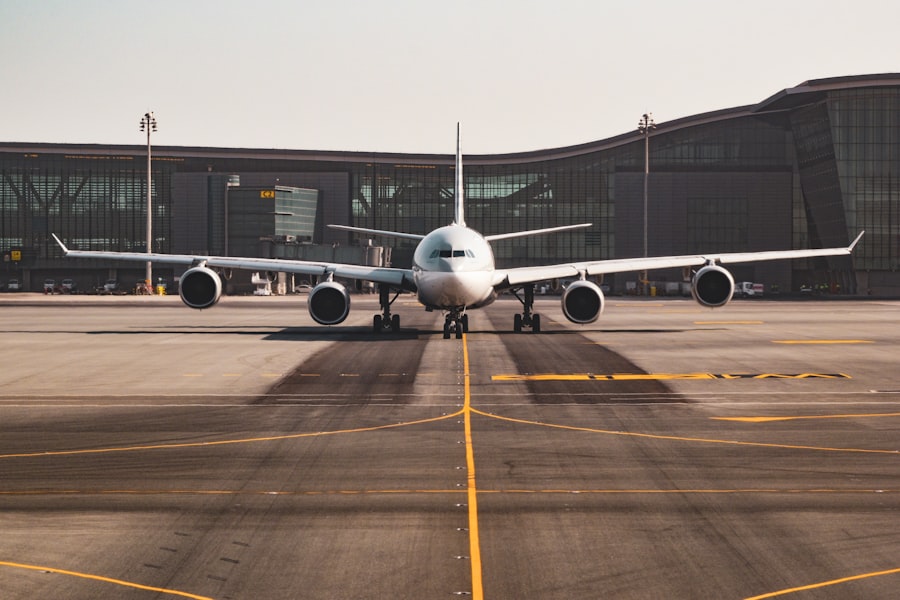
In the sky, as on land, competition can be fierce. However, airlines have learned to collaborate, forming intricate alliances and partnerships that allow them to expand their reach, share resources, and offer a more comprehensive service to passengers. This is a hidden business of mutual benefit and strategic maneuvering.
Global Airline Alliances: The Big Three
You’ve likely heard of Star Alliance, oneworld, and SkyTeam. These are not just marketing clubs; they are powerful global networks of airlines that cooperate to offer seamless travel experiences across vast networks.
Code-Sharing Agreements
Code-sharing is a fundamental element of airline alliances. One airline sells seats on a flight operated by another alliance member, allowing them to offer more destinations and frequencies without actually operating the flights themselves. This expands their network and revenue potential significantly.
Frequent Flyer Program Integration
Members of one alliance can often earn and redeem miles on other member airlines, creating a loyalty program that spans the globe. This incentivizes passengers to stick with a particular alliance, even if they fly on different carriers.
Joint Ventures and Revenue Sharing
Beyond code-sharing, airlines within alliances often engage in joint ventures on specific routes or regions. This allows them to coordinate pricing, marketing, and capacity, effectively operating as a single entity on those routes and sharing in the revenue generated. This is a direct manifestation of the hidden business of collaboration for profit.
Beyond Alliances: Strategic Partnerships
Even airlines that aren’t part of the major alliances engage in strategic partnerships to expand their reach or offer specialized services.
Regional Airline Partnerships
Major carriers often partner with smaller regional airlines to feed passengers into their hub airports. This allows them to serve smaller markets without the operational overhead of flying smaller aircraft themselves.
Cargo and Charter Operations
Many airlines leverage their aircraft and crews for cargo operations or charter flights when passenger demand is lower. This creates additional revenue streams and optimizes asset utilization, a crucial aspect of the hidden business of maximizing every available resource.
The Digital Transformation: Data is the New Fuel
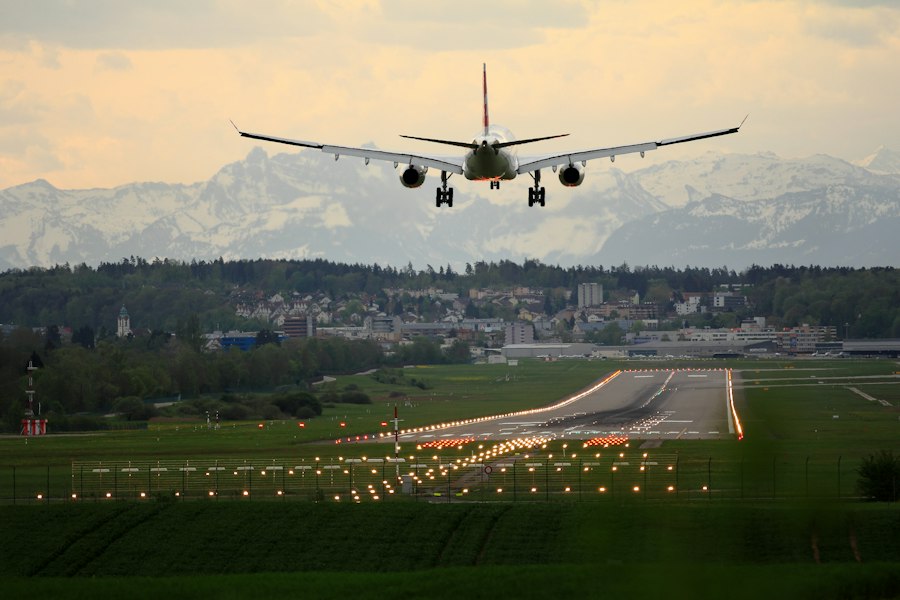
In the modern era, the hidden business of airlines has become increasingly reliant on data. From customer preferences to operational efficiency, data is the new fuel that powers their strategies and drives their decision-making processes.
Big Data and Analytics: Understanding the Passenger
Airlines collect vast amounts of data on their passengers, and the sophisticated analysis of this data is key to their success.
Personalization and Targeted Marketing
By analyzing your booking history, travel patterns, and even your browsing behavior on their website, airlines can personalize offers, promotions, and even the content they show you. This targeted marketing is far more effective than broad-brush advertising.
Predictive Analytics for Demand Forecasting
Data analytics is crucial for accurately forecasting demand for specific routes and flights. This allows airlines to optimize pricing, allocate resources effectively, and minimize the risk of over or under-capacity.
Technology in the Cabin and Beyond
Technology is transforming every aspect of the airline experience, from booking to the in-flight experience itself.
Mobile Apps and Online Platforms
Your smartphone is now a critical tool for interacting with airlines. Mobile apps allow you to book flights, check in, manage your bookings, and access boarding passes. Online platforms are the primary interface for most customers.
In-Flight Connectivity and Entertainment Systems
As mentioned earlier, Wi-Fi and advanced in-flight entertainment systems are not just about passenger comfort; they are also data collection points and revenue generators. The data gathered from these systems can inform future service improvements and marketing strategies.
The airline industry often appears to be a straightforward business focused on transporting passengers from one destination to another. However, there is a complex web of hidden factors that significantly influence its operations and profitability. For a deeper understanding of the intricate financial dynamics at play, you might find this article on the hidden business behind the airline industry particularly enlightening. It explores various aspects that contribute to the industry’s success and challenges, shedding light on the often-overlooked elements that drive its growth. To read more about this fascinating topic, visit this article.
The Regulatory Landscape and Geopolitical Influences: Navigating a Complex World
| Key Metrics | Data |
|---|---|
| Number of Passengers | 3.8 billion in 2018 |
| Revenue Passenger Kilometers (RPK) | 8.2 trillion in 2018 |
| Available Seat Kilometers (ASK) | 10.7 trillion in 2018 |
| Global Airline Industry Revenue | 838 billion in 2018 |
| Number of Commercial Aircraft | 25,830 in 2018 |
Airlines operate within a highly regulated global environment, subject to a myriad of laws, international agreements, and geopolitical shifts. The hidden business here is in navigating this complex web to ensure compliance, optimize operations, and mitigate risks.
Government Regulations and Safety Standards
Aviation is one of the most heavily regulated industries in the world. International bodies like the International Civil Aviation Organization (ICAO) and national aviation authorities set stringent safety standards, operational procedures, and passenger rights.
Air Traffic Control and Slot Allocation
Access to airspace and landing slots at busy airports is a critical and often scarce resource. Airlines must navigate complex air traffic control systems and often vie for valuable landing and take-off slots, which can significantly impact their operational flexibility and profitability.
Passenger Rights and Consumer Protection
Regulations around passenger rights, such as compensation for delays and cancellations, are constantly evolving. Airlines must adhere to these regulations, which can impact their financial planning and operational strategies.
Geopolitical Factors and Global Events
The airline industry is highly susceptible to geopolitical events, economic downturns, and global health crises.
International Relations and Trade Agreements
International relations and trade agreements can directly impact which routes airlines can fly, what fees they can charge, and how they can operate in different countries.
The Impact of Global Events
Events like the COVID-19 pandemic have demonstrated the profound impact of global crises on the airline industry. Airlines must constantly adapt their strategies and operations to unforeseen circumstances, often requiring significant financial restructuring and government support.
In conclusion, your journey on an airplane is far more than just a flight. It’s the culmination of intricate business strategies, sophisticated operational management, and a constant effort to adapt to a dynamic global landscape. The hidden business of airlines is a testament to the complexity and resilience of an industry that, despite its challenges, continues to connect the world, one flight at a time. The next time you board a plane, remember the unseen forces at play, the hidden business that makes it all possible, and the constant innovation required to keep those wings in the sky.

How Airlines Make Billions Without Flying You
FAQs
What is the hidden business behind the airline industry?
The hidden business behind the airline industry refers to the various revenue streams and business operations that are not commonly known to the general public. This includes areas such as ancillary services, cargo operations, and partnerships with other businesses.
What are ancillary services in the airline industry?
Ancillary services in the airline industry are additional products and services that airlines offer to passengers for an extra fee. This can include items such as in-flight meals, Wi-Fi access, seat selection, and baggage fees. Ancillary services have become a significant source of revenue for airlines in recent years.
How does the airline industry generate revenue from cargo operations?
Airlines generate revenue from cargo operations by transporting goods and freight on their flights. This can include items such as commercial goods, perishable items, and mail. Cargo operations can be a lucrative business for airlines, especially on long-haul international routes.
What are some examples of partnerships between airlines and other businesses?
Airlines often form partnerships with other businesses to expand their reach and offer additional services to passengers. Examples of partnerships include code-sharing agreements with other airlines, co-branded credit cards with banks, and collaborations with hotels and car rental companies to offer bundled travel packages.
How do airlines benefit from loyalty programs?
Airlines benefit from loyalty programs by encouraging repeat business from frequent flyers. These programs offer rewards such as free flights, upgrades, and access to airport lounges in exchange for customer loyalty. In addition to fostering customer loyalty, these programs also provide valuable data and insights into consumer behavior for airlines.