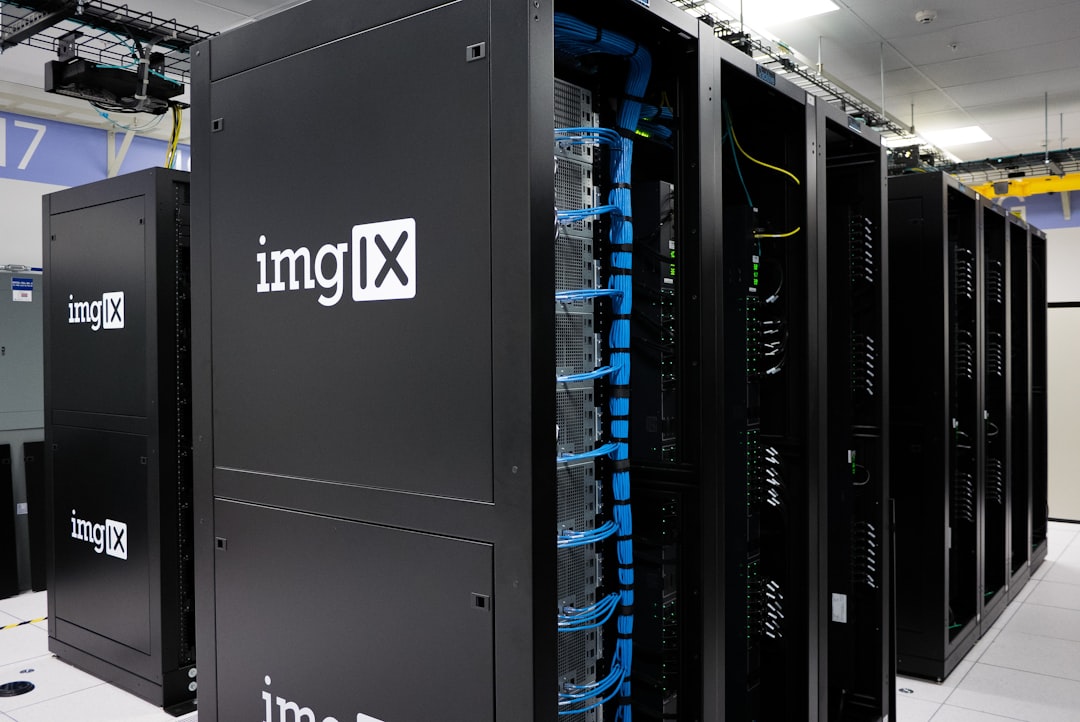
You stand on the precipice of a new era, one where the digital heartbeat of the world – your data centers – faces a looming threat. It’s a threat that’s less about a physical breach or a system failure, and more about obsolescence and economic devaluation. You’re experiencing the growing risk of stranded assets in your data centers, a phenomenon that, if left unaddressed, could leave you with expensive, underperforming, and ultimately worthless infrastructure.
The relentless march of technological innovation, coupled with evolving environmental regulations and shifting market demands, is creating a perfect storm that can render perfectly functional data center components and even entire facilities as financial liabilities. You might be building for the future, but is your future future-proof? This isn’t a hypothetical scenario; it’s a tangible risk that demands your immediate attention and strategic foresight. Understanding this risk, identifying its drivers, and proactively mitigating its impact is no longer optional – it’s essential for your continued success and financial stability.
Before you can effectively combat the threat of stranded assets, you must first understand what they are and how they manifest within your data center ecosystem. It’s not simply about a piece of old hardware; it’s about a strategic and financial devaluation that impacts your bottom line.
Defining the Term: What Exactly is a Stranded Asset?
You can think of a stranded asset as any piece of infrastructure, technology, or even a whole facility that loses its economic value prematurely, before the end of its expected useful life. In the context of your data center, this could range from aging server racks and outdated networking equipment to entire buildings that become uneconomical to operate due to energy inefficiencies or lack of modern connectivity.
The Lifecycle Disruption: When Assets Outlive Their Economic Viability
The traditional lifecycle of a data center asset is predicated on a certain period of utility and profitability. However, the rapid pace of technological advancement means that this lifecycle is frequently being cut short. What was state-of-the-art five years ago might be considered a dinosaur today, hindering performance and increasing operational costs. You invest in these assets with the expectation of a return over a defined period, but when that return dwindles or disappears due to external forces, they become stranded.
Beyond Hardware: The Broader Scope of Stranded Assets
It’s crucial to recognize that the concept extends beyond just physical hardware. Your software licenses, which might have been cutting-edge, can become obsolete as new protocols and security standards emerge. Even your land or buildings can become stranded if they are located in an area that is no longer desirable for data center development due to factors like rising energy costs, seismic activity, or regulatory changes. You must look at the entire ecosystem.
The Financial Implications: Beyond a Simple Write-Off
The financial impact of stranded assets is far more profound than a simple accounting write-off. It represents a significant drain on your capital and a missed opportunity for growth and innovation.
Capital Deprecation and Unrealized Returns
When an asset becomes stranded, you’ve likely not recouped your initial investment. The capital you tied up in that hardware, software, or facility is now essentially lost, preventing you from reinvesting it in more modern, efficient, and profitable technologies. This is a direct hit to your return on investment (ROI) and can cripple your ability to scale or adapt.
Increased Operational Expenses (OpEx)
Stranded assets often come with higher operational costs. Older equipment typically consumes more power, requires more frequent maintenance, and may not be as reliable as newer alternatives. This increased OpEx eats into your profit margins, making your operations less competitive. You might be paying to maintain an asset that’s actively costing you money.
Competitive Disadvantage and Market Share Erosion
As your competitors embrace newer, more efficient technologies, they gain a significant edge. They can offer lower prices, better performance, and more innovative services, drawing customers away from your less agile operations. Your stranded assets can become a drag on your ability to compete effectively in a rapidly evolving market.
Data center stranded asset risk is an increasingly important topic as companies strive to balance technological advancements with environmental sustainability. For a deeper understanding of the financial implications and strategies to mitigate these risks, you can refer to a related article that discusses the challenges and solutions in managing data center investments. To explore this further, visit How Wealth Grows.
Key Drivers Behind the Growing Risk in Your Data Centers
Several interconnected factors are converging to accelerate the risk of stranded assets in your data center operations. Understanding these drivers is the first step in developing effective countermeasures.
The Velocity of Technological Evolution: The Ever-Accelerating Upgrade Cycle
The most prominent driver is the sheer speed at which technology is advancing. What was a cutting-edge server a few years ago is now struggling to keep pace with the demands of AI, machine learning, and the ever-increasing data volumes.
Moore’s Law and Beyond: The Exponential Growth of Computing Power
While Moore’s Law, the observation that the number of transistors on a microchip doubles approximately every two years, might be slowing in its purest form, the spirit of exponential advancement continues. New architectures, specialized processors (like GPUs for AI), and novel cooling technologies are constantly emerging, rendering older generations of hardware insufficient. You can’t afford to ignore this relentless progress.
The Obsolescence of Legacy Infrastructure: A Performance Bottleneck
Legacy systems, designed for a different era of computing, often become performance bottlenecks. They can’t handle the sheer volume of data processing required by modern applications, leading to slower response times, increased latency, and a degraded user experience. This directly impacts your ability to deliver on service level agreements (SLAs).
Software Dependencies and Compatibility Issues
Even if your hardware is still functional, it might become obsolete due to software dependencies. New operating systems, virtualization platforms, and application frameworks are often designed for newer hardware, leaving older systems incompatible or unable to leverage the latest features and security patches.
Environmental Regulations and Sustainability Imperatives: The Green Shift
Governments and industries are increasingly focusing on sustainability and reducing carbon footprints. This is creating significant pressure on data centers to become more energy-efficient, which can render older, energy-guzzling facilities as stranded assets.
Energy Efficiency Standards and Compliance
You’re likely facing stricter energy efficiency standards and reporting requirements. Older data centers, often built with less efficient cooling systems and power distribution, struggle to meet these new benchmarks. Failure to comply can result in fines, penalties, and reputational damage.
The Rise of Renewable Energy and Carbon Pricing
The growing adoption of renewable energy sources and the potential for carbon pricing mechanisms are making the operational costs of older, fossil-fuel-dependent data centers increasingly unattractive. You might find yourself paying a premium for energy that your competitors are sourcing more sustainably and affordably.
Public Perception and Corporate Social Responsibility (CSR)
Customers and investors are increasingly scrutinizing companies’ environmental impact. A data center that is perceived as environmentally irresponsible can suffer reputational damage, impacting brand value and customer loyalty. This is no longer a niche concern; it’s a mainstream expectation.
Shifting Market Demands and Evolving Business Models: The Agile Customer
The way businesses and individuals consume digital services is constantly changing, impacting the demand for specific types of data center infrastructure.
The Cloud Migration Imperative: Public, Private, and Hybrid
The widespread adoption of cloud computing has significantly altered the demand for traditional colocation and on-premises data centers. If your infrastructure isn’t designed for seamless integration with cloud services or doesn’t offer competitive cloud-like agility, it risks becoming a stranded asset.
The Specialization of Data Processing: AI, HPC, and Edge Computing
Emerging workloads like Artificial Intelligence (AI), High-Performance Computing (HPC), and edge computing require specialized infrastructure – think GPUs, high-speed networking, and localized processing. If your data center isn’t equipped to handle these demands, it will struggle to attract or retain customers needing these services.
The Demand for Lower Latency and Edge Deployments
The rise of latency-sensitive applications like real-time analytics, IoT, and autonomous systems is driving demand for smaller, distributed data centers closer to the end-user – edge computing. Large, centralized facilities may become less relevant for these specific use cases, potentially stranding parts of your investment.
Identifying Potential Stranded Assets in Your Data Center Portfolio
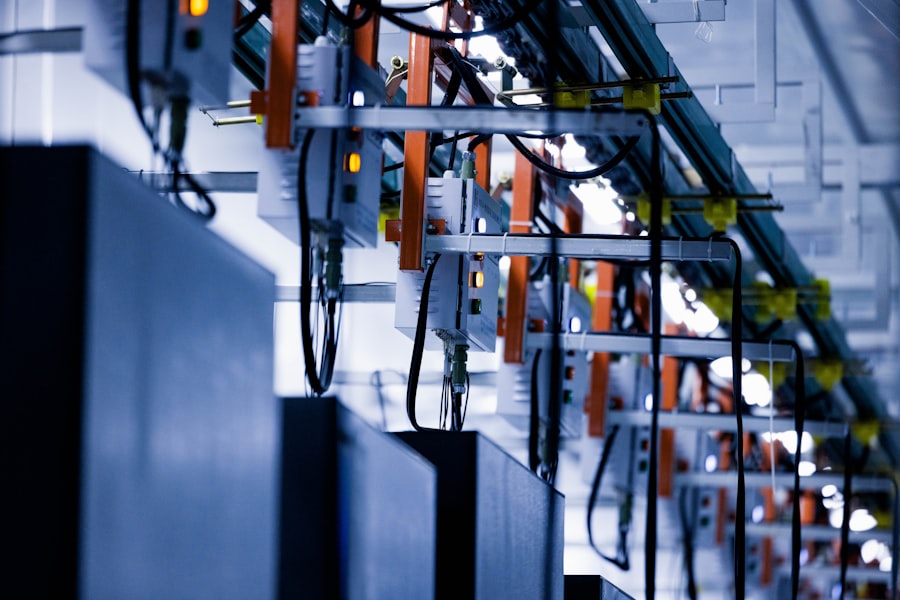
Proactive identification is key. You need a systematic approach to audit your existing infrastructure and pinpoint areas of potential vulnerability.
The Hardware Audit: Beyond the Serial Number
This isn’t just about listing your servers; it’s about a deep dive into their capabilities and performance in the context of current and future demands.
Server and Storage Fleet Assessment: Age, Performance, and Power Consumption
You need to meticulously catalog your servers and storage arrays, noting their age, current performance metrics, and crucially, their power consumption. Are they struggling to keep up with current workloads? Are they significantly more power-hungry than newer models?
Networking Infrastructure Evaluation: Bandwidth, Latency, and Protocol Support
Your network is the lifeblood of your data center. Evaluate the capacity, latency characteristics, and protocol support of your switches, routers, and other networking gear. Are they capable of supporting the high bandwidth and low latency requirements of modern applications?
Cooling and Power Distribution Systems: Efficiency and Scalability
The infrastructure that supports your IT equipment is just as critical. Assess the efficiency and scalability of your cooling systems (CRAC units, chillers) and power distribution units (PDUs, UPS systems). Are they outdated and inefficient, or can they accommodate future growth?
The Software and Licensing Review: The Invisible Stranding
Software and its associated licenses can represent a significant sunk cost that quickly becomes a liability.
Operating System and Virtualization Platform Obsolescence
Are you still running older versions of operating systems or virtualization platforms that are no longer supported by vendors or lack critical security patches? This creates a significant security risk and limits your ability to deploy newer applications.
Application Software and License Management
Evaluate your application software portfolio. Are you paying for licenses for software that is no longer used, is outdated, or can be replaced by more cost-effective and feature-rich alternatives? This is a common area for hidden stranded assets.
Firmware and Driver Updates: The Unsung Heroes
The lack of timely firmware and driver updates on hardware can lead to performance issues, security vulnerabilities, and incompatibility with newer software. Neglecting these can effectively strand functional hardware.
Facility and Location Analysis: The Real Estate Conundrum
Your physical data center footprint also carries the risk of becoming stranded.
Energy Costs and Availability: Location, Location, Location
The cost and availability of electricity are paramount. If your facility is located in an area with rapidly rising energy costs or limited access to affordable renewable energy, it could become uneconomical to operate, leading to stranded assets.
Connectivity and Network Access: The Digital Backbone
Is your facility well-connected to major network backbones and peering points? Poor connectivity can limit your ability to attract customers and participate in the digital economy, rendering the physical facility less valuable.
Environmental Risks and Regulatory Landscape
Consider the long-term environmental risks associated with your location, such as seismic activity, flooding, or extreme weather. Changes in local zoning laws or environmental regulations can also impact the viability of your data center.
Strategies to Mitigate the Risk of Stranded Assets
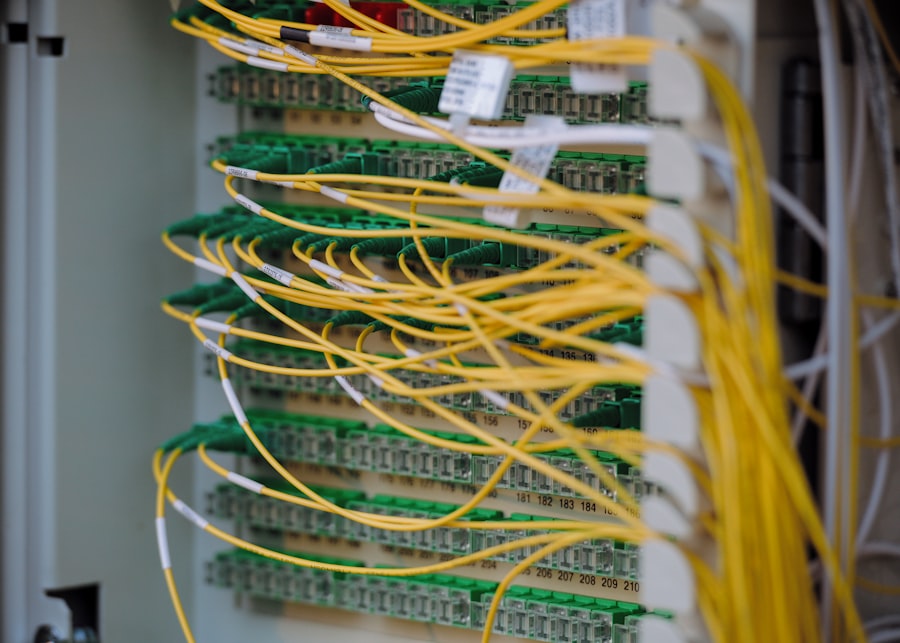
The good news is that you can actively mitigate the risk of stranded assets. It requires a shift towards a more proactive, strategic, and adaptable approach to data center management.
Embracing a Lifecycle Management Approach: Think Ahead
This is about moving beyond the “buy and deploy” mentality and adopting a holistic view of asset lifecycles.
Strategic Procurement and Vendor Lock-in Avoidance
When procuring new equipment, prioritize vendors and solutions that offer flexibility and interoperability. Avoid proprietary systems that could lead to vendor lock-in and make future upgrades or replacements more difficult and expensive.
Planned Obsolescence vs. Planned Refresh: The Strategic Choice
Understand that some level of refresh is inevitable. Instead of reacting to obsolescence, plan for regular refresh cycles. This allows you to leverage discounts for bulk purchases, manage the transition smoothly, and always operate with modern, efficient equipment.
Decommissioning and Disposal Strategies: Responsible Retirement
When an asset reaches the end of its useful life, have a well-defined plan for decommissioning and disposal. This includes secure data destruction, environmentally responsible recycling, and exploring options for resale or repurposing where appropriate.
Investing in Modern, Flexible, and Sustainable Infrastructure: Future-Proofing Your Investment
The key to avoiding stranded assets is to invest in infrastructure that is inherently adaptable and sustainable.
Modular and Scalable Designs: Grow as You Need
Opt for modular data center designs that allow you to scale your infrastructure incrementally as your needs evolve. This prevents over-provisioning and ensures that you’re not paying for capacity you don’t need.
Energy-Efficient Technologies and Renewable Energy Integration
Prioritize energy-efficient hardware, cooling solutions, and power management systems. Explore opportunities to integrate renewable energy sources and utilize smart grid technologies to reduce your operational costs and environmental impact.
Software-Defined Everything (SDx): Agility and Flexibility
Embrace Software-Defined Networking (SDN), Software-Defined Storage (SDS), and Software-Defined Data Centers (SDDC). These technologies abstract hardware, providing greater agility, flexibility, and the ability to reconfigure your infrastructure on the fly without costly hardware replacements.
Strategic Partnerships and Cloud Adoption: Leveraging External Expertise
You don’t have to do it all yourself. Strategic partnerships can be invaluable in navigating the complexities of the modern data center landscape.
Hybrid and Multi-Cloud Strategies: The Best of Both Worlds
Adopt a hybrid or multi-cloud strategy that allows you to leverage the benefits of public cloud services for certain workloads while maintaining control over sensitive data and critical applications in your own facilities. This provides flexibility and avoids over-reliance on any single infrastructure model.
Colocation and Edge Data Center Providers: Specialized Solutions
For specific needs, consider partnering with specialized colocation or edge data center providers. They can offer access to cutting-edge infrastructure, robust connectivity, and strategically located facilities that you might not be able to replicate cost-effectively yourself.
Managed Services and Outsourcing: Focusing on Core Competencies
Outsource non-core IT functions or entire data center operations to managed service providers. This allows you to leverage their expertise, benefit from their economies of scale, and focus your internal resources on strategic initiatives.
As the demand for sustainable energy solutions grows, the issue of data center stranded asset risk becomes increasingly relevant. Companies are beginning to recognize the financial implications of investing in infrastructure that may soon become obsolete due to shifting energy policies and technological advancements. For further insights on this topic, you can explore a related article that discusses the potential impacts and strategies for mitigating these risks. Understanding these dynamics is crucial for businesses looking to navigate the evolving landscape of data centers and energy consumption. To read more, visit this article.
The Ongoing Battle: Continuous Monitoring and Adaptation
| Category | Metric | Value |
|---|---|---|
| Energy Efficiency | PUE (Power Usage Effectiveness) | 1.5 |
| Renewable Energy Usage | Percentage of Renewable Energy | 30% |
| Carbon Emissions | Carbon Footprint | 5000 tons/year |
| Stranded Asset Risk | Estimated Stranded Asset Value | 10 million |
The risk of stranded assets isn’t a one-time fix; it’s an ongoing challenge that requires continuous vigilance.
Proactive Monitoring and Performance Analytics: The Early Warning System
Implement robust monitoring and analytics tools to track the performance, utilization, and energy consumption of your assets in real-time. This allows you to identify potential issues before they become major problems.
Predictive Maintenance and Anomaly Detection: Foreseeing Failure
Utilize predictive maintenance techniques and anomaly detection algorithms to identify potential hardware failures or performance degradations before they impact your operations.
Capacity Planning and Demand Forecasting: Staying Ahead of the Curve
Regularly review your capacity planning and demand forecasting models. Understand future workload trends and ensure that your infrastructure is aligned with anticipated needs.
Regular Audits and Strategic Reviews: Periodic Health Checks
Conduct periodic audits of your entire data center infrastructure – hardware, software, and facilities. Schedule strategic reviews to assess the evolving market landscape, technological advancements, and regulatory changes.
Technology Roadmapping: Charting Your Future
Develop and maintain a technology roadmap that outlines your planned upgrades, migrations, and investments over the next 3-5 years. This provides a clear direction and helps prevent reactive, costly decisions.
Workforce Training and Skill Development: Empowering Your Team
Ensure your IT staff has the skills and knowledge to manage and operate modern, flexible, and sustainable data center infrastructure. Invest in ongoing training and development to keep pace with technological advancements.
Embracing a Culture of Innovation and Agility: The Mindset Shift
Ultimately, combating the risk of stranded assets requires a fundamental shift in your organization’s culture. You need to foster an environment that embraces innovation, encourages experimentation, and prioritizes agility. The digital landscape is in constant flux, and your data center strategy must be dynamic and responsive to survive and thrive. Your investment in infrastructure is an investment in your future; ensure that future is built on solid, adaptable, and economically viable foundations. The time to act is now, before your valuable assets become costly liabilities.

Is AI About to Make Your Electric Bill Even Higher?
FAQs
What is a data center stranded asset risk?
Data center stranded asset risk refers to the potential for data center infrastructure and equipment to become obsolete or underutilized, leading to financial losses for the organization. This can occur due to rapid technological advancements, changes in business needs, or shifts in market demand.
What are the factors that contribute to data center stranded asset risk?
Factors contributing to data center stranded asset risk include rapid technological changes, such as the introduction of more energy-efficient hardware, shifts in business requirements, such as the adoption of cloud computing, and changes in market demand, such as the need for increased capacity or scalability.
How can organizations mitigate data center stranded asset risk?
Organizations can mitigate data center stranded asset risk by regularly assessing their infrastructure and equipment for obsolescence, implementing flexible and scalable solutions, such as modular data centers, and adopting a proactive approach to technology refresh cycles. Additionally, organizations can consider leasing or outsourcing data center infrastructure to minimize the risk of stranded assets.
What are the potential financial implications of data center stranded asset risk?
The potential financial implications of data center stranded asset risk include depreciation of asset value, increased operational costs due to inefficient equipment, and the need for costly upgrades or replacements. Additionally, stranded assets can impact the organization’s ability to adapt to changing business needs and market demands, leading to lost opportunities and competitive disadvantages.
How can data center operators stay ahead of data center stranded asset risk?
Data center operators can stay ahead of data center stranded asset risk by staying informed about industry trends and technological advancements, conducting regular assessments of their infrastructure, and adopting a flexible and adaptable approach to data center design and management. Additionally, collaborating with technology partners and service providers can help data center operators stay ahead of potential stranded asset risks.