
You’ve been told it a thousand times. “Slow and steady wins the race.” You’ve seen the success stories, the people who started with nothing and now have everything, or at least enough to live comfortably, securely, and with a sense of freedom. They speak of patience, discipline, and a commitment to the long game. And you believe it. You truly do. You understand the power of compounding, the magic of consistent saving, the wisdom of investing wisely. Yet, here you are, staring at your bank account, feeling a familiar knot of frustration tighten in your chest. The path to wealth, it seems, is not just slow; it’s frustratingly, agonizingly slow.
You’re not looking for a lottery win or a get-rich-quick scheme. You’re after something sustainable, something earned through diligent effort and sound financial planning. You’ve read the books, listened to the podcasts, and perhaps even worked with a financial advisor. You know the steps. You’ve taken them. But the horizon of financial freedom feels perpetually distant, a mirage shimmering just out of reach. Why does it feel like such a monumental, uphill battle, when you’re doing all the “right” things?
This isn’t a cry of despair, but a recognition of a shared human experience. It’s the quiet sigh of many who embark on the journey to financial security, only to discover the sheer, unyielding slowness of it all. Let’s delve into the layers of this frustration, not to wallow in it, but to understand it, to acknowledge it, and perhaps, to find ways to navigate it with a little more grace and resilience.
You live in a world that bombards you with instant. Instant coffee, instant messaging, instant streaming, instant downloads. Your brain, and by extension, your financial expectations, have been conditioned to crave immediacy. You see the flashy cars, the sprawling homes, the exotic vacations, and you subconsciously, or perhaps consciously, wonder how quickly others achieved these things. The narrative often presented in popular culture is one of rapid ascent, of overnight success, even if the reality behind those stories is a decade or more of relentless hard work.
The Marketing Machine of “Quick Wins”
Advertisers understand this deep-seated human desire for immediate results. Every other ad seems to promise a shortcut to financial success. “Invest in this cryptocurrency and get rich in a week!” “Our system guarantees you thousands in passive income!” These messages prey on your impatience, on your desire to escape the slow grind. You know, intellectually, that these are often scams or highly improbable outcomes, but the allure is powerful. The constant exposure to these “quick win” narratives makes your own steady, methodical progress feel glacial.
The Comparison Trap
Social media, in particular, is a breeding ground for the comparison trap. You scroll through curated highlight reels of other people’s lives, seeing their successes, their material possessions, their seemingly effortless achievements. You rarely see the years of struggle, the sacrifices made, the setbacks overcome. When you compare your steady, incremental gains to the perceived meteoric rises of others (which are often exaggerated or incomplete), your own progress feels insignificant, and the journey to wealth feels like an eternity.
The “Lifestyle Creep” and the Delayed Gratification Dilemma
You start with modest goals. You save a little, invest a little. You’re disciplined. But as your income gradually increases, so does your desire for more. This is “lifestyle creep,” and it’s a subtle saboteur of long-term wealth building. A slightly nicer car, a more comfortable apartment, a few more vacations a year. These are not inherently bad things, but when they outpace your savings and investment growth, they effectively push your wealth goals further into the future. The struggle lies in delaying these gratifications for decades, when the immediate rewards are so tempting. You know you should be putting that extra money into your retirement fund, but the desire for a better present can be overwhelming.
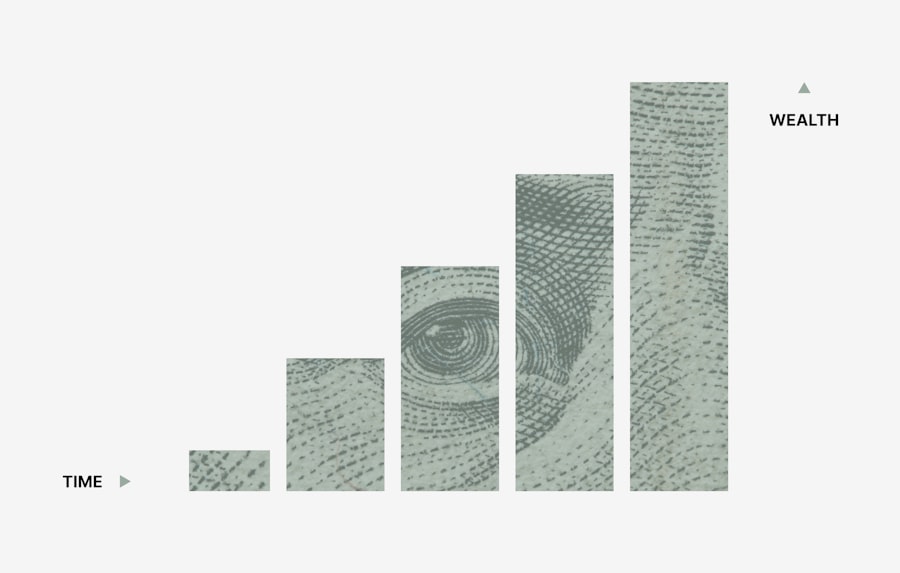
Building wealth often feels like a slow and arduous process, primarily due to the compounding nature of investments and the time required for financial strategies to bear fruit. Many individuals expect immediate results, but the reality is that wealth accumulation is a long-term journey that requires patience and discipline. For a deeper understanding of this phenomenon, you can explore the article on wealth growth at How Wealth Grows, which delves into the principles of compounding and the mindset needed to navigate the path to financial success.
The Unseen Hurdles on the Path
Even when you’re committed and making all the “right” moves, there are inherent obstacles built into the system that slow down your progress. These aren’t necessarily your fault, but they are part of the landscape you navigate.
Inflation’s Silent Erosion
You diligently save and invest, watching your money grow. But then you look at the cost of living. Prices for everything from groceries to housing to education have a tendency to rise year after year. This is inflation, and it’s a constant, subtle drain on your purchasing power. Your hard-earned gains might be outpacing inflation, but not always by a significant margin, especially in the early years. It feels like you’re running on a treadmill; you’re moving, but the finish line seems to be moving too.
Taxes: The Price of Progress
As your wealth grows, so does your tax burden. Investment gains, income, and even the assets you accumulate are subject to various forms of taxation. While taxes are a necessary part of a functioning society, they can feel like a significant drag on your wealth accumulation. Every time you see a substantial return, a portion of it is immediately siphoned off by the taxman, further extending the time it takes to truly feel wealthy.
Unexpected Expenses: The Financial Wildfires
Life is unpredictable. You might have a perfectly crafted financial plan, but then a medical emergency strikes, a car breaks down catastrophically, or a natural disaster disrupts your life. These unexpected expenses can derail years of careful saving and investing. You might have to dip into your emergency fund, or worse, your investment portfolio, setting you back considerably. The psychological impact of having to undo progress is often as frustrating as the financial setback itself.
The Emotional Rollercoaster of Investing
Investing is a crucial component of wealth building, but it’s rarely a smooth ride. The stock market, for instance, is known for its volatility. There will be periods of impressive growth, but there will also be downturns, sometimes significant ones. During these dips, you’re faced with a tough decision: sell and cut your losses (often locking in a loss), or hold on and hope for a recovery. The emotional toll of watching your investments shrink can be immense, and it can lead to impulsive decisions that hinder long-term growth.
The Demands of Daily Life: The Time Sink

Building wealth isn’t just about allocating money; it’s also about allocating time and energy. And in your busy, demanding life, these are precious commodities that are already stretched thin.
The 9-to-5 Grind and the Energy Drain
For most people, the primary source of income is a traditional job. You spend 40, 50, or even 60 hours a week working to earn a living. This leaves precious little time and energy for anything else, let alone the focused effort required for diligent financial planning and management. By the time you get home, you’re often exhausted, making it difficult to muster the enthusiasm for budgeting, researching investments, or learning new financial strategies.
The Competing Demands of Family and Relationships
You have a family to support, children to raise, and relationships to nurture. These are vital aspects of life, and they demand significant time, attention, and financial resources. The cost of raising children, from education to extracurricular activities, can be substantial. Maintaining strong relationships requires effort and often involves shared expenses. These are all legitimate and important demands that compete with your desire to accelerate your wealth-building journey.
The Constant Need for Skill Development and Learning
The world of finance is constantly evolving. New investment vehicles emerge, tax laws change, and economic conditions shift. To stay on top of your financial game, you need to continuously learn and adapt. This requires time for reading, attending seminars, or taking courses. If your days are already packed, finding the bandwidth for this ongoing education can feel like an insurmountable challenge.
The Psychological Hurdles: Battling Your Own Mind
Perhaps the most significant roadblocks on the path to wealth are internal. Your own thoughts, beliefs, and behaviors can be the biggest obstacles to your financial progress.
Impatience and the Desire for Instant Gratification (Revisited)
This bears repeating because it’s so pervasive. You want to see results now. You might start with great intentions, but after a few months of slow progress, you can get discouraged. The allure of immediate rewards – a new gadget, a spontaneous trip – can be incredibly strong, and it can lead you to abandon your long-term plans. This internal battle against your own impatience is a constant war.
Fear and Risk Aversion
The thought of losing money can be paralyzing. You might avoid investing in potentially high-growth opportunities because the risk of loss feels too great. This extreme risk aversion, while protective, can also severely limit your potential for wealth accumulation. The fear of not having enough can ironically lead to not having enough because you’re too afraid to take the calculated risks that are necessary for significant growth.
Self-Doubt and Imposter Syndrome
You might look at others who seem to be thriving financially and think, “I could never do that.” You might question your own intelligence, your own capabilities, or your own worthiness of financial success. This self-doubt can lead to inaction or a reluctance to pursue opportunities that could genuinely improve your financial situation. You might feel like an imposter, waiting to be found out, which prevents you from fully embracing your financial journey.
The “All or Nothing” Mentality
Sometimes, when you feel like you’re not making progress fast enough, you fall into an “all or nothing” trap. You might think, “If I can’t be a millionaire in five years, what’s the point?” This black-and-white thinking can be incredibly destructive. It overlooks the immense value of incremental progress and the cumulative impact of consistent, smaller wins. You might give up entirely because you don’t see a rapid path to your ultimate goal.
Building wealth often feels like a slow and arduous journey, primarily due to the compounding nature of investments and the time required for financial strategies to take effect. Many individuals find themselves frustrated by the gradual pace of their financial growth, which can lead to doubts about their strategies. For a deeper understanding of this phenomenon, you can explore the article on how wealth accumulates over time by visiting this link. It provides valuable insights into the factors that contribute to the perception of slow wealth building and offers tips to stay motivated on your financial path.
Reframing the Journey: Patience as a Superpower
| Reasons | Factors |
|---|---|
| Lack of Financial Education | Not understanding how to invest or save effectively |
| High Cost of Living | Expensive housing, healthcare, and education |
| Low Income | Earning below the median income level |
| Debt Burden | High levels of student loans, credit card debt, or mortgages |
| Market Volatility | Fluctuations in stock and real estate markets |
So, you’re on a frustratingly slow path to wealth. What now? The answer isn’t to give up, but to reframe your perspective. Instead of seeing the slowness as a flaw, begin to see it as an inherent characteristic of sustainable wealth building, and learn to harness the power of patience.
Embracing the Long Game
The truly wealthy, those who have built their fortunes over time, understand that wealth isn’t a destination reached overnight, but a journey of decades. They focus on the process, the consistent actions, rather than the immediate outcome. They view their investment portfolio not as a scoreboard for daily wins and losses, but as a garden that needs consistent tending to yield its harvest over time. You need to adopt this same long-term perspective.
The Power of Consistent Action, Not Perfect Action
You don’t need to be perfect. You don’t need to make the absolute best investment every single time. What you need is consistency. Even small, regular contributions to your savings and investments, coupled with diligent budgeting and smart spending, will compound over time. The frustration often stems from expecting immediate, dramatic results. Shift your focus to the power of showing up, day after day, month after month, year after year.
Celebrating Small Wins and Milestones
Don’t let the enormity of the ultimate goal overshadow the progress you’re making. Acknowledge and celebrate every milestone, no matter how small. Reaching a savings goal, paying off a debt, seeing your investments grow by a certain percentage – these are all victories that deserve recognition. These small celebrations fuel your motivation and reinforce the positive habits you’re building.
Building a Supportive Financial Ecosystem
You don’t have to go it alone. Surround yourself with people who understand and support your financial goals. This could be a partner, trusted friends, or a financial advisor. Having a support system can provide encouragement, accountability, and different perspectives. When you feel frustrated, talking to someone who “gets it” can be incredibly helpful.
The path to wealth is indeed slow. It’s a marathon, not a sprint. The frustration you feel is a natural human response to this reality, especially in a world that often glorifies speed and instant gratification. But by understanding the underlying reasons for this slowness, by acknowledging the unseen hurdles and internal battles, and by consciously choosing to cultivate patience and embrace the long game, you can transform your frustration into a quiet, steady determination. Your journey to wealth may be frustratingly slow, but it is also, and most importantly, achievable.

The First $100,000 Is Brutal. Then Everything Changes.
FAQs
1. Why does building wealth feel slow?
Building wealth can feel slow due to various factors such as the time it takes to save and invest money, the impact of inflation on savings, and the need to balance short-term financial needs with long-term wealth building.
2. What are some common obstacles to building wealth?
Common obstacles to building wealth include high levels of debt, low income, lack of financial literacy, and unexpected expenses such as medical bills or car repairs.
3. How can one accelerate the process of building wealth?
One can accelerate the process of building wealth by increasing income through career advancement or side hustles, reducing expenses, investing in assets that generate passive income, and consistently saving and investing a portion of earnings.
4. What role does patience play in building wealth?
Patience is crucial in building wealth as it takes time for investments to grow and for the effects of compounding to become significant. It’s important to stay disciplined and patient during the wealth-building process.
5. What are some effective wealth-building strategies?
Effective wealth-building strategies include creating a budget and sticking to it, paying off high-interest debt, investing in diversified assets such as stocks and real estate, and seeking professional financial advice when needed.