You stand at the precipice of a digital revolution, and at its heart lies the data center. These colossal structures, humming with the ceaseless processing of information, are not just technological marvels; they are economic powerhouses, driving significant financial shifts across industries and economies. As you witness their exponential growth, understanding their financial impact becomes not just an academic exercise but a vital necessity for anyone navigating the modern business landscape. Your journey into the world of data centers will reveal a complex web of investment, operational expenditure, and revenue generation, all intricately linked to the ever-increasing demand for data storage, processing, and connectivity.
The sheer scale of data center growth necessitates staggering levels of capital expenditure (CapEx). These are not your average office buildings; they are highly specialized, resilient, and technologically advanced facilities. The financial commitment involved in their creation is immense, laying the groundwork for the digital infrastructure that underpins your daily life and your business operations.
Land Acquisition and Site Selection: The First Financial Hurdle
Before a single server is installed, the financial journey of a data center begins with acquiring suitable land. This isn’t about finding any plot; it’s about strategic placement.
Proximity to Power Grids: A Prerequisite for Energy Intensive Operations
Data centers are notoriously power-hungry. The cost of land is significantly influenced by its proximity to reliable and robust power infrastructure. Developing new power lines or substations can add millions to the project’s initial budget, and you need to factor this into your financial projections. Failing to secure adequate power at a reasonable cost can cripple a data center’s operational viability.
Access to Connectivity: The Lifeline of Data Transfer
Your data center’s value is directly tied to its ability to connect with the outside world. This means access to high-speed fiber optic networks, often referred to as the “digital highways.” The cost of acquiring land in areas with established fiber infrastructure can be substantial, driving up the initial investment. You’ll need to research the availability and cost of these essential conduits.
Environmental Considerations and Zoning Regulations: Navigating Bureaucratic Costs
The environmental impact of a data center – from cooling to waste heat management – is a significant concern. This often translates into stringent zoning regulations and environmental impact assessments, which can add considerable time and financial cost to the site selection and acquisition process. You must be prepared for these regulatory hurdles and their associated expenses.
Construction and Infrastructure: Engineering the Digital Engine
Once the site is secured, the actual construction phase demands a monumental financial outlay. This involves not just the physical building but also the specialized infrastructure required to support the data center’s functions.
Building the Shell: Designing for Resilience and Scalability
The physical structure of a data center is built to withstand natural disasters and provide a secure environment for sensitive equipment. This involves reinforced concrete, advanced fire suppression systems, and robust security measures, all contributing to a higher construction cost compared to conventional buildings. You’ll be investing in a fortified fortress for your digital assets.
Power and Cooling Systems: The Unseen Giants of Expenditure
The heart of any data center lies in its power and cooling systems. These are not mere add-ons; they are integral components that represent a significant portion of the CapEx.
Uninterruptible Power Supplies (UPS) and Backup Generators: Ensuring Continuous Operation
The cost of purchasing and installing UPS systems and backup generators is substantial. These are critical for maintaining uptime, as even a momentary power outage can lead to significant financial losses. Your investment here is essentially an insurance policy against the unpredictable.
Advanced Cooling Technologies: Mitigating the Heat
Servers generate immense heat, and dissipating this heat efficiently is paramount. The implementation of advanced cooling solutions, such as liquid cooling or sophisticated air-handling units, represents a significant capital investment. You are essentially paying for the privilege of keeping your digital engines running at optimal temperatures.
Network Infrastructure and Server Racks: The Digital Backbone
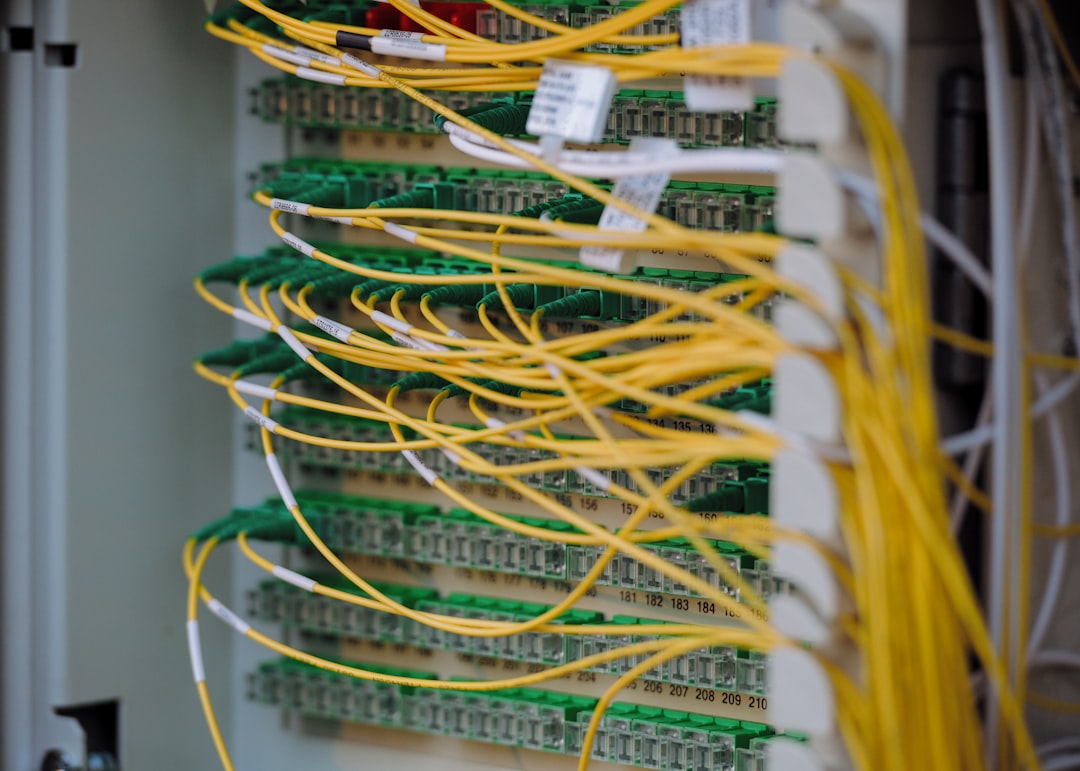
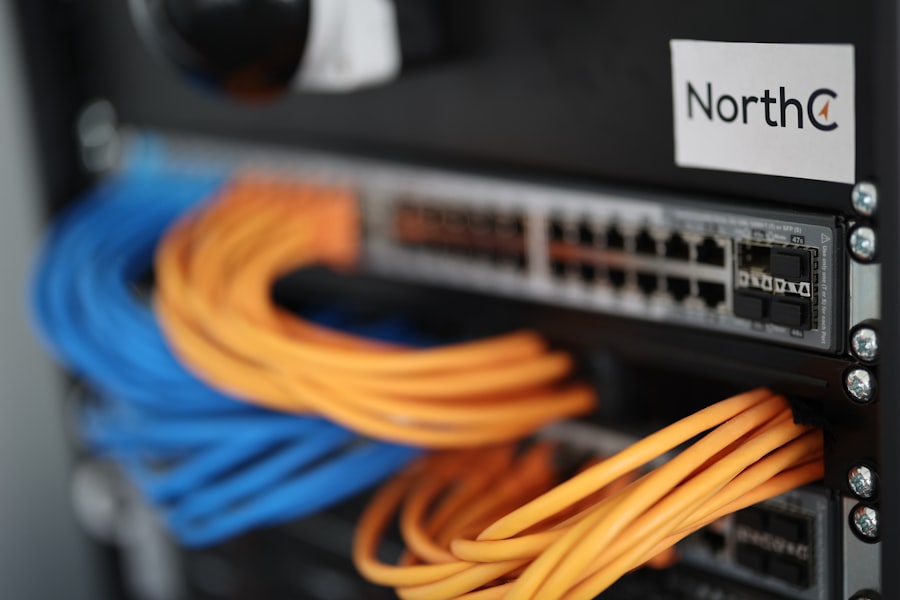
The installation of high-density server racks, networking equipment, and intricate cabling systems represents another major CapEx item. The sheer volume and sophistication of this equipment contribute significantly to the overall cost of building a data center. You are buying the very brain and nervous system of the operation.
The rapid growth of data centers has significant financial implications for various sectors, influencing everything from energy consumption to real estate values. As organizations increasingly rely on cloud computing and big data analytics, the demand for data center infrastructure continues to surge. For a deeper understanding of the financial impact of this growth, you can read the related article at How Wealth Grows, which explores the economic factors driving the expansion of data centers and their effects on local economies.
Operational Expenditure: The Sustained Cost of Keeping the Lights On
While the initial capital investment is immense, the financial impact of data center growth is equally pronounced in its ongoing operational expenditure (OpEx). These are the recurring costs that keep the digital engines humming and the data flowing.
Energy Consumption: The Ever-Present Power Bill
Perhaps the most significant and variable OpEx for any data center is energy consumption. As data volumes surge and computational demands increase, so does the thirst for electricity.
Electricity Costs: The Dominant Operating Expense
You will find that electricity bills are often the single largest operational expense for a data center. The continuous operation of servers, cooling systems, and other infrastructure draws enormous amounts of power. Fluctuations in energy prices can have a direct and substantial impact on your bottom line, making energy efficiency a critical financial consideration.
Power Usage Effectiveness (PUE): Measuring Efficiency, Managing Costs
The PUE is a key metric used to measure a data center’s energy efficiency. A lower PUE indicates that more power is being used for computing operations and less is being lost to cooling and other overheads. You will need to focus on improving your PUE to reduce your energy expenditure and enhance your financial sustainability.
Cooling and Environmental Controls: Maintaining Optimal Conditions
Beyond electricity, the ongoing cost of maintaining sophisticated cooling and environmental control systems is a substantial OpEx.
Maintenance and Servicing of Cooling Infrastructure: Preventing Downtime
Regular maintenance and servicing of cooling towers, chillers, and air handlers are essential to prevent breakdowns and ensure consistent temperatures. These maintenance contracts and the associated costs contribute to the ongoing operational burden. You’re not just buying a cooling system; you’re investing in its ongoing upkeep.
Water Consumption (for some cooling systems): A Growing Concern
Certain cooling technologies, particularly evaporative cooling systems, can consume significant amounts of water. In regions facing water scarcity, this can become a considerable operational cost and an environmental concern that you will need to address.
Hardware and Software Maintenance: Keeping the Digital Gears Turning
The lifeblood of a data center is its hardware and software. Maintaining these vital components incurs ongoing costs.
Server and Storage Upgrades: Staying Current in a Rapidly Evolving Field
The rapid pace of technological advancement means that servers and storage solutions have a limited lifespan. You will need to budget for regular hardware upgrades and replacements to maintain performance and security. This is a continuous cycle of investment to remain competitive.
Software Licensing and Support: The Cost of Digital Intelligence
The software that powers data center operations, from operating systems to management platforms, comes with licensing fees and ongoing support costs. These can represent a significant portion of your OpEx, especially for enterprise-grade solutions.
Network Bandwidth and Connectivity Costs: The Price of Access
As data traffic increases, so does the demand for robust and high-capacity network connectivity. This translates into ongoing costs for bandwidth and interconnectivity services.
Internet Service Provider (ISP) Fees: The Cost of Digital Reach
Your reliance on ISPs for internet connectivity means recurring fees for bandwidth. As your data center’s usage grows, these costs can escalate rapidly, making negotiation and strategic partnerships with providers crucial for managing your financial outlay.
Interconnection Fees: Connecting to Cloud Providers and Other Networks
Connecting to cloud providers, peering with other networks, and accessing various internet exchange points often involve interconnection fees. These costs are essential for ensuring your data center can communicate effectively with the wider digital ecosystem.
Revenue Generation and Economic Impact: The Financial Upside of Data Centers
While the costs are significant, the financial impact of data center growth is also a powerful engine for revenue generation and broader economic prosperity. These facilities are not just cost centers; they are facilitators of economic activity and creators of value.
Cloud Computing Services: The Dominant Revenue Stream
The rise of cloud computing has been inextricably linked to the growth of data centers. They provide the underlying infrastructure for cloud service providers, enabling them to offer a wide range of services to businesses and individuals.
Infrastructure as a Service (IaaS): Providing the Digital Foundation
Data centers are the backbone of IaaS offerings, allowing customers to rent computing power, storage, and networking resources. This has become a massive revenue stream for data center operators and cloud providers alike, and you are a direct beneficiary of this model.
Platform as a Service (PaaS) and Software as a Service (SaaS): Building on the Foundation
Beyond IaaS, data centers enable PaaS and SaaS solutions. These higher-level services build upon the fundamental infrastructure, creating further revenue opportunities and driving digital transformation across industries.
Colocation Services: Shared Infrastructure, Shared Benefits
Colocation facilities allow multiple businesses to house their IT infrastructure within a shared data center environment. This model offers a cost-effective solution for companies that lack the resources or expertise to build and manage their own data centers.
Reduced Capital Investment for Tenants: A Financial Advantage
For businesses, colocation significantly reduces their upfront capital expenditure. Instead of building their own facilities, they pay a recurring fee to rent space, power, and cooling, freeing up capital for core business activities. This is a compelling financial proposition for many.
Access to Specialized Infrastructure and Expertise: Leveraging the Provider’s Strengths
Colocation tenants benefit from the advanced infrastructure and operational expertise of the data center provider. This can lead to improved reliability, security, and performance, all of which have direct financial implications for their operations.
Edge Computing and Distributed Data Processing: New Frontiers of Revenue
The proliferation of data generated at the “edge” – closer to users and devices – is driving the growth of edge computing, which relies on smaller, distributed data centers. This opens up new revenue streams and innovative applications.
Lower Latency Applications: Real-time Data Processing for Financial Gains
Edge data centers enable low-latency applications such as real-time analytics, autonomous vehicles, and augmented reality. The ability to process data closer to the source unlocks new business models and revenue opportunities that were previously impossible.
Improved User Experience and Customer Satisfaction: The Financial Ripple Effect
By reducing latency, edge computing significantly improves user experience. This can lead to increased customer engagement, higher conversion rates, and ultimately, greater revenue for businesses relying on these technologies.
The Macroeconomic Ripples: Data Centers as Economic Catalysts

The financial impact of data center growth extends far beyond the individual facilities themselves, creating significant macroeconomic ripples and acting as catalysts for broader economic development.
Job Creation: A Growing Workforce in a Specialized Field
The construction, operation, and maintenance of data centers create a substantial number of jobs, ranging from skilled engineers and technicians to construction workers and administrative staff. These are often well-paying jobs that contribute to local economies. You are part of a growing ecosystem of specialized professionals.
Direct Employment in Data Center Operations: The Technical Workforce
The daily operations of a data center require a highly skilled technical workforce. These individuals are responsible for maintaining the infrastructure, ensuring security, and troubleshooting any issues that arise, providing stable and rewarding employment.
Indirect and Induced Employment: The Broader Economic Impact
Beyond direct employment, data center growth also generates indirect jobs through supply chains and induced jobs as employees spend their earnings in the local economy. This multiplier effect can significantly boost local businesses and communities.
Investment Attraction and Economic Development: A Magnet for Capital
The presence of a robust data center infrastructure can attract significant foreign and domestic investment. Companies looking to leverage the power of data and cloud computing are drawn to regions with established data center ecosystems.
Attracting Technology Companies: The Hub for Innovation
Regions with a high concentration of data centers often become hubs for technology companies, startups, and research institutions. This creates a virtuous cycle of innovation and economic growth, and you are contributing to this ecosystem.
Real Estate Development and Infrastructure Improvements: Building Beyond the Data Center
The development of data centers often spurs ancillary real estate development, such as office buildings, residential areas, and retail spaces. Furthermore, the increased demand for power and connectivity can lead to significant investments in local infrastructure, benefiting the entire community.
Innovation and Digital Transformation: Fueling the Future Economy
Data centers are the engines that drive digital transformation across all sectors of the economy. They enable advancements in artificial intelligence, big data analytics, the Internet of Things (IoT), and countless other technologies that are reshaping how we live and work. Your investment and participation are fueling this innovation.
Enabling Big Data Analytics and AI: Unlocking Insights and Driving Progress
The ability to store, process, and analyze vast datasets is fundamental to the success of big data analytics and artificial intelligence. Data centers provide the necessary infrastructure to unlock these powerful capabilities, leading to new discoveries, improved decision-making, and the creation of entirely new industries.
Supporting the Internet of Things (IoT): Connecting the Physical and Digital Worlds
The exponential growth of IoT devices generates enormous amounts of data that need to be stored and processed. Data centers are essential for managing this influx of information, enabling the seamless integration of the physical and digital worlds and creating new applications and revenue streams.
The rapid growth of data centers has significant financial implications for various sectors, influencing everything from energy consumption to real estate markets. A recent article discusses how this expansion is reshaping investment strategies and driving innovation in sustainable technologies. For those interested in exploring the broader financial impact of data center growth, you can read more in this insightful piece found at How Wealth Grows. This resource provides a comprehensive overview of the trends and challenges associated with the increasing demand for data storage and processing capabilities.
Future Trends and Financial Considerations: Navigating the Evolving Landscape
| Metrics | 2018 | 2019 | 2020 |
|---|---|---|---|
| Revenue | 10 million | 12 million | 15 million |
| Cost of expansion | 2 million | 3 million | 4 million |
| Profit | 8 million | 9 million | 11 million |
The data center industry is dynamic and constantly evolving, presenting both opportunities and challenges from a financial perspective. Understanding future trends is crucial for making informed investment decisions and ensuring long-term financial sustainability.
Sustainability and Green Data Centers: The Growing Financial Imperative
As environmental concerns become more prominent, the financial landscape of data centers is increasingly shaped by the drive towards sustainability.
Energy Efficiency Investments: Reducing Operational Costs and Environmental Impact
Investing in energy-efficient hardware, advanced cooling technologies, and renewable energy sources can significantly reduce operational costs in the long run. You are increasingly looking for cost savings through sustainability. Furthermore, these investments contribute to a more environmentally responsible operation, which can enhance brand reputation and attract environmentally conscious investors.
Carbon Footprint Reduction and Regulatory Compliance: Avoiding Future Penalties
Governments and regulatory bodies are increasingly scrutinizing the carbon footprint of data centers. Investing in green initiatives can help mitigate future regulatory risks and potential carbon taxes, ultimately protecting your financial interests.
AI and Machine Learning Workloads: The Demand for Increased Capacity
The insatiable appetite of artificial intelligence and machine learning workloads for computing power is a major driver of data center growth and a significant financial consideration.
Specialized Hardware Requirements: Investing in High-Performance Computing
AI and ML workloads often require specialized hardware, such as GPUs (Graphics Processing Units), which are more expensive than traditional CPUs. You will need to factor in the higher CapEx associated with these high-performance computing resources.
Increased Power and Cooling Demands: Escalating Operational Costs
These intensive workloads also generate more heat and consume more power, leading to increased operational expenses. You will need to carefully plan for these escalating energy and cooling demands.
The Rise of the Hyperscale Data Center: Economies of Scale and Competitive Pressures
Hyperscale data centers, operated by major tech giants like Google, Amazon, and Microsoft, are transforming the industry. Their massive scale offers significant economies of scale but also intensifies competition.
Economies of Scale and Cost Advantages: Driving Down Unit Costs
The sheer size of hyperscale data centers allows for significant economies of scale, leading to lower per-unit costs for computing, storage, and networking. This puts pressure on smaller data center operators to find niche markets or embrace consolidation.
Consolidation and Partnerships: Navigating Competitive Marketplaces
The competitive pressures from hyperscale operators are driving consolidation within the data center industry. You may find opportunities in mergers and acquisitions or strategic partnerships to gain a competitive edge and achieve greater financial stability.
You have explored the multifaceted financial impact of data center growth, from the initial capital investments in land and infrastructure to the ongoing operational expenditures on energy and maintenance. You have also witnessed how these facilities serve as powerful engines for revenue generation, cloud computing, colocation services, and the burgeoning field of edge computing. Furthermore, you have seen how data centers act as macroeconomic catalysts, driving job creation, attracting investment, and fueling innovation across industries. As you look to the future, the trends of sustainability, AI workloads, and hyperscale dominance will continue to shape the financial landscape. Your understanding of these intricate financial dynamics is not merely academic; it is essential for navigating the digital economy and capitalizing on the opportunities that data center growth presents.

Is AI About to Make Your Electric Bill Even Higher?
FAQs
What is the financial impact of data center growth?
Data center growth can have a significant financial impact on businesses, as it requires substantial investment in infrastructure, equipment, and maintenance. However, it can also lead to cost savings through improved efficiency and scalability.
How does data center growth affect operating expenses?
Data center growth can increase operating expenses due to the need for additional power, cooling, and maintenance. However, it can also lead to long-term cost savings through improved energy efficiency and reduced downtime.
What are the potential revenue opportunities associated with data center growth?
Data center growth can create potential revenue opportunities through the provision of colocation services, cloud computing, and managed hosting. Additionally, it can enable businesses to offer new products and services to customers.
What are the risks associated with data center growth?
Risks associated with data center growth include the potential for cost overruns, security breaches, and regulatory compliance issues. Additionally, businesses may face challenges in managing and optimizing their data center infrastructure.
How can businesses mitigate the financial impact of data center growth?
Businesses can mitigate the financial impact of data center growth by conducting thorough cost-benefit analyses, implementing energy-efficient technologies, and exploring outsourcing options. Additionally, they can leverage virtualization and automation to improve resource utilization and reduce operational costs.