
You’re probably wondering why that dream home feels so out of reach. You’ve seen the prices, felt the sticker shock, and perhaps even questioned if homeownership is still a viable goal. The reality is, you’re not alone in this feeling. The housing market, for a while now, has been a tough nut to crack, with home prices soaring to heights that leave many aspiring buyers feeling squeezed. But what exactly is fueling this relentless climb? It’s not just one simple answer, but rather a complex interplay of economic forces, societal shifts, and policy decisions that have converged to create the market you’re navigating.
At its core, the housing market operates on the fundamental principle of supply and demand. When demand for something significantly outstrips its availability, prices inevitably rise. And when it comes to homes, demand has been remarkably robust for a considerable period, driven by a confluence of factors that show little sign of abating.
Population Growth and Shifting Demographics
You might think of population growth as a simple matter of more people. But for housing, it’s more nuanced. Global and national population increases mean more individuals and families needing a place to live. This isn’t just about adding to the overall count; it’s about how these populations are structured.
Millennials Entering Their Prime Home-Buying Years
Consider the sheer volume of people born during the millennial generation. As they’ve moved through their 20s and into their 30s and 40s, they’ve reached the age where homeownership is often a significant life goal. This demographic bulge, coupled with a desire for stability, space for families, and investment potential, has created a massive wave of demand for housing. You see them at open houses, you hear about their mortgage applications – they are a dominant force.
Household Formation Trends
It’s not just about the total number of people; it’s also about how people are living. Smaller household sizes, driven by later marriages, more single-person households, and a general trend towards independent living, mean that more dwelling units are needed for the same number of people. Even if the population isn’t growing at an explosive rate, if each unit houses fewer people, the demand for housing stock increases. You might be one of those individuals forming a new household, contributing to this demand.
Economic Stability and Confidence
When the economy is doing well, people feel more secure about their financial futures. This confidence directly translates into a willingness to make major purchases, like a home.
Job Growth and Rising Incomes
A strong job market with increasing employment numbers and rising wages provides people with the financial wherewithal to enter the housing market. When you have a stable income and the prospect of future earnings, taking on a mortgage becomes a more feasible and attractive proposition. You’re more likely to feel ready to commit to a purchase when you’re confident in your earning potential.
Low Unemployment Rates
Low unemployment is a powerful signal of economic health. When very few people are out of work, it means more potential buyers are financially capable of affording a home. This tight labor market naturally fuels demand for housing as more people are employed and earning.
The Allure of Homeownership as an Investment
Beyond just having a roof over your head, owning a home has long been viewed as a sound financial investment. This perception, while not always borne out by market fluctuations, remains a potent driver of demand.
Wealth Building and Equity Accumulation
The idea of building equity, where the value of your property increases over time, is a significant motivator for many. You see it as a way to grow your personal wealth, a tangible asset that can be leveraged for future financial security. This long-term perspective often overrides short-term affordability concerns.
Hedge Against Inflation
In times of rising inflation, real estate is often seen as a safe haven. As the cost of goods and services increases, the value of tangible assets like property is perceived to increase as well, making it an attractive store of value. You might be looking at homeownership as a way to protect your savings from being eroded by inflation.
High home prices can be attributed to a variety of factors, including supply and demand dynamics, interest rates, and economic conditions. For a deeper understanding of these influences, you can explore the article on wealth accumulation and its impact on real estate markets at How Wealth Grows. This resource provides insights into how wealth distribution and investment trends contribute to rising home values, offering a comprehensive look at the broader economic landscape affecting housing affordability.
The Scarcity of Supply: A Tightening Market
While demand has been soaring, the supply side of the housing market has struggled to keep pace. This imbalance is a critical factor in explaining why you’re seeing such high prices. The simple fact is, there aren’t enough homes being built to meet the needs of all the potential buyers.
Housing Shortages and Underbuilding
For years, the construction industry has been grappling with challenges that have limited its ability to ramp up production. This underbuilding has created a persistent gap between the number of homes available and the number of people looking to buy.
Decades of Underbuilding
Following the 2008 financial crisis, housing construction in many areas significantly slowed down. Developers became more cautious, and the pace of new home building never fully caught up to pre-crisis levels or the subsequent population growth. This created a deficit that has been difficult to overcome. You’re experiencing the cumulative effect of years of insufficient new construction.
Zoning Laws and Land Use Restrictions
Local regulations play a significant role in how and where homes can be built. Restrictive zoning laws, which often limit the density of housing in certain areas or dictate specific types of construction, can severely constrain the supply of new homes. You might live in an area where it’s difficult to build apartments or smaller, more affordable housing units due to these regulations.
Rising Construction Costs
The cost of building a new home has also been on the rise, making it more expensive for developers to bring new inventory to market. This directly impacts the affordability of new homes and, by extension, the prices of existing ones.
Material Costs
The prices of lumber, steel, concrete, and other essential building materials have experienced significant volatility and increases. Global supply chain disruptions, increased demand for these materials in other sectors, and geopolitical events can all contribute to higher costs for builders. You’re indirectly paying for these inflated material expenses when you look at a new home.
Labor Shortages in the Construction Industry
The construction industry, like many others, has faced labor shortages. Finding skilled tradespeople – carpenters, electricians, plumbers – can be challenging and expensive. This scarcity of labor drives up wages, further increasing the cost of construction. You might notice construction projects taking longer or facing delays due to a lack of available workers.
The Impact of Short-Term Rentals and Investment Properties
While not always the primary driver, the increasing prevalence of short-term rentals and investment properties can also contribute to housing supply constraints in certain desirable areas.
Airbnb and Similar Platforms
In popular tourist destinations or urban centers, many properties that could be long-term residences are instead being used for short-term rentals. This removes units from the traditional housing market, reducing the available supply for local residents. You might be competing with individuals or companies looking to purchase properties for rental income rather than for personal occupancy.
Institutional Investors and Speculators
Large investment firms and individual speculators have also entered the housing market, purchasing properties in bulk. While they can bring capital and efficiency, their primary goal is often profit, which can lead to properties being held vacant or resold at a profit, further impacting affordability for owner-occupiers. You might find yourself outbid by cash offers from entities that aren’t planning to live in the home themselves.
The Role of Interest Rates and Monetary Policy
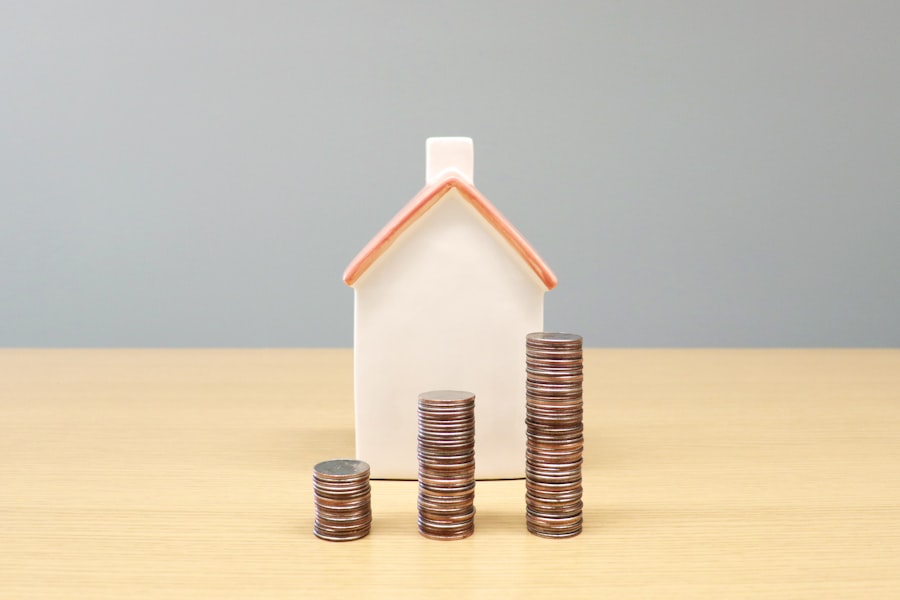
Monetary policy, primarily dictated by central banks, plays a crucial role in shaping the housing market. Interest rates, in particular, have a profound impact on affordability and, consequently, on home prices.
The Influence of Low Interest Rates
For an extended period, interest rates were exceptionally low. This environment made borrowing money – including for mortgages – much cheaper, significantly boosting buyer purchasing power.
Increased Affordability and Borrowing Power
When interest rates are low, the monthly cost of a mortgage decreases for a given loan amount. This means buyers could afford to borrow more money, allowing them to bid higher on homes. You likely experienced this yourself, where a lower interest rate made a seemingly expensive home within your grasp.
Stimulating Demand and Market Activity
Low interest rates encourage economic activity across the board, and the housing market is no exception. They incentivize borrowing, investment, and consumption, all of which contribute to increased demand for housing. This created a “borrow cheap, buy now” mentality for many.
The Impact of Rising Interest Rates
However, central banks have begun to raise interest rates to combat inflation. This shift has a direct and significant impact on the housing market, making borrowing more expensive.
Decreased Affordability and Reduced Purchasing Power
As interest rates climb, the monthly mortgage payments for the same loan amount increase. This reduces the amount of money buyers can borrow, effectively lowering their purchasing power. You’re feeling this directly as your budget for a home shrinks even if home prices haven’t fallen proportionally.
Cooling Demand and Market Slowdown
Higher interest rates tend to dampen demand for housing. Potential buyers may be priced out of the market, delay their purchasing decisions, or opt for smaller or less desirable properties. This can lead to a slowdown in market activity and, potentially, a stabilization or even a decrease in home prices over time, though this is a complex and often delayed effect.
Economic Shocks and Global Influences

The housing market isn’t an isolated entity; it’s influenced by broader economic trends and global events that can have ripple effects.
Inflation and Its Impact on Housing
Inflation, the general increase in the prices of goods and services, has a multifaceted impact on the housing market.
Real Estate as an Inflation Hedge
As mentioned earlier, real estate is often viewed as a hedge against inflation. As the value of money decreases, the value of tangible assets like property is expected to increase. This perceived safety can drive demand and push prices higher. You might be drawn to real estate precisely because you want to protect your wealth from being eroded by inflation.
Increased Costs for Homeowners
However, inflation also impacts the costs associated with homeownership. Property taxes, insurance premiums, maintenance, and utility costs can all rise with inflation, making owning a home more expensive on an ongoing basis.
Supply Chain Disruptions
Global supply chain issues, exacerbated by events like pandemics and geopolitical conflicts, have had a significant impact on the availability and cost of various goods, including those used in home construction and renovation.
Delays and Increased Material Costs
These disruptions can lead to longer construction timelines and increased costs for building materials, as discussed earlier. This directly affects the supply of new homes and the affordability of existing ones. You might have experienced delays in receiving appliances or furniture, and similar issues plague the construction industry.
Geopolitical Events and Economic Uncertainty
Major geopolitical events can create economic uncertainty, leading to fluctuations in currency values, interest rates, and investor confidence, all of which can indirectly affect the housing market.
Impact on Investor Confidence and Capital Flows
Global instability can influence where investors choose to put their money. In times of uncertainty, some may pull capital out of riskier assets, while others may seek the perceived safety of real estate in stable markets, potentially driving up demand and prices in those areas.
High home prices can be attributed to a variety of factors, including supply and demand dynamics, interest rates, and local economic conditions. For a deeper understanding of these influences, you might find it helpful to read a related article that explores the complexities of the housing market. This insightful piece discusses how various elements contribute to the rising costs of homes and offers valuable perspectives on potential future trends. To learn more, you can check out the article here.
Government Policies and Regulations
| Cause | Description | Impact on Home Prices |
|---|---|---|
| High Demand | More buyers than available homes in the market. | Increases prices due to competition among buyers. |
| Limited Supply | Insufficient number of homes available for sale. | Drives prices up as buyers compete for fewer properties. |
| Low Interest Rates | Lower borrowing costs for mortgages. | Encourages more buyers to enter the market, raising prices. |
| Construction Costs | High costs for labor, materials, and land development. | Leads to higher prices for new homes, influencing overall market prices. |
| Economic Growth | Strong local economy with job growth and higher incomes. | Increases demand and ability to pay, pushing prices higher. |
| Zoning and Land Use Regulations | Restrictions on development and land use. | Limits supply, contributing to higher home prices. |
| Inflation | General increase in prices and cost of living. | Raises construction and maintenance costs, increasing home prices. |
| Investor Activity | Purchasing homes for rental or resale purposes. | Can reduce supply for owner-occupiers, driving prices up. |
Government intervention, through various policies and regulations, can significantly shape the housing market, influencing both supply and demand.
Housing Subsidies and Incentives
Governments often implement programs to encourage homeownership or increase housing supply.
First-Time Homebuyer Programs
Programs that offer down payment assistance, tax credits, or subsidized mortgages can make homeownership more accessible for those who might otherwise be priced out. You may have explored these options to help with your own home purchase.
Affordable Housing Initiatives
Government efforts to build or incentivize the construction of affordable housing units can help alleviate supply pressures in certain segments of the market. However, the scale of these initiatives often struggles to match the overall demand.
Tax Policies
Taxation plays a role in making housing more or less attractive as an investment and a place to live.
Property Taxes
The level of property taxes can influence the overall cost of homeownership. Higher property taxes can make owning a home more expensive, potentially dampening demand in some areas.
Capital Gains Taxes on Property
Policies regarding capital gains taxes on the sale of property can influence whether people hold onto homes for investment purposes or are more inclined to sell, impacting market turnover.
Building Regulations and Environmental Standards
While crucial for safety and sustainability, building codes and environmental regulations can also add to the cost and complexity of new construction.
Increased Construction Costs
Stricter building codes or environmental standards may require more expensive materials or specialized labor, contributing to higher construction costs. You might see new homes with more energy-efficient features, which is positive but can come with a higher upfront price.
Land Use and Zoning Laws
As previously mentioned, zoning laws that restrict density or dictate the type of housing that can be built are a significant form of government regulation that directly impacts supply. You might find yourself in a neighborhood with strict single-family zoning, making it difficult to build townhouses or apartments.
The journey to understanding high home prices is a complex one, and you’re at the forefront of experiencing its impact. It’s a dynamic interplay of demographic shifts, economic forces, the scarcity of available homes, and the policies that govern them. While the current landscape can feel daunting, understanding these driving factors provides a clearer picture of the challenges and the potential future directions of the housing market.

The $80,000 House You’re Not Allowed to Put Anywhere
FAQs
What factors contribute to high home prices?
Factors that contribute to high home prices include low housing supply, high demand from buyers, low interest rates, and strong economic conditions in a region.
How does low housing supply affect home prices?
Low housing supply can lead to increased competition among buyers, driving up prices. When there are fewer homes available for sale, buyers may be willing to pay more to secure a property.
What role does high demand play in driving up home prices?
High demand from buyers, often due to factors like population growth, job opportunities, and low inventory, can push home prices higher. When there are more buyers than available homes, prices tend to rise.
How do low interest rates impact home prices?
Low interest rates can make it more affordable for buyers to finance a home purchase, leading to increased demand and potentially higher prices. Lower interest rates can also incentivize more people to enter the housing market, further driving up prices.
Why do strong economic conditions in a region affect home prices?
Strong economic conditions, such as low unemployment rates, rising incomes, and overall economic growth, can attract more people to a region, increasing demand for housing. This increased demand can put upward pressure on home prices.