
You stand at a crossroads, a descendant of generations who have navigated the ever-shifting landscape of the American Dream. It’s a phrase you’ve likely heard whispered, proclaimed, or even scoffed at. But what does it truly mean, this intangible ideal? Have your grandparents’ aspirations mirrored your own? The journey of the American Dream is not a static monument, but a dynamic, evolving narrative, shaped by the ceaseless tides of history, society, and the very aspirations of those who chase it.
The American Dream, in its nascent form, was tied to the very soil of this continent. For many early settlers, escaping the rigid class structures and limited opportunities of Europe, America offered a blank canvas. The allure was palpable: the promise of owning land, of tilling your own earth, and reaping its rewards. This was a radical departure from a world where land ownership was the exclusive privilege of the aristocracy.
The Promise of the Landowner
Imagine yourself as one of those early pioneers. Your vision is simple, yet profound: to acquire a parcel of land, build a home, and establish a self-sufficient life for your family. The sweat on your brow was an investment, not just in your physical well-being, but in your future and the future of your children. This was the bedrock of the original American Dream – independence, self-reliance, and the tangible reward of hard work etched into the landscape. It was a dream of upward mobility, where your birthright did not dictate your destiny. The vastness of the continent was an invitation, a challenge to carve out your own prosperity.
The Shadow of Inequality
But even in these early days, the dream was not universally accessible. The idyllic image of the independent landowner often excluded vast swathes of the population. For enslaved Africans, America represented not freedom, but bondage, a stark contradiction to the very ideals it purported to embody. Indigenous peoples, already inhabiting the land, found their own dreams shattered by displacement and dispossession. The initial promise of land and liberty was a dream for some, a nightmare for others, a deeply ingrained paradox that would continue to shape its evolution. The economic engines of the nascent nation, in many ways, were built on the backs of those denied the dream.
The concept of the American Dream has evolved significantly over the years, reflecting changes in societal values, economic conditions, and cultural expectations. A related article that delves into this transformation is available at How Wealth Grows, which explores the shifting perceptions of success and prosperity in America. This article provides insights into how the traditional ideals of homeownership and upward mobility have been redefined in contemporary society, highlighting the challenges and opportunities that define the modern pursuit of the American Dream.
The Industrial Dawn: From Farm to Factory Floor
As the nation expanded and industrialized, the American Dream began its first significant transformation. The agrarian ideal, while still potent, started to share the stage with a new vision: the factory worker. Cities bloomed, drawing millions from rural areas and overseas, all seeking a piece of the burgeoning industrial pie. The dream shifted from owning the land to earning a wage, from cultivating crops to churning out goods.
The Rise of the Wage Earner
Picture yourself stepping off a steamship, the cacophony of a vibrant city filling your ears. You are an immigrant, or a farmer whose crops can no longer compete with the efficiency of larger estates. Your hope is for a steady job, a salary that can support your growing family, and perhaps even the ability to save for a brighter future. The factory offered opportunity, albeit often in arduous conditions. It was a dream of stability, of participating in the nation’s progress, and of providing a better life than your parents had. The ability to earn a living wage, to escape the cyclical poverty of the countryside, was a powerful lure.
The Spectre of the Gilded Age
However, this new dream was also fraught with peril. The Gilded Age, as it came to be known, was a period of immense wealth creation alongside stark poverty and exploitation. While industrialists amassed fortunes, many workers toiled for meager wages in dangerous conditions. The dream of upward mobility could quickly curdle into a struggle for basic survival. The chasm between the haves and have-nots widened, raising questions about the true accessibility of the American Dream. Labor unions emerged as a response, a collective effort to reclaim a fairer share of the prosperity, attempting to rebalance the scales of the industrial dream.
The Post-War Boom: Suburbia and the Nuclear Family
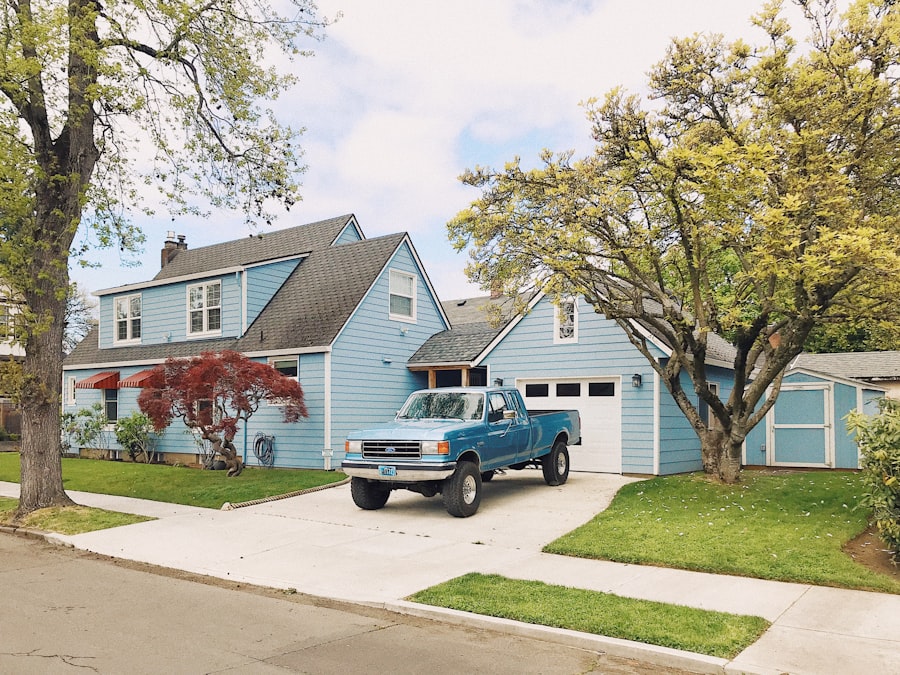
The mid-20th century marked a golden era for a particular iteration of the American Dream, one deeply intertwined with post-war prosperity and a burgeoning suburban landscape. This era saw the rise of the nuclear family, the single-family home, and a consumer culture that fueled unprecedented economic growth.
The Suburban Sanctuary
Imagine the quintessential image: a picket fence, a manicured lawn, a car in the driveway. This was the dream that captivated millions after World War II. Returning soldiers, boosted by programs like the GI Bill, found it easier than ever to afford a home. The suburbs offered a perceived haven, a place for children to grow up safe and sound, away from the grime and perceived dangers of the city. Owning a home became a tangible symbol of success and belonging. It was a dream of comfort, stability, and a certain idealized domesticity. The ability to escape the crowded tenements and embrace open spaces resonated deeply.
The Erosion of the Ideal
Yet, this idyllic picture was not without its shadows. The suburban dream, as often presented, was largely a white, middle-class aspiration. Discriminatory housing practices, redlining, and the exclusion of minority communities meant that this version of the American Dream was out of reach for many. The nuclear family ideal, while celebrated, also placed significant pressure on women to conform to a domestic role, often limiting their personal and professional ambitions. The dream, in its idealized form, began to show cracks, revealing the inequalities it often perpetuated. The promise of prosperity was not equally distributed, and the homogeneity of the suburban landscape masked a complex reality.
The Shifting Sands: Diversification and Discontent

The latter half of the 20th century and the dawn of the 21st century brought about a profound re-evaluation of the American Dream. Globalization, technological advancements, and increasing social awareness began to reshape societal values and individual aspirations, leading to both diversification and a growing sense of discontent.
The Rise of the “Gig Economy” and Entrepreneurship
You’re no longer solely confined to the traditional path of a steady job and a predictable career trajectory. The digital age has ushered in new possibilities. Perhaps you’re a freelance graphic designer working from a coffee shop, a coder building an app in your spare time, or an online entrepreneur selling handmade goods. The dream has become more fluid, more adaptable. It’s about flexibility, autonomy, and the ability to forge your own path, even if it’s less conventional. This embraces the idea of being your own boss and controlling your own destiny, even if it means navigating more uncertainty.
The Challenge of Economic Inequality
However, alongside these new opportunities, a significant challenge has emerged: widening economic inequality. The gap between the wealthiest and the rest of the population has grown, making the traditional markers of the American Dream – homeownership, secure retirement, a stable career – feel increasingly out of reach for many. Student loan debt, stagnant wages, and the rising cost of living have created a sense of precarity, making the dream feel more like a distant aspiration than an achievable reality for a growing segment of the population. This has led to a questioning of whether the system is still set up to allow for upward mobility in the way it once seemingly did.
Redefining Success: Beyond Material Wealth
Your generation, and those that have come after, may be questioning the purely materialistic pursuit of the American Dream. You might prioritize experiences over possessions, environmental sustainability over endless consumption, or social impact over personal enrichment. The dream might be less about accumulating wealth and more about living a meaningful life, contributing to your community, or pursuing passions that bring fulfillment. This represents a fundamental shift in what “success” truly means, moving beyond tangible assets to encompass intangible values.
The concept of the American Dream has evolved significantly over the decades, reflecting changes in societal values, economic conditions, and cultural expectations. In recent years, many people have begun to question the traditional notion of success tied to homeownership and financial prosperity. This shift is explored in a related article that delves into how the American Dream has transformed in the modern era. You can read more about this fascinating topic by visiting this article, which examines the new aspirations and challenges faced by individuals today.
The Future of The Dream: Inclusion, Adaptability, and Resilience
| Generation | Homeownership Rate | College Attainment | Income Inequality |
|---|---|---|---|
| Baby Boomers | 70% | 20% | Low |
| Generation X | 65% | 30% | Moderate |
| Millennials | 50% | 40% | High |
As you look towards the horizon, the American Dream continues its evolution. The challenges are undeniable, but so too are the opportunities for its reinvention. The future of this enduring ideal will likely be defined by its ability to adapt, to become more inclusive, and to foster a sense of resilience in the face of change.
The Imperative of Inclusivity
Your American Dream cannot be truly realized until it is accessible to all. This means dismantling systemic barriers based on race, gender, sexual orientation, socioeconomic status, and disability. It means creating pathways to education, healthcare, and economic opportunity that are equitable and just. The dream of a truly unified and prosperous nation depends on ensuring that every individual has a genuine chance to pursue their aspirations. This involves actively working to create a society where everyone has a seat at the table and the chance to contribute and thrive.
The Power of Adaptability and Lifelong Learning
The pace of change is only accelerating. The skills you have today may not be the skills you need tomorrow. Your American Dream will require a commitment to lifelong learning, to constant adaptation, and to embracing new technologies and ways of working. It’s about being nimble, resilient, and open to redefining your career and life path multiple times. This is not a static destination, but a continuous journey of growth and reinvention.
The Enduring Spirit of Hope and Agency
Despite the complexities and challenges, the core spirit of the American Dream – the belief in possibility, the power of human agency, and the hope for a better future – endures. Yours is not the American Dream of your grandparents, nor will it be the dream of generations to come. It is uniquely yours, shaped by your experiences, your values, and your vision for what America can and should be. You hold the brush, and the canvas of the American Dream is waiting for you to paint its next chapter. Your ability to believe in your own potential and to actively pursue your goals is the lifeblood of this ever-evolving ideal. You are not just a participant in the American Dream; you are an architect of its future.

The Middle-Class Playbook Stopped Working — Here’s Why
FAQs
What is the American Dream?
The American Dream is a national ethos of the United States, the set of ideals in which freedom includes the opportunity for prosperity and success, as well as an upward social mobility for the family and children, achieved through hard work in a society with few barriers.
How has the American Dream changed over time?
The American Dream has evolved over time, from the early ideals of economic opportunity and upward mobility to include concepts of equality, diversity, and social justice. The definition of success and prosperity has also shifted, with a greater emphasis on work-life balance and personal fulfillment.
What factors have influenced the change in the American Dream?
Several factors have influenced the change in the American Dream, including economic shifts, social movements, technological advancements, and demographic changes. The Great Recession, civil rights movements, and the rise of the digital age have all played a role in reshaping the American Dream.
How has the perception of the American Dream varied among different generations?
Different generations have had varying perceptions of the American Dream. Baby boomers often associated it with economic success and homeownership, while millennials and Gen Z place more emphasis on personal fulfillment, work-life balance, and social impact.
What are some current challenges to achieving the American Dream?
Some current challenges to achieving the American Dream include income inequality, rising costs of education and housing, limited job opportunities, and systemic barriers based on race, gender, and socioeconomic status. These challenges have led to a growing sense of disillusionment and skepticism about the attainability of the American Dream.