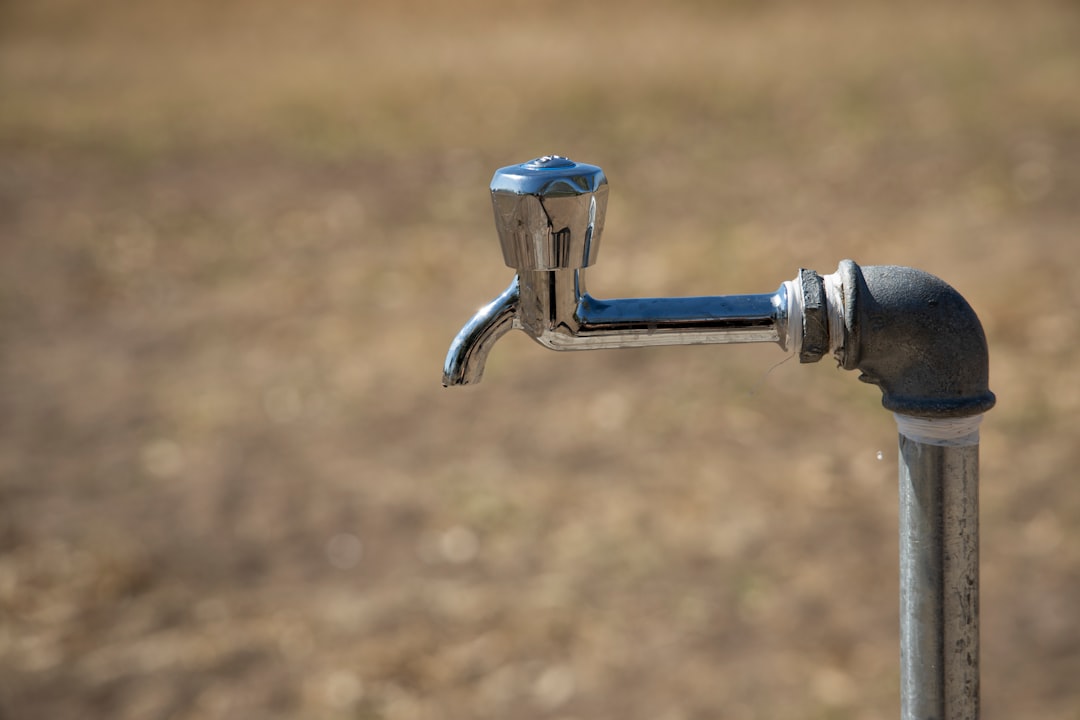
Water scarcity is an increasingly pressing issue that affects agricultural practices worldwide. As you delve into the complexities of this problem, you will find that the availability of water is not just a matter of convenience; it is a fundamental necessity for sustaining agricultural production. With the global population projected to reach nearly 10 billion by 2050, the demand for food will only intensify, placing additional strain on already limited water resources.
Climate change, urbanization, and inefficient water management practices exacerbate this crisis, leading to a situation where farmers are often left grappling with insufficient water supplies. As you explore the implications of water shortage in agriculture, it becomes clear that this issue is multifaceted. It affects not only crop yields but also livestock production, economic stability, and food security.
Understanding the intricate relationship between water availability and agricultural productivity is crucial for developing effective strategies to mitigate the impacts of water scarcity. In this article, you will uncover the various dimensions of water shortage in agriculture and its far-reaching consequences.
Key Takeaways
- Water shortage critically reduces crop yields and livestock productivity, threatening food security.
- Increased irrigation costs and water management challenges strain farmers economically.
- Shifts in crop selection and agricultural practices are necessary to adapt to limited water availability.
- Water scarcity leads to higher food prices and economic displacement in rural communities.
- Government policies and long-term adaptation strategies are essential to sustain agriculture in water-scarce regions.
The Importance of Water in Agricultural Production
Water is the lifeblood of agriculture, playing a critical role in the growth and development of crops. As you consider the various stages of plant growth, you will realize that water is essential for processes such as photosynthesis, nutrient uptake, and transpiration. Without adequate water supply, plants struggle to thrive, leading to stunted growth and reduced yields.
This dependency on water underscores the importance of effective water management practices in agriculture. Moreover, the significance of water extends beyond just crop production. It also influences soil health and fertility.
When soil lacks moisture, it becomes compacted and less able to retain nutrients, which can further hinder plant growth. As you reflect on these dynamics, it becomes evident that ensuring a reliable water supply is not merely about irrigation; it encompasses a holistic approach to managing agricultural ecosystems. The interdependence of water, soil, and crops highlights the need for sustainable practices that prioritize water conservation and efficient usage.
Effects of Water Shortage on Crop Yields
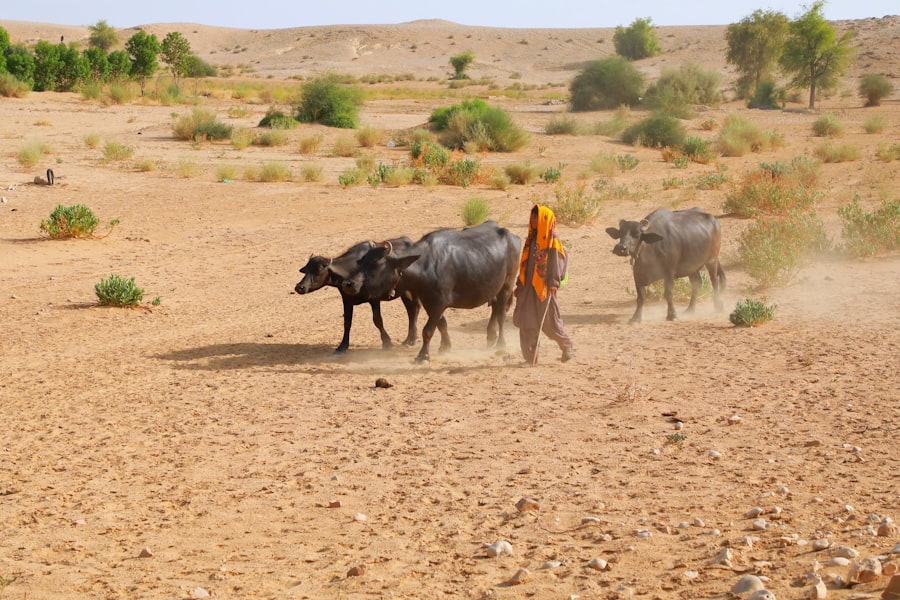
The direct consequences of water shortage on crop yields are alarming. When farmers face insufficient water supplies, they often experience significant declines in productivity. You may find it surprising that even short-term droughts can lead to substantial reductions in crop yields, affecting staple crops such as wheat, rice, and corn.
As you analyze data from various regions, you will see that these declines can range from 20% to 50%, depending on the severity and duration of the water shortage. In addition to immediate yield losses, prolonged water scarcity can have long-term effects on agricultural sustainability. When farmers are forced to adapt by using less efficient irrigation methods or switching to drought-resistant crops, they may inadvertently compromise soil health and biodiversity.
This shift can create a cycle of dependency on specific crops that may not be as resilient in the face of future climate challenges. As you consider these factors, it becomes clear that addressing water shortages is essential not only for maintaining current crop yields but also for ensuring the long-term viability of agricultural systems.
Impact of Water Shortage on Livestock Production
Water scarcity does not only impact crop production; it also poses significant challenges for livestock farming. As you explore this aspect of agriculture, you will discover that animals require a consistent supply of clean water for hydration, digestion, and overall health. When water sources become limited or contaminated, livestock can suffer from dehydration and stress, leading to decreased productivity and increased mortality rates.
Furthermore, the availability of water directly influences feed production for livestock. Many farmers rely on irrigated pastures and crops to sustain their herds. When water shortages occur, the quality and quantity of feed diminish, resulting in lower weight gain and milk production in animals.
This ripple effect can have dire consequences for farmers’ livelihoods and food supply chains. As you reflect on these challenges, it becomes evident that addressing water scarcity is crucial not only for crop farmers but also for those involved in livestock production.
Economic Losses Due to Water Shortage in Agriculture
| Metric | Value | Unit | Impact Description |
|---|---|---|---|
| Crop Yield Reduction | 30 | % | Average decrease in crop production due to water scarcity |
| Farm Income Loss | 25 | % | Reduction in farmers’ earnings linked to lower agricultural output |
| Increase in Irrigation Costs | 40 | % | Additional expenses incurred to access alternative water sources |
| Area of Cropland Affected | 15 | million hectares | Extent of agricultural land impacted by water shortages |
| Food Price Inflation | 12 | % | Increase in food prices due to reduced agricultural supply |
| Employment Reduction in Agriculture | 10 | % | Decrease in agricultural jobs caused by lower production |
The economic ramifications of water shortages in agriculture are profound and far-reaching. As you examine the financial impact on farmers, you will find that reduced crop yields and livestock productivity translate into significant income losses. For many smallholder farmers who operate on tight margins, even a slight decrease in production can jeopardize their livelihoods and push them further into poverty.
Moreover, the broader economy suffers as well. Agriculture is a cornerstone of many economies worldwide, providing jobs and supporting local communities. When farmers face economic hardships due to water shortages, it can lead to job losses and decreased spending in rural areas.
As you consider these economic dynamics, it becomes clear that addressing water scarcity is not just an agricultural issue; it is a matter of economic stability and social equity.
Increased Costs of Irrigation and Water Management
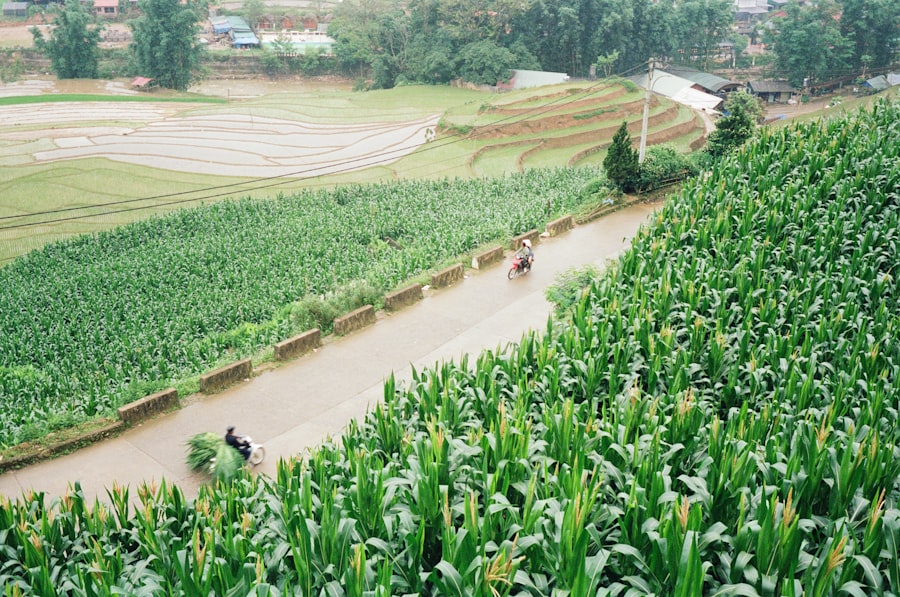
As water becomes scarcer, the costs associated with irrigation and water management are likely to rise significantly. You may find it concerning that farmers are increasingly forced to invest in more advanced irrigation technologies or alternative water sources to maintain their productivity levels. This shift can place an additional financial burden on farmers who may already be struggling with tight budgets.
In many cases, these increased costs can lead to a cycle of debt for farmers who must borrow money to finance their irrigation systems or purchase water rights. As you analyze this situation further, you will see that the financial strain can deter new entrants into agriculture and stifle innovation within the sector. The rising costs associated with water management highlight the urgent need for policies that support sustainable practices while ensuring equitable access to water resources.
Shifts in Agricultural Practices and Crop Selection
In response to ongoing water shortages, many farmers are compelled to adapt their agricultural practices and crop selections. You may notice that some farmers are shifting towards drought-resistant varieties or alternative crops that require less water for cultivation. While these changes can help mitigate some effects of water scarcity, they also raise questions about long-term sustainability and food diversity.
As you explore these shifts further, consider how they may impact local ecosystems and food systems. The introduction of new crops can alter soil composition and affect local wildlife habitats. Additionally, relying heavily on a limited number of drought-resistant crops may reduce biodiversity within agricultural landscapes.
As you reflect on these changes, it becomes clear that while adaptation is necessary in the face of water scarcity, it must be approached thoughtfully to ensure ecological balance and food security.
Impact on Food Prices and Availability
The consequences of water shortages extend beyond individual farms; they ripple through entire food systems, affecting prices and availability for consumers. As crop yields decline due to insufficient water supplies, you may observe an increase in food prices as supply struggles to meet demand. This situation can create challenges for low-income households who may already be facing food insecurity.
Moreover, fluctuations in food availability can lead to market volatility, making it difficult for consumers to predict prices or access essential goods consistently. As you consider these dynamics, it becomes evident that addressing water scarcity is crucial not only for farmers but also for ensuring stable food supplies for communities worldwide. The interconnectedness of agricultural production and food security underscores the urgency of finding solutions to this pressing issue.
Job Losses and Economic Displacement in Rural Communities
As agricultural productivity declines due to water shortages, rural communities often bear the brunt of economic displacement and job losses. You may find it disheartening that many smallholder farmers are forced to abandon their land or seek alternative employment opportunities as their livelihoods become unsustainable. This trend can lead to increased migration from rural areas to urban centers as individuals search for work.
The social implications of such displacement are profound. Communities that once thrived on agriculture may experience a decline in social cohesion as families are separated or forced to relocate. Additionally, local economies suffer when agricultural jobs disappear, leading to reduced spending power and diminished public services in rural areas.
As you reflect on these challenges, it becomes clear that addressing water scarcity is essential not only for agricultural sustainability but also for preserving the social fabric of rural communities.
Government Policies and Interventions to Address Water Shortage in Agriculture
Governments play a crucial role in addressing water shortages in agriculture through policies and interventions aimed at promoting sustainable practices and efficient resource management. You may find it encouraging that many countries are beginning to recognize the importance of investing in infrastructure improvements such as irrigation systems and rainwater harvesting techniques.
As you explore various government initiatives worldwide, you will see examples of successful programs that have led to improved agricultural resilience in the face of water scarcity. However, it is essential for policymakers to engage with local communities to ensure that interventions are tailored to specific regional needs and challenges.
Long-term Solutions and Adaptation Strategies for Agriculture in Water-Scarce Regions
As you contemplate long-term solutions for addressing water scarcity in agriculture, it becomes evident that a multifaceted approach is necessary. Sustainable practices such as crop rotation, agroforestry, and integrated pest management can enhance resilience while conserving precious water resources. You may also find it beneficial to explore innovative technologies such as precision agriculture or soil moisture sensors that enable farmers to optimize their irrigation practices.
Furthermore, fostering collaboration among stakeholders—including farmers, researchers, policymakers, and community organizations—can lead to more effective strategies for managing water resources sustainably. Education and training programs focused on best practices for water conservation can empower farmers to make informed decisions about their agricultural practices. As you reflect on these potential solutions, it becomes clear that addressing water scarcity requires collective action and a commitment to sustainable development within agriculture.
In conclusion, understanding the complexities surrounding water shortages in agriculture is essential for developing effective strategies to mitigate their impacts. By recognizing the importance of water in agricultural production and its far-reaching consequences on crop yields, livestock production, economic stability, food prices, rural communities, government policies, and long-term solutions, you can appreciate the urgency of addressing this critical issue head-on.
The economic impact of water shortages on agriculture is a pressing issue that affects food production and farmers’ livelihoods. For a deeper understanding of this topic, you can explore the article on the economic implications of resource scarcity in agriculture found at How Wealth Grows. This resource provides valuable insights into how water scarcity can lead to increased costs and reduced yields, ultimately influencing market prices and food security.
WATCH THIS! ⚠️ Wall Street’s Water Grab: Why The $1.4 Trillion Water Commodity Is Your Biggest Risk
FAQs
What is the economic impact of water shortage on agriculture?
Water shortage in agriculture leads to reduced crop yields, increased production costs, and lower farm incomes. It can cause a decline in food supply, higher prices for consumers, and negatively affect rural economies dependent on farming.
How does water scarcity affect crop production?
Water scarcity limits the availability of irrigation, which is essential for many crops. This results in stunted plant growth, lower yields, and sometimes complete crop failure, especially in regions reliant on consistent water supply.
Which agricultural sectors are most affected by water shortages?
Sectors that depend heavily on irrigation, such as fruit and vegetable farming, rice cultivation, and livestock production, are most vulnerable to water shortages. These sectors require substantial water inputs for optimal productivity.
Can water shortages lead to increased food prices?
Yes, reduced agricultural output due to water shortages can decrease food supply, leading to higher prices. This affects both local markets and global food prices, impacting food security.
What are the long-term economic consequences of water shortages in agriculture?
Long-term consequences include decreased agricultural productivity, loss of livelihoods for farmers, increased rural poverty, migration from rural to urban areas, and potential destabilization of food systems.
How do farmers adapt to water shortages economically?
Farmers may adopt water-saving technologies, switch to drought-resistant crops, reduce cultivated areas, or diversify income sources. However, these adaptations often require investment and may not fully offset losses.
What role does water management play in mitigating economic impacts?
Effective water management, including efficient irrigation practices, water recycling, and policy measures, can reduce the severity of water shortages and help sustain agricultural productivity and economic stability.
Are there any global regions more vulnerable to water shortages in agriculture?
Yes, arid and semi-arid regions, such as parts of Africa, the Middle East, South Asia, and southwestern United States, are particularly vulnerable due to limited water resources and high agricultural water demand.
How does water shortage in agriculture affect employment?
Water shortages can reduce agricultural output, leading to job losses in farming and related industries. This can increase unemployment rates and reduce income for rural communities.
What measures can governments take to reduce the economic impact of water shortages on agriculture?
Governments can invest in water infrastructure, promote efficient irrigation technologies, support research on drought-resistant crops, implement water pricing policies, and encourage sustainable water use practices.