
You’re standing on a street corner, watching families struggle to make rent. The city skyline, a symbol of prosperity, feels impossibly distant from the reality of your neighbors. Affordable housing isn’t just a buzzword; it’s a pressing economic challenge that impacts your community, your wallet, and your future. You see it in the rising cost of groceries, the increasing commute times, and the constant anxiety for those living paycheck to paycheck. This isn’t just a problem for “other people.” It’s a complex web of economic forces that affects you, whether you realize it or not.
You might think inflation is about the price of gas or a loaf of bread. But the silent killer of your disposable income is often hidden in plain sight: housing costs. When rent or mortgage payments consume a larger chunk of your paycheck, you have less to spend on everything else. This isn’t just an abstract economic concept; it’s the reason you’re putting off that vacation, delaying that home renovation, or opting for cheaper, less nutritious food.
The Rent Burden: A Growing Shadow Over Your Budget
Imagine this: you earn a decent salary, but after taxes and rent, you’re left with peanuts. This is the reality for a growing number of people. The rent burden, defined as spending more than 30% of your income on rent, is a widespread problem. You see your friends and colleagues making difficult choices, sacrificing savings, or even taking on second jobs just to keep a roof over their heads.
The Domino Effect of High Rents
It’s not just about the immediate financial strain. High rents create a ripple effect throughout your local economy. When you’re struggling to afford rent, you’re less likely to eat out, shop at local boutiques, or invest in your community. This dampens economic activity, impacting businesses and ultimately affecting job creation. You might notice fewer new businesses opening or existing ones struggling to stay afloat.
The Geographic Disconnect: Where You Live vs. Where You Work
You might have the perfect job opportunity miles away, but the cost of housing in that desirable location makes it impossible to accept. This creates a geographic disconnect, forcing many to endure long, expensive commutes. You spend more on gas, car maintenance, and your precious time is frittered away on the road. This can lead to burnout, reduced productivity, and a diminished quality of life.
The Shifting Sands of Homeownership: A Dream Slipping Away
For many, homeownership represents stability, an investment, and a cornerstone of the “American Dream.” But for you, and for a growing segment of the population, that dream is becoming increasingly elusive. Home prices have surged, outpacing wage growth for years, making it nearly impossible to save for a down payment.
The Down Payment Dilemma: The Everest of Savings
You’ve been diligently saving, but every time you feel like you’re making progress, home prices climb even higher. The required down payment can feel like an insurmountable mountain of money to conquer. This traps many in the rental market, unable to build equity or benefit from the wealth-building potential of homeownership.
Mortgage Rates and Affordability: The Balancing Act
Even if you manage to scrape together a down payment, rising mortgage interest rates can drastically alter your monthly payments. You’re constantly monitoring market trends, trying to time your purchase perfectly, but the unpredictability of interest rates adds another layer of anxiety to an already stressful process. A slight increase in rates can mean a significant jump in your monthly housing expense, pushing it beyond your comfortable budget.
The ongoing challenge of affordable housing in many regions can be attributed to a variety of factors, including rising construction costs and regulatory hurdles. For a deeper understanding of why cheap houses are not being built, you can explore the article on this topic at How Wealth Grows. This resource delves into the economic and policy-related issues that contribute to the scarcity of affordable housing options, shedding light on the complexities of the housing market.
The Supply-Side Squeeze: Why There Aren’t Enough Homes for Everyone
The fundamental economic principle of supply and demand is at play here. When demand for housing outstrips supply, prices naturally rise. You see this in your neighborhood, where new developments seem few and far between, or where existing homes are snapped up the moment they hit the market.
The Land Use Maze: Zoning Laws and Development Hurdles
You might wonder why developers don’t simply build more homes. The reality is far more complex. Restrictive zoning laws, often designed decades ago, can severely limit the types and density of housing that can be built. You might live in an area zoned exclusively for single-family homes, making it impossible to build more affordable apartment buildings or townhouses.
NIMBYism: “Not In My Backyard” vs. Community Needs
You’ve likely heard the term NIMBY – “Not In My Backyard.” While many residents have legitimate concerns about development, the widespread opposition to new housing can exacerbate the supply shortage. You see this when proposals for affordable housing projects are met with resistance, often based on fear rather than fact, further limiting options for those who need them most.
The Construction Conundrum: Labor and Material Costs
Even when zoning permits are granted, the cost of construction itself is a significant barrier. You might have noticed the rising prices of lumber, steel, and other building materials. Furthermore, a shortage of skilled construction labor drives up labor costs, making it more expensive to build new homes. This directly translates to higher prices for the finished product, impacting your ability to afford it.
The Role of Investors: When Homes Become Commodities
You’ve seen the trend: institutional investors and large corporations buying up single-family homes and apartment buildings, converting them into rental properties. While this can provide rental options, it often removes homes from the market for individual buyers and can lead to higher rental rates as these entities prioritize profit.
The Rental Market Dynamics: Profit Over People?
When investors dominate the rental market, the focus can shift from providing affordable housing to maximizing rental income. This can result in rent increases that far exceed inflation, making it even harder for you to find a stable and affordable place to live. You might witness your rent go up significantly year after year, with little justification beyond increased profit margins for the landlord.
The Impact on Homeownership Aspirations
The influx of investors also makes it more challenging for aspiring homeowners. When homes are bought up by large entities, there are fewer available for individuals to purchase, driving up competition and prices for the remaining inventory. This further distances you from the possibility of owning your own home.
The Policy Pendulum: Government Interventions and Their Economic Footprint

Governments at all levels play a crucial role in the affordable housing landscape. You see the headlines about new housing initiatives, tax credits, and rental assistance programs. But the effectiveness and economic impact of these policies are often debated.
Subsidies and Incentives: The Upside and Downside
You might be aware of various government subsidies and tax incentives aimed at encouraging the development of affordable housing. These can be effective in reducing construction costs or providing rent assistance to low-income households. However, the scale of these programs often falls short of the demand, and their long-term sustainability can be questionable.
Tax Credits for Developers: A Boon or a Burden?
Tax credits offered to developers can incentivize the construction of affordable units. However, critics argue that these credits can sometimes be exploited, and the overall benefit to consumers might not always be as significant as intended. You might question whether these incentives are truly translating into genuinely affordable options for you.
Rental Assistance Programs: A Lifeline, But Is It Enough?
Rental assistance programs, like Section 8 vouchers, provide a crucial lifeline for many struggling families. However, the waiting lists for these programs are often extensive, and the funding may not be sufficient to cover the full difference between market rent and what a recipient can afford. You see the desperation of those waiting, and the limitations of these programs.
Zoning Reform and Land Use Policies: The Power to Shape Your Neighborhood
You understand that zoning laws dictate what can be built where. Efforts to reform these laws, such as allowing for increased density or mixed-use developments, can increase the housing supply. However, these reforms often face significant political hurdles and community opposition, making it difficult to implement meaningful change.
Encouraging Density: Breaking Down Barriers
Policies that encourage density, such as allowing for duplexes, triplexes, or accessory dwelling units (ADUs) in single-family neighborhoods, can create more housing options and potentially lower costs. You might see the benefits of these changes, but also the resistance they often encounter from existing homeowners concerned about property values or neighborhood character.
Streamlining Permitting Processes: Cutting Through Red Tape
The complex and time-consuming process of obtaining building permits can add significant delays and costs to housing projects. Efforts to streamline these processes, while maintaining safety and environmental standards, could help accelerate construction and reduce overall development costs, ultimately benefiting you.
The Economic Ripple Effect: How Housing Impacts Your Entire Life

Affordable housing isn’t an isolated issue. Its impact extends far beyond the monthly rent check. It affects your health, your education, your job prospects, and the overall economic vitality of your community.
Health and Well-being: The Stress of Instability
You know that living in unstable or overcrowded housing takes a toll on your mental and physical health. The constant stress of worrying about eviction, the lack of safe and clean living conditions, and the inability to afford healthy food all contribute to poorer health outcomes. This translates to higher healthcare costs for everyone.
The Link Between Housing and Health: A Direct Correlation
Studies consistently show a direct correlation between housing affordability and health. When you’re not burdened by housing costs, you have more resources to spend on nutritious food, regular medical check-ups, and preventative care. This leads to a healthier population, reducing the strain on healthcare systems.
Mental Health Toll: Anxiety and Depression
The constant worry about housing security can lead to chronic stress, anxiety, and even depression. You see this in the faces of your neighbors, struggling to maintain a sense of normalcy when their basic need for shelter is precarious. This impacts their ability to work effectively, engage with their communities, and live fulfilling lives.
Education and Opportunity: The Foundation for Future Success
You understand that a stable home is the foundation for educational success. When families are constantly moving or living in unstable conditions, it disrupts children’s schooling, impacting their academic performance and future opportunities.
The Impact on Children’s Education: Stability and Learning
Children who grow up in stable, affordable housing are more likely to attend the same school consistently, perform better academically, and graduate. Frequent moves can lead to learning gaps and social-emotional challenges. You see the potential being lost when children are forced to change schools due to housing instability.
The Cycle of Poverty: Breaking Free Through Affordable Housing
Affordable housing can be a powerful tool for breaking the cycle of poverty. When families can afford stable housing, they have more resources to invest in education, job training, and other opportunities that can lead to upward mobility. You see the potential for a more equitable society when everyone has access to decent housing.
Economic Growth and Productivity: A Thriving Community
A community where people can afford to live is a community that thrives economically. When housing costs are manageable, people have more disposable income to spend locally, supporting businesses and creating jobs.
Consumer Spending: Fueling Local Economies
When a significant portion of your income isn’t consumed by housing, you have more to spend on goods and services, from dining out at local restaurants to buying clothes from neighborhood stores. This increased consumer spending stimulates economic growth and job creation.
Attracting and Retaining Talent: The Competitive Edge
Businesses need access to a skilled workforce. If housing is unaffordable in a particular area, it becomes difficult for businesses to attract and retain talented employees. This can stifle innovation and hinder economic development. You see this when companies struggle to fill positions because potential employees cannot afford to live nearby.
The ongoing challenge of affordable housing has sparked discussions about the reasons why cheap houses are not being built, with various factors contributing to this issue. A recent article explores the complexities of construction costs, zoning regulations, and market demand, shedding light on the barriers that developers face in creating budget-friendly homes. For a deeper understanding of these challenges, you can read more in this insightful piece on the topic. If you’re interested, check out the article here for further details.
The Path Forward: Solutions and Your Role in Creating Change
| Factor | Description | Impact on Cheap Housing | Example Metrics |
|---|---|---|---|
| Land Costs | High prices for land in urban and suburban areas | Increases overall construction costs, making cheap housing less viable | Average land price per acre: 150,000 – 500,000 |
| Regulatory Barriers | Zoning laws, building codes, and lengthy approval processes | Delays projects and adds compliance costs, discouraging low-cost builds | Average permit approval time: 6-12 months |
| Construction Material Costs | Rising prices for lumber, steel, and other materials | Raises the cost per unit, reducing affordability | Material cost increase: 15-30% over last 3 years |
| Labor Shortages | Insufficient skilled workers in construction industry | Leads to higher wages and slower project completion | Construction labor wage increase: 10% annually |
| Financing Challenges | Difficulty securing loans for low-profit margin projects | Limits developer willingness to build cheap housing | Loan approval rate for affordable housing projects: 40% |
| Market Demand | Higher demand for luxury or mid-range housing | Developers prioritize more profitable housing types | Percentage of new builds that are affordable: 20% |
| Infrastructure Costs | Expenses related to utilities, roads, and public services | Added costs increase overall project expenses | Infrastructure cost per unit: 10,000 – 25,000 |
The economic challenges of affordable housing are daunting, but they are not insurmountable. You have the power to be part of the solution, advocating for change and supporting initiatives that promote housing affordability.
Innovative Housing Solutions: Thinking Outside the Box
Beyond traditional construction, there’s a growing movement towards innovative housing solutions. These can include modular construction, tiny homes, co-housing models, and the adaptive reuse of existing buildings.
Modular and Prefabricated Housing: Efficiency and Affordability
Modular and prefabricated housing can significantly reduce construction time and costs by building components off-site in a controlled environment. This can lead to more affordable homes delivered to market faster. You might see the potential for these technologies to address the housing shortage more effectively.
Tiny Homes and Micro-Units: Rethinking Space
The concept of tiny homes and micro-units offers a solution for those seeking more affordable living options. By minimizing space, these dwellings can drastically reduce construction costs and ongoing utility expenses, making homeownership or long-term renting more accessible.
Policy Reforms and Community Advocacy: Your Voice Matters
You can make a difference by engaging with your local government and advocating for policies that promote affordable housing. This can involve attending town hall meetings, contacting your representatives, and supporting community organizations working on this issue.
Supporting Inclusionary Zoning: Building Diverse Communities
Inclusionary zoning policies require developers to include a certain percentage of affordable units in new housing developments. This is a crucial tool for ensuring that new housing benefits a wider range of income levels and helps create more diverse and inclusive communities.
Advocating for Increased Funding for Housing Programs
You can lend your voice to support increased government funding for affordable housing programs, including rental assistance, housing vouchers, and the development of new affordable housing units. The more resources allocated to these programs, the greater the impact they can have.
Your Personal Contribution: Making Informed Choices
Even in your daily life, you can make choices that contribute to a more affordable housing landscape. This might involve supporting businesses that prioritize fair wages, considering diverse housing options for yourself, and being open to responsible development in your community.
Conscious Consumerism: Supporting Ethical Businesses
When you patronize businesses that offer fair wages and benefits to their employees, you contribute to their ability to afford housing. This ripple effect can help strengthen the economic stability of your community.
Openness to Diverse Housing Options: Embracing Change
As you think about your own housing needs, consider the diversity of options available. Embracing smaller living spaces, co-housing, or even accessory dwelling units can open up new possibilities and contribute to a more varied and affordable housing market.
You stand at a crossroads. The economic challenges of affordable housing are complex and far-reaching, impacting your financial well-being, your community’s vitality, and your future. By understanding these challenges, engaging in informed discussions, and advocating for meaningful change, you can help build a future where everyone has access to a safe, stable, and affordable place to call home. The economic landscape of housing is not set in stone; it is shaped by the choices you and your community make.
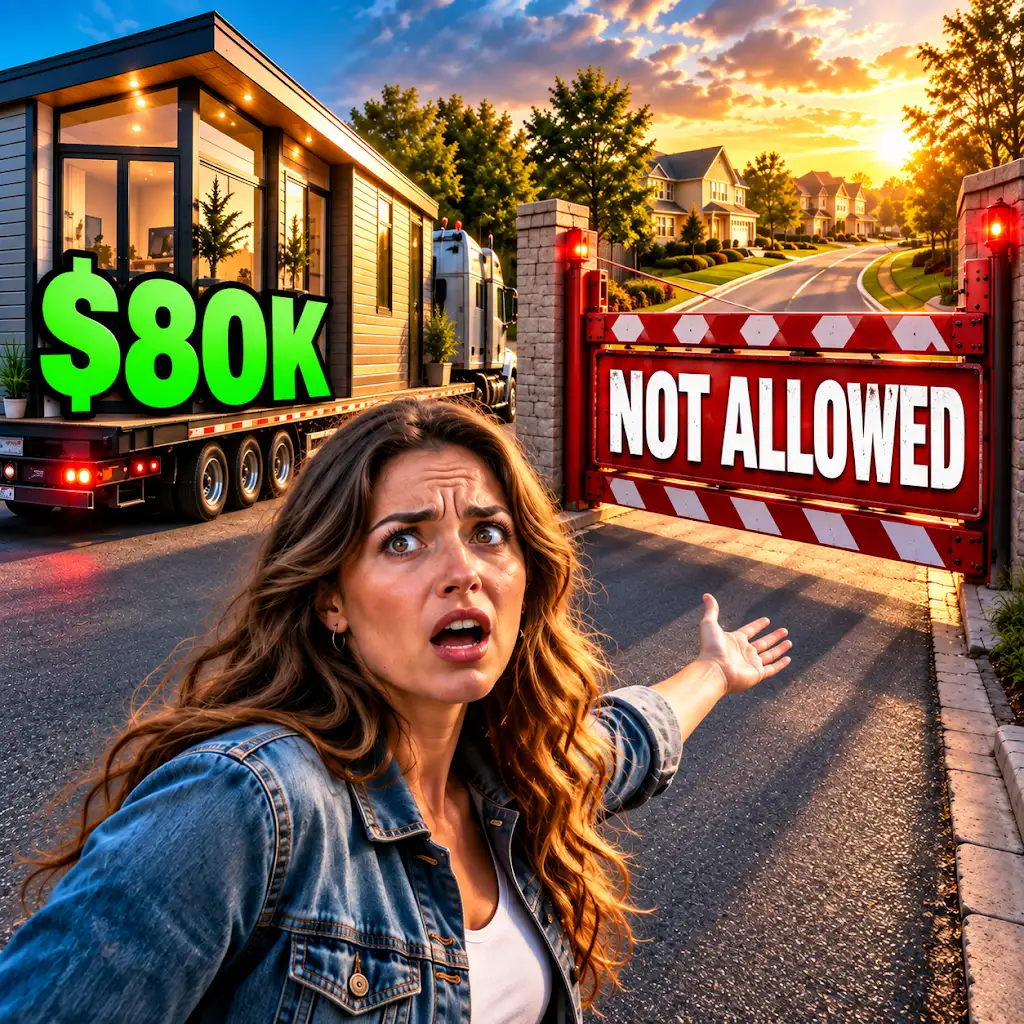
The $80,000 House You’re Not Allowed to Put Anywhere
FAQs
1. Why are cheap houses not being built?
Cheap houses are not being built due to various factors such as rising construction costs, limited availability of affordable land, strict building regulations, and high demand for skilled labor.
2. How do rising construction costs impact the building of cheap houses?
Rising construction costs, including materials, labor, and permits, make it financially challenging for developers to build affordable housing units at lower price points.
3. What role does the availability of affordable land play in the construction of cheap houses?
Limited availability of affordable land in desirable locations can drive up land prices, making it difficult for developers to acquire land at a reasonable cost to build cheap houses.
4. How do building regulations affect the construction of cheap houses?
Stringent building regulations, such as zoning restrictions, building codes, and permit requirements, can add significant costs and delays to the construction process, making it harder to build affordable housing.
5. Why is there a high demand for skilled labor impacting the construction of cheap houses?
The high demand for skilled labor in the construction industry can lead to labor shortages and increased labor costs, further contributing to the challenges of building cheap houses within budget constraints.