
The once-ubiquitous aisles of Toys R Us, a beacon of childhood wonder and a staple of holiday wish lists, fell silent in 2018. The iconic giraffe, Geoffrey, a symbol of fun and games, had seen his empire crumble. While myriad factors contributed to this retail giant’s demise, the insidious and relentless grip of debt stands out as the primary architect of its downfall. This is the story of how an unsustainable debt burden suffocated a beloved brand, leading it inexorably towards bankruptcy.
For decades, Toys R Us was synonymous with toys. Its colossal stores, overflowing with every imaginable plaything, captivated generations of children and parents alike. The sheer scale of its inventory, coupled with a playful in-store experience, made it the undisputed king of the toy retail landscape.
Early Dominance and the “Big Box” Revolution
Founded in 1957 by Charles Lazarus, Toys R Us pioneered the “category killer” concept. By offering a vast selection of toys under one roof, it rendered smaller, specialized toy shops obsolete. This “big box” approach, combined with strategic expansion, allowed Toys R Us to dominate the market for years. Its presence was felt in virtually every major city, and its advertising campaigns, featuring the cheerful Geoffrey, became deeply ingrained in popular culture. The company’s success was built on a foundation of widespread appeal, effective marketing, and a keen understanding of consumer demand for a comprehensive toy shopping experience.
A Culture of Play and Childhood Nostalgia
More than just a store, Toys R Us cultivated an atmosphere of excitement and discovery. The brightly colored aisles, the sheer abundance of choices, and the promise of fulfilled wishes created a unique brand loyalty. For many, a trip to Toys R Us was an event, a cherished childhood memory. This emotional connection, while a powerful asset, also masked the growing financial vulnerabilities beneath the surface. The brand had become so interwoven with the fabric of childhood that its commercial struggles were initially difficult for many to comprehend.
The demise of Toys “R” Us serves as a cautionary tale about the dangers of excessive debt in the retail industry. A related article discusses how the company’s heavy financial burdens ultimately led to its downfall, highlighting the impact of leveraged buyouts and the inability to adapt to changing market conditions. For more insights on this topic, you can read the full article here: How Debt Killed Toys “R” Us.
The Shadow of Private Equity: A Leveraged Buyout’s Impact
The beginning of Toys R Us’s terminal decline can be traced back to a pivotal moment: its acquisition by a consortium of private equity firms in 2005. This leveraged buyout, intended to revitalize the struggling retailer, ultimately saddled it with an insurmountable debt load that would prove fatal.
The 2005 Leveraged Buyout: A Deal with Dire Consequences
In 2005, Toys R Us was taken private in a $7.5 billion deal led by private equity firms Bain Capital, KKR, and Vornado Realty Trust. The model of private equity buyouts often involves taking on significant debt to finance the acquisition, with the expectation of restructuring and improving the company’s performance to generate returns. However, in the case of Toys R Us, the debt burden proved too heavy to bear in the face of evolving retail dynamics. The transaction effectively loaded the company with billions in debt, which then became the primary financial obligation of Toys R Us itself.
The Burden of Interest Payments: A Constant Drain
The immense debt incurred during the buyout translated into substantial annual interest payments. These payments, often running into hundreds of millions of dollars annually, diverted crucial capital away from essential business functions like inventory, store upgrades, and marketing. Instead of investing in innovation and adapting to the changing retail landscape, a significant portion of Toys R Us’s revenue was channeled towards servicing its debt obligations. This created a perpetual financial strain, leaving the company perpetually on the back foot.
Limited Flexibility and Stifled Investment
The weight of debt severely hampered Toys R Us’s ability to invest in its future. The company struggled to keep pace with the rise of e-commerce giants like Amazon, which were rapidly transforming how consumers shopped. Modernizing its own online presence, updating its physical stores to create more engaging experiences, and investing in new technologies became prohibitively expensive. The debt acted as a financial anchor, preventing the company from adapting and innovating effectively. Every dollar earmarked for strategic investment was a dollar that could have gone towards debt repayment, creating a painful Catch-22.
The Shifting Retail Landscape: Competition and Digital Disruption

While debt was the primary killer, Toys R Us was also operating in an increasingly challenging retail environment. The rise of online shopping and the aggressive competition from other retailers created a perfect storm for the already financially precarious company.
The Amazon Effect: The E-commerce Revolution
The exponential growth of Amazon presented a formidable challenge. Amazon offered convenience, vast selection, and competitive pricing, all delivered directly to consumers’ doorsteps. Toys R Us, with its brick-and-mortar focus, found it increasingly difficult to compete with the online giant’s agility and cost structure. While Toys R Us did attempt to build its online presence, it was often a case of too little, too late, struggling to match the seamless user experience and efficient logistics of its digital competitor.
Big Box Wars: Walmart and Target’s Ascendancy
Beyond e-commerce, traditional brick-and-mortar competitors like Walmart and Target also posed significant threats. These general merchandise retailers, with their broader product assortments and often lower operating costs, began to significantly encroach on Toys R Us’s territory. They could offer toys alongside groceries, electronics, and clothing, making them a more convenient one-stop shop for many families, further eroding Toys R Us’s market share.
The Changing Face of Toy Consumption: Digitalization and Licenses
Furthermore, the nature of toys themselves began to shift. The rise of video games, digital entertainment, and licensed merchandise tied to popular movies and television shows altered consumer preferences. Toys R Us, while carrying many of these items, struggled to fully capitalize on the rapid evolution of popular culture and the demand for interactive digital play. Its traditional model was less suited to the fast-paced world of fleeting entertainment trends.
The Inevitable Descent: Stagnation and Inability to Adapt

The confluence of crippling debt and a rapidly evolving retail environment created a feedback loop of decline for Toys R Us. The company became trapped in a cycle of underperformance, unable to generate sufficient revenue to escape its financial predicament.
Declining Sales and Market Share Erosion
As competition intensified and consumer habits shifted, Toys R Us’s sales began a steady downward trajectory. Its market share, once dominant, was systematically chipped away by its competitors. This decline in revenue further exacerbated its debt problem, as there was less money coming in to service the massive interest payments. The vicious cycle was in full swing, with each missed sales target making the debt burden heavier.
Inability to Invest in Modernization and Store Experience
The lack of capital for investment meant that Toys R Us stores began to look increasingly dated. While competitors were investing in creating more engaging and experiential retail spaces, Toys R Us struggled to keep its stores fresh and appealing. This led to a decline in foot traffic as consumers sought more modern and exciting shopping destinations. The once-vibrant and magical atmosphere of Toys R Us stores began to feel stagnant and uninspiring.
The Impact on Supplier Relationships
The financial distress also strained relationships with toy manufacturers. Suppliers, wary of the company’s financial instability, began demanding more favorable payment terms or even outright prepayment for goods. This further squeezed Toys R Us’s cash flow, making it even harder to maintain adequate inventory levels and meet consumer demand. The delicate balance of the supply chain was disrupted by the company’s mounting financial woes.
The rise and fall of Toys “R” Us serves as a cautionary tale about the dangers of excessive debt in the retail industry. A related article discusses how the company’s heavy financial burdens ultimately led to its demise, highlighting the challenges faced by many retailers in a rapidly changing market. For a deeper understanding of these dynamics, you can read more in this insightful piece on how debt impacts businesses at How Wealth Grows. The story of Toys “R” Us is a reminder that even beloved brands can struggle when financial strategies go awry.
The Final Chapter: Bankruptcy and Liquidation
| Metric | Value | Description |
|---|---|---|
| Total Debt | 5 Billion | Amount of debt Toys “R” Us carried before bankruptcy |
| Interest Payments | 400 Million per year | Annual interest expense on debt reducing cash flow |
| Bankruptcy Filing Year | 2017 | Year Toys “R” Us filed for Chapter 11 bankruptcy |
| Store Closures | 800+ | Number of stores closed after bankruptcy |
| Revenue Decline | 10% annually (2014-2017) | Annual decrease in sales leading up to bankruptcy |
| Online Sales Percentage | Less than 10% | Share of total sales from e-commerce compared to competitors |
| Competitor Market Share Growth | 15% increase (2014-2017) | Market share gained by competitors like Amazon and Walmart |
| Debt-to-Equity Ratio | High (exact figure varies) | Indicates heavy reliance on debt financing |
Despite attempts at restructuring and refinancing, the weight of its debt ultimately proved too much for Toys R Us to overcome. The company’s financial struggles culminated in a series of bankruptcy filings, leading to the closure of its stores and the end of an era.
The 2017 Bankruptcy Filing: A Desperate Attempt
In September 2017, Toys R Us filed for Chapter 11 bankruptcy protection in the United States. This was an attempt to reorganize its debt and operations, allowing the company to shed underperforming stores and secure new financing. However, the scale of the debt and the entrenched challenges of the retail landscape proved too formidable for this restructuring to succeed.
The 2018 Liquidation: The End of an Icon
Despite efforts to salvage the business, the company announced in March 2018 that it would liquidate its U.S. operations, leading to the closure of all its remaining stores. This decision resulted in the loss of thousands of jobs and the disappearance of an iconic brand from the retail landscape. The image of Toys R Us stores boarded up became a poignant symbol of the broader challenges facing traditional retail in the digital age.
The Lingering Legacy: A Cautionary Tale of Debt
The downfall of Toys R Us serves as a stark cautionary tale about the perils of excessive debt. While private equity can play a role in corporate turnarounds, the specific circumstances of the Toys R Us buyout, coupled with an evolving market, created a recipe for disaster. The story of Toys R Us is a powerful reminder that even the most beloved brands are vulnerable when weighed down by an unsustainable financial burden. The laughter and joy that once echoed through its aisles were ultimately silenced by the cold, hard reality of financial insolvency. The giraffe, Geoffrey, may have been a symbol of fun, but the company’s balance sheet told a much grimmer story.
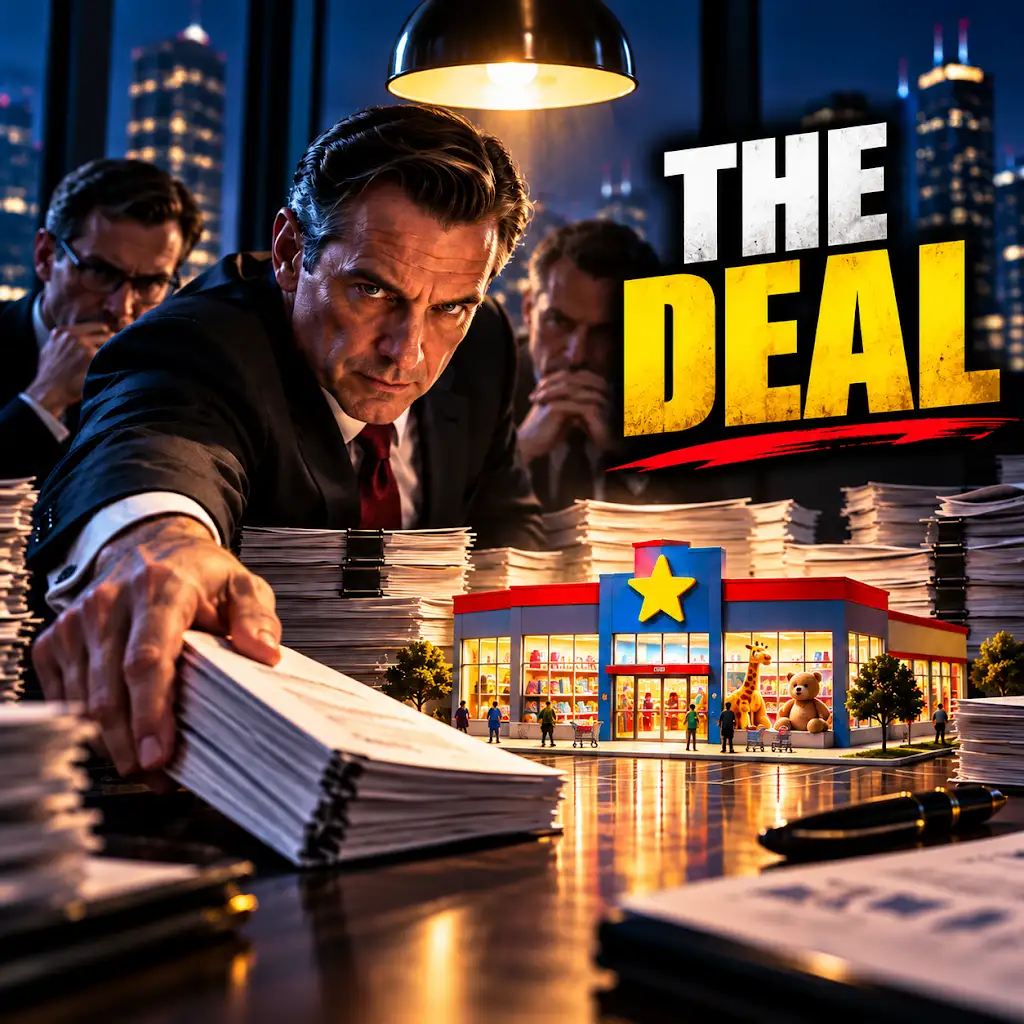
The $6.6 Billion Deal That Left Toys “R” Us Trapped
FAQs
1. What led to the downfall of Toys R Us?
Toys R Us filed for bankruptcy in 2017 due to a combination of factors, including a heavy debt load from a leveraged buyout in 2005, increased competition from online retailers like Amazon, and changing consumer preferences.
2. How much debt did Toys R Us have before filing for bankruptcy?
Toys R Us had approximately $5 billion in debt before filing for bankruptcy, which ultimately contributed to the company’s inability to compete in the retail market.
3. How did the debt impact Toys R Us’ ability to stay in business?
The significant debt burden placed on Toys R Us limited the company’s ability to invest in its stores, e-commerce platform, and overall business operations. This lack of investment made it difficult for Toys R Us to adapt to the changing retail landscape and compete effectively with other retailers.
4. What were the consequences of Toys R Us’ bankruptcy filing?
As a result of the bankruptcy filing, Toys R Us was forced to close hundreds of stores, lay off thousands of employees, and ultimately liquidate its assets. The company’s failure had a significant impact on the toy industry and left a void in the market for many consumers.
5. What lessons can be learned from the downfall of Toys R Us?
The downfall of Toys R Us serves as a cautionary tale about the dangers of taking on excessive debt, failing to adapt to changing market conditions, and underestimating the impact of online competition. It highlights the importance of financial management, strategic planning, and staying attuned to consumer preferences in order to remain competitive in the retail industry.