
The once-ubiquitous aisles of Toys R Us, a beacon of childhood wonder for generations, now stand as a stark monument to a spectacular corporate collapse. What began as a humble baby furniture store in 1948, evolving into the undisputed king of toy retail, ultimately succumbed to a confluence of internal missteps and an unforgiving external landscape. The narrative of Toys R Us’s downfall is a complex tapestry woven with threads of mismanagement, strategic blunders, and the relentless pressure of a rapidly changing retail environment, all amplified by the rise of fierce competition.
For decades, Toys R Us reigned supreme. Its cavernous stores, bursting with every imaginable toy, were destinations in themselves. Children would drag their parents through aisles filled with action figures, dolls, board games, and video consoles, creating a palpable sense of excitement and anticipation. The iconic Geoffrey the Giraffe became a beloved mascot, synonymous with fun and play. This dominance, however, bred a sense of invincibility, a dangerous complacency that would ultimately prove to be the company’s undoing.
Early Success and Market Domination
Charles Lazarus’s vision was simple yet potent: provide a wide selection of toys at competitive prices, all under one roof. This concept, revolutionary at the time, resonated with parents and children alike. The company’s expansion throughout the latter half of the 20th century was meteoric. They mastered the art of mass-market retail, leveraging economies of scale to offer attractive price points. Their sheer physical presence in most major markets made them the default destination for toy purchases, effectively cornering the market.
The Illusion of Perpetual Growth
The consistent success of Toys R Us fostered an environment where questioning the established order became less common. The company was seen as a titan, an entity that would simply continue to grow and prosper. This outlook prevented a critical examination of emerging threats and a proactive adaptation to evolving consumer behaviors. The focus remained on the established model, overlooking the subtle but significant shifts occurring in the retail world.
The decline of Toys “R” Us can be attributed to several factors, including increased competition from online retailers and changing consumer preferences. A related article that delves deeper into the reasons behind the company’s downfall can be found at How Wealth Grows. This resource provides insights into the retail landscape and the challenges faced by traditional toy stores in adapting to a digital economy.
Strategic Missteps: A Cascade of Poor Decisions
While external forces played a significant role, Toys R Us’s internal strategic decisions were arguably the most critical factor in its demise. A series of ill-advised moves, from overburdening the company with debt to failing to invest in crucial digital infrastructure, created a foundation of weakness that could not withstand the onslaught of change.
The Burden of Debt: The Bain Capital Leveraged Buyout
One of the most significant nails in Toys R Us’s coffin was the 2005 leveraged buyout by Bain Capital, KKR, and Vornado Realty Trust. This transaction, intended to take the company private and streamline operations, instead saddled Toys R Us with billions of dollars in debt. The immense interest payments drained vital capital that could have been used for modernization, innovation, and competitive pricing. This debt acted as a constant anchor, preventing the company from making necessary investments and leaving it vulnerable.
The Impact of Interest Payments
The sheer weight of servicing this debt meant that a substantial portion of Toys R Us’s revenue was diverted away from operational improvements. This starved the company of the resources needed to compete effectively, particularly in the crucial areas of e-commerce and in-store experience. The management team was perpetually under pressure to generate cash flow simply to meet its debt obligations, often at the expense of long-term strategic thinking.
Missed Opportunities for Reinvestment
With less capital available for reinvestment, Toys R Us lagged behind competitors who were aggressively investing in their online presence, supply chain efficiencies, and in-store technologies. This created a widening gap in the customer experience, making the company less appealing to modern shoppers.
The Failure to Embrace E-commerce
Perhaps the most glaring strategic failing was Toys R Us’s slow and hesitant embrace of e-commerce. While competitors like Amazon were rapidly building robust online platforms, Toys R Us remained largely tethered to its brick-and-mortar model. Their early online efforts were clunky, unreliable, and lacked the seamless integration that consumers had come to expect. This failure to adapt to the burgeoning digital marketplace meant they were losing significant market share to online retailers.
The Early Amazon Threat
Even in the early days of e-commerce, Amazon posed a clear and present danger to traditional retail. Toys R Us, however, seemed to underestimate the long-term implications of this new sales channel. Their focus remained on driving foot traffic to their physical stores, a strategy that would become increasingly unsustainable.
Inadequate Website and Online Presence
When Toys R Us did eventually attempt to build a robust online presence, it was often too little, too late, and poorly executed. Their websites were frequently difficult to navigate, inventory management was inconsistent, and the overall online shopping experience was far from optimal. This contrasted sharply with the streamlined and user-friendly platforms offered by their digital competitors.
Inconsistent Merchandising and Store Experience
Beyond the digital divide, Toys R Us also struggled with its core offering: the in-store experience and product selection. The vastness of their stores, once a strength, became a liability. They often felt cluttered and overwhelming, lacking the curated and engaging atmosphere that some competitors were cultivating.
The “Big Box” Problem
The “big box” retail model, while effective in its heyday, began to feel outdated. Customers were increasingly seeking more personalized shopping experiences, and Toys R Us’s sprawling warehouses often failed to deliver this. The sheer volume of product could also lead to a lack of focus, with popular items sometimes lost amidst a sea of less desirable merchandise.
Inconsistent Stock and Out-of-Date Inventory
Customers frequently reported issues with stock availability and finding specific items. This inconsistency, coupled with a perceived lack of cutting-edge or exclusive products, eroded customer loyalty. Competitors, particularly those with more agile supply chains and better inventory management, could often provide a more reliable and satisfying shopping experience.
Fierce Competition: The Rise of New Challengers
The retail landscape of the 21st century was far more dynamic and competitive than the one Toys R Us had dominated for so long. A new breed of retailers, both online and in physical spaces, emerged to challenge its established position.
The Amazon Juggernaut
Amazon’s ascent was perhaps the most formidable competitive threat. The online giant offered unparalleled convenience, vast selection, competitive pricing, and a rapidly improving customer experience. They understood the power of data and personalization, allowing them to tailor recommendations and promotions to individual shoppers. For toy purchases, Amazon became the go-to destination for many, offering a one-stop shop that could often beat Toys R Us on price and delivery speed.
Convenience and Speed of Delivery
Amazon’s ability to deliver products directly to consumers’ homes with impressive speed became a significant advantage. This convenience factor was particularly appealing to busy parents, who could avoid the hassle of a trip to the store.
Price Competition and Discounts
Amazon’s aggressive pricing strategies and frequent discounts put immense pressure on Toys R Us’s profit margins. The online retailer could afford to operate on thinner margins due to its lower overhead costs.
The Rise of Discount Retailers
Beyond Amazon, the rise of discount retailers like Walmart and Target also chipped away at Toys R Us’s market share. These behemoths offered a wide range of products, including toys, at competitive prices, leveraging their massive scale and broad appeal. While they might not have had the same toy-specific focus, their convenience and affordability made them strong contenders.
Walmart and Target’s Toy Sections
Walmart and Target, with their immense customer traffic and diverse product offerings, were able to capture a significant portion of the toy market. Their toy sections, while perhaps not as extensive as Toys R Us’, were often more accessible and integrated into a broader shopping trip.
Everyday Low Prices
The “everyday low prices” strategy employed by these retailers made it difficult for Toys R Us to compete, especially when factoring in their own operational costs and debt obligations.
The Specialization of Niche Retailers
Furthermore, a wave of specialized toy retailers, both online and in physical locations, began to emerge. These stores catered to specific interests, offering curated selections of educational toys, STEM kits, collectibles, and high-end designer toys. This fragmentation of the market meant that Toys R Us, in its attempt to be everything to everyone, often failed to deeply satisfy any specific customer segment.
Educational and Specialty Toy Stores
Niche retailers focused on educational toys, science kits, or art supplies could offer a level of expertise and curated selection that Toys R Us struggled to replicate. These stores often fostered a more engaging and informative shopping experience for parents seeking specific developmental benefits for their children.
The Collectibles Market
The growing market for collectibles and high-end action figures also saw specialized retailers thrive, offering a level of depth and authenticity that a mass-market retailer might miss.
The Inability to Adapt to Changing Consumer Behavior
The most profound challenge Toys R Us faced was its inability to adapt to fundamental shifts in consumer behavior and preferences. The way people shopped, the types of toys they desired, and the importance of digital engagement all evolved rapidly, and the company was slow to respond.
The Decline of “Toy Store” Culture
The concept of a dedicated toy store as the primary destination for toy purchases began to wane. Consumers increasingly valued convenience, online selection, and integrated shopping experiences. The emotional connection to a physical toy store, while still present for some, was no longer the dominant driver of purchasing decisions.
The Rise of “Just-in-Time” Shopping
Modern consumers, particularly busy parents, embraced a “just-in-time” approach to shopping. They were more likely to purchase toys closer to the occasion, often impulsively or based on immediate needs, rather than planning extensive shopping trips months in advance.
The Influence of Digital Media and Social Media
The rise of digital media and social media profoundly influenced children’s and parents’ toy preferences. Viral trends, influencer recommendations, and online reviews became powerful drivers of demand, often bypassing traditional advertising channels that Toys R Us relied on.
The Shift Towards Experiences Over Physical Goods
There was a growing societal shift towards valuing experiences over the accumulation of physical goods, particularly among younger generations. This meant that disposable income was increasingly being allocated to activities like travel, entertainment, and digital subscriptions rather than solely to toys.
The “Experience Economy”
The allure of theme parks, digital gaming, and other experiential entertainment options began to compete for the same consumer dollar that was once predominantly spent on toys. This subtle but significant shift in consumer priorities impacted the overall demand for toys.
The Digital Toy Landscape
The proliferation of digital games, apps, and online entertainment platforms offered children alternative forms of play that did not require physical toys. This presented a direct challenge to the traditional toy industry.
The decline of Toys “R” Us can be attributed to several factors, including increased competition from online retailers and changing consumer preferences. For a deeper understanding of the challenges faced by the iconic toy retailer, you can explore a related article that discusses the impact of e-commerce on traditional brick-and-mortar stores. This article provides insights into how companies like Toys “R” Us struggled to adapt to a rapidly evolving market. To read more about this topic, visit this insightful article.
The Final Collapse and Its Legacy
| Metric | Data/Value | Explanation |
|---|---|---|
| Debt Load | Over 5 billion | Heavy debt from leveraged buyouts limited investment in stores and innovation. |
| Online Sales Percentage | Less than 10% | Failed to capture significant e-commerce market share compared to competitors. |
| Market Share Decline | From 20% to under 10% | Lost customers to online retailers and big-box stores like Walmart and Amazon. |
| Store Count | Over 800 at peak | High operational costs due to large number of physical stores. |
| Bankruptcy Filing | 2017 | Filed for Chapter 11 bankruptcy due to financial struggles. |
| Competition | High | Increased competition from online retailers and discount stores. |
| Consumer Behavior Shift | Significant | Shift towards online shopping and digital entertainment reduced toy store visits. |
Despite attempts at revitalization, the cumulative effect of mismanagement, crippling debt, and fierce competition proved insurmountable. The eventual bankruptcy and closure of Toys R Us stores left a void in the retail landscape and a sense of nostalgia for a bygone era.
The Bankruptcy and Store Closures
After years of struggling, Toys R Us filed for bankruptcy protection in September 2017, leading to the closure of all its U.S. stores in June 2018. This marked the end of an era for millions of families who had grown up with the brand. The iconic “R” logo, once a symbol of joy, became a reminder of a retail giant’s demise.
The Emotional Impact of Closure
The closure of Toys R Us stores was met with widespread sadness and nostalgia. Many recalled fond memories of childhood visits and the excitement of discovering new toys. The loss represented more than just a retail entity; it was the disappearance of a cultural touchstone.
The Liquidation Sales
The subsequent liquidation sales, while offering steep discounts, were a somber affair, marking the final farewell to the beloved toy store. These sales highlighted the harsh reality of the company’s financial struggles.
Lessons Learned for the Modern Retailer
The downfall of Toys R Us serves as a critical case study for modern retailers. It underscores the absolute necessity of adaptability, strategic foresight, and a deep understanding of evolving consumer behavior. Companies must be agile, invest in digital capabilities, manage debt prudently, and cultivate a customer-centric approach to survive and thrive in today’s dynamic marketplace.
The Importance of Digital Transformation
The Toys R Us story is a stark reminder that neglecting digital transformation is a death knell for traditional retailers. Embracing e-commerce, mobile integration, and data analytics is no longer optional; it is a fundamental requirement for success.
The Need for Agility and Innovation
The retail landscape is constantly shifting. Companies must foster a culture of innovation and be willing to pivot their strategies in response to emerging trends and competitive pressures. Stagnation is the enemy of progress in retail.
Customer-Centricity in a Competitive World
Ultimately, customer needs and preferences must be at the heart of every retail strategy. Toys R Us’s failure to adapt its offerings and its shopping experience to meet the demands of modern consumers led directly to its demise. The legacy of Toys R Us is a potent cautionary tale, a reminder that even the most dominant players are not immune to the forces of change and the consequences of poor strategic decisions.
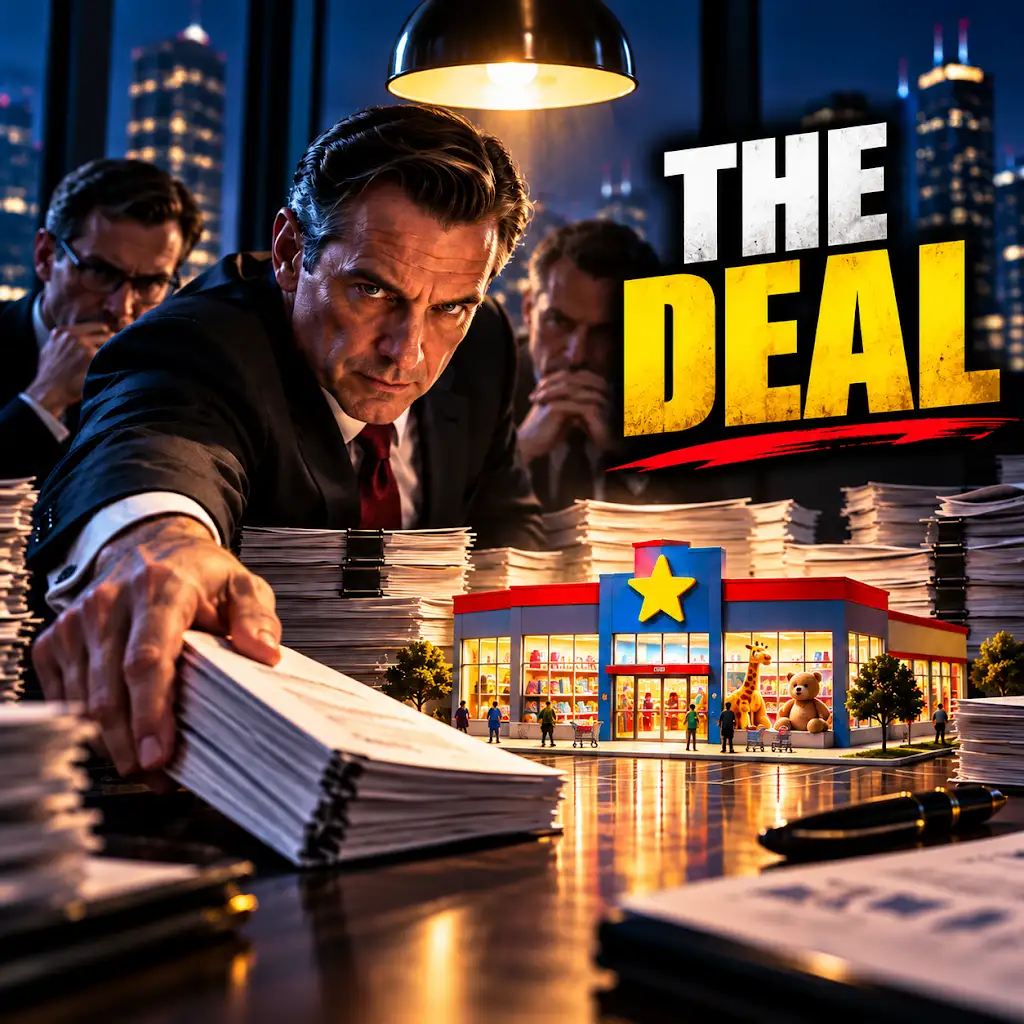
The $6.6 Billion Deal That Left Toys “R” Us Trapped
FAQs
1. What led to Toys R Us going out of business?
Toys R Us went out of business due to a combination of factors, including increased competition from online retailers like Amazon, changing consumer preferences, high levels of debt, and mismanagement.
2. When did Toys R Us officially close its stores?
Toys R Us officially closed its stores in the United States in June 2018, after filing for bankruptcy in September 2017.
3. How did the closure of Toys R Us impact the toy industry?
The closure of Toys R Us had a significant impact on the toy industry, leading to a decrease in overall toy sales and creating challenges for toy manufacturers and retailers who relied on the chain for distribution.
4. Were there any efforts to save Toys R Us from going out of business?
There were efforts to save Toys R Us from going out of business, including attempts to restructure the company’s debt and find a buyer for its assets. However, these efforts ultimately proved unsuccessful.
5. Is Toys R Us still in business in any capacity?
Toys R Us still operates in some international markets, such as Canada and Asia, under different ownership. In the United States, the brand has been revived in a smaller capacity through partnerships with other retailers and an online presence.