
You’re looking for a starter home. You pore over listings, your heart sinking a little with each one. The prices seem astronomically high, the square footage disappointingly small, and the competition fierce. You’re staring down a housing crisis, a landscape where the once-accessible stepping stone to homeownership has all but vanished. This isn’t just a personal struggle; it’s a widespread phenomenon, a systemic issue that’s reshaping your generation’s dreams and future.
You might think you know what a starter home is. It’s the affordable, modest dwelling that allows first-time buyers to enter the property market. It’s the place where you’ll build equity, perhaps start a family, and eventually move up to something bigger and better. But the definition itself is becoming a relic of a bygone era.
A Shrinking Definition, A Soaring Price Tag
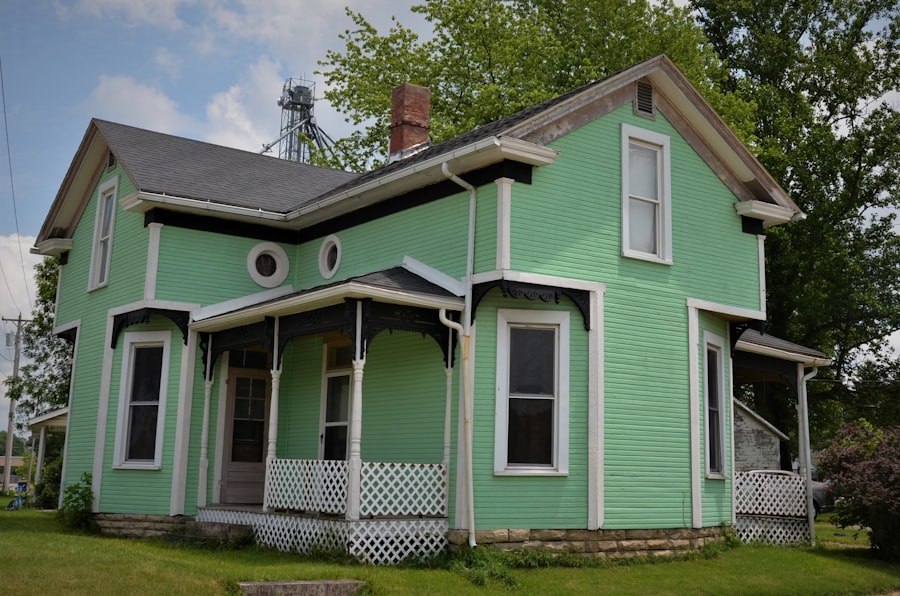
For years, the “starter home” was characterized by its size and location. Think a small bungalow, a modest townhouse, or a compact single-family home in a less-than-prime but accessible neighborhood. These homes were designed to be within reach for young professionals, couples just starting out, and those with moderate incomes. Their appeal lay in their affordability, offering a tangible pathway to financial stability. Now, when you search for “starter homes,” you’re often confronted with properties that were once considered mid-range, or even luxury, listings. The price tags attached to even the smallest and most basic homes have inflated to a point where they feel completely out of reach for the average young buyer. You find yourself wondering if the very concept of a “starter” home has been rendered obsolete by market forces.
The Vanishing Inventory: Fewer Options, More Demands
The problem isn’t just that starter homes are expensive; it’s that there are far fewer of them available. Decades of underbuilding, coupled with the fact that existing starter homes are often renovated and absorbed into the market as “move-up” homes by established owners, has dramatically reduced the supply of affordable entry-level housing. You’re not just competing with other first-time buyers; you’re often competing with investors and established homeowners looking for cheaper properties to flip or rent out. This scarcity fuels bidding wars and drives prices ever higher, making the hunt feel like an uphill battle with no clear end in sight.
The disappearance of starter homes has become a pressing issue in today’s housing market, as many first-time buyers find themselves priced out of homeownership. A related article that delves deeper into this phenomenon can be found at How Wealth Grows, where it explores the various economic and social factors contributing to the decline of affordable housing options for new buyers. This insightful piece highlights the impact of rising construction costs, zoning regulations, and changing demographics on the availability of starter homes, providing a comprehensive overview of the challenges faced by aspiring homeowners.
The Economic Forces at Play: Why the Market Shifted
The disappearance of affordable starter homes isn’t a random occurrence. It’s the result of a complex interplay of economic factors that have fundamentally altered the housing market over the past few decades. Understanding these forces is crucial to grasping the enormity of the challenge you face.
The Specter of Boomers and Baby Busts: Demographic Shifts and Housing Demand
You’ve likely heard about the enormous impact of the Baby Boomer generation. Their sheer numbers created a massive demand for housing during their prime home-buying years. As this generation aged, many remained in their larger family homes, opting for renovations rather than downsizing. This “aging in place” phenomenon means fewer larger homes are coming onto the market for younger generations to move into, indirectly affecting the availability of starter homes as the market becomes more entrenched. Simultaneously, subsequent generations, like Gen X and Millennials, experienced smaller birth rates. While this might suggest less demand, the type of demand shifted. As more people began to delay marriage and homeownership, the demand for starter homes concentrated in urban and desirable areas, driving up prices in those specific markets. You’re caught in a demographic squeeze, where older generations’ housing choices are impacting your ability to find your own place.
The Rise of the Investor: Capitalizing on Opportunity, Exacerbating the Crisis
You’ve probably seen them – the cash offers, the flippers, the institutional investors buying up properties. In a market with rising home values and low mortgage rates (historically, though this is changing), real estate has become an attractive investment. For individuals and large corporations alike, purchasing starter homes as rental properties or for quick renovations and resale offers a lucrative return. This influx of investor capital directly competes with you, the aspiring homeowner. They have the advantage of often being able to pay in cash, bypassing the need for mortgages and making their offers more appealing to sellers. You’re not just competing for a home; you’re competing against businesses looking to maximize profit, and that’s a difficult game to win. Your dream of homeownership is a business opportunity for someone else.
The Stagnation of Wages vs. the Rocketing of Home Prices: The Income Gap Widens
This is perhaps the most stark reality you face. While home prices have surged dramatically over the past few decades, wages for many have not kept pace. The ability to save for a down payment, cover closing costs, and afford a monthly mortgage payment has become increasingly out of reach for a significant portion of the population. You’re working hard, perhaps earning a decent salary, but it feels like you’re running on a treadmill, with the cost of entry constantly moving further away. The dream of homeownership, once a hallmark of middle-class stability, is becoming a luxury reserved for those with substantial existing wealth or exceptionally high incomes. You’re left wondering if your hard work is enough when the playing field is so uneven.
The ripple Effects: Beyond Just Your Housing Dreams
The disappearance of starter homes isn’t just an inconvenience; it has profound and far-reaching implications for individuals, communities, and the economy as a whole. You’re not just denied a place to live; you’re witnessing a societal shift.
The Delay of Life Milestones: Marriage, Family, and Financial Security
When you can’t afford to buy a home, it impacts more than just your living situation. It can delay major life decisions. You might postpone marriage, believing you need a stable home before taking that step. The dream of starting a family might be put on hold, as having children in a cramped rental apartment or delaying homeownership feels less secure. Financially, the inability to build equity through homeownership means you’re missing out on a significant avenue for wealth creation. You’re not just renting a space; you’re renting your future, and that has long-term consequences for your financial security and ability to achieve other life goals. Your personal timeline is dictated by your housing prospects.
The Geographic Divide: Exacerbating Inequality and Limiting Opportunity
As starter homes become more scarce in desirable and economically vibrant areas, people are forced to look further afield. This can lead to longer commutes, increased transportation costs, and a disconnect from job opportunities and community resources. For those who cannot afford to live near where they work, it creates a two-tiered system, further entrenching economic inequality. You might find yourself priced out of the very areas that offer the most job prospects and upward mobility. This geographic segregation limits your choices and can create barriers to accessing education, healthcare, and social networks. Your postcode can become a defining factor in your life’s trajectory.
The Strain on Rental Markets: Driving Up Rents and Tenant Instability
As fewer people can enter the homeownership market, demand for rental properties surges. This increased demand, coupled with the fact that many starter homes are now being converted into high-end rentals or short-term accommodations, drives up rental prices. You’re caught in a double bind: unable to afford to buy, and now facing exorbitant rents in the rental market. This creates tenant instability, as rising rents can force people to move frequently, disrupting their lives and communities. You find yourself on a carousel of rising rents, with no hope of landing a stable, affordable place to call your own.
The Barriers to Building: Why New Affordable Homes Aren’t Appearing

You might ask, why aren’t developers just building more starter homes to meet this demand? The reality is, the construction industry faces its own set of significant hurdles that make the creation of affordable new housing a challenging endeavor.
The Cost of Land and Development: An Insurmountable Hurdle
The cost of land in desirable areas is a major impediment. Developers often have to pay exorbitant prices for undeveloped parcels, making it difficult to build new homes at an affordable price point. Furthermore, the costs associated with permits, zoning regulations, and infrastructure development can add significantly to the overall expense of a project. You see expensive new developments, but they are rarely in your price range because the underlying costs are just too high. The initial investment required to even begin building affordable housing is astronomical.
Labor and Material Shortages: Driving Up Construction Costs
The construction industry has been grappling with labor shortages for years. A dwindling supply of skilled tradespeople, coupled with the rising cost of essential building materials like lumber, steel, and concrete, further inflates the price of new homes. Even if a developer can acquire affordable land, the escalating costs of labor and materials make it nearly impossible to build a starter home that is truly affordable for the average buyer. You’re paying for the market’s inability to secure skilled workers and secure raw materials at reasonable prices.
Restrictive Zoning Laws and NIMBYism: Obstructing Development
In many communities, outdated and restrictive zoning laws make it difficult to build the types of housing that are most needed, such as smaller, more affordable units or multi-family dwellings. These regulations can limit density, mandate minimum lot sizes, and create other obstacles that drive up construction costs. Furthermore, the phenomenon of “Not In My Backyard” (NIMBYism) – where existing residents oppose new development – can further stall or even halt construction projects, even if they promise to provide much-needed affordable housing. You are hindered by regulations designed to maintain the status quo, not to address your pressing need for a home.
The disappearance of starter homes has become a pressing issue in today’s housing market, as many first-time buyers struggle to find affordable options. A related article discusses the various factors contributing to this trend, including rising construction costs and changing buyer preferences. For a deeper understanding of the economic implications, you can read more in this insightful piece on how wealth accumulates over time. Understanding these dynamics can help shed light on the challenges facing new homeowners today. To explore further, check out the article here.
The Path Forward: Solutions and Your Role
| Reasons for Disappearance of Starter Homes | Impact |
|---|---|
| Lack of Affordable Land | Rising land prices make it difficult to build affordable starter homes |
| Increased Construction Costs | Rising material and labor costs make it less profitable to build smaller, affordable homes |
| Preference for Larger Homes | Homebuyers are increasingly seeking larger, more luxurious homes, reducing demand for starter homes |
| Regulatory Barriers | Zoning and building regulations can make it difficult to build smaller, affordable homes in certain areas |
The challenge of the disappearing starter home is immense, but it is not insurmountable. Addressing this crisis requires a multifaceted approach, involving policy changes, innovative solutions, and your active participation.
Policy and Advocacy: Pushing for Systemic Change
You can’t just shrug your shoulders and accept the status quo. Advocating for policy changes is crucial. This includes pushing for zoning reform to allow for more diverse housing types, incentivizing the construction of affordable housing through tax breaks and subsidies, and exploring rent control measures. Supporting organizations that champion affordable housing initiatives and engaging with your local representatives can make a tangible difference. You have a voice, and using it to advocate for change is your first step.
Innovative Housing Models: Rethinking Affordability
Beyond traditional construction, there’s a growing movement towards innovative housing solutions. This includes exploring co-housing models, modular and prefabricated homes, and accessory dwelling units (ADUs). These approaches can reduce construction costs and offer more flexible and affordable living options. You might find yourself considering unconventional but more accessible ways to own a home. These new models are challenging the traditional definition of homeownership to make it achievable.
Community Land Trusts and Shared Equity: Spreading Ownership
Community Land Trusts (CLTs) and shared equity programs are gaining traction as ways to keep housing permanently affordable. CLTs acquire land and sell or rent the homes on it to low- and moderate-income residents at below-market rates, while retaining ownership of the land. Shared equity programs involve a partnership between a buyer and an organization, where the organization provides some of the down payment in exchange for a portion of the home’s future appreciation. These models aim to divorce the cost of housing from the speculative nature of the market, ensuring long-term affordability for you and future generations. They offer a way to own a piece of your community without being burdened by market volatility.
Your Financial Preparedness and Consumer Choices
While systemic change is vital, your personal preparedness also plays a role. Educating yourself about financial literacy, diligently saving for a down payment, and exploring all available mortgage options can put you in a stronger position. Being flexible with your expectations regarding location and size, and being willing to consider fixer-uppers, can also open up more possibilities. Your informed consumer choices can help navigate the current market. You are an agent of change in your own housing journey.
The disappearance of starter homes is a crisis that touches every aspect of your life, from your personal aspirations to the health of your communities. It’s a complex challenge with no easy answers, but by understanding the forces at play and advocating for solutions, you can begin to reclaim the dream of homeownership, not just for yourself, but for future generations seeking their own place to start. You are not alone in this struggle, and by working together, you can contribute to building a future where everyone has a place to call home.

The Wealth Ladder Is Missing a Rung
FAQs
What are starter homes?
Starter homes are typically small, affordable houses or condominiums that are suitable for individuals or young couples who are purchasing their first home.
Why have starter homes disappeared?
Starter homes have disappeared due to a combination of factors such as rising land and construction costs, limited inventory, and increased demand for larger, more expensive homes.
How has the disappearance of starter homes affected the housing market?
The disappearance of starter homes has contributed to a shortage of affordable housing options, making it more difficult for first-time homebuyers to enter the market and potentially driving up prices for entry-level properties.
What are the implications of the lack of starter homes for potential homebuyers?
The lack of starter homes has made it challenging for potential homebuyers, particularly young adults and individuals with lower incomes, to find affordable housing options and achieve homeownership.
Are there any potential solutions to address the disappearance of starter homes?
Potential solutions to address the disappearance of starter homes include incentivizing developers to build more affordable housing, implementing policies to reduce construction costs, and increasing investment in affordable housing initiatives.