You’ve probably felt it. That gnawing anxiety when you scroll through listings, or when a friend tells you they’re moving again because rent has skyrocketed. The dream of owning a home, or even just securing stable, affordable rental housing, feels increasingly distant. You’re not alone. You are experiencing the sharp edge of a crisis that is reshaping our cities, straining our communities, and impacting your future. This is the disappearance of affordable homes.
You look at the numbers, and they’re stark. In cities across the globe, and certainly in your own neighbourhood, the cost of housing has outpaced wage growth for decades. What was once a manageable portion of your income can now consume half, or even more. This isn’t a sudden anomaly; it’s a systemic shift that has been building, leaving a trail of displaced families and struggling individuals in its wake.
The Double Whammy: Rising Prices and Stagnant Wages
You remember when a modest salary could comfortably cover rent and still leave room for savings and leisure. Now, you might be working two jobs, meticulously budgeting every penny, and still find yourself barely treading water. This is the core of the affordability crisis: the relentless climb of housing costs coupled with wages that have, for many, failed to keep pace. You are being squeezed from both sides. The market, driven by forces you may not fully understand, dictates prices far beyond what your labour can sustainably afford. You’re not being paid enough to live where you work, and the gap is widening every year.
The Erosion of Starter Homes
When you were younger, or perhaps when your parents were looking, the idea of a “starter home” was a tangible goal. A small, affordable property that allowed you to build equity and begin your journey into homeownership. These homes, often in established but less-trendy neighbourhoods, are now a rarity. They’ve either been snapped up by investors, renovated and flipped at prices far beyond the reach of first-time buyers, or simply priced out of existence by the insatiable demand for more premium properties. You might find yourself looking at places that are significantly smaller, in less desirable locations, or in need of extensive repairs, simply to get your foot in the door – if you can even find such an option.
The Gentrification Effect: A Double-Edged Sword
You’ve seen it happen in your own community. A neighbourhood, once affordable and vibrant, starts to attract new investment. New businesses open, streets are beautified, and property values begin to climb. On one hand, this can be seen as progress, an injection of life and opportunity. However, for the long-term residents, the original fabric of the community, this can be a death knell. As rents and property taxes rise, many are forced to move, priced out of the very neighbourhoods they helped build. You witness friends and neighbours packing their boxes, their roots torn up by economic forces they have no control over. This isn’t just about buildings; it’s about the displacement of people and the erosion of community.
The disappearance of affordable homes has become a pressing issue in many urban areas, driven by a combination of rising construction costs, gentrification, and changing economic policies. For a deeper understanding of the factors contributing to this crisis, you can read a related article that explores the complexities of the housing market and the impact on low-income families. Check it out here: Why Affordable Homes Disappeared.
The Players in the Market: Who Benefits and Who Pays the Price?
The housing market is not a neutral entity. It’s a complex ecosystem with various actors, each with their own motivations and impact on affordability. Understanding these players is crucial to understanding why the crisis persists and who is ultimately bearing the burden.
The Rise of the Investor: Housing as a Commodity
You’ve probably heard about “institutional investors” or “corporate landlords.” These entities, often backed by large sums of capital, see housing not as a place for people to live, but as a financial asset to be bought, managed, and profited from. They have the resources to outbid individual buyers, to purchase entire apartment buildings, and to implement strategies that maximize their returns. This can mean raising rents aggressively, minimizing maintenance, and even strategically leaving properties vacant to drive up demand and prices. You’re competing with entities that don’t have the same stake in the community as you do. Their primary goal is profit, and affordability for you is often secondary, if it’s considered at all.
The disappearance of affordable homes has become a pressing issue in many urban areas, driven by a combination of rising property values, gentrification, and insufficient housing supply. A related article explores the underlying economic factors contributing to this crisis and offers insights into potential solutions. For a deeper understanding of how wealth dynamics influence housing availability, you can read more in this informative piece on wealth growth. This exploration sheds light on the complexities of the housing market and the challenges faced by low-income families seeking stable living conditions.
The Impact of Short-Term Rentals: Airbnb and Beyond
You’ve likely used, or at least heard of, platforms like Airbnb. While they offer flexibility and new income streams for some, they have also had a significant impact on the long-term rental market. In many popular tourist destinations, entire apartment buildings and even individual homes have been converted into short-term rentals. This removes a substantial number of units from the traditional rental market, shrinking the supply of available homes and driving up prices for those who remain. You might find yourself competing with a revolving door of temporary visitors for the limited housing stock that is actually available for permanent residents.
The Role of Developers: Building for Profit, Not People
Developers, by their nature, are in the business of building and selling or renting properties. However, the economic incentives often push them towards building higher-end, more profitable units. Building affordable housing, especially rental units with lower profit margins, can be less attractive. You may see new luxury condominiums and upscale apartment complexes springing up, while the demand for more accessible housing goes unmet. You’re often left with the scraps, or worse, nothing at all. The focus shifts from creating homes for diverse needs to maximizing returns on investment, leaving a gap in the market that you desperately need filled.
The Consequences: Beyond the Numbers

The disappearance of affordable homes isn’t just an economic problem; it’s a societal one with far-reaching consequences that touch every aspect of your life and the lives of your community. You are experiencing these consequences directly.
The Growing Homelessness Crisis
The most visible and tragic consequence of the affordability crisis is the surge in homelessness. When housing costs become insurmountable, people are pushed onto the streets. You see it in your cities, in parks, and under bridges. These are not abstract statistics; these are individuals and families who have lost their homes due to economic forces, not personal failing. You witness the human cost of a broken housing system, and it’s a stark reminder of your own precariousness. The lack of affordable options means that a single job loss, an unexpected medical bill, or a sudden rent increase can push someone over the edge.
The Strain on Public Services and Infrastructure
When affordable housing disappears, it forces people to live further away from their jobs and the services they need. This leads to longer commutes, increased traffic congestion, and a greater strain on public transportation. Schools, healthcare facilities, and other essential services in more affordable, often outlying areas, can become overcrowded, while areas with better infrastructure struggle to accommodate the influx of residents forced to seek cheaper living. You find yourself spending more time and money commuting, and the quality of public services you rely on may suffer. The entire infrastructure of your city is affected.
The Erosion of Community and Social Cohesion
Affordable housing is the bedrock of diverse and inclusive communities. When people are priced out, neighbourhoods lose their character, their diversity, and the social fabric that binds them together. Families are separated, long-time residents are displaced, and the sense of belonging erodes. You might find your neighbours changing rapidly, old friends moving away, and the familiar faces that once made your community feel like home disappearing. This fragmentation weakens social bonds and can lead to increased isolation and a diminished sense of collective well-being. You are losing the very essence of what makes a place feel like home.
The Path Forward: Solutions and Hope

While the challenges are immense, the crisis is not insurmountable. There are potential solutions, and your voice, along with collective action, can help drive change. You are not powerless in the face of this crisis.
Innovative Housing Models: Beyond the Traditional
You can look to examples of innovative housing solutions that are emerging. These include:
- Community Land Trusts: These non-profit organizations acquire land and hold it in trust for the benefit of the community, ensuring that housing built on that land remains permanently affordable. You can support or even participate in these initiatives.
- Co-housing and Co-operative Housing: These models emphasize shared living spaces and community decision-making, which can reduce individual housing costs and foster stronger social connections.
- Tiny Homes and Accessory Dwelling Units (ADUs): While not a solution for everyone, these options can increase housing density and provide more affordable living spaces within existing neighbourhoods.
- Modular and Prefabricated Housing: These construction methods can reduce building costs and speed up the delivery of new housing units.
You can explore these models, see if they are being implemented in your area, and advocate for their expansion.
Policy Solutions: Government Intervention and Regulation
You have the power to advocate for policy changes that can address the affordability crisis. These include:
- Inclusionary Zoning: Requiring developers to set aside a certain percentage of new units as affordable housing.
- Rent Control and Stabilization: Implementing policies to limit excessive rent increases.
- Increased Funding for Affordable Housing Development: Governments investing more in the creation and preservation of affordable housing units.
- Tax Reforms: Reforming property taxes and landlord incentives to discourage speculative investment and encourage responsible property management.
- Strengthening Tenant Protections: Implementing stronger laws to protect renters from unfair evictions and predatory practices.
Your engagement with your elected officials, participation in community meetings, and support for housing advocacy groups are crucial in pushing for these policy changes.
The Power of Community and Advocacy
Ultimately, the fight for affordable housing is a collective one. You are part of a community, and your collective voice is powerful.
- Organize and Advocate: Join or form local housing advocacy groups to collectively push for solutions.
- Support Local Initiatives: Back organizations working on affordable housing projects in your area.
- Educate Yourself and Others: Share information about the crisis and its potential solutions with your friends, family, and neighbours.
- Vote for Candidates Who Prioritize Affordable Housing: Make housing a key issue in your political decision-making.
You are not just a passive observer of this crisis; you are an active participant in its potential resolution. The disappearance of affordable homes is a grave challenge, but by understanding its causes, recognizing its consequences, and actively pursuing solutions, you can help ensure that the dream of a safe, stable, and affordable home remains within reach for yourself and for future generations. You have the power to be part of the change that brings housing back within reach.
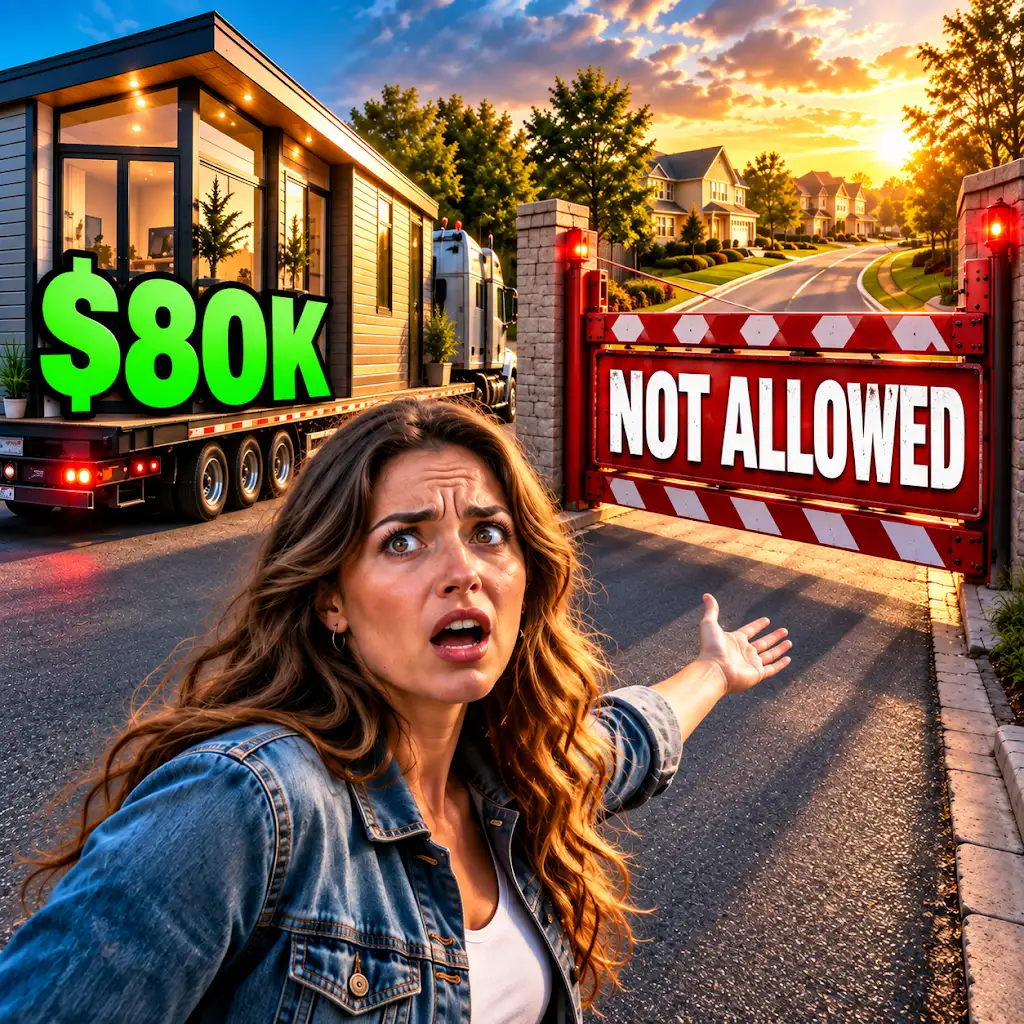
The $80,000 House You’re Not Allowed to Put Anywhere
FAQs
What factors have contributed to the disappearance of affordable homes?
Factors such as rising construction costs, limited availability of land, zoning regulations, and stagnant wages have all played a role in the disappearance of affordable homes.
How has the housing market changed over time in relation to affordable homes?
The housing market has shifted towards higher-priced homes, making it increasingly difficult for lower-income individuals and families to find affordable housing options.
What impact does the lack of affordable homes have on communities?
The lack of affordable homes can lead to increased homelessness, displacement of long-time residents, and a decrease in overall community stability and diversity.
Are there any government initiatives or programs in place to address the issue of disappearing affordable homes?
Yes, there are various government initiatives and programs at the local, state, and federal levels aimed at increasing the supply of affordable housing, providing rental assistance, and promoting homeownership for low-income individuals and families.
What can individuals do to advocate for more affordable housing in their communities?
Individuals can get involved by supporting affordable housing initiatives, advocating for policy changes, volunteering with local housing organizations, and raising awareness about the importance of affordable housing for community well-being.