
The fluorescent glow of Geoffrey the Giraffe and the boundless aisles overflowing with plastic dreams once defined childhood for generations. Toys R Us, a retail titan, was synonymous with holiday wish lists, birthday celebrations, and the sheer thrill of discovery. Yet, in a remarkably swift and brutal turn of events, this iconic brand evaporated from the retail landscape, leaving behind a void in both consumer nostalgia and the market itself. The question that lingers, echoing through the empty shells of former stores and the digital corridors of online commerce, is whether Amazon, the omnipresent e-commerce behemoth, delivered the fatal blow to Toys R Us.
For decades, Toys R Us reigned supreme, a king among toy merchants. Its expansive stores, often resembling toy palaces, offered an immersive experience that digital platforms could only dream of replicating. The sheer physical presence, the ability to touch, feel, and interact with products, created a unique shopping environment that appealed to both children and their parents.
The Appeal of the “Toy Superstore”
The concept of a dedicated “toy superstore” was revolutionary. Before Toys R Us, parents often had to navigate smaller, less specialized toy sections within department stores or rely on independent toy shops with limited inventory. Toys R Us consolidated this experience, offering an unparalleled selection of toys across all categories. From action figures and dolls to educational games and outdoor play equipment, it was a one-stop shop for every child’s desire. This breadth of product was a significant draw, establishing the brand as the go-to destination for toy purchases.
The Sensory Experience of Shopping
Beyond the sheer volume of products, the sensory experience of shopping at Toys R Us was a crucial element of its success. The vibrant colors, the cacophony of sounds from electronic toys, the smell of plastic and cardboard – it all contributed to an exciting and engaging atmosphere. Children would spend hours exploring the aisles, their eyes wide with wonder. For many, the visit to Toys R Us was an event in itself, a cherished memory often associated with special occasions. The presence of interactive displays, character mascots, and sometimes even play areas further enhanced this immersive experience, fostering a sense of fun and adventure that online shopping struggled to replicate.
Building Brand Loyalty Through Nostalgia
The longevity of Toys R Us meant that it cultivated deep roots of brand loyalty across multiple generations. Parents who grew up with Geoffrey the Giraffe were now bringing their own children to the same stores, perpetuating a cycle of shared childhood experiences. This emotional connection, while difficult to quantify, undoubtedly played a significant role in maintaining its customer base. The nostalgia associated with the brand was a powerful, albeit intangible, asset.
The decline of Toys “R” Us has sparked numerous discussions about the impact of e-commerce giants like Amazon on traditional retail. A related article that delves into this topic is available at How Wealth Grows, which explores the broader implications of online shopping on brick-and-mortar stores and examines the factors that contributed to the downfall of iconic retailers. This analysis provides valuable insights into the changing landscape of retail and the challenges faced by companies that have struggled to adapt to the digital age.
The Evolving Retail Landscape and Early Warning Signs
While Toys R Us basked in its glory, the retail world was undergoing a seismic shift. The rise of the internet and the nascent growth of e-commerce began to sow seeds of disruption that would eventually lead to the company’s downfall. These early warning signs, however, were not always heeded with the urgency they demanded.
The Dawn of E-commerce
The late 1990s and early 2000s witnessed the explosion of online retail. Companies like Amazon, initially focused on books, began to diversify their product offerings at an astonishing pace. Consumers discovered the convenience of browsing and purchasing goods from the comfort of their homes, bypassing the need for physical store visits and the associated time constraints. This shift in consumer behavior represented a fundamental challenge to the brick-and-mortar model that Toys R Us so heavily relied upon.
The Allure of Online Convenience and Price
Amazon, in particular, capitalized on the burgeoning e-commerce trend by offering unparalleled convenience and competitive pricing. Its ability to offer a vast selection of products, often at lower prices due to reduced overhead, began to chip away at Toys R Us’s market share. The ease of comparison shopping online meant that consumers could readily identify the best deals, and Amazon’s efficient delivery systems made it a formidable competitor. The perceived savings in both time and money for online purchases became increasingly attractive to consumers.
The Inertia of a Legacy Retailer
For a company as large and established as Toys R Us, adapting to such a rapid technological and behavioral shift proved to be a considerable challenge. The investment required to build a robust e-commerce platform, streamline online operations, and compete with the speed and efficiency of digital native companies was substantial. There was a degree of inertia inherent in a legacy retailer, a reliance on established practices and a potential reluctance to cannibalize its own profitable brick-and-mortar business by fully embracing the digital realm.
Amazon’s Rise to Dominance and the Direct Assault
Amazon’s strategic growth and relentless focus on customer experience positioned it as a direct threat to every retail sector, and the toy industry was no exception. The e-commerce giant didn’t just compete; it fundamentally reshaped how consumers shopped, and Toys R Us found itself on the receiving end of this aggressive expansion.
The Infinite Shelf Space Advantage
One of Amazon’s most significant advantages was its “infinite shelf space.” Unlike a physical store with finite square footage, Amazon’s online platform could theoretically offer an endless array of products. This allowed them to carry a wider selection of toys than even the largest Toys R Us store, catering to niche interests and obscure brands that a physical retailer would struggle to stock. This vast selection made Amazon a more appealing destination for consumers seeking specific or unique items.
The Power of Data and Personalization
Amazon’s sophisticated use of data analytics provided a distinct competitive edge. By tracking customer browsing and purchasing habits, Amazon could offer personalized recommendations, targeted promotions, and a tailored shopping experience. This level of individualized attention was virtually impossible for a traditional brick-and-mortar store to replicate. The ability to predict consumer needs and desires allowed Amazon to proactively present relevant products, increasing conversion rates and fostering customer loyalty.
The Fulfillment Network and Prime Effect
Amazon’s investment in a vast and efficient fulfillment network was another critical factor. Its network of warehouses and sophisticated logistics allowed for rapid and reliable delivery, often within a day or two, and even same-day delivery in some areas. The introduction of Amazon Prime, with its promise of free two-day shipping, further cemented Amazon’s convenience advantage. For busy parents, the ability to have toys delivered directly to their doorstep without leaving the house became increasingly difficult to resist, especially when facing last-minute gift needs.
The Internal Struggles and Missed Opportunities of Toys R Us
While external pressures mounted, Toys R Us also grappled with significant internal challenges that exacerbated its vulnerability. A series of strategic missteps and an inability to effectively adapt to the changing retail environment contributed to its decline.
The Burden of Debt from Private Equity Takeover
A pivotal moment in Toys R Us’s history was its leveraged buyout by private equity firms in 2005. This transaction saddled the company with an enormous debt burden, diverting crucial funds away from much-needed investments in technology, e-commerce, and store modernization. The relentless pressure to service this debt left little room for strategic innovation and made it difficult to compete effectively against leaner, more agile rivals. The focus shifted from growth and customer experience to financial engineering and debt repayment.
A Stagnant Online Presence
Compared to its digital competitors, Toys R Us’s online presence was often described as outdated and clunky. The website lacked the user-friendliness, the breadth of product information, and the seamless checkout experience that consumers had come to expect from online retailers. The lack of investment in a robust digital infrastructure meant that its e-commerce channel was never a significant driver of revenue, and it struggled to capture the growing segment of consumers who preferred online shopping.
The Inability to Differentiate in a Competitive Market
As the market became saturated with both online retailers and increasingly sophisticated big-box stores, Toys R Us struggled to carve out a distinct identity. Its core proposition of being a massive toy store was no longer unique enough. Competitors like Walmart and Target offered a broader range of products, including toys, often at competitive prices, while online retailers provided unmatched convenience. Toys R Us failed to effectively differentiate itself in a crowded marketplace, leading to a gradual erosion of its customer base.
The decline of Toys “R” Us has sparked much debate about the role of e-commerce giants like Amazon in reshaping the retail landscape. Many believe that the convenience and pricing strategies employed by online retailers significantly contributed to the toy retailer’s downfall. For a deeper understanding of this phenomenon, you can explore an insightful article that discusses the broader implications of such market dynamics. This article sheds light on how traditional retailers are struggling to compete in an increasingly digital world, making it a must-read for anyone interested in the future of retail. To read more, visit this link.
The Final Blow: Was it Amazon or a Death by a Thousand Cuts?
| Metric | Data/Value | Notes |
|---|---|---|
| Toys “R” Us Bankruptcy Filing | September 2017 | Filed for Chapter 11 bankruptcy protection |
| Amazon Market Share in Toys & Games (2017) | Approximately 20% | Amazon was a leading online retailer in toys category |
| Toys “R” Us Store Closures | Over 700 stores closed by mid-2018 | Result of bankruptcy and liquidation |
| Amazon’s Impact on Brick-and-Mortar Retail | Significant | Shift to online shopping contributed to decline of physical stores |
| Toys “R” Us Revenue Decline (2012-2017) | Declined by approximately 20% | Due to competition from online retailers including Amazon |
| Amazon’s Toys & Games Sales Growth (2012-2017) | Increased by over 50% | Reflects growing consumer preference for online shopping |
| Other Factors in Toys “R” Us Decline | High debt load, competition from Walmart and Target | Amazon was a major factor but not the sole cause |
The question of whether Amazon delivered the final blow to Toys R Us is complex. While Amazon undoubtedly played a significant role in accelerating the demise, it’s more accurate to view its impact as a powerful accelerant rather than the sole cause. Toys R Us was already ailing, and Amazon’s dominance simply exposed and exacerbated its weaknesses.
Amazon as the Efficient Killer
Amazon’s rise to dominance created an environment where legacy retailers struggled to survive. Its aggressive pricing, vast selection, and superior fulfillment capabilities put immense pressure on brick-and-mortar stores. For Toys R Us, Amazon represented the most formidable and relentless competitor, effectively siphoning off customers and revenue. The convenience and perceived value offered by Amazon made it incredibly difficult for Toys R Us to compete on price and accessibility.
The Broader E-commerce Shift
However, it’s crucial to acknowledge that the demise of Toys R Us was not solely attributable to Amazon. The broader shift towards e-commerce, driven by numerous online retailers and the changing habits of consumers, was a fundamental force at play. Companies like Target and Walmart also invested heavily in their online platforms, offering compelling alternatives to Amazon and further fragmenting the market. The entire retail industry was being reshaped, and Toys R Us’s inability to adapt left it vulnerable to multiple threats.
The Fatal Combination of Debt and Disruption
The true culprit, therefore, lies in a fatal combination of internal mismanagement and external disruption. The crushing debt from the private equity buyout hobbled Toys R Us’s ability to invest and innovate, leaving it ill-equipped to face the challenges of the digital age. While Amazon was a significant force, the company was already on a downward trajectory. Amazon, with its unparalleled resources and customer-centric approach, was the perfect predator in a weakened ecosystem. It efficiently exploited the vulnerabilities created by Toys R Us’s internal struggles and the broader e-commerce revolution. The brand’s legacy appeal and nostalgic charm, while once a strength, ultimately proved insufficient to overcome the overwhelming tide of digital transformation and the strategic prowess of its online competitors, with Amazon leading the charge.
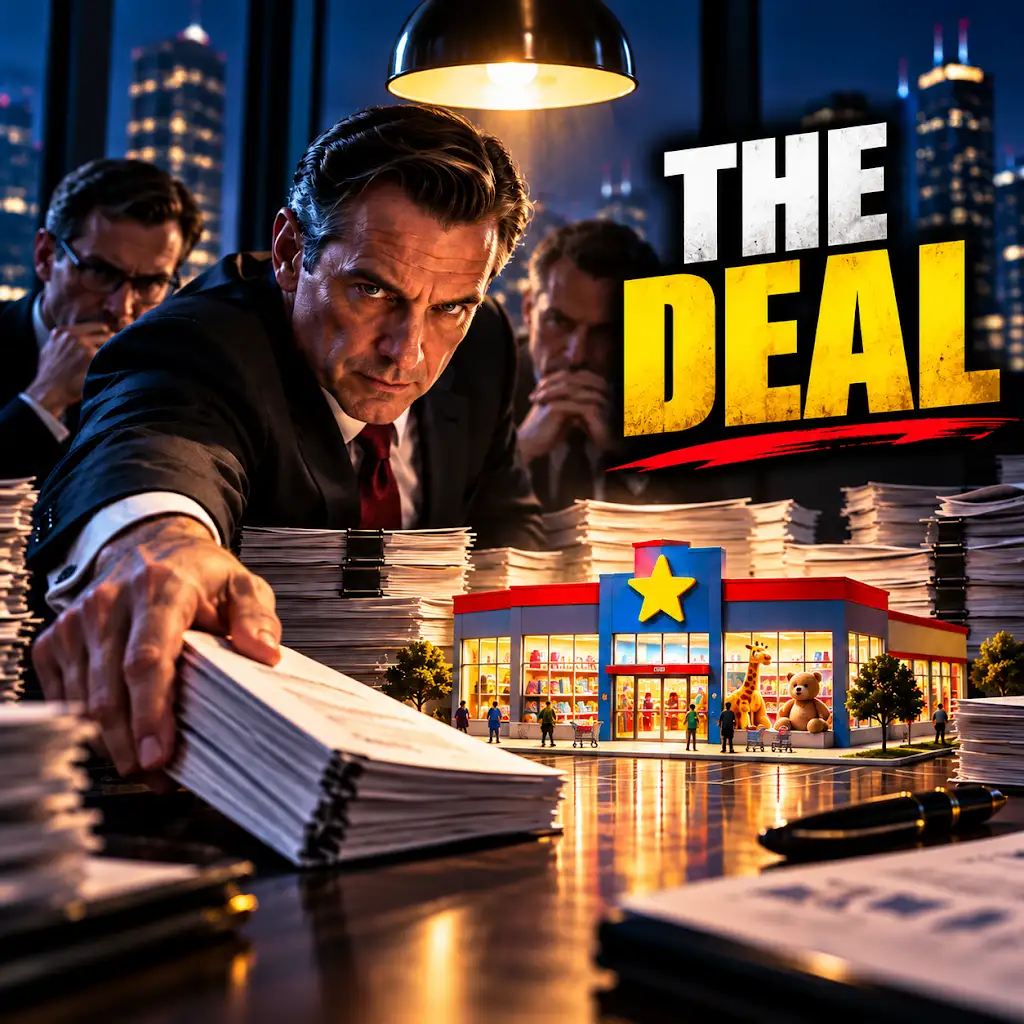
The $6.6 Billion Deal That Left Toys “R” Us Trapped
FAQs
1. What impact did Amazon have on Toys R Us?
Amazon’s rise as an e-commerce giant significantly impacted Toys R Us, as the online retailer offered a wider selection of toys at competitive prices, leading to a decline in foot traffic and sales at Toys R Us stores.
2. How did Toys R Us respond to competition from Amazon?
Toys R Us struggled to adapt to the changing retail landscape and increasing competition from Amazon. The company faced challenges in updating its stores, improving its online presence, and competing with Amazon’s fast delivery options.
3. Did Amazon directly cause Toys R Us to go out of business?
While Amazon’s dominance in the retail industry played a role in Toys R Us’ decline, it was not the sole factor that led to the company’s bankruptcy. Toys R Us faced various challenges, including high debt, changing consumer preferences, and increased competition from other retailers.
4. How did the closure of Toys R Us impact the toy industry?
The closure of Toys R Us had a significant impact on the toy industry, as it left a void in the market for a dedicated toy retailer. Many toy manufacturers and suppliers were affected by the loss of a major distribution channel, leading to changes in the industry’s dynamics.
5. What lessons can be learned from the downfall of Toys R Us in relation to Amazon’s influence?
The downfall of Toys R Us serves as a cautionary tale for retailers about the importance of adapting to changing consumer preferences and evolving retail trends. It highlights the need for businesses to innovate, invest in e-commerce capabilities, and stay competitive in the face of online giants like Amazon.