
You’re staring at the real estate listings, a knot of anxiety tightening in your stomach. The dream of owning a starter home, that stepping stone into the American property ladder, feels increasingly out of reach. For generations, it was a rite of passage, a tangible symbol of independence and the first brick in building a financial future. But something has shifted. The landscape of homeownership has changed dramatically, and for many, the starter home is becoming a relic of the past.
The Shifting Definition of “Starter Home”
What exactly constitutes a starter home? In decades past, it conjured images of modest, perhaps slightly older, bungalows or small single-family houses in developing suburbs or more established, working-class neighborhoods. These were homes that, while perhaps needing some cosmetic work, were fundamentally affordable and functional. They offered a solid foundation, a place to plant roots, and the possibility of future renovations or upgrades as your career and family grew.
What We Used to Mean by “Starter Home”
Think back to your parents’ or grandparents’ stories. They might have bought a small fixer-upper, a row house in a city neighborhood, or a basic ranch-style home on a modest lot. These were places where they could build equity, raise their families, and eventually move on to something larger and more luxurious. The emphasis was on accessibility and a stepping stone, not necessarily the “perfect” home from day one.
How the Market Redefined the Term
Today, the term “starter home” often feels like a misnomer. What is being marketed and sold as a starter home is often significantly smaller, in less desirable locations, or in need of extensive repairs compared to what was available even twenty years ago. The expectations for what a starter home should offer have also crept up, with buyers increasingly seeking modern amenities, updated kitchens, and a certain level of aesthetic appeal, even at the entry level. This has effectively pushed the entry point for homeownership higher and higher.
In recent years, the decline in the construction of starter homes in America has raised concerns about housing affordability and accessibility for first-time buyers. A related article discusses the various factors contributing to this trend, including rising land costs, labor shortages, and changing consumer preferences. For more insights on this pressing issue, you can read the full article here: Why America Stopped Building Starter Homes.
The Economic Forces at Play
Numerous economic factors have converged to make starter homes a scarce commodity and less attainable for the average American. These forces are complex and interconnected, creating a challenging environment for aspiring homeowners.
Rising Housing Prices
The most obvious culprit is the relentless rise in housing prices. Decades of underbuilding, coupled with increased demand, have driven up the cost of real estate across the nation. This isn’t just an issue in major metropolitan areas; even smaller towns and rural communities have seen significant price appreciation.
Supply and Demand Imbalance
The fundamental principle of supply and demand is heavily skewed against buyers. The number of homes being built has not kept pace with population growth and household formation. This scarcity naturally inflates prices. When there are fewer homes available, buyers are forced to compete, often driving up bids and making it harder for those with more limited budgets to secure a property.
Investor Activity
A significant factor exacerbating this imbalance is the influx of institutional investors and other large-scale buyers. These entities can often outbid individual buyers, purchasing properties not for personal occupancy but as investment vehicles. They may rent them out, flip them, or simply hold them, further reducing the available inventory for those looking to buy their first home. This competition from well-capitalized buyers creates an uneven playing field.
Stagnant Wage Growth
While housing prices have soared, wage growth for many Americans has remained relatively stagnant. The cost of living continues to climb, and when incomes don’t keep pace, the ability to save for a down payment and afford mortgage payments diminishes significantly. The gap between what people earn and what homes cost has widened into a chasm for many.
The Impact on Affordability Ratios
The traditional affordability ratio, which compares housing costs to income, has become increasingly unfavorable. What was once considered affordable for a median-income household might now be out of reach. This forces people to either delay homeownership, settle for less desirable properties, or take on unsustainable levels of debt.
The Shrinking Middle Class
The economic pressures have also contributed to the shrinking of the middle class. As the cost of essentials like housing, healthcare, and education rise, many families find themselves struggling to maintain a middle-class lifestyle, let alone accumulate the wealth needed for homeownership.
Increased Construction Costs
The cost of building new homes has also risen dramatically. This includes the price of lumber, labor, and land. These increased costs are passed on to the buyer, making new construction a less viable option for starter homes. Developers are often forced to build larger, more expensive homes to make a profit, further contributing to the scarcity of entry-level housing.
Material Shortages and Supply Chain Issues
Recent years have seen significant disruptions in global supply chains, leading to shortages and price hikes for essential building materials like lumber, steel, and concrete. This volatility makes it difficult for builders to control costs and can delay construction projects.
Labor Shortages in the Construction Industry
The construction industry is also facing a persistent shortage of skilled labor. This not only drives up labor costs but can also lead to project delays and reduced efficiency. Finding qualified workers is a constant challenge for builders.
The Financial Hurdles
Beyond the sheer cost of the homes themselves, several financial barriers make it exceedingly difficult to acquire a starter home. These hurdles require significant savings, good credit, and a clear understanding of the mortgage process.
The Down Payment Challenge
Saving for a down payment is arguably the biggest hurdle for many aspiring first-time homebuyers. While some loan programs allow for lower down payments, the traditional 20% down payment is a substantial sum, especially when coupled with rising home prices. Many young people are burdened with student loan debt, making it even harder to save.
Student Loan Debt Burden
The ever-increasing burden of student loan debt has had a profound impact on millennials and Gen Z. These substantial monthly payments significantly reduce disposable income and make it challenging to save for a down payment. Many potential buyers are forced to choose between servicing their student loans or saving for a home, and often, student loans take precedence.
Rent Burden
Conversely, the high cost of rent in many areas also makes it difficult to save. When a significant portion of your income goes towards rent, there’s little left over for savings, especially when trying to balance other essential expenses. This creates a vicious cycle where renting prevents you from saving to buy.
Mortgage Qualification Requirements
Lenders have tightened their qualification requirements over the years, making it more difficult to secure a mortgage. This includes higher credit score expectations, stricter debt-to-income ratios, and more rigorous income verification.
Credit Score Importance
Your credit score is a critical factor in mortgage approval and interest rates. A lower credit score can mean being denied a mortgage altogether or being offered a loan with a much higher interest rate, significantly increasing the monthly payment. Building a strong credit history takes time and discipline, which can be a challenge for younger individuals.
Debt-to-Income Ratio (DTI)
Lenders assess your debt-to-income ratio to understand your ability to manage additional debt. High DTI ratios, often due to student loans, car payments, or credit card debt, can make it difficult to qualify for a mortgage, even if you have a good income.
The Impact on Aspirations and Lifestyles
The decline of the starter home has far-reaching implications, not just for individuals’ financial well-being but also for their aspirations, family planning, and overall lifestyle.
Delayed Life Milestones
The inability to purchase a starter home is often linked to delays in other significant life milestones. Marriage, starting a family, and even establishing a stable career can be impacted by the uncertainty and financial strain associated with not owning a home.
Relationship and Family Planning
The idea of starting a family often goes hand-in-hand with the stability and space that a home can provide. When this becomes unattainable, couples may delay marriage or having children, impacting their personal timelines and societal demographic trends.
Career Mobility and Location Independence
Owning a home can sometimes tie individuals to a particular location, impacting their career mobility. However, the current market also hinders those who might want to move for better job opportunities, as the cost of entry into a new housing market might be prohibitive. This can lead to a feeling of being “stuck.”
The Rise of Renting as a Permanent Lifestyle
For a growing segment of the population, renting is no longer a temporary phase but a long-term or even permanent lifestyle choice. This shift has implications for individual wealth building and the broader economy.
The “Rentership” Society
The term “rentership” society is increasingly being used to describe this phenomenon. While renting offers flexibility, it doesn’t offer the same opportunities for wealth accumulation through property appreciation or the tax benefits associated with homeownership.
Impact on Retirement Savings
The lack of home equity can have a significant impact on retirement savings. For many, their home is a major asset that provides financial security in their later years. Without this asset, individuals may need to rely more heavily on other forms of savings, which may be less robust.
Generational Wealth Gap
The declining accessibility of starter homes is a significant contributor to the widening generational wealth gap. Those who were able to purchase homes in earlier decades have benefited from decades of appreciation, building substantial equity. Newer generations are entering a market where that same opportunity is significantly diminished.
The Loss of a Key Wealth-Building Tool
For generations, homeownership has been a primary vehicle for building wealth. The inability to access this tool means that younger generations are starting their financial lives at a significant disadvantage, making it harder to catch up.
The Cycle of Disadvantage
This can create a cycle of disadvantage, where those who cannot afford to buy homes struggle to build wealth, making it even harder for their children to achieve homeownership. This perpetuates economic inequality across generations.
The decline in the construction of starter homes in America has been a topic of concern for many, as it impacts affordability and accessibility for first-time buyers. A related article discusses the various economic factors contributing to this trend, including rising land costs and labor shortages. For a deeper understanding of how these issues affect the housing market, you can read more in this insightful piece about wealth growth and homeownership. Check it out here.
Potential Solutions and the Future of Starter Homes
While the outlook might seem bleak, there are potential solutions and evolving trends that could reshape the future of starter homes. Addressing this complex issue requires a multi-faceted approach involving government policy, developer innovation, and community initiatives.
Policy Interventions and Incentives
Government intervention can play a crucial role in making starter homes more accessible. This could involve a range of policies aimed at increasing supply, reducing costs, and providing financial assistance to buyers.
Affordable Housing Initiatives
Federal, state, and local governments can implement and expand affordable housing programs. This could include zoning reforms to encourage the construction of smaller, more affordable units, as well as incentives for developers to build starter homes. Subsidies for first-time homebuyers, such as down payment assistance grants or low-interest loan programs, can also make a significant difference.
Tax Incentives for Developers
Offering tax breaks or other financial incentives to developers who focus on building entry-level housing can encourage them to prioritize starter homes. This could help offset some of the increased construction costs they face.
Rent-to-Own Programs and Shared Equity Models
Exploring innovative housing models like rent-to-own programs or shared equity initiatives can provide alternative pathways to homeownership. These programs allow individuals to build equity while renting and can reduce the upfront financial burden.
Innovative Construction and Design
The construction industry itself is evolving, with new technologies and design approaches that could lead to more affordable housing options.
Modular and Prefabricated Housing
Modular and prefabricated housing offers the potential for faster construction times and reduced costs. These methods can be particularly effective for building standardized, efficient starter homes.
Smaller Footprint and Efficient Design
Embracing smaller, more efficient home designs can significantly reduce construction costs and ongoing utility expenses. This could mean a shift back to more compact living spaces that are still functional and comfortable.
Sustainable and Cost-Effective Materials
Research and development into more sustainable and cost-effective building materials can also contribute to lowering the overall cost of starter homes.
Community and Local Solutions
Local communities can also be instrumental in addressing the starter home crisis. This involves creative land use, community land trusts, and local partnerships.
Community Land Trusts
Community land trusts are non-profit organizations that acquire land and hold it in trust for the benefit of the community. They can then develop affordable housing on this land, ensuring long-term affordability for buyers.
Zoning Reforms and Accessory Dwelling Units (ADUs)
Reforming restrictive zoning laws to allow for higher density development and the creation of accessory dwelling units (ADUs), such as backyard cottages or basement apartments, can increase the supply of smaller, more affordable housing options within existing neighborhoods.
The dream of homeownership, once a seemingly guaranteed path for many Americans, is increasingly becoming a privilege rather than a right. The decline of starter homes is not just an economic issue; it’s a societal one, impacting aspirations, families, and the very fabric of generational wealth. As you navigate this challenging landscape, remember that understanding these factors is the first step. The conversation about solutions is ongoing, and while the path ahead may be steep, the pursuit of accessible homeownership remains a vital cornerstone of the American dream, and one that requires continued effort and innovation to reclaim.

The $80,000 House You’re Not Allowed to Put Anywhere
FAQs
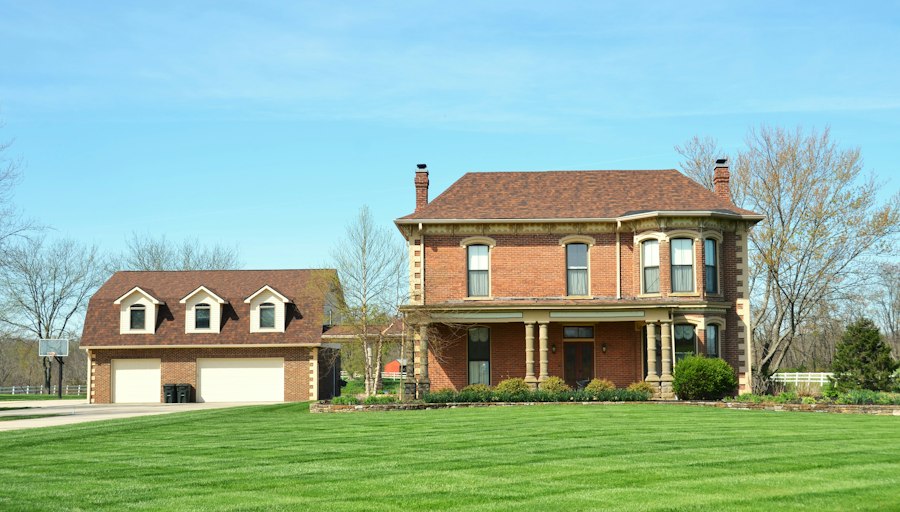
1. Why did America stop building starter homes?
Starter homes have become less profitable for builders due to rising land and construction costs, making it more lucrative to focus on higher-end homes.
2. How has the shift away from starter homes impacted the housing market?
The decrease in starter home construction has contributed to a shortage of affordable housing options, making it more difficult for first-time homebuyers to enter the market.
3. What are some factors contributing to the rising costs of building starter homes?
Factors such as increasing land prices, labor shortages, regulatory hurdles, and the rising cost of materials have all played a role in making starter home construction less feasible for builders.
4. Are there any initiatives or solutions being proposed to address the lack of starter homes?
Some cities and organizations are exploring options such as incentivizing builders to construct more affordable housing, relaxing zoning regulations, and providing financial assistance to first-time homebuyers.
5. How does the lack of starter homes impact the overall economy?
The lack of affordable housing options can hinder economic growth by limiting mobility for workers, reducing homeownership rates, and exacerbating income inequality.