
The acquisition of Toys R Us by private equity firms in 2005, a transaction often dubbed “The Deal that Doomed Toys R Us,” represents a stark cautionary tale in the world of corporate finance and retail. It’s a narrative woven with ambition, miscalculation, and ultimately, tragedy for a beloved brand that once dominated the toy market. This wasn’t a simple business transaction; it was a financial maneuver that, in hindsight, sowed the seeds of destruction for a company that had, for decades, been synonymous with childhood joy and wonder. The story is not just about bankruptcy; it’s about how financial engineering, detached from the realities of market dynamics and brand equity, can have devastating consequences.
Toys R Us, for generations, was the undisputed king of the toy kingdom. Its cavernous stores, with their aisles brimming with every conceivable toy, were pilgrimage sites for children and parents alike. However, by the early 2000s, the retail landscape was shifting. The rise of big-box retailers like Walmart and Target, with their ability to leverage economies of scale and offer a broader range of products, began to chip away at Toys R Us’s market share. Simultaneously, the internet was emerging as a significant shopping channel, an area where Toys R Us was not as agile as some of its competitors. The company, burdened by its extensive brick-and-mortar footprint and facing increased competition, found itself in a precarious position. It was in this environment of growing pressure and a perceived need for a fundamental restructuring that the idea of a private equity buyout began to take shape. The goal, as often is the case with private equity, was to unlock value, streamline operations, and ultimately, achieve a profitable exit. However, the path chosen proved to be a fatal one.
Shifting Retail Tides
The retail environment of the early 2000s was a stark departure from the halcyon days of Toys R Us’s dominance. The rise of mass merchandisers, offering toys as a loss leader to drive traffic for other departments, presented a formidable challenge. These stores, with their vast square footage and diversified product offerings, could afford to absorb lower margins on toys, a strategy Toys R Us, as a specialized retailer, struggled to counter.
The Walmart and Target Effect
Walmart and Target, in particular, leveraged their immense purchasing power to secure lower prices from toy manufacturers. This allowed them to undercut Toys R Us, making them an increasingly attractive option for budget-conscious families. The convenience of purchasing toys alongside groceries and other household essentials also contributed to their growing market share.
The Dawn of E-commerce
The internet, a nascent but rapidly growing force, offered a new avenue for consumers to shop. While Toys R Us had an online presence, it lacked the technological sophistication and user experience of emerging e-commerce players. Competitors like Amazon began to make inroads, offering a wider selection and competitive pricing, further eroding Toys R Us’s traditional customer base.
A Company Seeking Salvation
Faced with these mounting challenges, Toys R Us’s management and board began to explore various strategic options. Divesting parts of the business, seeking new investment, or even considering a sale were all on the table. The company was perceived as undervalued by many on Wall Street, and the potential existed for a private equity firm to acquire it, make significant operational improvements, and then sell it for a profit. This was the typical playbook for private equity, and Toys R Us appeared to be a prime candidate for such a transformation.
The downfall of Toys “R” Us serves as a cautionary tale about the impact of financial mismanagement and changing consumer habits in the retail industry. A related article that delves deeper into the factors that contributed to this iconic toy retailer’s demise can be found at this link. It explores how the burden of debt and the rise of e-commerce played pivotal roles in the company’s struggles, ultimately leading to its closure.
The Private Equity Bid: A Siren Song of Value
The appeal of a private equity buyout for Toys R Us stemmed from the perceived potential to unlock hidden value. Private equity firms, armed with capital and a mandate for aggressive cost-cutting and operational efficiency, saw an opportunity to restructure the company, shed underperforming assets, and ultimately, achieve a lucrative return on their investment. The deal was structured as a leveraged buyout (LBO), meaning a significant portion of the purchase price was financed with debt. This strategy, while potentially amplifying returns, also significantly increased the financial risk.
The Consortium of Buyers
The acquisition was orchestrated by a consortium of three prominent private equity firms: Bain Capital, KKR, and Vornado Realty Trust. Each brought its own expertise and capital to the table, united by the prospect of revitalizing a retail icon and profiting from its eventual sale. The sheer financial firepower of these entities lent credibility to the bid and signaled a serious intent to acquire the company.
Bain Capital’s Vision
Bain Capital, known for its operational expertise and ability to turn around struggling companies, was a key player. Their track record in the retail sector suggested they believed they could implement the necessary changes to make Toys R Us profitable again.
KKR’s Strategic Acumen
KKR, another titan of private equity, brought its extensive experience in large-scale acquisitions and financial restructuring. Their involvement signaled a belief in the long-term potential of the Toys R Us brand, despite its current challenges.
Vornado Realty Trust’s Real Estate Play
Vornado Realty Trust, a real estate investment trust, primarily focused on the real estate holdings of Toys R Us. The company owned many of its prime retail locations, making them valuable assets that could be monetized.
The Leveraged Buyout Structure
The deal was structured as a leveraged buyout (LBO), a common but inherently risky financing method. This meant that a substantial portion of the acquisition price was funded by debt, with the company’s own assets and future cash flows used as collateral. The goal was to use the company’s earnings to pay down this debt, thereby increasing the equity value for the investors.
The Burden of Debt
The massive debt load taken on by Toys R Us as part of the LBO was a critical factor in its eventual downfall. The annual interest payments alone represented a significant drain on the company’s resources, diverting capital that could have been used for modernization, marketing, or improving the customer experience.
The Quest for Profit Maximization
Private equity firms, by their nature, are driven by maximizing returns for their investors. In the case of Toys R Us, this often translated into aggressive cost-cutting measures, which, while potentially improving short-term profitability, could also undermine the long-term health of the brand and its customer loyalty.
The Years of Financial Strain: Debt Takes Its Toll
Following the 2005 acquisition, Toys R Us entered a period of intense financial pressure. The debt incurred during the LBO became an ever-present burden, dictating many of the company’s strategic decisions. Instead of investing in innovation, store upgrades, or a robust e-commerce platform, a significant portion of the company’s cash flow was channeled towards servicing its debt obligations. This created a vicious cycle, where the inability to invest led to a decline in competitiveness, which in turn, hampered the company’s ability to generate the revenue needed to pay down its debt.
The Weight of Interest Payments
The annual interest payments on the substantial debt were enormous. These payments acted as a constant drag on the company’s profitability, leaving little room for essential investments in areas critical for survival in the evolving retail landscape. Every dollar spent on interest was a dollar not spent on improving the customer experience or adapting to new market trends.
Diverting Capital from Innovation
The need to service debt meant that resources were diverted away from crucial areas like e-commerce development, in-store technology upgrades, and innovative marketing campaigns. This left Toys R Us technologically and experientially behind its competitors, further alienating customers.
Impact on Operational Flexibility
The debt also severely curtailed Toys R Us’s operational flexibility. It limited its ability to respond to market changes, invest in new product lines, or even afford necessary repairs and renovations for its aging stores. The company was perpetually constrained by its financial obligations.
Cost-Cutting Measures and Their Consequences
In an attempt to generate more cash to meet its debt obligations, Toys R Us implemented a series of cost-cutting measures. While some of these might have been necessary for efficiency, others had a detrimental impact on the customer experience and the overall health of the brand.
Diminished Store Experience
Investment in store maintenance and the overall shopping experience declined. This led to a less inviting atmosphere, making it harder to attract and retain customers who had growing expectations for a modern retail environment.
Reduced Staffing and Customer Service
Staffing levels were often reduced, leading to longer wait times, less knowledgeable employees, and a generally poorer level of customer service. This was a significant departure from the helpful and engaging experience that had once characterized Toys R Us.
Limited Product Assortment
In some cases, cost-cutting extended to reducing the breadth and depth of product offerings, making it less likely that customers would find exactly what they were looking for in a single visit.
The Evolving Retail Landscape: A Storm Toys R Us Couldn’t Weather
While the debt burden was a significant factor, it is crucial to acknowledge that Toys R Us was also battling against fundamental shifts in the retail industry. The rise of online shopping, the increasing power of discounters, and changing consumer preferences all created a challenging environment that the heavily indebted company was ill-equipped to navigate. The private equity firms’ focus on financial engineering and cost reduction, while perhaps intended to create a more efficient company, failed to address these deeper market forces effectively.
The Digital Revolution
The internet transformed how consumers shopped. Amazon, with its vast selection, competitive pricing, and convenient delivery, became a formidable competitor. Toys R Us’s online presence lagged significantly behind, failing to offer a comparable or compelling alternative to its physical stores.
Amazon’s Ascent
Amazon’s relentless growth and customer-centric approach set a new standard for online retail. Its ability to offer a massive catalog and deliver products quickly made it an increasingly attractive option for consumers seeking convenience and choice.
Toys R Us’s Lagging E-commerce
Toys R Us’s e-commerce platform was often described as clunky and outdated. It struggled to compete with the user experience, selection, and delivery speed offered by its online rivals, leading to a significant loss of market share.
The Discount Retailers’ Dominance
The growth of discount retailers, offering a wide array of products at consistently low prices, also put immense pressure on Toys R Us. These stores often sold toys as a secondary category, using them to drive traffic, while Toys R Us remained a specialty retailer with higher overheads.
Everyday Low Prices
Retailers like Walmart and Target leveraged their scale to offer everyday low prices on a wide range of products, including toys. This made it difficult for Toys R Us to compete on price, especially when factoring in its specialized business model.
Shifting Consumer Habits
Consumers, empowered by price comparison tools and a wider range of shopping options, became more price-sensitive. They were no longer solely loyal to the toy-specific experience of Toys R Us, especially when they could find similar or better deals elsewhere.
The rise and fall of Toys “R” Us serves as a cautionary tale for many retailers navigating the complexities of modern commerce. Factors such as increased competition from online giants and changing consumer preferences played significant roles in the company’s decline. For a deeper understanding of the financial dynamics that led to this iconic brand’s demise, you can explore a related article that discusses the broader implications of retail strategies and market trends. This insightful piece can be found here, shedding light on the lessons learned from the Toys “R” Us saga.
The Inevitable Decline and Bankruptcy: A Tragic End
| Metric | Value | Description |
|---|---|---|
| Year of Deal | 2005 | Year when the leveraged buyout (LBO) of Toys “R” Us was completed |
| Buyout Amount | 6.6 billion | Approximate value of the LBO deal led by private equity firms |
| Debt Load Post-Deal | 5 billion | Amount of debt Toys “R” Us had to service after the buyout |
| Annual Interest Payments | 400 million | Estimated yearly interest expense due to the leveraged debt |
| Bankruptcy Filing | 2017 | Year Toys “R” Us filed for Chapter 11 bankruptcy protection |
| Store Closures | 800+ | Number of stores closed during bankruptcy and liquidation |
| Private Equity Firms Involved | 3 | Number of major firms: Bain Capital, KKR, and Vornado Realty Trust |
| Impact on Employees | 33,000 jobs lost | Estimated number of employees affected by closures |
The confluence of crippling debt, an inability to adapt to changing retail dynamics, and a diminished in-store experience ultimately led to Toys R Us’s downfall. Despite attempts to restructure and recapitalize, the company’s financial situation became untenable. The once-mighty toy retailer, a symbol of childhood joy for generations, finally succumbed to the pressures of its leveraged buyout and the relentless march of retail evolution. The final years were marked by store closures, a loss of brand relevance, and a desperate struggle for survival that ultimately ended in bankruptcy.
The Final Chapter
As the years wore on, the financial strain became too much to bear. Despite various attempts at restructuring and asset sales, the company’s debt load remained an insurmountable obstacle. The inability to invest in modernization and compete effectively in the digital age sealed its fate.
Store Closures and Mass Layoffs
The company began a significant program of store closures, impacting thousands of employees and leaving communities without their beloved toy store. These closures were a visible sign of the company’s terminal decline.
The Loss of Brand Magic
The magic that once defined Toys R Us began to fade. The stores became less vibrant, the selection less exciting, and the overall experience no longer held the same appeal for children and parents.
The Insolvent Empire
In 2017 and 2018, the inevitable happened. Toys R Us filed for bankruptcy in both the United States and the United Kingdom, leading to the closure of all its stores and the liquidation of its remaining assets. This marked the end of an era.
The Global Collapse
The bankruptcies were not confined to a single market. The company’s struggles were global, and the closures of its stores across multiple countries signified the complete demise of the retail giant.
The Legacy of “The Deal”
The story of Toys R Us serves as a potent reminder of the risks associated with leveraged buyouts. While private equity can be a tool for corporate restructuring, when misapplied, as in this case, it can lead to the destruction of otherwise valuable brands and the loss of countless jobs. The deal that was intended to revitalize Toys R Us ultimately proved to be its undoing, a stark testament to the power of financial engineering when divorced from sound business strategy and a deep understanding of market realities. The “deal that doomed Toys R Us” is etched in business history as a cautionary tale, a reminder that financial success cannot always be engineered at the expense of operational health and brand vitality.
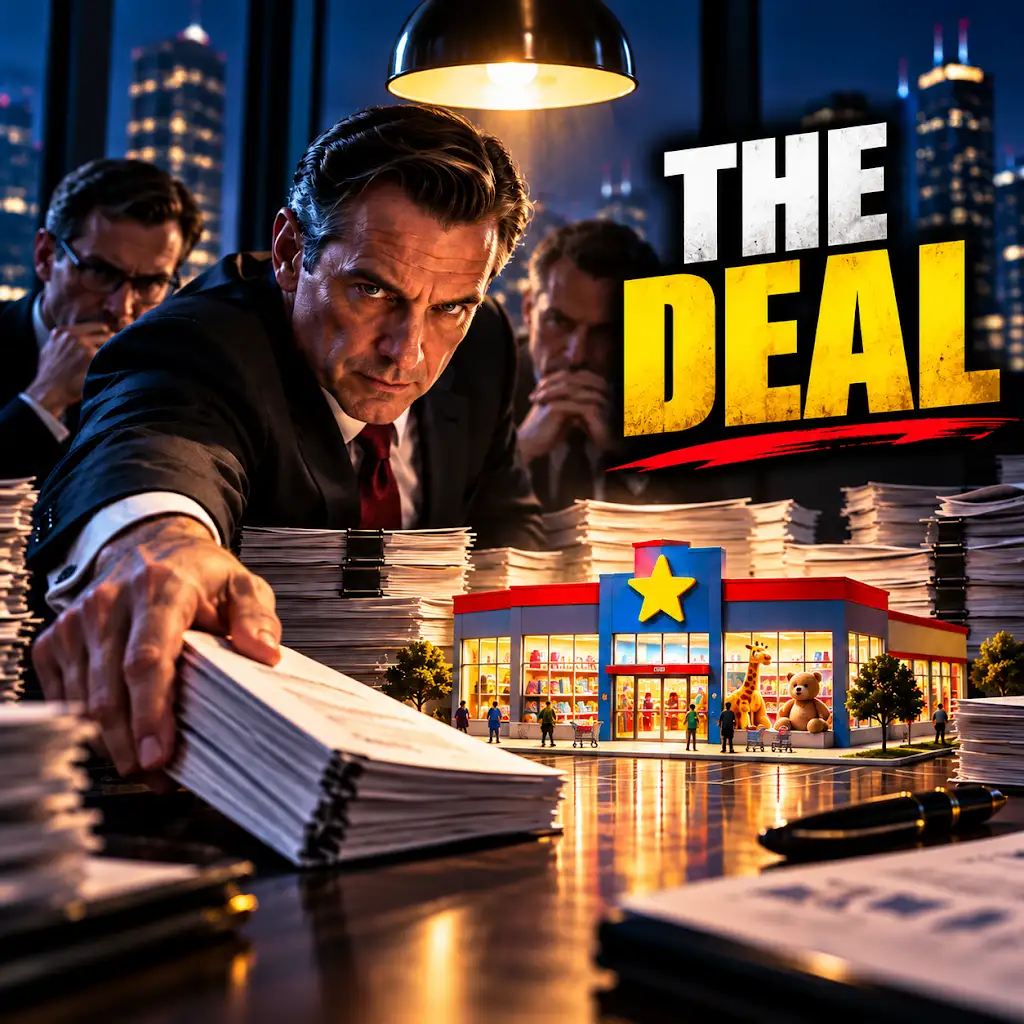
The $6.6 Billion Deal That Left Toys “R” Us Trapped
FAQs
1. What was the deal that led to the downfall of Toys R Us?
The deal that ultimately led to the downfall of Toys R Us was a leveraged buyout in 2005. The company was acquired by a group of private equity firms, which burdened Toys R Us with a significant amount of debt.
2. How did the leveraged buyout impact Toys R Us?
The leveraged buyout saddled Toys R Us with billions of dollars in debt, which put a strain on the company’s finances. This debt load made it difficult for Toys R Us to invest in its stores, e-commerce capabilities, and compete effectively with other retailers.
3. What were the consequences of the deal for Toys R Us?
As a result of the leveraged buyout, Toys R Us struggled to keep up with changing consumer preferences and increasing competition from online retailers like Amazon. The company eventually filed for bankruptcy in 2017 and closed all of its U.S. stores in 2018.
4. Who were the key players involved in the deal that destroyed Toys R Us?
The key players involved in the leveraged buyout of Toys R Us in 2005 were private equity firms Bain Capital, KKR & Co., and Vornado Realty Trust. These firms acquired Toys R Us for $6.6 billion, with a significant portion of the purchase price financed through debt.
5. What lessons can be learned from the downfall of Toys R Us?
The downfall of Toys R Us serves as a cautionary tale about the risks of taking on excessive debt in leveraged buyouts. It also highlights the importance of adapting to changing consumer trends and investing in innovation to stay competitive in the retail industry.