The allure of more space, that dream of a sprawling master suite, a dedicated home office, or a playroom where toys can truly roam, is a powerful one. You’ve likely pictured yourself in photos, bathed in the sunlight streaming through larger windows, the scent of fresh paint still hanging in the air. But before you fall too deeply in love with that extra square footage, let’s have a frank conversation about the true cost of upsizing. It’s a journey that can quickly spiral beyond your initial budget, a financial marathon where the finish line keeps getting further away.
You’re probably already aware that a larger home commands a larger price tag, and consequently, a heftier down payment. But the impact of this initial financial hurdle is far more profound than simply a bigger number. Think about the savings you’ve meticulously accumulated. Was it for a comfortable 20% on your current home, a figure that felt manageable? Now, that same percentage on a significantly more expensive property can feel astronomical, pushing it beyond your immediate reach.
The Impact on Your Existing Equity: A Double-Edged Sword
Selling your current home is a crucial step in the upsizing process, and your equity is your golden ticket. However, the higher price of your new home means that even a substantial amount of equity might not cover the full down payment you desire. This can lead to difficult decisions. Do you deplete all your savings, leaving you with little financial buffer, or do you consider a smaller down payment and face higher monthly mortgage payments and potentially private mortgage insurance (PMI)?
The Trade-off: Upfront Savings vs. Future Flexibility
Committing a large chunk of your savings to a down payment means sacrificing that money for other immediate needs or future financial goals. This could be replenishing your emergency fund, investing for retirement, or even setting aside funds for your children’s education. Upsizing might feel like a step forward, but if it cripples your immediate financial flexibility, it can feel like taking two steps back in other crucial areas of your life.
The Psychological Toll of a Larger Loan: The Weight of Debt
Beyond the purely financial aspect, there’s the psychological weight of taking on a significantly larger mortgage. The monthly payments will undoubtedly be higher, and this can create a sense of ongoing pressure. You might find yourself more hesitant to spend on discretionary items, always mindful of the large debt you’re carrying. This can impact your lifestyle and your overall sense of financial freedom, even if you can technically afford the payments.
When considering the financial implications of purchasing a larger home, it’s essential to understand that the costs extend beyond just the mortgage payment. An insightful article that delves into this topic is available at this link. It highlights how larger houses often come with increased property taxes, higher utility bills, and greater maintenance expenses, all of which can significantly impact your overall budget. Understanding these factors can help potential buyers make more informed decisions about their housing investments.
The Mortgage Maze: Interest and Premiums Add Up
The headline number of your mortgage is just the tip of the iceberg. The true cost is amplified by the interest paid over the life of the loan and the potential for higher interest rates on larger loan amounts. This is where the subtle but significant financial drain begins to accumulate.
The Compounding Effect of Interest: A Silent Killer of Wealth
Every dollar you pay in interest on your mortgage is a dollar that doesn’t go towards building your equity or anything else. On a larger loan, the amount of interest paid over 15, 20, or even 30 years can be staggering. Imagine the difference between paying 5% interest on a \$300,000 loan versus 5% interest on a \$600,000 loan. That difference, compounded over decades, translates into tens of thousands, if not hundreds of thousands, of dollars in extra payments. You’re essentially paying a premium for those extra rooms and that larger yard, directly out of your pocket over time.
Interest Rate Sensitivity: The Peril of a Shifting Market
Lenders often assess risk when determining interest rates. A larger loan amount can sometimes be perceived as a higher risk, potentially leading to a slightly higher interest rate compared to a smaller loan. While this difference might seem negligible initially, remember the compounding effect. Even a quarter or a half a percentage point on a substantial loan can add significantly to your monthly payments and the total interest paid over the loan’s term. You might be chasing that bigger house only to find yourself paying more for the privilege, just as the market shifts.
The Hidden Costs of Loan Origination and Fees: Beyond the Sticker Price
Beyond the interest rate, there are other lender-related costs associated with securing a mortgage. Loan origination fees, appraisal fees, title insurance, and other administrative charges can add a considerable sum to your closing costs. These expenses are often a percentage of the loan amount, meaning that a larger mortgage will inevitably incur higher fees. It’s another layer of cost that can easily be overlooked in the excitement of finding your dream home.
Increased Property Taxes and Insurance: A Permanent Hike in Your Expenses
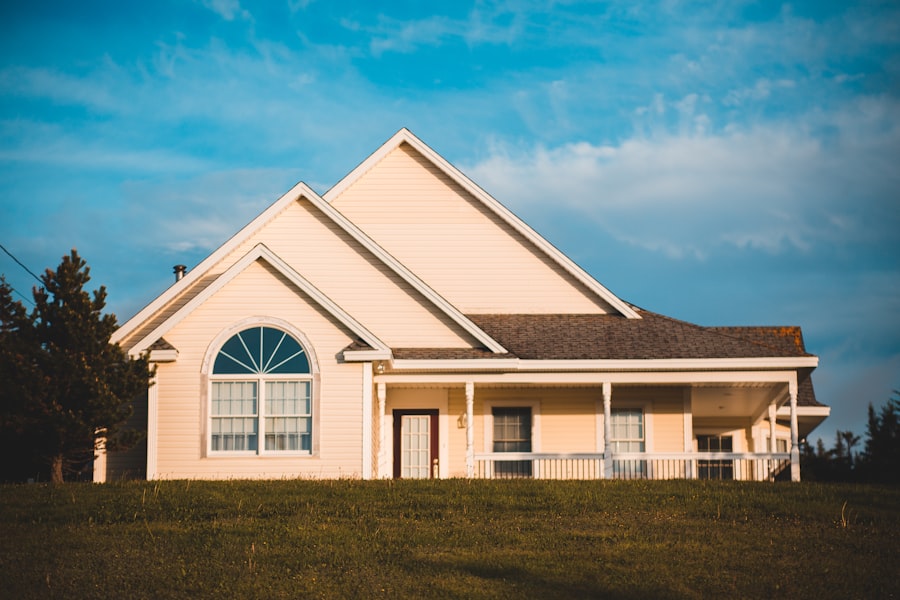
Owning a larger, more expensive home means a permanent increase in your recurring property taxes and homeowner’s insurance premiums. These aren’t one-time costs; they are ongoing obligations that will be with you for as long as you own the property. This is perhaps the most predictable and enduring consequence of upsizing.
Property Tax Escalation: The Local Government’s Share
Your property taxes are typically calculated as a percentage of your home’s assessed value. A bigger house, often with more amenities and situated in a desirable area, will naturally have a higher assessed value. This directly translates into higher annual property tax bills. These taxes are crucial for funding local services like schools, roads, and emergency services, but they represent a significant and ongoing out-of-pocket expense that you must factor into your monthly budget. Failing to account for this can quickly lead to financial strain.
Homeowner’s Insurance: Protecting More Assets, Paying More Premiums
Homeowner’s insurance is designed to protect your investment from damage or loss. When you have a larger, more valuable home, the cost to rebuild or repair it if disaster strikes is also higher. Consequently, your insurance premiums will increase to cover this greater potential payout. This is a necessary expense for peace of mind, but it’s another predictable cost that adds to the overall expense of a bigger house. You’re insuring more.
The Ripple Effect: Higher Costs for Other Home-Related Services
Beyond property taxes and insurance, consider other services that often scale with the size and value of your home. Think about HVAC maintenance, pest control, landscaping services, and even utility bills. A larger home generally requires more energy to heat and cool, leading to higher utility costs. More square footage can mean more areas to maintain, potentially necessitating professional services that you might not have needed in a smaller dwelling. Your monthly budget needs to accommodate this cascade of increased expenses.
Utilities and Maintenance: The Ongoing Operational Costs of More Space
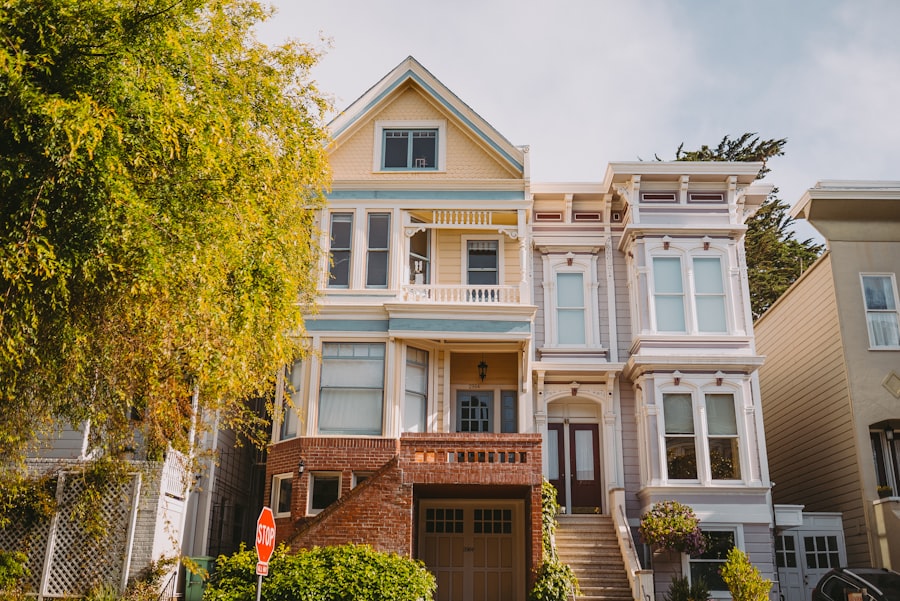
The physical space of a larger home comes with its own set of escalating operational costs. These are the day-to-day expenses of keeping your larger dwelling habitable and functional, and they can be surprisingly substantial.
Energy Consumption: Heating and Cooling a Larger Footprint
A bigger house means more windows, more walls, and more air to heat and cool. Your HVAC system will have to work harder and longer to maintain a comfortable temperature, leading to noticeably higher electricity or gas bills. In the summer, that large living room might become an energy hog, and in the winter, keeping the entire house warm can be a constant battle. You might find yourself strategizing about which rooms to heat or cool, or investing in more energy-efficient appliances and insulation, which are further upfront costs.
Increased Maintenance and Repairs: More to Fix, More to Spend
Every home requires maintenance and occasional repairs, but with a larger home, the scope and cost of these tasks often increase. More bathrooms mean more plumbing to worry about. Larger roofs can be more expensive to repair or replace. Extensive landscaping may require professional upkeep. The more square footage you have, the more potential there is for things to go wrong, and the more expensive those fixes will be. You’re not just buying extra rooms; you’re buying more potential problems.
The Cost of Furnishing and Decorating: Filling the Void
As you move into a larger house, you’ll likely notice empty spaces that need filling. This isn’t just about a sofa for the bigger living room; it’s about more bedrooms to furnish, more wall space to decorate, and potentially larger furniture to accommodate the scale of your new home. The cost of acquiring furniture, decor, and even basic necessities like window treatments can be a significant and often underestimated expense. You might find yourself slowly accumulating items, but the total cost can quickly add up, stretching your budget thin.
When considering the financial implications of purchasing a larger home, it’s essential to understand that the costs extend beyond just the price tag. Factors such as increased property taxes, higher utility bills, and more substantial maintenance expenses can significantly impact your budget. For a deeper dive into the financial aspects of home buying, you can explore this insightful article on wealth management at How Wealth Grows, which discusses various considerations that come into play when making such a significant investment.
The Hidden Opportunity Costs: What You Give Up When You Upsize
| Reason | Explanation |
|---|---|
| Increased square footage | More space means more materials and labor required for construction, leading to higher costs. |
| Additional rooms | Each additional room adds to the overall size of the house, increasing the cost of construction and maintenance. |
| Higher property taxes | A larger house typically has a higher assessed value, resulting in higher property taxes. |
| More maintenance | With a bigger house, there is more surface area to maintain, more rooms to clean, and more systems to upkeep. |
| Increased utility costs | More square footage means more space to heat, cool, and light, leading to higher utility bills. |
Beyond the direct financial drains, upsizing also comes with significant opportunity costs. These are the things you forgo or delay because you’ve committed such a large portion of your financial resources to your larger home.
Reduced Savings and Investment Potential: The Trade-off for Space
As we’ve discussed, a larger down payment and higher monthly mortgage payments can severely limit your ability to save and invest. That money that could have been fueling your retirement accounts or building your investment portfolio is now tied up in bricks and mortar. This can significantly impact your long-term financial security and delay your achievement of other important financial goals. You’re choosing immediate space over future wealth accumulation.
Limited Discretionary Spending: The Scarcity of ‘Fun Money’
With higher mortgage payments, property taxes, insurance, and utility bills, your disposable income will likely shrink. This means less money for vacations, dining out, hobbies, or other activities that bring joy and enrich your life. The dream of that bigger home might come at the cost of experiencing other rewarding aspects of life. You might find yourself saying “no” to experiences you once enjoyed, all because of the financial demands of your larger dwelling.
The Risk of Over-Extension: A Fragile Financial Foundation
Upsizing too aggressively can leave you financially vulnerable. If you experience an unexpected job loss, a medical emergency, or a significant increase in your living expenses, those higher mortgage payments can become a crushing burden. You might be living in a beautiful, spacious home, but if your financial foundation is shaky, the pressure can be immense and lead to serious stress. The perceived luxury of more space can quickly turn into a source of anxiety.
In conclusion, while the dream of a larger home is undeniably appealing, it’s crucial to approach the decision with a clear understanding of the multifaceted costs involved. The down payment dilemma, the escalating mortgage expenses, the permanent increase in property taxes and insurance, the ongoing utility and maintenance burdens, and the significant opportunity costs all combine to make upsizing a substantial financial undertaking. Before you sign on the dotted line, crunch the numbers meticulously, consider your long-term financial goals, and ensure that the added space truly justifies the considerable cost. Your future financial well-being might just depend on it.

Why Success Feels So Expensive
FAQs
1. Why does buying a bigger house cost more?
Buying a bigger house costs more because the price of a home is typically based on its size, location, and amenities. Larger homes generally have higher price tags due to the increased square footage and potential for more bedrooms, bathrooms, and living spaces.
2. What additional costs come with buying a bigger house?
In addition to the higher purchase price, buying a bigger house can come with increased property taxes, higher utility bills, and more maintenance and upkeep expenses. Larger homes may also require more furniture and decor to fill the space, adding to the overall cost.
3. How does a bigger house impact monthly expenses?
A bigger house can impact monthly expenses in several ways. Larger homes typically have higher mortgage payments, increased utility costs, and higher property taxes. Additionally, maintenance and repair costs may be higher for a bigger house compared to a smaller one.
4. What are the long-term financial implications of buying a bigger house?
Buying a bigger house can have long-term financial implications, including a larger mortgage debt, higher property taxes, and increased maintenance and utility costs. It’s important to consider these factors when determining the affordability of a larger home and its impact on long-term financial goals.
5. Are there any benefits to buying a bigger house?
While buying a bigger house may come with higher costs, it can also offer benefits such as more living space, potential for increased property value over time, and the ability to accommodate a growing family or changing lifestyle needs. However, it’s important to carefully weigh the benefits against the additional expenses before making a decision.