
You’ve always dreamed of it. That gleaming, sculpted masterpiece of automotive engineering. The scent of premium leather, the hum of a powerful engine, the envy radiating from every passing glance. You envision yourself gliding through city streets or cruising down open highways, the epitome of success and sophistication. This isn’t just a car; it’s a statement, a reward, a tangible manifestation of your hard-earned achievements. But as you stand there, contemplating the sticker price, you begin to realize that the allure of a luxury car extends far beyond the initial purchase. You’re not just buying metal and leather; you’re signing up for a lifestyle, a commitment that ripples through various aspects of your finances and daily existence.
The most immediate and obvious cost is, of course, the purchase price itself. Luxury vehicles don’t just occupy a higher tier; they occupy a different stratosphere. You’re not looking at tens of thousands; you’re often looking at hundreds of thousands, and for some, even millions of dollars. This initial outlay is a significant financial undertaking, demanding careful consideration of your budget and financial goals.
The Down Payment Dilemma
For many, the decision to purchase a luxury car hinges on the size of the down payment. While some might have the full amount readily available, others will need to secure financing. A substantial down payment is often crucial to reduce monthly payments and interest paid over the life of the loan. This means diverting a significant portion of your savings, potentially impacting other investment opportunities or emergency funds. You have to ask yourself: is this down payment a wise allocation of your capital, or is it a drain on resources that could be generating returns elsewhere?
Financing Follies: Interest and Loan Terms
If you opt for financing, the interest rates and loan terms become paramount. Luxury car loans, like any other, accrue interest. Over several years, this interest can add a considerable sum to the total cost of ownership. You’ll need to diligently compare offers from different lenders, understanding the implications of varying APRs and repayment periods. A longer loan term might make monthly payments more manageable, but you’ll ultimately pay more in interest. Conversely, a shorter term means higher monthly payments, which can strain your cash flow.
Depreciation: The Silent Killer of Value
One of the most significant, yet often overlooked, costs of luxury car ownership is depreciation. These vehicles are designed with cutting-edge technology and exquisite materials, but their value tends to plummet rapidly in the initial years. The moment you drive that brand-new, multi-hundred-thousand-dollar car off the lot, its value has already diminished. This rapid depreciation means that if you ever need to sell the car, you’ll likely recoup a fraction of your initial investment. This isn’t a cost you pay out of pocket directly, but it’s a substantial financial reality that impacts your net worth.
The First Year Plunge
The steepest depreciation typically occurs within the first year of ownership. Manufacturers are constantly innovating, and new models with updated features quickly make older ones seem less desirable. For a car that cost you $200,000, it wouldn’t be unusual for it to be worth $40,000 less by the end of its first year. This is a significant financial hit that you need to factor into your long-term financial planning.
The Gradual Decline
While the initial plunge is the most dramatic, depreciation continues throughout the car’s life. Even a well-maintained luxury vehicle will lose value over time. This is a crucial consideration if you plan on upgrading your vehicle every few years. You’re essentially accepting a guaranteed loss on each vehicle you own.
The allure of expensive cars often extends beyond mere transportation; they can significantly impact lifestyle commitments and financial decisions. For a deeper understanding of how luxury vehicles influence personal finances and lifestyle choices, you can read the article on this topic at How Wealth Grows. This resource delves into the financial implications of owning high-end cars and how they can shape one’s lifestyle and spending habits.
The Running Costs: More Than Just Fuel
Beyond the initial purchase, the ongoing expenses associated with owning a luxury car are considerably higher than those of a standard vehicle. These are not minor inconveniences; they are significant recurring financial commitments.
Insurance Premiums: A Price for Peace of Mind (and Protection)
Your luxury car isn’t just a status symbol; it’s a valuable asset that needs protecting. This translates to significantly higher insurance premiums. Insuring a car worth hundreds of thousands of dollars, with its advanced technology and performance capabilities, is a costly affair. You’ll be paying for more comprehensive coverage, including specialized protection against theft, damage, and liability.
The Deductible Dilemma
While your insurance premium is the recurring cost, the deductible is the amount you pay out of pocket before your insurance kicks in. For luxury vehicles, deductibles can also be higher, reflecting the increased cost of repairs. This means that even with insurance, a significant accident could still result in a substantial immediate expense for you.
Specialized Coverage Needs
Certain luxury vehicles might require specialized insurance coverage due to their rarity, performance, or bespoke features. This can add another layer of expense to your insurance policy. You’re not just insuring a car; you’re insuring a piece of art, a performance machine, and a significant investment.
Maintenance and Repairs: The High-End Service Bill
This is where the true ongoing cost of luxury car ownership truly bites. These vehicles are packed with intricate technology, high-performance engines, and often bespoke components. This means that routine maintenance, and especially any unexpected repairs, will come with a premium price tag.
Dealership Dependency
For many luxury brands, maintaining your warranty and ensuring proper care requires servicing at authorized dealerships. These dealerships are often significantly more expensive than independent mechanics. You’re paying for the specialized knowledge, the genuine OEM parts, and the sophisticated diagnostic equipment required for these complex machines.
The Cost of Specialized Parts
When a component needs replacing on a luxury vehicle, it’s rarely a cheap undertaking. Specialized parts can be incredibly expensive, and their availability might also be limited, leading to longer wait times and higher labor costs. A simple repair that might cost a few hundred dollars on a standard car could easily run into the thousands for a luxury model.
Performance Tires and Fluids
Even seemingly minor items like tires and specialized fluids can add up. High-performance tires designed for speed and handling are significantly more expensive than standard tires. Similarly, the specialized oils and coolants required for high-performance engines can also carry a premium.
The Lifestyle Indulgence: Beyond the Automotive
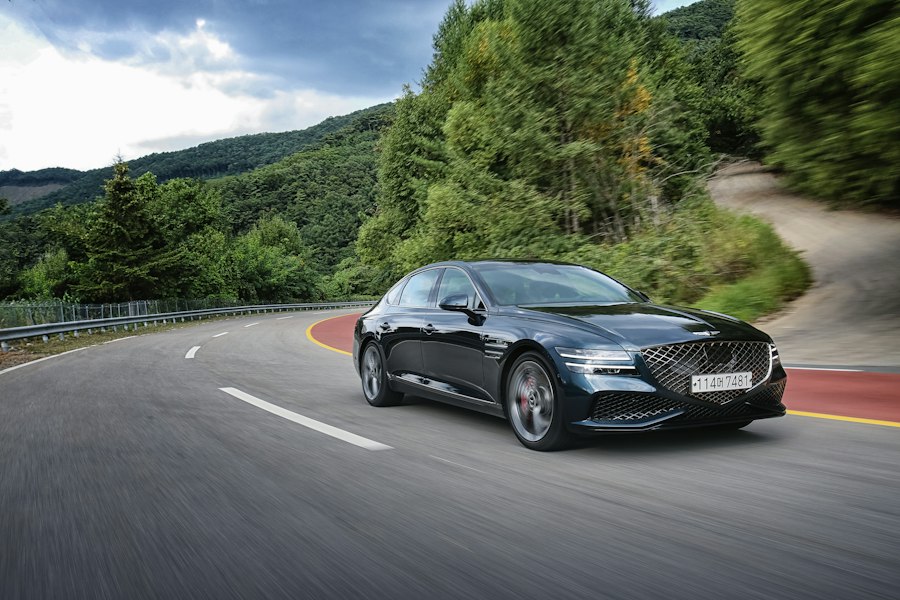
Owning a luxury car often comes with unspoken lifestyle expectations. It’s not just about the car itself, but how you integrate it into your life and the associated activities that complement its image. This creates a ripple effect of expenses that go beyond the purely automotive.
The Social Scene: Fitting In and Standing Out
If you’re driving a luxury car, you might find yourself drawn to environments and social circles where such vehicles are commonplace. This can mean attending exclusive events, frequenting high-end restaurants and clubs, or participating in luxury lifestyle magazines often showcase. These activities, while enjoyable, come with their own set of significant expenses.
Exclusive Events and Gatherings
Attending charity galas, art openings, or even exclusive car shows can be part of the luxury lifestyle. These events often have hefty ticket prices, or require costly memberships to access. You’re not just paying for the event; you’re paying for the experience and the networking opportunities associated with it.
Upscale Dining and Entertainment
You might find yourself dining at Michelin-starred restaurants more often, or enjoying premium seating at concerts and sporting events. The cost of these indulgences can quickly escalate, contributing to your overall lifestyle expenditure. It’s about matching your environment to your vehicle.
The Accessories and Enhancements: The Cherry on Top
The desire to personalize and enhance your luxury vehicle is a common one. This can involve purchasing branded accessories, performance upgrades, or aesthetic enhancements that further elevate the car’s exclusivity and your enjoyment of it.
Aftermarket Customization
From custom wheels and body kits to premium sound systems and bespoke interior treatments, the world of aftermarket customization for luxury cars is vast and expensive. While these modifications can enhance your enjoyment, they also represent further financial investment.
Luxury Detailing and Protection
To maintain that pristine showroom finish, you might invest in high-end detailing services, ceramic coatings, or paint protection films. These services ensure your vehicle remains in immaculate condition, but they also add to your ongoing expenses. You’re not just buying a car; you’re investing in its long-term presentation.
The Opportunity Cost: What Else Could That Money Do?
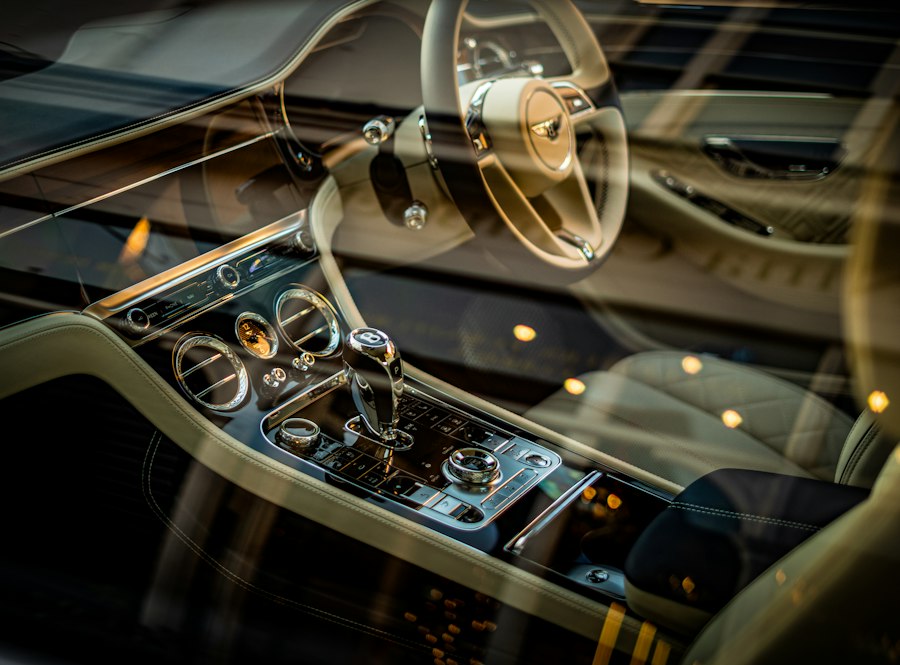
Perhaps the most profound, and often the least tangible, cost of owning a luxury car is the opportunity cost. The significant capital tied up in that vehicle could be allocated to a multitude of other endeavors that might offer greater financial returns or personal fulfillment.
Investment Potential Lost
Think about the hundreds of thousands of dollars you’ve spent on your car. That same amount of money, invested wisely in stocks, bonds, real estate, or a business venture, could potentially generate substantial passive income or significant capital appreciation over time. You are, in essence, foregoing these potential gains by tying your capital up in a depreciating asset.
The Power of Compounding
The magic of compounding interest is lost when that money is sitting in your driveway. Even a conservative annual return of 5% on a $200,000 investment would yield $10,000 in the first year alone. Over a decade, that figure grows exponentially. You have to ask yourself if the enjoyment of the car outweighs the potential for significant wealth accumulation.
Diversification and Risk Mitigation
Investing offers the opportunity to diversify your assets, spreading risk across different sectors. A single luxury car represents a concentrated, and depreciating, investment. By not investing, you miss out on the ability to build a more resilient and potentially more profitable financial portfolio.
Other Life Goals Deferred
Beyond purely financial investments, that capital could be used to achieve other significant life goals. This could include:
Real Estate Dreams
That down payment for a luxury car might be more than enough for a significant down payment on a property, whether it’s your primary residence, an investment property, or a vacation home. Owning real estate often appreciates over time and can provide a sense of stability and long-term security.
Entrepreneurial Ventures
For the aspiring entrepreneur, that capital could be the seed money for a new business, a startup, or an expansion of an existing venture. The potential for high returns and personal fulfillment from building something of your own can be immense.
Educational Pursuits and Skill Development
Investing in your own education or acquiring new skills can lead to career advancement and increased earning potential. That money could fund advanced degrees, specialized training programs, or even allow you to take a sabbatical to pursue a passion project that could eventually lead to financial rewards.
Travel and Experiential Wealth
While a luxury car offers a certain kind of experience, there’s a whole world of experiential wealth to be gained through travel. Exploring different cultures, embarking on adventures, or creating lasting memories with loved ones can provide a different kind of richness that money can buy, but not in the form of depreciating metal.
Owning an expensive car often leads to increased lifestyle commitments that can significantly impact one’s financial decisions and overall quality of life. For instance, individuals may feel pressured to maintain a certain image, which can result in additional spending on luxury goods and services. A related article explores these dynamics in greater detail, highlighting how the allure of high-end vehicles can create a cycle of financial obligations that extend beyond the initial purchase. To learn more about this phenomenon, you can read the full article here.
The Psychological Impact: Status, Satisfaction, and Stress
| Metric | Impact on Lifestyle Commitments | Explanation |
|---|---|---|
| Monthly Car Payment | High | Expensive cars often come with higher monthly payments, increasing financial obligations. |
| Insurance Costs | High | Luxury and expensive vehicles typically have higher insurance premiums. |
| Maintenance & Repairs | Moderate to High | Specialized parts and services increase upkeep costs, adding to lifestyle expenses. |
| Fuel Consumption | Moderate | High-performance cars may consume more fuel, raising monthly fuel expenses. |
| Parking & Storage | Moderate | Expensive cars may require secure or premium parking, increasing lifestyle costs. |
| Social Status & Networking | Variable | Ownership can lead to increased social commitments and networking opportunities. |
| Opportunity Cost | High | Funds tied up in expensive cars reduce availability for other investments or lifestyle choices. |
The decision to own a luxury car also carries a significant psychological weight. It’s about more than just tangible costs; it’s about the internal experience of ownership.
The Allure of Status and Validation
For many, the primary driver behind purchasing a luxury car is the desire for status and validation. The car becomes a symbol of success, a public declaration of achievement. This can provide a temporary ego boost and a sense of belonging to an elite group.
The Hedonic Treadmill
However, this satisfaction can be fleeting. You might experience a phenomenon known as the “hedonic treadmill,” where the initial excitement of the purchase wears off, and you soon crave the next upgrade or the next status symbol. The pursuit of happiness through material possessions can become an endless cycle.
External Validation Dependence
Relying on external validation, such as the admiration of others for your car, can create a fragile sense of self-worth. True fulfillment often comes from internal sources, such as personal growth, meaningful relationships, and a sense of purpose, rather than the approval of strangers.
The Stress of Maintenance and Financial Strain
The constant worry about maintenance costs, potential breakdowns, and the sheer financial burden of ownership can lead to significant stress. You might find yourself constantly monitoring your finances, making sacrifices in other areas of your life, or avoiding certain activities to ensure you can afford to keep your prized possession in pristine condition.
The Fear of Damage or Theft
The anxiety associated with the possibility of damage, scratches, or even theft can be a constant companion. You might find yourself overly cautious when parking, hesitant to drive in certain areas, or constantly checking on your vehicle, diminishing the freedom and enjoyment you initially sought.
The Balancing Act
You’re constantly engaged in a delicate balancing act: enjoying the luxury you’ve afforded yourself while simultaneously managing the financial commitments and potential stresses that come with it. This can lead to a feeling of being trapped by your possessions, rather than being liberated by them.
In conclusion, the allure of an expensive car is undeniable. It represents a dream, a reward, and a tangible symbol of success. However, as you’ve seen, the journey of luxury car ownership is paved with more than just smooth asphalt. It’s a complex tapestry of financial commitments, lifestyle adjustments, and psychological considerations. Before you sign on the dotted line, take a deep breath, conduct your due diligence, and honestly assess whether the exhilarating thrill of the drive is worth the enduring cost of the dream.