You stand at the precipice of a monumental task, a challenge that ripples through the fabric of society: building affordable homes. It’s not just about bricks and mortar; it’s about providing a sanctuary, a foundation for dreams, a place where families can grow and thrive. Yet, the path to making this a reality is fraught with obstacles, a complex interplay of economics, regulations, and human needs.
The Sinking Feeling: Why Affordability Eludes You
You’ve seen it. You’ve felt it. The gnawing anxiety as rent climbs higher and higher, consuming an ever-larger portion of your hard-earned income. You’ve witnessed friends and family priced out of neighborhoods they’ve called home for generations. The dream of homeownership, once a cornerstone of the middle-class aspiration, feels increasingly like a distant mirage for many. This isn’t a sudden crisis; it’s a creeping, insidious problem that has been building for years, and understanding its roots is crucial to confronting it.
The Unseen Hands: Market Forces at Play
You might think of the housing market as a simple supply and demand equation, but it’s far more intricate than that. You’re up against powerful forces, both seen and unseen, that dictate the price of every nail, every plank of wood, and ultimately, every square foot of living space.
The Insatiable Demand: More People, Less Space
The fundamental driver of rising housing costs is, quite simply, demand. You’re living in a world of increasing population density, particularly in urban and suburban areas. More people want to live in desirable locations, close to jobs, amenities, and established communities. This concentrated demand, when met with a finite supply of land and housing, inevitably pushes prices skyward.
The Scarcity of Land: Where Do You Build?
Think about the most desirable areas. The land itself is a precious commodity. You can’t conjure more land in a bustling city center or a scenic coastal town. This inherent scarcity means that the price of land alone can represent a significant portion of the overall cost of a new home. Developers are forced to compete for limited plots, driving up acquisition costs, which are then passed on to you, the prospective homeowner.
The Investor’s Eye: Housing as a Commodity
You’ve probably heard stories about large investment firms buying up entire apartment buildings or single-family homes. This isn’t just about providing housing; for many investors, real estate is a lucrative asset class. When housing is treated primarily as an investment vehicle, the goal shifts from providing affordable shelter to maximizing returns. This can lead to rent hikes, a reluctance to sell at lower price points, and a further squeeze on affordability for those looking to purchase or rent at reasonable rates.
The Rising Tide of Costs: It’s Not Just Labor
You might assume that the cost of building a home is primarily driven by labor and materials, and while those are significant factors, a host of other expenses contribute to the final price tag, often in ways you might not immediately consider.
The Materials Maze: From Lumber to Lightning Rods
The cost of raw materials is a constant battle. Global supply chain disruptions, trade tariffs, and even the weather can impact the price of everything from lumber and steel to plumbing fixtures and insulation. You’ve likely seen headlines about lumber prices skyrocketing, and this directly translates to higher construction costs. Even seemingly minor components add up.
The Labor Shortage: The Skilled Hands You Need
The construction industry, like many others, is grappling with a persistent shortage of skilled labor. Finding qualified electricians, plumbers, carpenters, and general laborers can be challenging and expensive. This scarcity drives up wages for those workers, and as you can imagine, those increased labor costs are factored into the price of the homes you want to build.
The Regulatory Gauntlet: Permits, Fees, and Red Tape
This is where things can get particularly frustrating. You want to build a home, a safe and functional dwelling, but you find yourself navigating a complex web of regulations, permits, and fees. Each layer of bureaucracy adds time and cost to the development process. While many of these regulations are in place for valid reasons – safety, environmental protection, zoning – their sheer volume and complexity can create significant barriers to affordable construction.
The challenge of building affordable homes is multifaceted, often stemming from rising material costs, labor shortages, and stringent zoning regulations. For a deeper understanding of the economic factors influencing the housing market and the difficulties in creating budget-friendly housing options, you can explore a related article on this topic at How Wealth Grows. This resource provides insights into the broader implications of housing affordability and the systemic issues that contribute to the scarcity of cheap homes.
The Systemic Hurdles: Why Innovation is Slow
You yearn for innovative solutions, for new ways to build that are faster, cheaper, and more efficient. Yet, the construction industry, for all its potential, can be surprisingly resistant to rapid change. You’re facing systemic hurdles that slow down the adoption of new technologies and methods.
The Archaic Building Codes: Stuck in the Past
Many of the building codes that govern how we construct homes are outdated. Developed decades ago, they often don’t reflect the latest advancements in materials, construction techniques, or energy efficiency. Modernizing these codes can be a slow and arduous process, requiring consensus among various stakeholders and rigorous testing. You’re often left building with methods that are no longer the most efficient or cost-effective.
The Financing Friction: Getting the Money Flowing
Securing financing for affordable housing projects is a significant challenge. Traditional lenders may be hesitant to invest in projects with lower profit margins, and the perceived risk associated with affordable housing can make it difficult to attract private investment. You need creative financing models and supportive government programs to bridge this gap.
The Investor’s Hesitation: Risk vs. Reward
For investors, the equation is simple: risk versus reward. Affordable housing projects often have lower potential returns compared to market-rate developments. This can make it challenging to attract the capital needed to build at scale. You’re competing for investment dollars against sectors with higher profit potential.
The Government’s Role: Subsidies and Incentives
While government subsidies and incentives can play a crucial role in making affordable housing a reality, they are often subject to budget constraints and political shifts. You’re reliant on the consistent and adequate funding of these programs to make projects viable.
The NIMBY Phenomenon: Not In My Backyard
You’ve encountered this, haven’t you? The well-meaning homeowner who supports affordable housing in principle, but vehemently opposes it being built in their neighborhood. The “Not In My Backyard” (NIMBY) sentiment is a powerful force that can derail even the most promising affordable housing initiatives.
The Fear of Change: Perceived Threats to Neighborhood Character
Often, NIMBYism stems from a fear of change. Residents may worry about increased traffic, a decline in property values, or a perceived shift in the neighborhood’s character. These concerns, while sometimes rooted in genuine anxieties, can lead to organized opposition that effectively blocks new developments. You’re fighting against ingrained perceptions and often unsubstantiated fears.
The Power of Local Opposition: Zoning and Permitting Battles
NIMBY groups often wield significant influence at the local level. They can lobby elected officials, inundate planning boards with objections, and engage in costly legal battles, all of which can delay or completely halt affordable housing projects. You’re up against a well-organized and often vocal opposition.
The Untapped Potential: Innovative Solutions You Can Explore
Despite the daunting challenges, you are not without hope. The landscape of affordable housing is evolving, and innovative solutions are emerging, offering promising pathways forward. You can look to these advancements to overcome the obstacles.
Rethinking Construction: Off-Site and Modular Building
You’ve probably seen the rise of modular and prefabricated construction. This approach involves building components of a home in a factory setting, then transporting them to the site for assembly. This offers several advantages for affordability.
Speed and Efficiency: Faster Builds, Lower Costs
Factory-controlled environments allow for greater efficiency and less waste. You can produce components more quickly and consistently than with traditional on-site construction. This reduced construction time translates directly into lower labor costs and a faster return on investment for developers.
Quality Control: Building Better, More Consistently
Manufacturing in a controlled setting allows for stricter quality control, leading to more durable and well-built homes. You’re not as susceptible to weather delays or on-site labor inconsistencies. This can reduce long-term maintenance costs for homeowners.
Embracing Technology: 3D Printing and Smart Design
The technological revolution is even reaching the construction site. You’re seeing exciting developments in areas like 3D printing and smart design.
3D Printed Homes: A Glimpse into the Future
Imagine houses being printed layer by layer, using concrete or other sustainable materials. This technology has the potential to dramatically reduce construction time and labor costs. While still in its nascent stages for mass adoption, 3D printing offers a glimpse into a future where homes can be built more quickly and affordably.
Smart Design for Smaller Spaces: Maximizing Livability
You can also focus on smart design principles. This involves creating homes that are efficient in their use of space, incorporating multi-functional furniture, and maximizing natural light. You’re not just building smaller; you’re building smarter, ensuring that every square foot serves a purpose and enhances livability.
Exploring New Materials: Sustainability Meets Affordability
The search for affordable and sustainable building materials is ongoing. You’re seeing a growing interest in materials that are not only cost-effective but also environmentally friendly.
Recycled and Reclaimed Materials: Giving Old New Life
You can repurpose materials from demolition sites or use recycled plastics and other waste products to construct homes. This not only reduces waste but can also lower material costs. You’re giving old materials new life, contributing to a more circular economy.
Innovative Composites: Lighter, Stronger, Cheaper?
Researchers are developing new composite materials that are lighter, stronger, and potentially cheaper than traditional building materials. These advancements could revolutionize the way we build, offering both cost and performance benefits.
The Policy Imperative: What You Can Advocate For
You can’t build affordable homes without supportive policies. The government plays a crucial role in creating an environment where affordable housing can flourish. You need to advocate for these policy changes.
Streamlining Regulations: Cutting Through the Red Tape
You can push for reforms to streamline the permitting and approval processes. This doesn’t mean sacrificing safety or environmental standards, but rather making the existing processes more efficient and predictable. You need to reduce the unnecessary delays and costs associated with bureaucratic hurdles.
Faster Approvals: Reducing Timelines
Reducing the time it takes to get permits and approvals can significantly lower development costs. You’re asking for a more efficient and responsive government agency.
Predictable Zoning: Clarity for Developers
Clear and predictable zoning laws provide developers with the certainty they need to invest in projects. You’re advocating for a framework that encourages development rather than hindering it.
Incentivizing Development: Encouraging Builders
You can advocate for policies that incentivize developers to build affordable housing. This can include tax breaks, density bonuses, or grants.
Financial Incentives: Making it Attractive
Providing financial incentives can make affordable housing projects more attractive to private developers, bridging the gap between profit margins and community needs. You’re making it financially viable to build for everyone.
Public-Private Partnerships: Collaboration is Key
You can support the formation of public-private partnerships. These collaborations can leverage the strengths of both sectors to deliver affordable housing more effectively. You’re fostering a collaborative approach to problem-solving.
Investing in Affordable Housing: A Societal Priority
You need to advocate for increased public investment in affordable housing. This includes funding for housing assistance programs, the development of publicly owned affordable housing, and support for non-profit housing organizations.
Direct Investment: Building What’s Needed
Direct government investment in building affordable housing can ensure that a certain percentage of new development meets affordability criteria. You’re prioritizing the creation of homes for all income levels.
Housing Vouchers and Subsidies: Helping Individuals
Expanding housing voucher programs and rental subsidies can provide immediate relief to individuals and families struggling to afford housing. You’re offering direct assistance to those who need it most.
The challenge of constructing affordable housing is multifaceted, often stemming from rising material costs, labor shortages, and stringent regulations. A related article discusses these issues in detail and highlights the innovative solutions being explored to address the housing crisis. For those interested in understanding the complexities behind the affordable housing dilemma, you can read more about it in this insightful piece here.
The Collective Effort: Your Role in the Solution
Ultimately, the challenge of building affordable homes is not something you can solve in isolation. It requires a collective effort, a commitment from individuals, communities, developers, and governments working together. You are a vital part of this solution.
Educating Yourself and Others: Spreading Awareness
You can start by educating yourself about the complexities of the affordable housing crisis. Then, you can share that knowledge with your friends, family, and community. The more people understand the problem, the more likely they are to support solutions.
Engaging with Local Government: Making Your Voice Heard
Attend local planning meetings, contact your elected officials, and participate in public forums. Your voice matters, and by actively engaging with local government, you can influence decisions that impact affordable housing in your area.
Speaking Up at Meetings: Be Present, Be Heard
Your presence at public meetings demonstrates your commitment to the issue. Speaking up with well-informed opinions can influence decision-makers.
Contacting Representatives: Consistent Communication
Regularly contacting your elected officials, whether through emails, phone calls, or letters, keeps the issue of affordable housing on their agenda.
Supporting Affordable Housing Initiatives: Putting Action into Practice
You can actively support organizations that are working to build and advocate for affordable housing. This could involve volunteering your time, donating money, or participating in advocacy campaigns.
Volunteering Your Skills: Contributing Your Talents
If you have skills in areas like construction, design, legal services, or community organizing, consider volunteering them to affordable housing non-profits.
Donating Resources: Financial Support
Financial contributions, no matter the size, can provide essential funding for organizations dedicated to creating affordable homes.
You stand at a crossroads. The path ahead is undoubtedly challenging, but it is also filled with the promise of a more equitable and inclusive future. By understanding the complexities, embracing innovation, advocating for policy change, and contributing to a collective effort, you can, and you must, build a world where everyone has a place to call home. The challenge is significant, but the reward – a society where affordability is not a luxury but a given – is immeasurable.
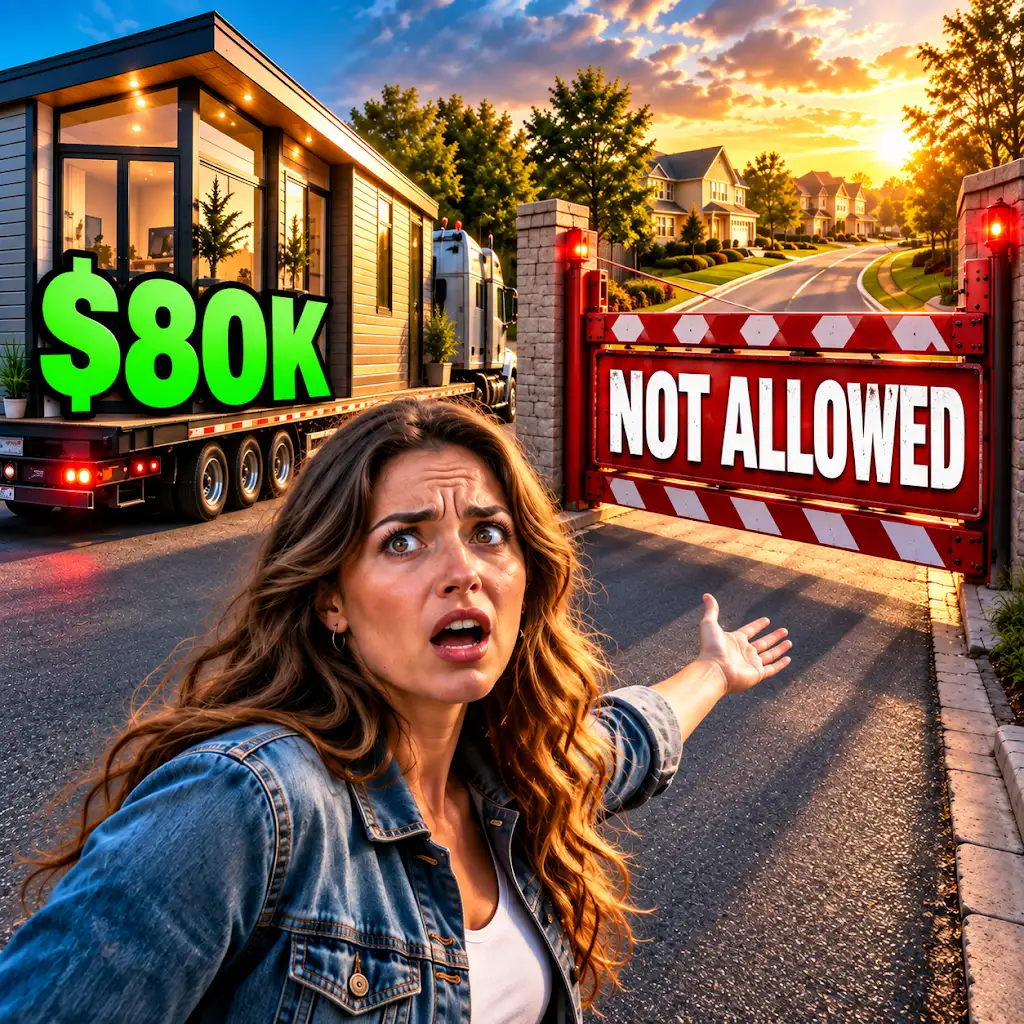
The $80,000 House You’re Not Allowed to Put Anywhere
FAQs

1. Why are cheap homes hard to build?
Building cheap homes can be challenging due to various factors such as rising construction costs, land prices, and regulatory requirements.
2. What are some common obstacles in constructing affordable housing?
Some common obstacles in constructing affordable housing include limited access to financing, zoning restrictions, lack of available land, and high labor costs.
3. How do rising construction costs impact the affordability of homes?
Rising construction costs, including materials and labor, can significantly impact the affordability of homes, making it difficult to build cheap housing options.
4. What role do government policies play in the construction of affordable homes?
Government policies, such as building codes, zoning regulations, and permit requirements, can either facilitate or hinder the construction of affordable homes.
5. Are there any solutions to make building cheap homes easier?
Some potential solutions to make building cheap homes easier include streamlining the permitting process, providing subsidies or tax incentives, and promoting innovative construction techniques.