You’ve seen the headlines, you’ve felt the whispers, but have you truly grasped the weight of it all? This isn’t just about numbers on a statement; it’s about the erosion of dreams, the silencing of aspirations, and the quiet desperation that permeates the lives of millions. You’re about to embark on a journey, not of fantastical landscapes or thrilling adventures, but into the stark reality of The Burden of Debt: A Consumer Documentary. This isn’t a film you watch idly; it’s a mirror held up to your own potential vulnerabilities, a stark illumination of the pervasive influence of debt on the modern consumer.
You might believe that your paycheck is yours to spend, to save, to invest. But what if a significant portion of it is already spoken for, long before it even hits your bank account? This documentary peels back the glossy veneer of consumer culture to reveal the unseen chains that bind so many. It explores how the allure of instant gratification, coupled with aggressive marketing tactics, can lead you down a path where your earnings are perpetually chasing your obligations. You’ll witness firsthand the psychological toll this takes, the constant anxiety of living paycheck to paycheck, and the feeling of being trapped in a cycle with no apparent escape.
The Siren Song of Credit: How It Lures You In
The documentary doesn’t shy away from the insidious nature of credit. You’ll learn how credit card companies, payday lenders, and even seemingly benign financial institutions employ sophisticated strategies to entice you. It’s a masterclass in behavioral economics, designed to exploit your desires and vulnerabilities. From the initial enticing zero-percent introductory offers to the carefully worded terms and conditions that often go unread, you’ll understand how easy it is to fall into the trap. You’ll see how small debts can snowball, fueled by exorbitant interest rates that make it virtually impossible to make a dent in the principal. The narrative will paint vivid pictures of individuals who, with the best intentions, found themselves overwhelmed by a debt that began with a seemingly small purchase. You’ll hear their stories of regret, their wishes that they had understood the true cost of what they were borrowing.
The Psychological Warfare of Marketing
It’s not just about the financial tools; it’s about the constant barrage of messaging designed to make you feel inadequate without the latest gadget, the trendiest clothing, or the most luxurious experience. You’ll be shown how advertising taps into your deepest insecurities, promising happiness, belonging, and success through consumption. This documentary will dissect these tactics, revealing how they prey on your emotions and subtly nudge you towards spending, even when your budget doesn’t allow it. You’ll see how the pressure to keep up with peers, the curated perfection of social media, and the relentless pursuit of “more” can override rational financial decision-making. This psychological warfare, the documentary argues, is as much a part of the debt burden as the interest rates themselves.
The Illusion of Control: When You’re Not Really in Charge
You may feel like you’re making conscious choices about your spending, but the film will challenge this notion. It will explore how systems are designed to keep you in a state of perpetual consumption, making it difficult to break free. You’ll learn about the concept of “debt traps,” designed to keep you borrowing and repaying without ever truly gaining financial freedom. The documentary will highlight how predatory lending practices disproportionately affect vulnerable populations, perpetuating cycles of poverty and limiting opportunities for future generations. You’ll hear from experts who explain how this isn’t accidental; it’s a calculated consequence of a system that benefits from your indebtedness.
In the realm of consumer debt, understanding the broader implications of financial habits is crucial. A related article that delves deeper into the factors contributing to consumer debt can be found at this link: How Wealth Grows. This resource provides valuable insights into the economic behaviors that lead to increased debt levels among consumers, complementing the themes explored in the recent documentary on consumer debt.
The Domino Effect: How Personal Debt Ripples Through Society
The burden of debt isn’t confined to your individual bank account; it has profound and far-reaching consequences that impact your community, your economy, and the very fabric of society. You’ll witness how the financial strain on individuals translates into broader societal challenges, creating a ripple effect that touches us all. This section of the documentary moves beyond personal anecdotes to explore the systemic issues at play.
Economic Stagnation: When Consumption Grinds to a Halt
When a significant portion of the population is dedicating their income to debt repayment, it leaves less disposable income for essential goods and services, and even less for discretionary spending. You’ll see how this can lead to a slowdown in economic growth, as businesses experience reduced demand. The documentary will present data and expert analysis illustrating how widespread consumer debt can stifle innovation, limit job creation, and create a climate of economic uncertainty. You’ll hear from economists who explain the intricate relationship between consumer spending power and a healthy economy, and how debt acts as a significant impediment. The film will offer a sobering perspective on how your personal financial struggles, multiplied by millions, can have tangible economic consequences for everyone.
Strain on Social Services: The Unseen Costs of Financial Distress
When individuals and families are struggling under the weight of debt, they often become reliant on social services for support. You’ll see how increased demand for food banks, housing assistance, and mental health services can strain public resources. The documentary will explore the often-invisible costs associated with widespread financial distress, demonstrating how the burden of individual debt ultimately translates into a burden on society as a whole. You’ll hear from social workers and community organizers who are on the front lines, witnessing the direct impact of debt on families, and the increasing pressure this places on already stretched public services. This highlights the interconnectedness of our financial well-being.
Erosion of Trust and Community: When Financial Stress Divides
The documentary will also delve into the social implications of debt. You’ll observe how financial hardship can lead to increased stress within families, strained relationships, and a sense of isolation. The film will explore how the pressure of debt can erode trust within communities, as individuals become more focused on their own survival than on collective well-being. You’ll hear personal stories that illustrate the breakdown of social connections due to financial strain, and the challenges of maintaining healthy relationships when money is a constant source of anxiety. This section emphasizes that financial health is not just about individual balance sheets, but about the resilience and health of our social fabric.
The Human Cost: Stories of Lives Derailed by Debt

Beyond the statistics and economic analyses, this documentary brings you face-to-face with the raw, emotional toll that debt takes on individuals and families. You will hear their stories, not as abstract case studies, but as deeply personal accounts of lives irrevocably altered. This is where the true weight of the burden is felt, where the abstract concept of debt becomes a tangible, crushing reality.
The Student Loan Nightmare: Education’s Unforeseen Price Tag
You may have believed that a college education was an investment in your future, a pathway to a better life. But for many, it has become a lifelong albatross. The documentary will feature the stories of graduates saddled with crippling student loan debt, their dreams deferred, their career choices limited by the overwhelming need to repay. You’ll witness the heartbreaking decisions they are forced to make, from delaying homeownership and starting families to opting out of professions they are passionate about because the salaries simply can’t cover their loan obligations. You’ll hear from young people who feel betrayed by a system that promised opportunity but delivered financial servitude. The film will explore the ethical questions surrounding the privatization of education and the impact of rising tuition costs.
Medical Debt: When Health Becomes a Luxury
In many societies, access to healthcare is a fundamental right. Yet, for millions, a medical emergency or a chronic illness can trigger a financial catastrophe. This documentary will share harrowing accounts of individuals facing bankruptcy due to medical bills, even with insurance. You’ll hear stories of people foregoing necessary treatments, rationing medication, and enduring immense pain and suffering because they cannot afford the care they need. The film will expose the systemic flaws that allow medical debt to become a leading cause of financial ruin, highlighting the stark reality that in some cases, your health is a commodity. You’ll hear from families who have lost everything after a loved one’s illness, demonstrating how illness and debt can be a devastating one-two punch.
The Cycle of Generational Debt: When Poverty Becomes Inheritance
The burden of debt is not always a personal failing; it can be a legacy inherited from generations past. You’ll meet families who have been trapped in a cycle of poverty and debt for decades, their opportunities continually undermined by the financial struggles of their ancestors. The documentary will explore the systemic issues that perpetuate this cycle, from lack of access to quality education and financial literacy to predatory lending practices that target vulnerable communities. You’ll hear stories of individuals desperately trying to break free from this inherited burden, only to find themselves facing the same obstacles their parents and grandparents did. This highlights the deeply embedded nature of debt within certain socioeconomic strata.
Breaking the Cycle: Pathways to Financial Freedom

Is there hope? Can the chains of debt be broken? This documentary doesn’t just present the problem; it actively seeks solutions and offers glimpses of a brighter future. You’ll be inspired by individuals who have successfully navigated the treacherous waters of debt and emerged with their financial health restored, and you’ll learn about the strategies and resources that can help you do the same.
Financial Literacy: Empowering Yourself with Knowledge
Knowledge is power, and when it comes to debt, financial literacy is your most potent weapon. The documentary will highlight the importance of understanding basic financial principles, budgeting, saving, and responsible borrowing. You’ll be introduced to organizations and programs dedicated to providing accessible financial education to communities, empowering individuals with the tools they need to make informed decisions and avoid future debt traps. You’ll hear from educators who emphasize that financial education should be a core part of our schooling, not an optional add-on. The film will showcase individuals who transformed their lives simply by learning how to manage their money effectively.
Debt Management and Consolidation: Strategies for Recovery
For those already struggling, the documentary will explore various strategies for managing and reducing existing debt. You’ll learn about debt consolidation, debt management plans, and the role of credit counseling agencies. The film will offer practical advice on how to approach creditors, negotiate payment plans, and avoid common pitfalls. You’ll hear from financial advisors who explain the pros and cons of different debt reduction strategies, helping you understand which approach might be best for your unique situation. This section provides actionable steps for those feeling overwhelmed, offering a lifeline and a roadmap towards solvency.
Advocacy and Systemic Change: Addressing the Root Causes
Beyond individual solutions, the documentary will also touch upon the need for broader systemic change. You’ll hear from advocates and policymakers who are working to reform predatory lending laws, make education more affordable, and create a more equitable financial system. The film will inspire you to consider how collective action and informed advocacy can contribute to a future where the burden of debt is significantly lessened for all consumers. You’ll hear calls for greater transparency in financial products and stronger consumer protections, highlighting that personal responsibility must be paired with systemic fairness. This section encourages you to think beyond your own immediate situation and consider the larger societal implications.
In exploring the complexities of consumer debt, the recent documentary sheds light on the struggles faced by many individuals in managing their finances. To gain further insight into the broader implications of consumer debt and strategies for financial recovery, you might find it helpful to read this informative article on wealth growth. It discusses various methods to improve financial literacy and offers practical tips for overcoming debt challenges. For more information, you can check out the article here.
Your Financial Future: Taking Control in a Debt-Ridden World
| Metric | Value | Description |
|---|---|---|
| Average Consumer Debt | 16,000 | Average amount of consumer debt per individual featured in the documentary |
| Debt Types Covered | Credit Cards, Student Loans, Auto Loans, Medical Bills | Types of consumer debt discussed in the documentary |
| Percentage of Participants in Debt | 78% | Percentage of documentary participants who reported having consumer debt |
| Average Interest Rate | 18% | Average interest rate on consumer debt discussed |
| Debt Repayment Duration | 5 years | Average time participants took to repay their consumer debt |
| Financial Literacy Score | 45% | Average financial literacy score of participants before watching the documentary |
| Post-Documentary Financial Literacy Improvement | 30% | Increase in financial literacy score after watching the documentary |
This documentary, The Burden of Debt: A Consumer Documentary, isn’t just a film; it’s an awakening. It’s a call to action, a plea for awareness, and a testament to the resilience of the human spirit. You’ve seen the shadows that debt casts, the lives it disrupts, and the potential it stifles. Now, it’s your turn to decide what happens next.
Reclaiming Your Power: The Journey Starts With Awareness
The first and most crucial step towards financial freedom is acknowledging the reality of the debt landscape and understanding your own relationship with it. You’ve been exposed to the complexities, the temptations, and the consequences. The documentary has armed you with knowledge, dispelled illusions, and shown you the human stories behind the numbers. Now, you have the power to choose a different path. This journey of reclaiming your financial power begins with an honest assessment of your current situation, without judgment or shame.
Building a Resilient Future: Proactive Steps for Long-Term Security
The film has offered a glimpse into various strategies for managing debt and building financial security. It’s time to translate that knowledge into action. You’ll be encouraged to create a realistic budget, to prioritize saving, and to develop a long-term financial plan. Whether it’s setting aside a small amount each month, exploring investment opportunities, or simply committing to a debt repayment plan, the journey towards resilience is built on consistent, proactive steps. The documentary hopes to instill in you a sense of agency, reminding you that even small, consistent actions can lead to significant long-term positive change.
The Ongoing Conversation: Staying Informed and Connected
The burden of debt is an evolving challenge, and staying informed is paramount. This documentary is just the beginning of your understanding. You’ll be encouraged to continue seeking out reliable financial information, to engage in conversations about financial well-being, and to support initiatives that promote financial literacy and consumer protection. The film suggests that a healthy financial future is not just an individual pursuit but a collective endeavor, requiring ongoing dialogue and shared commitment to a more financially sound society. By remaining engaged, you can not only safeguard your own future but also contribute to a more stable and equitable financial landscape for generations to come.
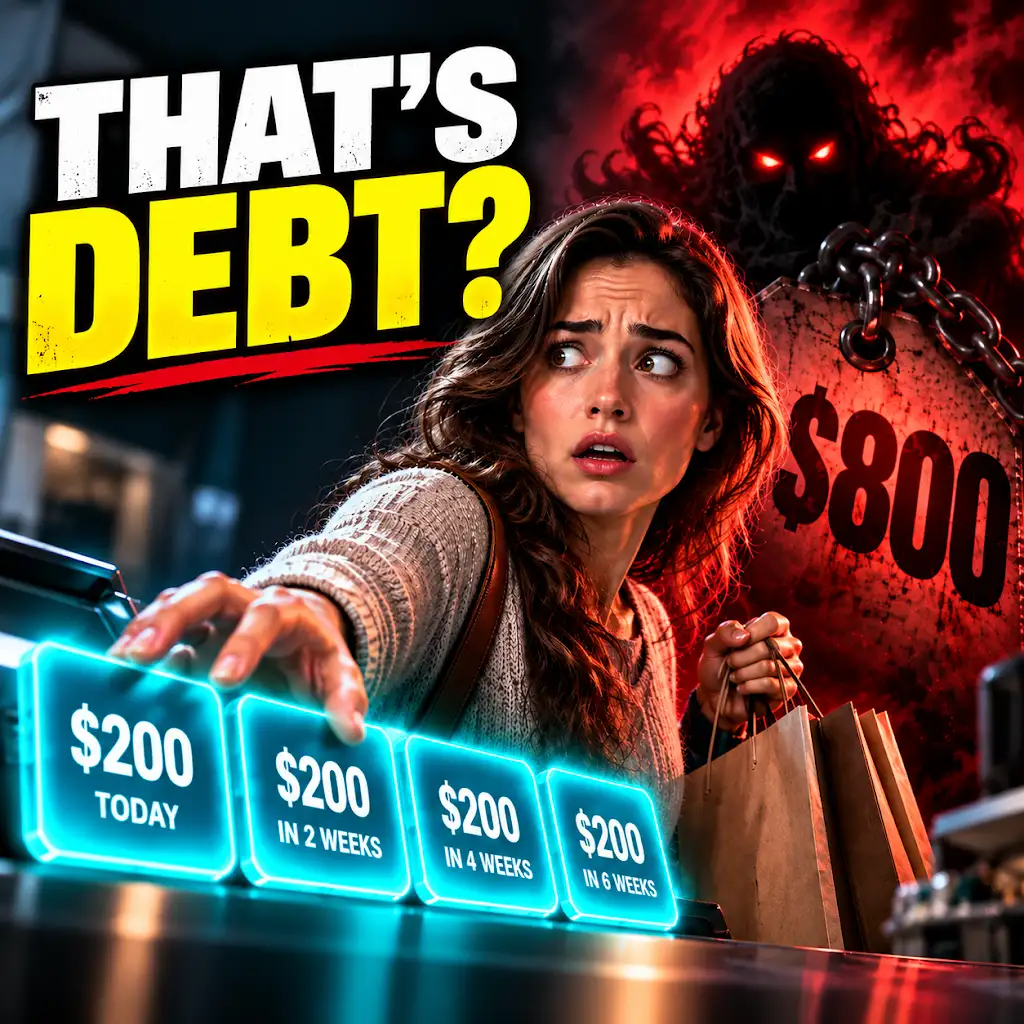
Why $800 Doesn’t Feel Like $800 Anymore
FAQs
What is the consumer debt documentary about?
The consumer debt documentary explores the impact of debt on individuals and society, shedding light on the consequences of excessive borrowing and financial struggles.
Who is the target audience for the consumer debt documentary?
The target audience for the consumer debt documentary includes individuals who are interested in personal finance, debt management, and the broader implications of consumer debt on the economy.
Where can I watch the consumer debt documentary?
The consumer debt documentary may be available for streaming on various platforms such as streaming services, online rental platforms, or through special screenings organized by the filmmakers.
What are some key takeaways from the consumer debt documentary?
Some key takeaways from the consumer debt documentary may include the importance of financial literacy, the impact of debt on mental health, strategies for managing and reducing debt, and the role of consumerism in driving borrowing habits.
How can I support the message of the consumer debt documentary?
You can support the message of the consumer debt documentary by sharing it with others, engaging in discussions about personal finance and debt management, advocating for financial education in schools and communities, and taking steps to improve your own financial well-being.