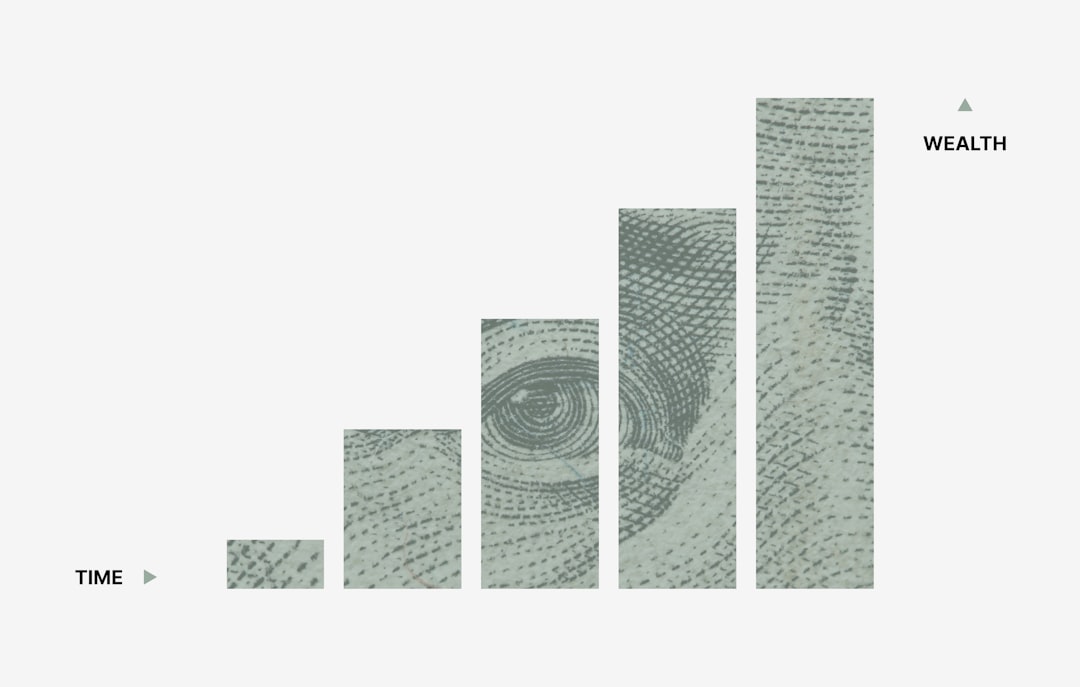
You stand at a crossroads, a persistent hum in the background of your daily life. It’s the constant, subtle push and pull between two seemingly disparate forces: wealth and freedom. You’ve likely felt it in countless decisions, from the career you pursue to the way you spend your precious hours. This isn’t a theoretical debate for academics; it’s a deeply personal battle that shapes your reality.
You crave it, don’t you? The security, the comfort, the endless possibilities that wealth promises. It’s etched into our societal consciousness as the ultimate prize, the indicator of success, the key to unlocking a life without limitations. But what is this allure, and what are its hidden costs?
Defining Wealth: More Than Just Money in the Bank
When you think of wealth, your mind likely conjures images of overflowing bank accounts, luxurious homes, and exotic vacations. And yes, financial abundance is a significant component. However, wealth, in its broadest sense, is about more than just monetary value. It’s about the resources, both tangible and intangible, that grant you agency and security. This can include:
Financial Assets: The Obvious Pillars
This is the bedrock of what most people understand as wealth. It encompasses:
Cash and Equivalents: The Immediate Power
Your checking and savings accounts, money market funds – these are the readily accessible forms of wealth that allow you to meet immediate needs and seize spontaneous opportunities. You feel a certain peace of mind knowing you have a cushion.
Investments: Growing Your Future
Stocks, bonds, real estate, mutual funds – these are the engines that can grow your wealth over time. They represent a commitment to the future, a belief that your money can work for you. You spend time researching, strategizing, and hoping for returns.
Business Ownership: Creating Value
Owning a business, whether it’s a small startup or an established enterprise, can be a significant source of wealth. It’s about creating something, employing others, and reaping the rewards of your entrepreneurial spirit. You pour your energy and ideas into building something lasting.
Non-Financial Assets: The Often-Overlooked Treasures
Beyond the numbers, there are other forms of wealth that contribute to your overall well-being and independence.
Property and Possessions: Your Tangible Stakes
The house you own, the car you drive, even your valuable possessions – these represent a tangible claim on resources. They provide shelter, transportation, and a sense of belonging. You maintain them, care for them, and perhaps feel a sense of pride in them.
Skills and Knowledge: Your Internal Capital
Your education, your expertise, your learned skills – these are invaluable assets that make you marketable and adaptable. They are wealth that no one can take away from you. You continuously learn, hone your craft, and invest in your personal development.
Social Capital: The Network Effect
Your relationships, your connections, your reputation – these form a powerful network that can open doors, provide support, and offer opportunities. A strong social circle is a form of wealth that money can’t always buy. You nurture these connections, lend support, and receive it in return.
The Siren Song of Security: Why Wealth is So Tempting
You are drawn to wealth because it promises an escape from the anxieties that plague so many. It offers a buffer against the unpredictable nature of life.
Erasing Financial Stress: The Breath of Relief
The constant worry about bills, unexpected expenses, or the future of your job can be suffocating. Wealth, in theory, eliminates this burden. You can sleep better at night, knowing you have the resources to handle whatever comes your way.
Access to Opportunities: The World Opens Up
With wealth, the world becomes a buffet of possibilities. You can afford better education for yourself and your children, access superior healthcare, invest in your passions, and travel to places you’ve only dreamed of. Your choices are no longer dictated by budget constraints.
The Power of Choice: Dictating Your Own Path
Ultimately, wealth is about having options. It’s the ability to say “yes” to things you want and “no” to things you don’t, without facing dire consequences. It’s the feeling of being in control of your destiny.
In exploring the intricate relationship between wealth and freedom, it is essential to consider various perspectives on how financial resources can impact personal autonomy. A related article that delves deeper into this topic is available at How Wealth Grows, where the nuances of financial independence and the balance between accumulating wealth and enjoying life are thoroughly examined. This resource provides valuable insights for anyone looking to understand the dynamics of wealth creation and its implications for personal freedom.
The Unfettered Spirit: The True Meaning of Freedom
While wealth promises escape from constraints, true freedom is about a different kind of liberation. It’s about the absence of external control and the presence of self-determination.
Defining Freedom: More Than Just Not Being Imprisoned
You might associate freedom with the absence of physical bars or oppressive regimes. However, freedom, in the context of this battle, extends far beyond that. It’s about your autonomy, your ability to live life according to your own values and desires.
Personal Autonomy: The Sovereign Self
This is the freedom to make your own choices about your life, your body, your beliefs, and your relationships. It’s about being the ultimate authority in your own existence, free from coercion or undue influence. You decide what’s right for you.
Freedom of Expression: The Voice Unsilenced
The ability to speak your mind, to share your ideas, and to engage in open discourse without fear of reprisal is a fundamental aspect of freedom. It’s about the right to be heard.
Freedom of Association: Building Your Tribe
The liberty to connect with others, form communities, and join groups that align with your interests and values is crucial for a fulfilling life. You choose who you want to surround yourself with.
Financial Independence: The Ultimate Enabler
This is where the two concepts intersect and often clash. Financial independence is the state of having enough income or assets to support yourself without needing to rely on employment or external financial support. It’s a powerful tool for achieving other forms of freedom.
The Intrinsic Value of Liberty: Why Freedom Matters
You might not always articulate it, but the pursuit of freedom is deeply ingrained in the human spirit. It’s not just about comfort; it’s about dignity and self-respect.
The Dignity of Self-Determination: Owning Your Life
There’s an inherent dignity in knowing you are the architect of your own life, making decisions based on your own judgment rather than external pressures. You are not a pawn; you are a player.
The Joy of Unfettered Living: Embracing Spontaneity
Freedom allows for spontaneity, for moments of pure joy and exploration that aren’t dictated by schedules or obligations. It’s the ability to wander, to discover, and to simply be.
The Potential for Growth: Pushing Boundaries
When you are not bound by rigid structures, you are free to explore new ideas, challenge existing norms, and push the boundaries of your own potential. True growth often occurs outside of your comfort zone.
The Unseen Chains: How Wealth Can Enslave You
You may have achieved significant wealth, but you might still feel a gnawing sense of being trapped. This is where the battle between wealth and freedom reveals its most insidious forms.
The Demands of Maintaining Wealth: A Golden Treadmill
Accumulating wealth is one challenge; maintaining it is often a far greater one. The very things that grant you comfort can also become your greatest burdens.
The Pressure to Perform: The Stock Market’s Whims
If your wealth is tied to investments, you can find yourself obsessively monitoring market fluctuations, experiencing anxiety with every dip and surge. Your peace of mind becomes subject to external forces.
The Responsibilities of Ownership: A Constant Drain
Managing properties, overseeing businesses, and protecting assets requires time, energy, and often significant stress. The joy of ownership can quickly turn into the burden of management.
The Social Expectations: The Gilded Cage
Once you attain a certain level of wealth, you may feel pressure to conform to societal expectations of how someone with your means should live. This can dictate your spending, your lifestyle, and even your social circle, limiting your genuine choices. You might feel compelled to maintain a certain image, even if it doesn’t reflect your true desires.
The Erosion of Time: The Most Precious Commodity
Perhaps the most poignant way wealth can enslave you is by stealing your time. You worked hard to gain it, but now you might spend all your days trying to manage it, guard it, or increase it.
The Tyranny of the Schedule: Packed Days and Overbooked Weeks
Your calendar becomes a meticulously orchestrated dance of meetings, appointments, and obligations, all related to managing your wealth. Spontaneous outings or days of pure relaxation become increasingly rare.
The Trade-off of Opportunity Cost: What Are You Missing?
Every hour you spend managing your wealth is an hour you aren’t spending with loved ones, pursuing a passion, learning a new skill, or simply enjoying the present moment. The cost of acquiring wealth can be the very life you intended to live with it.
The Illusion of Control: Trading Time for Security
You may tell yourself that the time invested in managing your wealth is worth it for the security it provides. But is that security truly serving you if it comes at the cost of experiencing life itself?
The Liberating Path: Reclaiming Your Freedom

The good news is that the battle between wealth and freedom is not a zero-sum game. You can achieve a state where wealth serves your freedom, rather than enslaving you.
Redefining Your Relationship with Wealth: Shifting Your Perspective
The first step to reclaiming your freedom is to fundamentally alter your perception of wealth. It’s not an end in itself, but a tool.
Wealth as a Tool for Freedom: The Means, Not the End
Begin to view your financial resources as instruments that enable you to live the life you desire, rather than as the ultimate goal. Ask yourself: “What does this wealth allow me to do?”
Prioritizing Experiences Over Possessions: The True Richness
Shift your focus from accumulating more things to accumulating more meaningful experiences. These are the memories that truly enrich your life and bring lasting happiness. You might find more joy in a simple hike with friends than in another expensive gadget.
Living Below Your Means: The Power of Restraint
Even with significant wealth, choosing to live below your means creates an even greater buffer of security and reduces the pressure to constantly earn and manage more. This deliberate restraint is a powerful act of self-control.
Strategic Simplification: Unburdening Yourself
You don’t need to divest yourself of all your assets, but you can strategically simplify your financial life to free up your time and mental energy.
Delegating and Outsourcing: Letting Go of Control
If certain aspects of wealth management are consuming your time and energy, consider delegating or outsourcing them to trusted professionals. This frees you up to focus on what truly matters. You don’t have to do everything yourself.
Embracing Minimalism: Less is More
While not for everyone, adopting principles of minimalism can reduce the mental clutter and financial burden associated with owning and maintaining a large number of possessions. You can declutter your physical space and, in turn, your mental space.
Setting Boundaries: Protecting Your Time
Learn to say “no” to obligations that don’t align with your priorities. Protect your valuable time fiercely, treating it as the precious commodity it is.
In exploring the intricate balance between wealth and freedom, many individuals find themselves questioning which holds greater value in their lives. A thought-provoking article that delves deeper into this topic can be found at How Wealth Grows, where the author examines the relationship between financial security and personal liberty. This insightful piece encourages readers to reflect on their own priorities and consider how their definitions of wealth and freedom might influence their life choices.
The Harmonious Balance: Wealth as a Catalyst for Freedom
| Country | GDP per capita | Freedom Index |
|---|---|---|
| United States | 65,298 | 86.8 |
| Germany | 47,603 | 83.7 |
| China | 10,262 | 57.4 |
| Brazil | 8,919 | 62.6 |
The ultimate goal is not to reject wealth, but to integrate it into a life of genuine freedom. When you achieve this harmony, wealth becomes a powerful catalyst for the life you want to live.
Financial Independence as the Gateway: Unlocking Doors
When you are financially independent, you are no longer beholden to a job or external forces for your livelihood. This independence is the gateway to true freedom.
The Freedom to Choose Your Work: Passion Over Obligation
With financial independence, you can choose to work on projects that you are passionate about, even if they are not the most lucrative. You can pursue meaningful work that aligns with your values.
The Freedom to Pursue Your Passions: Hobbies and Interests Flourish
Your time is your own. You can dedicate yourself to hobbies, creative pursuits, learning new skills, or simply exploring the world without the constraints of a traditional work schedule.
The Freedom to Give Back: Generosity Without Sacrifice
When your basic needs are met and you have a surplus, you can generously contribute to causes you believe in, support loved ones, and make a positive impact on the world without jeopardizing your own security.
Living a Life of Purpose: The Ultimate Wealth
Ultimately, the greatest wealth you can possess is a life lived with purpose and intention. When wealth is aligned with your values and serves to amplify your freedom, you have truly succeeded in this battle. You are not just rich in assets; you are rich in life. You have achieved a state where your financial resources empower you to live a life of meaning, joy, and unhindered self-expression. This is the triumph you’ve been striving for, a quiet victory that resonates in every aspect of your being.

You Hit $1 Million… So Why Doesn’t It Feel Like Enough?
FAQs
What is the difference between wealth and freedom?
Wealth refers to the abundance of valuable resources or possessions, while freedom refers to the ability to act and make choices without constraint.
How does wealth impact freedom?
Wealth can provide individuals with more options and opportunities, allowing them to have greater freedom in making choices and pursuing their goals.
Can wealth and freedom coexist?
While wealth can provide individuals with more freedom, it is not guaranteed. It is possible for individuals to have wealth but still feel constrained by various factors such as societal expectations, responsibilities, or personal limitations.
What are some examples of how wealth and freedom can conflict?
Some examples of conflicts between wealth and freedom include individuals feeling pressured to maintain a certain lifestyle due to their wealth, or feeling limited in their choices due to the expectations of others.
How can individuals balance wealth and freedom in their lives?
Individuals can balance wealth and freedom by prioritizing their values and goals, making conscious choices about how they use their resources, and seeking opportunities that align with their personal definition of freedom.