
You’re probably feeling it. That gnawing anxiety when you scroll through rental listings, the sigh of defeat when you see another asking price, or the sheer exhaustion of endlessly searching for a place to call your own. You’re not alone. The American housing shortage is a multifaceted crisis, and it’s impacting your ability to find safe, affordable, and stable housing more than ever before. This isn’t some abstract economic problem; it’s a personal struggle for millions of Americans, including you. Let’s dive deep into why this shortage exists and, more importantly, what can be done to alleviate it.
The fundamental reason you’re facing a housing crunch is simple economics: more people want homes than there are homes available. This isn’t a new phenomenon, but the imbalance has become critically acute in recent years.
A Growing Population and Shifting Demographics
You’ve seen the headlines, you’ve felt the pressure. The United States population continues to grow, and this growth translates directly into increased demand for housing.
Millennials Entering Prime Homeownership Years
Remember when you and your peers were coming of age? Now, a significant portion of the millennial generation, a demographic larger than previous ones, is entering their prime homeownership years. This surge in demand, concentrated in a relatively short period, puts immense pressure on the existing housing stock. You’re part of this wave, navigating a market that wasn’t built to accommodate so many simultaneously seeking stability.
Increased Household Formation
It’s not just about raw numbers. The way people form households has also changed, contributing to the demand. Smaller household sizes, more single-person households, and a greater emphasis on independent living all mean that more individual housing units are needed, even if the overall population growth is moderate. You might be living alone, or with fewer roommates than previous generations, thus requiring your own dedicated space.
Decades of Underbuilding: A Slow Burn Crisis
While population growth is a significant factor, the housing shortage is also a consequence of a long-term failure to build enough homes. This isn’t a sudden catastrophe; it’s a slow-burn crisis that has been simmering for decades.
The Great Recession’s Lingering Impact
You remember the economic fallout of 2008. The Great Recession brought home construction to a screeching halt. Builders went bankrupt, financing dried up, and many skilled construction workers left the industry. Even after the economy began to recover, the housing market was slow to rebound, and the deficit in new construction continued to widen. You might be feeling the ripple effects of this prolonged lull in building.
The Rise of “NIMBYism” and Restrictive Zoning
You’ve likely encountered it: “Not In My Backyard.” This sentiment, often codified into local regulations, has made it incredibly difficult to build new housing, particularly in desirable urban and suburban areas. Restrictive zoning laws, which dictate what types of housing can be built where, often favor single-family homes and prohibit denser developments like apartment buildings or townhouses. This effectively caps the supply of new housing, even when demand is high. You might have witnessed firsthand the community opposition to new developments in your area, making it harder to find affordable options.
The ongoing housing shortage in America can be attributed to a combination of factors, including rising construction costs, zoning regulations, and a lack of affordable housing options. For a deeper understanding of these issues and their implications on the housing market, you can read a related article that explores the complexities of this crisis. Check it out here: Why America Has a Housing Shortage.
The Economic Factors Fueling the Fire
Beyond simple supply and demand, several economic forces have exacerbated the housing shortage, making it even harder for you to secure affordable housing.
Rising Construction Costs
Building a home isn’t cheap, and the costs have been steadily increasing, making it less profitable for developers and more expensive for you as a buyer or renter.
Material Price Volatility
The cost of lumber, steel, concrete, and other essential building materials can fluctuate wildly. Global supply chain disruptions, trade tariffs, and increased demand from other sectors can all lead to significant price hikes. You’ve seen the cost of everyday goods go up; the same applies to the foundational elements of your home.
Labor Shortages in the Construction Industry
The construction industry faces a persistent shortage of skilled labor. An aging workforce, a lack of new entrants, and the demanding nature of the work have created a significant gap. This scarcity drives up labor costs, further contributing to the overall expense of building new homes. You might have noticed construction projects taking longer than usual, partly due to staffing issues.
The Investor Effect: Housing as an Asset
The way housing is viewed has also shifted. For many, it’s no longer just a place to live, but a lucrative investment.
Institutional Investors Buying Up Homes
Large institutional investors, hedge funds, and private equity firms have been actively purchasing single-family homes, often in bulk. They convert these properties into rental units, competing directly with individual homebuyers and further reducing the available supply for owner-occupiers. You might be finding yourself competing with cash offers from these large entities, making it incredibly difficult to close on a home.
The Rise of Short-Term Rentals
Platforms like Airbnb have transformed some housing units into short-term rentals. While this can be a boon for property owners, it can also remove long-term rental units from the market, especially in popular tourist destinations. This contributes to housing scarcity for local residents. You might have seen more short-term rental signs popping up in your neighborhood, signaling a loss of potential long-term housing.
The Social and Societal Consequences: More Than Just an Inconvenience
The housing shortage isn’t just an economic inconvenience; it has profound social and societal implications that directly affect your life and the communities around you.
The ongoing housing shortage in America can be attributed to a variety of factors, including rising construction costs, zoning regulations, and a lack of affordable housing options. For a deeper understanding of the economic implications of this crisis, you can explore a related article that discusses how wealth accumulation is affected by housing availability. This insightful piece sheds light on the broader consequences of the housing market on wealth distribution in the country. To read more, visit this article.
Affordability Crisis: A Growing Divide
The most immediate and palpable consequence of the housing shortage is the affordability crisis. For you, this means higher rents, steeper down payments, and the constant stress of making ends meet.
Increased Rent Burdens
You’re likely spending a significant portion of your income on rent, often exceeding the recommended 30% threshold. This leaves less money for savings, education, healthcare, and other essential needs. The dream of financial stability feels further out of reach.
The Vanishing Dream of Homeownership
For many, the idea of owning a home has become an unattainable fantasy. High prices, coupled with rising interest rates, make it incredibly difficult to save for a down payment and qualify for a mortgage. You might be feeling the sting of this lost opportunity, watching your peers buy homes while you remain stuck in the rental market.
Impact on Workforce and Economic Mobility
The housing shortage has a direct impact on your ability to find and retain employment and to climb the economic ladder.
Difficulty Attracting and Retaining Workers
Businesses struggle to attract and retain employees when potential workers cannot afford to live near their jobs. This is particularly true for essential workers in fields like healthcare, education, and public service. You might be experiencing this firsthand if your employer struggles to find staff, or if you’ve had to consider moving for a job you can actually afford.
Hindrance to Economic Mobility
When housing is unaffordable, it becomes harder for individuals and families to build wealth and improve their economic standing. The inability to put down roots in a community can also disrupt social networks and access to opportunities. You might feel trapped, unable to move to a more economically vibrant area because of housing costs.
Exacerbation of Inequality and Homelessness
The housing shortage disproportionately affects lower-income individuals and marginalized communities, widening existing inequalities and contributing to rising rates of homelessness.
Disproportionate Impact on Vulnerable Populations
Those with lower incomes, people of color, seniors, and individuals with disabilities are often priced out of the market first, facing the harshest consequences of the housing crisis. You might be witnessing this in your community, seeing the growing challenges faced by those most in need.
Contribution to Rising Homelessness
The lack of affordable housing is a primary driver of homelessness. When people can no longer afford to keep a roof over their heads, they are at risk of losing their homes and becoming unsheltered. You might be seeing an increase in visible homelessness, a stark reminder of the system’s failures.
Potential Solutions: Building a More Accessible Future
The good news, albeit often overshadowed by the challenges, is that there are solutions. These require a multi-pronged approach, involving policy changes, innovative construction methods, and a shift in societal attitudes. For you, this means advocating for these changes and understanding what’s being proposed.
Increasing Housing Supply: The Foundation of a Solution
The most direct way to address a shortage is to increase the supply of available housing. This involves tackling the barriers to construction and encouraging the creation of more units.
Reforming Zoning Laws to Allow for Denser Development
You’ve heard about NIMBYism and restrictive zoning. A critical step is to reform these outdated regulations. This means allowing for more diverse housing types, such as duplexes, triplexes, and apartment buildings, in areas traditionally zoned for single-family homes. Encouraging mixed-use developments, where residential units are integrated with commercial spaces, can also increase housing density and revitalize neighborhoods. You might see this as a positive change, bringing more life and options to your community.
Streamlining Permitting Processes and Reducing Red Tape
The process of getting a building permit can be notoriously slow and complex. Governments at all levels can work to streamline these processes, reducing unnecessary delays and costs for developers. This can encourage more construction and bring new housing to market faster. You’d likely appreciate seeing projects move forward more efficiently.
Incentivizing Affordable Housing Development
Governments can offer incentives, such as tax breaks or subsidies, to developers who include affordable housing units in their projects. This can help offset the costs associated with building affordable units and ensure that a portion of new construction is accessible to a wider range of incomes. You might benefit directly from these initiatives, finding more affordable options available.
Addressing Construction Costs and Labor Shortages
Even with zoning reforms, high construction costs can be a barrier. Addressing these issues is crucial for making new housing economically viable.
Exploring Innovative Construction Technologies
The construction industry is ripe for innovation. Technologies like modular construction and 3D printing can significantly reduce building time and costs. These methods allow for prefabricated components to be assembled on-site or for entire structures to be built more rapidly. You might see these new approaches leading to faster development and potentially lower prices.
Investing in Workforce Development and Training
To combat the skilled labor shortage, there needs to be a greater investment in vocational training and apprenticeship programs. Encouraging more people to enter skilled trades can help alleviate labor costs and speed up construction timelines. You might see the benefits in your community through more completed projects and better infrastructure.
Government Policies and Financial Tools
Government intervention plays a vital role in shaping the housing market and making it more equitable.
Expanding Rental Assistance Programs
For those struggling to afford rent now, expanding rental assistance programs can provide immediate relief. These programs help bridge the gap between income and housing costs, preventing homelessness and providing stability. You might know someone who relies on such programs or could benefit from them yourself.
Reforming Mortgage Interest Deduction and Other Tax Policies
Reviewing and potentially reforming tax policies, such as the mortgage interest deduction, could help shift incentives and encourage more balanced housing market dynamics. This is a complex area, but the goal is to ensure that tax policies don’t disproportionately benefit certain types of housing or investors.
Supporting Community Land Trusts and Non-Profit Housing Developers
Community land trusts and non-profit housing developers can play a crucial role in creating and preserving permanently affordable housing. These organizations focus on community needs rather than profit, ensuring that housing remains accessible for generations to come. You might see these initiatives making a tangible difference in your local area.
Shifting Societal Attitudes and Demand
Ultimately, addressing the housing shortage requires a societal shift in how we view housing and our communities.
Embracing Diversity in Housing Types
Moving away from a singular preference for single-family homes and embracing a wider variety of housing types, including apartments, townhouses, and co-housing options, can create more inclusive and affordable communities. You might be part of this shift, seeking out more diverse living arrangements.
Recognizing Housing as a Human Right
A fundamental shift in perspective is to recognize housing as a basic human right, not just a commodity. This reframes the conversation from one of market forces to one of social responsibility and equity. This perspective can drive policy and action towards ensuring everyone has a safe and affordable place to live.
The American housing shortage is a complex and deeply felt issue that affects you directly. It’s a problem born from decades of underbuilding, economic shifts, and restrictive policies. However, by understanding its causes, you are better equipped to advocate for and support the solutions that can lead to a future where safe, affordable housing is a reality for all Americans. This is a challenge that demands collective action, thoughtful policy, and a commitment to building a more equitable and stable housing landscape for you and for generations to come.
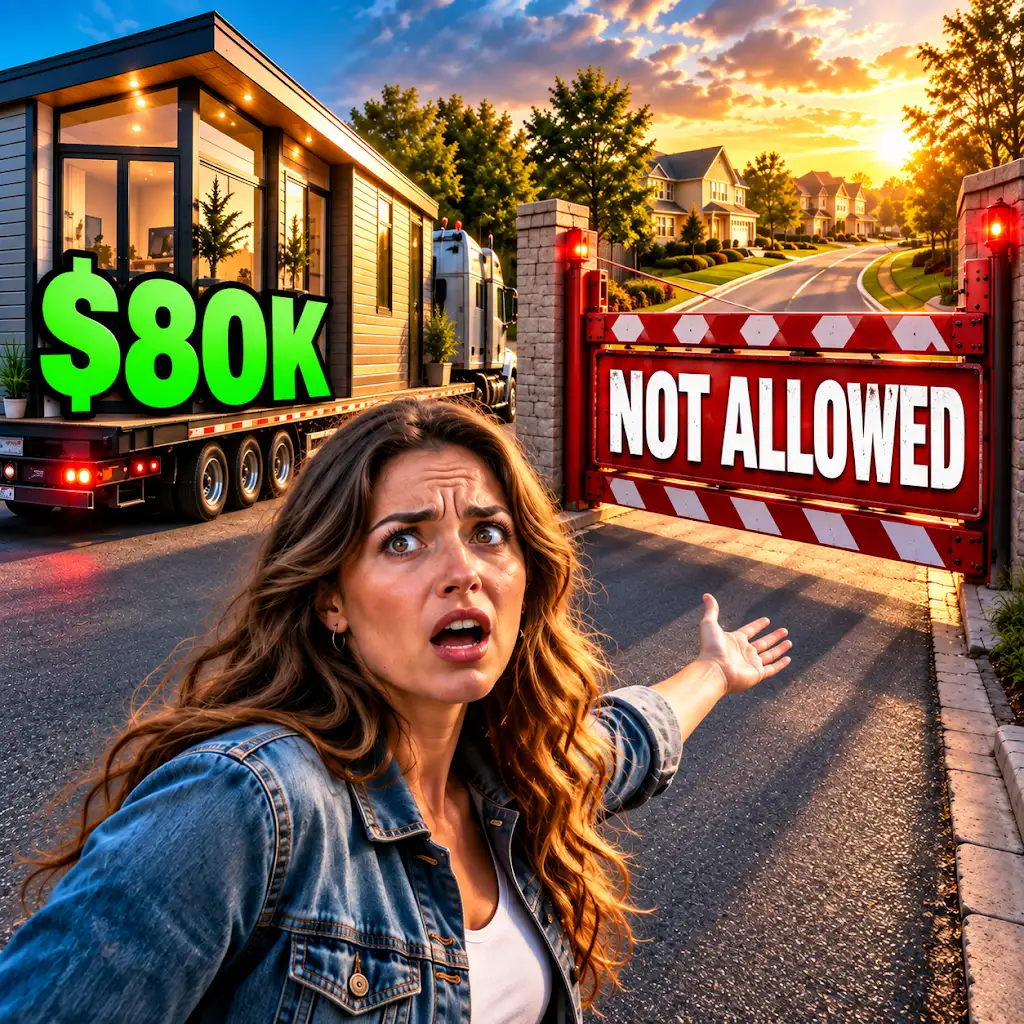
The $80,000 House You’re Not Allowed to Put Anywhere
FAQs
What is causing the housing shortage in America?
The housing shortage in America is primarily caused by a lack of new construction, restrictive zoning laws, high construction costs, and a growing population.
How does the housing shortage impact Americans?
The housing shortage leads to rising home prices, increased rental costs, overcrowding, homelessness, and limited housing options for low and middle-income families.
Are there any solutions to the housing shortage in America?
Some proposed solutions to the housing shortage in America include relaxing zoning regulations, increasing funding for affordable housing programs, incentivizing developers to build more housing units, and investing in infrastructure to support new construction.
Which regions in America are most affected by the housing shortage?
Major cities and metropolitan areas such as San Francisco, New York City, Los Angeles, and Seattle are among the regions most affected by the housing shortage due to high demand and limited supply.
How does the housing shortage impact the economy?
The housing shortage can have negative effects on the economy by limiting job growth, reducing mobility for workers, increasing income inequality, and hindering overall economic productivity.