You’ve likely noticed the hum of your appliances, the glow of your screens, the steady stream of power that underpins your daily life. But have you considered that this seemingly constant flow of electricity is actually experiencing a significant surge across the United States? You’re not imagining it; the nation’s electricity demand is rebounding, and the reasons behind this resurgence are multifaceted and deeply intertwined with technological advancements, economic shifts, and evolving societal priorities. Understanding these drivers is crucial, as they shape everything from the reliability of your power to the future of energy infrastructure.
This isn’t just a minor uptick; it’s a palpable shift, a robust rebound that’s demanding more power than many anticipated. For years, the narrative surrounding electricity demand was one of steady, sometimes even declining, growth. Efficiency improvements, a shift away from heavy industry, and the rise of more energy-conscious consumer behavior seemed to paint a picture of plateaued consumption. However, the present reality tells a different story. You are witnessing a significant increase, a demand that is pushing the boundaries of existing supply and prompting a serious re-evaluation of how you generate, transmit, and consume electricity. This article will delve into the key factors fueling this surging demand, helping you understand the forces at play and what they mean for your future energy landscape.
You might be accustomed to hearing about the “plateauing” or “declining” electricity demand trends of the past. It’s a narrative that persisted for a good while, fueled by increased energy efficiency across homes and industries, and a general economic shift away from energy-intensive manufacturing. However, recent data paints a decidedly different picture. You are currently experiencing a significant and sustained increase in electricity consumption, a phenomenon that has surprised many analysts and policymakers. This isn’t a temporary blip; it’s a discernible trend that demands your attention.
Historical Trends and the Recent Reversal
For much of the late 20th and early 21st centuries, electricity demand growth in the United States was relatively modest. You saw significant gains in energy efficiency, particularly in appliances, lighting, and industrial processes. Furthermore, the transition of the U.S. economy away from heavy manufacturing towards a more service-based economy also played a role in moderating demand. There was a widespread belief that this trend would continue, leading to a relatively stable or even slightly declining demand for electricity over the coming decades. However, this prediction has been upended by a confluence of powerful new drivers that are now pushing demand upwards at an accelerated pace. You’re no longer in an era of stagnant demand; you’re in one of resurgence.
Key Indicators and Projections
What are the concrete signs of this surge? You can see it in the reports from energy agencies, in the increasing strain on power grids, and in the projections from leading energy forecasters. Organizations like the U.S. Energy Information Administration (EIA) are now revising their long-term electricity demand forecasts upwards, acknowledging the impact of these new growth areas. These aren’t just abstract numbers; they represent a tangible increase in the amount of electricity you need to generate and deliver to homes and businesses across the country. This upward revision in projections highlights the significant shift in the energy landscape that you are currently navigating.
The recent rise in electricity demand in the United States can be attributed to several factors, including economic recovery and increased reliance on electronic devices. For a deeper understanding of this trend and its implications, you can read a related article that explores the various elements driving this surge in consumption. To learn more, visit this article.
The Electrification of Everything: A Driving Force
Perhaps the most significant factor driving the surge in U.S. electricity demand is the sweeping trend of “electrification.” You are witnessing a fundamental shift across various sectors of the economy where fossil fuels are being replaced by electricity. This isn’t a niche movement; it’s a widespread adoption of electric alternatives in areas that have historically relied on gasoline, natural gas, or other combustion-based energy sources. This broad-based electrification is a primary engine of your escalating electricity needs.
Electric Vehicles: Charging Up the Demand
You’ve seen them on the roads, heard the hushed hum as they accelerate, and likely considered one for your own future transportation needs. Electric vehicles (EVs) are no longer a novelty; they are rapidly becoming a mainstream reality, and their impact on electricity demand is profound. As more and more of you transition to EVs, the need for charging infrastructure and the electricity to power those charges will inevitably skyrocket.
The Growth of EV Adoption
The adoption rates for electric vehicles are accelerating at a pace that few predicted just a few years ago. Government incentives, declining battery costs, and an expanding range of available models are all contributing to this boom. You are seeing a significant increase in new EV registrations, and the existing fleet is also growing. This means millions of vehicles that will soon be plugging into the grid for their daily power needs.
Charging Infrastructure and Grid Impact
The infrastructure required to support this burgeoning EV fleet is substantial. You need public charging stations, home charging installations, and the robust electrical grid capacity to handle the increased load, especially during peak charging times. Imagine a scenario where millions of people plug in their cars after work; this creates significant demand spikes that your grid must be prepared to meet. The development and deployment of this charging infrastructure, and the electricity it will consume, represent a massive new demand component.
Heat Pumps and Electric Heating: Warming Up to Electricity
Beyond transportation, your homes and buildings are also undergoing an electrification revolution, particularly when it comes to heating and cooling. Traditionally, natural gas furnaces and boilers have been the dominant forms of heating in many parts of the country. However, advancements in heat pump technology are making electric heating increasingly efficient and attractive.
Efficiency Gains in Heat Pump Technology
Modern heat pumps are remarkably efficient, capable of transferring heat from the outside air into your home even in colder climates. This is a significant departure from older, less effective electric resistance heating systems. The improved efficiency means that heating your home with electricity is becoming a more cost-effective and environmentally friendly option.
Replacing Natural Gas Furnaces
As you strive for lower carbon emissions, replacing aging natural gas furnaces and boilers with electric heat pumps is becoming a priority for homeowners and building managers alike. This transition directly translates to a substantial increase in electricity consumption for heating purposes, a sector that was previously dominated by other fuel sources.
Industrial Electrification and Modernization
The electrification trend extends beyond residential and transportation sectors. Many industries are also looking to electrify their processes to improve efficiency, reduce emissions, and adopt newer, more advanced technologies. This industrial shift represents a significant, albeit often less visible, driver of increased electricity demand.
Modernizing Manufacturing Processes
New manufacturing technologies and the automation of existing processes often rely heavily on electric power. You’re seeing investments in advanced robotics, electric furnaces for certain applications, and other electrically intensive equipment that boosts productivity and requires more electricity to operate.
Demand for Data Centers and Digital Infrastructure
The ever-expanding digital world is a voracious consumer of electricity. The growth of cloud computing, artificial intelligence, and the Internet of Things (IoT) has led to an exponential increase in the number of data centers. These facilities, which house the servers and infrastructure that power our digital lives, are incredibly energy-intensive, requiring constant power for operation and cooling.
The Digital Revolution: Powering Our Connected Lives
You live in an increasingly digital world, a reality that is fundamentally reshaping your energy consumption patterns. The proliferation of connected devices, the explosion of data, and the underlying infrastructure that supports it all are placing unprecedented demands on your electricity grid. This digital revolution is not a fleeting trend; it’s a continuous evolution that is steadily driving up your need for electricity.
The Rise of Data Centers
As mentioned previously, data centers are a critical component of the digital infrastructure. Their growth is directly tied to the demand for online services, cloud computing, and the vast amounts of data generated by everything from streaming videos to smart home devices.
The Insatiable Appetite for Computing Power
The increasing sophistication of AI algorithms, machine learning models, and complex simulations all require immense computing power. Data centers are the physical manifestation of this demand, and their energy consumption is directly proportional to the processing power they house and operate.
Cooling Demands and Energy Efficiency Challenges
Beyond the energy needed for computing, data centers generate significant amounts of heat. Keeping these servers cool is paramount to their operation, and the cooling systems themselves are major electricity consumers. While advancements in cooling technologies are ongoing, the sheer scale of these facilities means their energy footprint remains substantial.
The Internet of Things (IoT) and Connected Devices
Your homes are becoming smarter, your cities are becoming more connected, and your daily lives are increasingly interwoven with a network of interconnected devices. The Internet of Things (IoT) encompasses everything from smart thermostats and refrigerators to wearable fitness trackers and industrial sensors.
Proliferation of Smart Devices
Every smart device, from your voice assistant to your smart light bulbs, requires electricity to function. While individual devices may have modest power requirements, the sheer volume of these devices in homes, businesses, and public spaces adds up to a significant aggregate demand. You are collecting and processing data from an ever-growing array of sensors and devices.
The Network Effect and Data Transmission
The seamless functioning of the IoT relies on robust communication networks. This includes the energy consumed by the Wi-Fi routers in your homes, the cell towers that connect your mobile devices, and the vast infrastructure that transmits and processes the data generated by these devices. The constant flow of information requires a continuous supply of electricity.
Economic Growth and Resurgent Industry
Beyond technological shifts, a revitalized economy and a renewed focus on domestic manufacturing are also contributing to the surge in electricity demand. You are seeing economic indicators point towards growth, and this growth often translates into increased industrial activity, which is inherently energy-intensive.
Renewed Interest in Manufacturing
There’s been a notable resurgence of interest in domestic manufacturing, driven by factors such as supply chain resilience, national security concerns, and a desire to create domestic jobs. This renewed focus on “made in America” often translates into investments in new factories and the expansion of existing ones.
Increased Production and Energy Consumption
Manufacturing facilities, by their very nature, are significant consumers of electricity. Whether it’s powering assembly lines, operating heavy machinery, or supporting specialized production processes, increased manufacturing output directly correlates with increased electricity demand.
Investment in New and Expanding Industries
Beyond traditional manufacturing, you are also seeing investment in new and emerging industries that are also electricity-intensive. This includes the growing renewable energy sector itself (manufacturing solar panels and wind turbines requires power), as well as industries involved in advanced materials, biotechnology, and other high-tech sectors.
As the economy continues to recover, there has been a noticeable increase in electricity demand across the United States. Factors such as the resurgence of industries, the growing adoption of electric vehicles, and the rise in remote work have all contributed to this trend. For a deeper understanding of the implications of this rising demand, you can explore a related article that discusses the broader economic impacts and future projections for energy consumption. This insightful piece can be found here.
Policy and Regulatory Drivers: Incentivizing Electrification
| Reasons for Rising US Electricity Demand | Metrics |
|---|---|
| Population Growth | Increased number of households |
| Economic Growth | Rise in industrial and commercial activities |
| Technological Advancements | Higher usage of electronic devices and appliances |
| Climate Change | Increased need for cooling due to rising temperatures |
Government policies and regulatory frameworks are playing a crucial role in encouraging and accelerating the trends driving electricity demand. Many of these policies are designed to promote cleaner energy sources, reduce carbon emissions, and foster technological innovation.
Federal and State Incentives for EVs and Electrification
You’ve likely seen or heard about government incentives designed to make the transition to electric vehicles and other electrified technologies more accessible. These can include tax credits, rebates, and subsidies that reduce the upfront cost of purchasing EVs or installing electric heating systems.
Tax Credits and Rebates
These financial incentives are a powerful tool for influencing consumer and business behavior. By making electrified options more affordable, governments are effectively encouraging a faster adoption rate, which in turn drives up electricity demand.
Emissions Reduction Targets and Mandates
Many states and the federal government have set ambitious targets for reducing greenhouse gas emissions. Electrification is seen as a key strategy for achieving these targets, as it allows for the displacement of fossil fuels with electricity, which can be generated from increasingly clean sources. This can include mandates for EV sales or the phasing out of certain fossil fuel-powered appliances.
Investments in Grid Modernization and Renewable Energy
To support the growing demand, significant investments are being made in modernizing the electricity grid and expanding renewable energy generation. These investments are often driven by government policy and are essential for ensuring a reliable and sustainable power supply for the future.
Smart Grid Technologies
The development and deployment of smart grid technologies aim to improve the efficiency and reliability of electricity distribution. These technologies allow for better monitoring of demand, more efficient management of power flow, and can help to integrate decentralized energy sources.
Growth of Renewable Energy Sources
While renewable energy sources like solar and wind primarily generate electricity, their construction, operation, and integration into the grid also have energy implications. Furthermore, the increasing capacity of these sources is essential to meet the growing demand in a sustainable manner.
In conclusion, the surging U.S. electricity demand is not a singular event but rather a complex interplay of technological innovation, economic shifts, and deliberate policy decisions. You are witnessing a fundamental transformation in how you power your lives, moving towards a more electrified future. Understanding these driving forces is essential for navigating the evolving energy landscape and ensuring a reliable, affordable, and sustainable power supply for generations to come. The story of this surge is still being written, and your active engagement in understanding and shaping it is more important than ever.
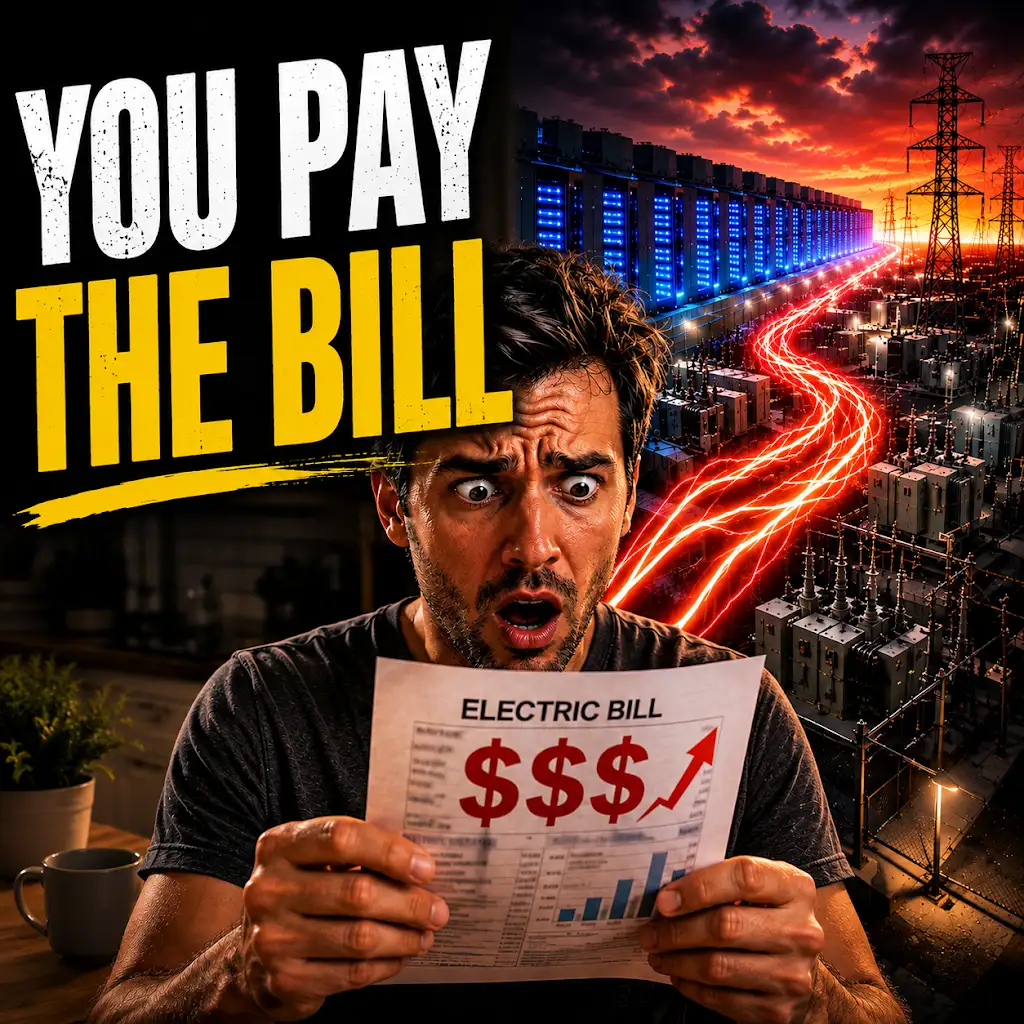
Is AI About to Make Your Electric Bill Even Higher?
FAQs
1. What factors are contributing to the rise in US electricity demand?
The rise in US electricity demand can be attributed to several factors, including population growth, economic expansion, increased use of electric vehicles, and the growing prevalence of electronic devices and appliances in households and businesses.
2. How does population growth impact electricity demand?
As the population in the US continues to grow, the demand for electricity also increases. More people means more households and businesses requiring electricity for daily activities, leading to a higher overall demand for power.
3. What role does economic expansion play in the increase in electricity demand?
Economic expansion typically leads to increased industrial and commercial activity, which in turn requires more electricity to power factories, offices, and other facilities. As the economy grows, so does the demand for electricity.
4. How are electric vehicles contributing to the rise in electricity demand?
The growing adoption of electric vehicles (EVs) is contributing to the rise in electricity demand. Charging EVs requires electricity, and as more people switch to electric vehicles, the overall demand for power increases.
5. What impact does the prevalence of electronic devices and appliances have on electricity demand?
The increasing prevalence of electronic devices and appliances in households and businesses is also driving up electricity demand. From smartphones and laptops to refrigerators and air conditioners, the use of these devices and appliances requires more electricity to power them, contributing to the overall rise in demand.