
As you delve into the realm of sustainable water solutions, it becomes increasingly clear that water is not just a resource; it is a fundamental pillar of life. The growing global population, coupled with climate change and urbanization, has put immense pressure on freshwater resources. You may find it alarming that by 2025, two-thirds of the world’s population could be living in water-stressed conditions.
This reality underscores the urgent need for sustainable water management practices that ensure equitable access to clean water while preserving ecosystems. By understanding the importance of sustainable water solutions, you position yourself to contribute to a critical global challenge. Moreover, sustainable water solutions encompass a wide range of practices, from efficient water use and conservation to advanced treatment technologies.
As you explore this field, you will discover that these solutions not only address immediate water scarcity issues but also promote long-term resilience against climate variability. Investing in sustainable water practices can lead to significant economic benefits, including job creation in green technologies and infrastructure development. By recognizing the importance of these solutions, you can play a vital role in fostering a more sustainable future for generations to come.
Key Takeaways
- Sustainable water solutions are crucial for addressing global water scarcity and environmental challenges.
- Investment opportunities in water infrastructure can offer both financial returns and positive social impact.
- Innovative technologies in water conservation and treatment are transforming the water sector.
- Evaluating environmental, social, and governance (ESG) criteria is essential for responsible water investments.
- A diversified, long-term strategy helps manage risks and capitalize on the growing global water market.
Identifying Investment Opportunities in Water Infrastructure
When it comes to investing in water infrastructure, you have a plethora of opportunities at your fingertips. The demand for modernized water systems is on the rise, driven by aging infrastructure and the need for improved efficiency. As you assess potential investments, consider the various sectors within water infrastructure, such as treatment facilities, distribution networks, and stormwater management systems.
Each of these areas presents unique opportunities for growth and innovation, allowing you to align your investment strategy with the pressing needs of communities worldwide. In addition to traditional infrastructure projects, you should also explore emerging markets where water infrastructure is still developing. Many regions are investing heavily in building resilient systems to combat the effects of climate change and population growth.
By identifying these investment opportunities, you can not only achieve financial returns but also contribute to the development of sustainable water systems that benefit local populations. As you navigate this landscape, keep an eye on public-private partnerships, which often provide a pathway for innovative financing solutions and collaborative efforts in addressing water challenges.
Evaluating the Environmental and Social Impact of Water Investments
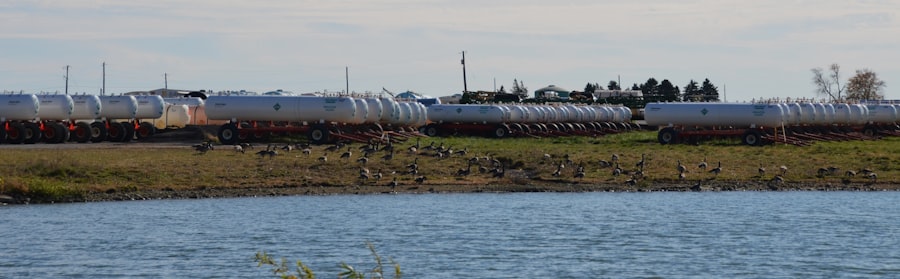
As you consider various water investments, it is essential to evaluate their environmental and social impacts. Sustainable investing goes beyond financial returns; it encompasses a commitment to creating positive outcomes for communities and ecosystems alike. You should assess how your investments affect local water quality, biodiversity, and community health.
By prioritizing projects that promote environmental stewardship and social equity, you can ensure that your investment choices align with your values and contribute to a more sustainable future. Furthermore, engaging with stakeholders is crucial in understanding the broader implications of your investments. You may want to conduct thorough due diligence by consulting with local communities, environmental organizations, and regulatory bodies.
This engagement will provide you with valuable insights into potential risks and benefits associated with specific projects. By taking a holistic approach to evaluating environmental and social impacts, you can make informed investment decisions that not only yield financial returns but also foster positive change in the communities you invest in.
Exploring Innovative Technologies in Water Conservation and Treatment
In your quest for sustainable water solutions, innovative technologies play a pivotal role in enhancing conservation and treatment efforts. As you explore this dynamic landscape, you will encounter cutting-edge advancements such as smart irrigation systems, membrane filtration technologies, and decentralized wastewater treatment solutions. These innovations not only improve efficiency but also reduce costs associated with water management.
By staying informed about these technologies, you can identify investment opportunities that leverage their potential for transformative impact. Moreover, the integration of data analytics and artificial intelligence into water management systems is revolutionizing how we approach conservation efforts. You may find that predictive analytics can optimize water usage in agriculture or urban settings, leading to significant reductions in waste.
By investing in companies that are at the forefront of these technological advancements, you position yourself to capitalize on the growing demand for efficient water solutions while contributing to a more sustainable future.
Assessing the Financial Viability of Water-related Investments
| Metric | Description | Importance | Example Values |
|---|---|---|---|
| Water Use Efficiency | Measures the volume of water used per unit of output or service | High – Indicates sustainable water management and reduced waste | Liters per kWh, liters per unit produced |
| Return on Investment (ROI) | Financial return generated from investing in water solutions | High – Critical for assessing profitability and sustainability of projects | 5% – 15% annually |
| Water Quality Improvement | Degree to which water treatment solutions improve water quality | High – Ensures safe and clean water supply | Reduction in contaminants (e.g., 90% reduction in pollutants) |
| Energy Consumption | Energy used per volume of water treated or supplied | Medium – Lower energy use supports sustainability goals | kWh per cubic meter of water |
| Scalability | Ability to expand water solutions to larger populations or areas | High – Important for long-term impact and investment growth | Small pilot to city-wide implementation |
| Regulatory Compliance | Adherence to local and international water standards and laws | High – Avoids legal risks and supports sustainable practices | Full compliance with EPA, WHO guidelines |
| Social Impact | Effect on communities, including access to clean water and health benefits | High – Key for ESG and impact investing criteria | Number of people served, reduction in waterborne diseases |
As you navigate the world of water-related investments, assessing financial viability is paramount. You should begin by analyzing market trends and demand forecasts for water services and technologies. Understanding the economic landscape will help you identify which sectors are poised for growth and which may face challenges.
Additionally, consider the regulatory environment and potential government incentives that could impact the financial performance of your investments. It is also essential to evaluate the financial health of companies within the water sector. You may want to examine key performance indicators such as revenue growth, profit margins, and return on investment.
By conducting thorough financial analyses, you can make informed decisions that align with your investment goals while minimizing risks. Remember that while financial returns are important, investing in sustainable water solutions can also yield intangible benefits that contribute to long-term value creation.
Examining the Regulatory Landscape for Water Investments
The regulatory landscape surrounding water investments is complex and ever-evolving. As you explore this terrain, it is crucial to stay informed about local, national, and international regulations that govern water use and management. Understanding these regulations will help you navigate potential challenges and identify opportunities for compliance-driven investments.
You may find that certain regions offer incentives for sustainable practices or impose stricter regulations on water usage, which can significantly impact investment decisions. Moreover, engaging with policymakers and industry experts can provide valuable insights into upcoming regulatory changes that may affect your investments. By staying ahead of the curve, you can position yourself strategically within the market and capitalize on emerging opportunities.
As you examine the regulatory landscape, consider how your investments align with broader sustainability goals and initiatives aimed at addressing global water challenges.
Diversifying Your Portfolio with Water-related Assets
Diversification is a key principle in investment strategy, and incorporating water-related assets into your portfolio can enhance its resilience and potential for growth. As you consider various options, think about including a mix of equities, bonds, and alternative investments focused on water infrastructure and technology. This diversification not only spreads risk but also allows you to tap into different segments of the growing water market.
You might also explore investment vehicles such as exchange-traded funds (ETFs) or mutual funds that specialize in water-related assets.
By diversifying your portfolio with these assets, you can align your financial goals with your commitment to sustainability while benefiting from the increasing demand for innovative water solutions.
Considering the Risks and Challenges of Investing in Water
While investing in water presents numerous opportunities, it is essential to acknowledge the inherent risks and challenges associated with this sector. Water scarcity, climate change impacts, and regulatory uncertainties can pose significant threats to investment performance. As you navigate these challenges, it is crucial to conduct thorough risk assessments and develop strategies to mitigate potential downsides.
Additionally, geopolitical factors can influence water availability and access in certain regions. You should remain vigilant about global trends that may affect supply chains or create instability in water markets. By understanding these risks and challenges, you can make informed decisions that balance potential rewards with prudent risk management strategies.
Incorporating ESG Criteria in Water Investment Decision-making
Incorporating Environmental, Social, and Governance (ESG) criteria into your investment decision-making process is becoming increasingly important in today’s market landscape. As you evaluate potential water investments, consider how companies align with ESG principles. This approach not only enhances your portfolio’s sustainability but also reflects a growing demand from investors for responsible business practices.
You may want to assess factors such as a company’s commitment to reducing its environmental footprint, its engagement with local communities, and its governance structure. By prioritizing investments that meet robust ESG criteria, you can contribute to positive social outcomes while potentially enhancing long-term financial performance. This alignment between values and investment strategy can lead to greater satisfaction as an investor while supporting a more sustainable future.
Navigating the Global Water Market
The global water market is vast and multifaceted, offering a wealth of opportunities for savvy investors like yourself. As you navigate this market, it is essential to understand regional differences in water availability, infrastructure needs, and regulatory frameworks. Each region presents unique challenges and opportunities that can influence investment decisions.
You may find it beneficial to focus on emerging markets where demand for clean water solutions is rapidly increasing due to population growth and urbanization. These regions often require significant investment in infrastructure development and technology adoption. By strategically positioning yourself within these markets, you can capitalize on growth potential while contributing to meaningful improvements in global water access.
Building a Long-term Investment Strategy for Sustainable Water Solutions
As you embark on your journey toward investing in sustainable water solutions, developing a long-term strategy is crucial for success. Begin by defining your investment goals and aligning them with your values regarding sustainability and social impact. Consider how much risk you are willing to take on and what time horizon suits your investment objectives.
Incorporate regular assessments of your portfolio’s performance against both financial metrics and sustainability benchmarks. This ongoing evaluation will allow you to make necessary adjustments while ensuring that your investments continue to align with evolving market conditions and societal needs. By building a comprehensive long-term investment strategy focused on sustainable water solutions, you position yourself not only for financial success but also for making a positive impact on global water challenges.
For those interested in exploring sustainable water solutions, a comprehensive investing guide can provide valuable insights into the best practices and opportunities in this vital sector. A related article that delves deeper into sustainable investment strategies can be found at this link. This resource offers a wealth of information on how to effectively invest in water sustainability initiatives, ensuring that your investments contribute positively to both the environment and your financial portfolio.
WATCH THIS! ⚠️ Wall Street’s Water Grab: Why The $1.4 Trillion Water Commodity Is Your Biggest Risk
FAQs
What are sustainable water solutions?
Sustainable water solutions refer to methods and technologies designed to manage water resources efficiently and responsibly, ensuring long-term availability while minimizing environmental impact. These solutions often include water recycling, rainwater harvesting, wastewater treatment, and water-efficient infrastructure.
Why is investing in sustainable water solutions important?
Investing in sustainable water solutions is crucial due to increasing global water scarcity, population growth, and climate change. These investments help secure water supply, promote environmental conservation, and support economic development by reducing water-related risks.
What types of companies are involved in sustainable water solutions?
Companies involved in sustainable water solutions include those specializing in water treatment technologies, infrastructure development, water management software, desalination, and water-efficient products. These can range from startups to established multinational corporations.
How can investors evaluate sustainable water solution opportunities?
Investors can evaluate opportunities by assessing a company’s technology innovation, market potential, regulatory environment, financial health, and commitment to sustainability. Understanding the specific water challenges addressed and the scalability of solutions is also important.
What are common risks associated with investing in sustainable water solutions?
Common risks include regulatory changes, technological obsolescence, high capital costs, market competition, and geopolitical factors affecting water resources. Additionally, environmental and social risks may impact project viability.
Are there specific financial instruments for investing in sustainable water solutions?
Yes, investors can access sustainable water solutions through stocks, bonds (including green bonds), mutual funds, exchange-traded funds (ETFs), and private equity focused on water infrastructure and technology companies.
How does sustainable water investing contribute to environmental goals?
Sustainable water investing supports environmental goals by promoting efficient water use, reducing pollution, protecting aquatic ecosystems, and enhancing resilience to climate change impacts, aligning with global sustainability frameworks like the UN Sustainable Development Goals.
What role do governments play in sustainable water solutions investing?
Governments often provide regulatory frameworks, incentives, subsidies, and public-private partnerships to encourage investment in sustainable water solutions. They also set water quality standards and infrastructure development priorities.
Can sustainable water solutions generate financial returns?
Yes, sustainable water solutions can generate competitive financial returns by addressing critical water challenges, creating market demand, and benefiting from supportive policies and growing awareness of water sustainability.
Where can investors find more information about sustainable water solutions?
Investors can find information through industry reports, financial news, sustainability-focused investment platforms, government publications, and organizations specializing in water resource management and environmental sustainability.