
The Strategic Pause: Why You Might Want to Use PTO Before Resigning
You’ve reached a crossroads in your career. Perhaps you’re feeling burnt out, ready for a new challenge, or you’ve simply found a better opportunity. Whatever the reason, the decision to leave your current role is significant. But before you march into your manager’s office with that resignation letter, a different kind of question might be simmering: should you use your accrued Paid Time Off (PTO) before giving notice? This isn’t a trivial consideration; it can have tangible implications for your financial well-being, your professional reputation, and your overall transition experience. Let’s dive deep into the pros and cons of this strategic pause, helping you weigh the decision with clarity and confidence.
When considering whether to take PTO before giving notice at your job, it’s essential to weigh the potential benefits and drawbacks. For a deeper understanding of this topic, you might find it helpful to read a related article that discusses various strategies for managing your time off and resignation process. You can explore more about this subject in the article found here: How Wealth Grows.
Evaluating the Financial Implications: Cashing In or Cashing Out?

One of the most immediate and impactful considerations when contemplating using PTO before giving notice is the financial aspect. This involves understanding how your unused PTO will be handled by your employer upon departure and how strategically taking time off might affect your final payout.
The Payout Puzzle: What Happens to Your Unused PTO?
The first step in evaluating the financial implications is to understand your company’s policy on unused PTO payout upon termination. This is not a universal standard and varies significantly by state and company. Some states mandate that employers pay out accrued, unused vacation time upon an employee’s departure, whether voluntary or involuntary. Other states do not have such mandates, leaving it to company policy.
- Mandated Payout States: If you work in a state where PTO payout is legally required, you are generally entitled to receive compensation for your unused vacation days. This can be a significant sum, especially if you have accumulated a substantial amount of PTO. In such cases, using PTO before giving notice might seem less financially critical, as you’ll likely get paid for it anyway. However, the timing of when you receive this payout can still be a factor.
- Company Policy Driven Payouts: In states without mandates, your employer’s policy is king. Many companies have policies that state they will pay out unused vacation time, often as a goodwill gesture or to remain competitive. Conversely, some companies explicitly state that unused PTO is forfeited upon resignation. If your company policy dictates forfeiture, using your PTO before giving notice becomes a near certainty if you want to benefit from it.
It’s crucial to consult your employee handbook or HR department to get a definitive answer on your company’s policy and any relevant state laws. Knowing whether you will be paid for unused PTO regardless of when you take it is fundamental to making an informed decision.
The Income Stream Advantage: Bridging the Gap
Using PTO before giving notice can create a temporary, albeit paid, hiatus between your old job and your next. This can be particularly beneficial if you don’t have another position lined up immediately or if there’s a gap between your last day at your current job and your start date at a new one.
- Avoiding Unpaid Periods: If you anticipate a period of unemployment between jobs, taking your accrued PTO can effectively extend your paid employment. Instead of having a week or two of unpaid time off, you can use your PTO to continue receiving a paycheck. This can significantly alleviate financial stress and allow you to manage your expenses without interruption.
- Maintaining Financial Stability: For some, the stability of a regular paycheck is paramount. Using PTO before resigning ensures that this stability continues for a little longer, providing a buffer as you navigate the job search or prepare for your new role. This can be especially important if you have financial obligations like mortgages, rent, or loans that require consistent income.
This approach allows you to essentially “bank” your earned time off, transforming it into a financial bridge rather than a potentially lost benefit.
The Double Dip Dilemma: When PTO Payout and Usage Collide
There’s a potential pitfall to be aware of: some employers might have policies that prevent you from both using your PTO and receiving a payout for it. This is less common but can occur, especially in less structured environments.
- Policy Ambiguity: Carefully review your company’s PTO policy. Does it state that all accrued PTO must be used by your last day? Does it specify that if PTO is used, it won’t be paid out? Understanding these nuances is vital. If the policy is ambiguous, it’s best to seek clarification from HR.
- Negotiation Tactics: In some situations, if your PTO payout is not guaranteed or if you have a significant amount of accrued time, you might be able to negotiate with your employer. For instance, you could propose using a portion of your PTO and receiving a payout for the remainder, or vice versa. However, such negotiations are often at the discretion of the employer and depend on your relationship with them and the company culture.
Understanding these financial intricacies ensures you’re not inadvertently losing out on earned compensation or making a decision that negatively impacts your bottom line.
Preserving Your Professional Reputation: The Image You Project

Beyond the financial considerations, how you handle your departure can significantly influence your professional reputation. Using PTO before giving notice can be viewed in different lights, and understanding these perceptions is key to maintaining positive relationships.
The “Disappearing Act”: Avoiding the Appearance of Flight
One of the primary concerns when considering taking PTO before resigning is the perception it might create. If you take a substantial chunk of time off immediately before announcing your departure, some might interpret it as a deliberate attempt to “disappear” or avoid your responsibilities, leaving your team in a lurch.
- The Optics of Absence: Imagine telling your team you’re going on vacation for two weeks, and then immediately after returning, you hand in your notice. While you’re entitled to your vacation, the timing might appear opportunistic rather than genuine. This can cast a shadow over your departure, potentially making it harder to secure a positive reference or maintain good relationships.
- Team Impact: Your absence, especially if it’s lengthy and immediately precedes your resignation, can place an undue burden on your colleagues. They might have to pick up your slack, deal with your unfinished projects, and scramble to cover your duties during your time off. This can breed resentment and negatively impact how you’re remembered.
It’s important to consider the collective responsibility you have to your team and the potential disruption your extended absence could cause, particularly if it’s right before you leave them to manage.
The “Recharge and Re-engage” Argument: A Strategic Break
On the flip side, using PTO before giving notice can also be framed as a strategic move to recharge and re-engage before embarking on the next chapter of your career. A well-timed break can lead to a more focused and energized final period at your current role.
- Preventing Burnout: If you’ve been feeling burnt out, taking time off can be crucial for your mental and physical well-being. Returning refreshed, you can often be more productive, tackle your remaining tasks with renewed vigor, and have more constructive conversations during your notice period. This can lead to a smoother, more positive exit.
- Increased Productivity: paradoxically, taking time off can sometimes lead to increased productivity upon your return. When you’re not exhausted, you’re more likely to be efficient, focused, and able to wrap up your responsibilities effectively. This can leave a stronger final impression than departing while feeling completely drained.
This perspective emphasizes that PTO is an earned benefit, and using it to ensure you can finish strong, rather than fading out due to exhaustion, can be a responsible and professional choice.
The “Clean Handover” Advantage: Ensuring Continuity
The manner in which you transition your responsibilities is paramount to leaving a positive legacy. Taking PTO after giving notice and before your final day is a more conventional approach that allows for a structured handover. However, taking it before notice can sometimes be managed to facilitate this.
- Pre-Notice Preparation: If you anticipate taking PTO before giving notice, you could use the time leading up to it to meticulously document your ongoing projects, create detailed handover notes, and delegate tasks where possible. This proactive approach can mitigate the impact of your absence on your colleagues.
- Strategic Scheduling: Consider the timing of your PTO. If you can strategically schedule it to minimize disruption, for example, during a naturally slower period or at the beginning of a month where project cycles are typically reviewed, it can be less impactful.
The goal is to ensure that your departure, regardless of when you choose to take your accrued time, doesn’t leave your colleagues scrambling or damage ongoing projects. A well-executed handover is always a sign of professionalism.
Navigating the Notice Period: How PTO Intersects with Your Departure Timeline
The notice period is the time between when you formally resign and your last day of employment. How you utilize PTO in relation to this period can significantly impact the perception of your exit and your ability to finalize your responsibilities.
The “Extended Goodbye”: A Gradual Transition
Using PTO before giving notice can effectively extend your “last day” in a sense, by providing a paid break before you formally begin your exit. This can offer a more gradual transition, allowing you to decompress before facing the direct conversations and tasks associated with your resignation.
- Psychological Separation: For some, the ability to step away from the day-to-day demands of their role before the official resignation conversation can be psychologically beneficial. It allows for a mental separation from the current environment, providing space to reflect and prepare for the next steps without the immediate pressure of daily work.
- Reduced Stress During Transition: By taking your PTO beforehand, you might enter your notice period feeling less stressed and more prepared to handle the tasks associated with leaving, such as completing exit interviews, returning company property, and saying your goodbyes. This can contribute to a more positive and less frantic final chapter.
This approach allows you to gain some personal space before the inevitable administrative and interpersonal aspects of leaving begin.
The “Earned Break” Within the Notice Period
Alternatively, many choose to take their PTO during their notice period. This is often seen as a more standard and less disruptive approach, as it occurs after the resignation has been communicated and the handover process has begun.
- Acknowledging the End: Taking PTO during the notice period can be a way to acknowledge the end of your tenure and enjoy some earned rest before moving on. It’s a common practice and generally well-understood by employers.
- Facilitating a Smooth Exit: If strategically planned, taking PTO during the notice period can allow you to have a final, focused period of work before your break, ensuring that critical tasks are addressed. You can then use the PTO to decompress, attend to personal matters, or even begin a new role if there’s an immediate transition.
The key here is clear communication with your employer about when you intend to take this time, ensuring it aligns with their operational needs and the handover plan.
The “Double Dip” Caution: Using PTO and Getting Paid for it After Resignation
A significant concern that arises when considering using PTO before giving notice is the potential for conflicts with company policy regarding payout of unused PTO. While you might be entitled to a payout for unused vacation time, some policies may stipulate that if you use your PTO, you forfeit the payout for those specific days.
- Policy Interpretation: It’s vital to understand your company’s policy on PTO usage and payout. Some companies will pay out all accrued, unused vacation time regardless of when it was taken. Others might have clauses that state any PTO used is considered “taken” and therefore not eligible for payout.
- Seeking Clarification: If you are unsure, proactively ask your HR department for clarification. A straightforward question like, “If I use my accrued PTO before my last day, will I still receive a payout for any remaining unused PTO, or are the days I use deducted from the payout?” can save you from potential misunderstandings.
Understanding these rules upfront is crucial to avoid any surprises or perceived attempts to “double dip” your benefits.
When considering whether to take PTO before giving notice at your job, it’s essential to weigh the potential benefits and drawbacks of your decision. A related article that offers valuable insights on this topic can be found here, where you can explore various perspectives and strategies. Understanding the implications of your choice can help you navigate the transition more smoothly and maintain a positive relationship with your employer.
Maximizing Your Exit: Professionalism and Future Prospects
| Factor | Considerations | Pros | Cons | Recommendation |
|---|---|---|---|---|
| Company Policy | Rules about PTO usage before resignation | May allow smooth PTO usage | Some companies prohibit PTO before notice | Review employee handbook before planning |
| Relationship with Employer | Trust and communication level | Good relationship may allow PTO before notice | Poor relationship may lead to PTO denial or negative impact | Consider discussing plans openly if possible |
| Financial Considerations | Paid time off payout policies | Using PTO before notice can provide paid time off | Some companies do not pay out unused PTO if notice not given | Check payout policies before taking PTO |
| Professionalism | Impact on reputation and references | Giving notice first is seen as professional | Taking PTO before notice may be viewed negatively | Generally advisable to give notice before PTO |
| Timing | Urgency of leaving and PTO availability | Using PTO before notice can ease transition | May complicate handover and workload management | Plan PTO and notice timing carefully |
Ultimately, the decision to use PTO before giving notice should be weighed against how it impacts your future professional life. Your reputation is a valuable asset, and how you manage your departure can influence future opportunities.
The Power of a Positive Last Impression
Regardless of whether you take PTO before or after giving notice, ensuring a positive final impression is paramount. This involves being professional, communicative, and completing your responsibilities to the best of your ability.
- Clear Communication is Key: Whether you take PTO before or during your notice period, transparent communication with your manager and team is essential. Clearly explain your intentions and how you plan to ensure a smooth handover.
- Completing Your Duties: Make every effort to complete outstanding tasks, document your work thoroughly, and assist in training your replacement. A diligent and responsible exit leaves a lasting positive impression.
- Exit Interview Etiquette: Participate constructively in your exit interview. This is an opportunity to provide feedback, but it should be done professionally and without animosity.
Your final days at a company are often what people remember most, so treating them with respect and professionalism is always a wise strategy.
The Reference Riddle: Will Your Choice Impact Future Recommendations?
Your former employer can be a valuable source of references for future job applications. The way you handle your departure, including the use of PTO before resignation, can subtly influence the tone and content of these references.
- Perception of Commitment: If your PTO usage before resignation is perceived as an attempt to “check out” early or avoid responsibilities, it could color a reference. A manager might hesitate to provide a glowing recommendation if they feel you didn’t handle your exit with full commitment.
- Focus on Contribution: Conversely, if you’ve used your PTO strategically to recharge and then returned to finish strong, or if you’ve meticulously planned your handover despite taking time off, your professionalism can still shine through. A good reference will often focus on your contributions and work ethic.
It’s always a good practice to maintain positive relationships with your managers and colleagues. If you anticipate any issues with references, consider discussing your exit strategy openly with your manager.
The “Burnout Recovery” Narrative: Framing Your Break Positively
If your primary motivation for taking PTO before resigning is to address burnout, framing this positively is important. This narrative can be presented as a proactive measure to ensure you can transition effectively and avoid leaving your employer in a difficult situation.
- Taking Ownership: Instead of simply stating you’re taking PTO, you can explain that you’ve recognized a need to recharge to ensure you can complete your final responsibilities effectively and transition smoothly. This demonstrates self-awareness and a commitment to professionalism.
- Professionalism in Action: By using your PTO proactively, you are essentially ensuring that you can leave on a high note, rather than burning out and potentially impacting ongoing projects or team morale. This can be seen as a responsible use of your earned benefits.
Presenting your decision in this light can help mitigate any negative perceptions and highlight your commitment to a professional exit.
The Final Verdict: A Personalized Decision Tree
The question of whether to take PTO before giving notice isn’t one-size-fits-all. It’s a deeply personal decision that hinges on your individual circumstances, company policies, and your professional goals. By carefully considering the pros and cons outlined above, you can navigate this decision with greater confidence and ensure a smoother, more strategic transition out of your current role and into your next adventure.
Consulting Your Company Policies and HR Department
As emphasized throughout this discussion, the absolute first step in making this decision is to thoroughly understand your employer’s policies.
- Employee Handbook Review: Dive into your employee handbook. Look for sections pertaining to PTO accrual, usage, payout upon termination, and resignation procedures. Pay close attention to any language that might dictate how PTO is handled if you resign.
- Direct HR Engagement: Do not hesitate to schedule a meeting or send a formal inquiry to your HR department. Ask specific questions about their policies regarding PTO payout and usage in the context of resignation. Clarify any ambiguities. This proactive step can save you from potential misunderstandings and ensure you’re acting within company guidelines.
Weighing Your Personal Financial Situation
Your financial needs and comfort level will play a significant role in your decision.
- Emergency Fund Assessment: Evaluate your personal financial situation. Do you have a robust emergency fund that can cover your expenses during a potential gap between jobs? If not, using PTO to bridge this gap might be a higher priority.
- Upcoming Expenses: Consider any significant financial commitments you have in the immediate future. If you have large upcoming expenses (e.g., down payment on a house, tuition fees), ensuring continuous income through PTO might be crucial.
Assessing Your Professional Relationships and Reputation
Think about the long-term impact of your decision on your career trajectory.
- Your Manager’s Style: Consider your relationship with your manager and their typical reaction to employee actions. Are they generally understanding and flexible, or more rigid? This can influence how your PTO usage might be perceived.
- Industry Norms: Are there any prevailing norms within your industry regarding PTO usage before resignation? While not binding, understanding these can help you align your decision with industry expectations.
- Future Reference Needs: Reflect on how crucial references from your current employer might be for your future career. If you anticipate needing a strong, enthusiastic reference, ensure your exit strategy, including PTO usage, doesn’t jeopardize that.
Considering the Health of Your Current Role
The condition of your current job and your desire to leave it can also inform your decision.
- Burnout Severity: How severe is your burnout? If you are severely burnt out and feel you cannot effectively complete your responsibilities during a notice period, taking PTO beforehand to recover and then resigning might be the most responsible approach for both you and your employer.
- Urgency of Departure: Is there an urgent need for you to leave, perhaps due to a new job offer with a rapid start date? If so, using PTO before giving notice might be a way to manage the transition effectively.
Ultimately, the decision is yours. By approaching it with diligence, research, and a clear understanding of your priorities, you can make an informed choice that best serves your interests and preserves your professional standing.
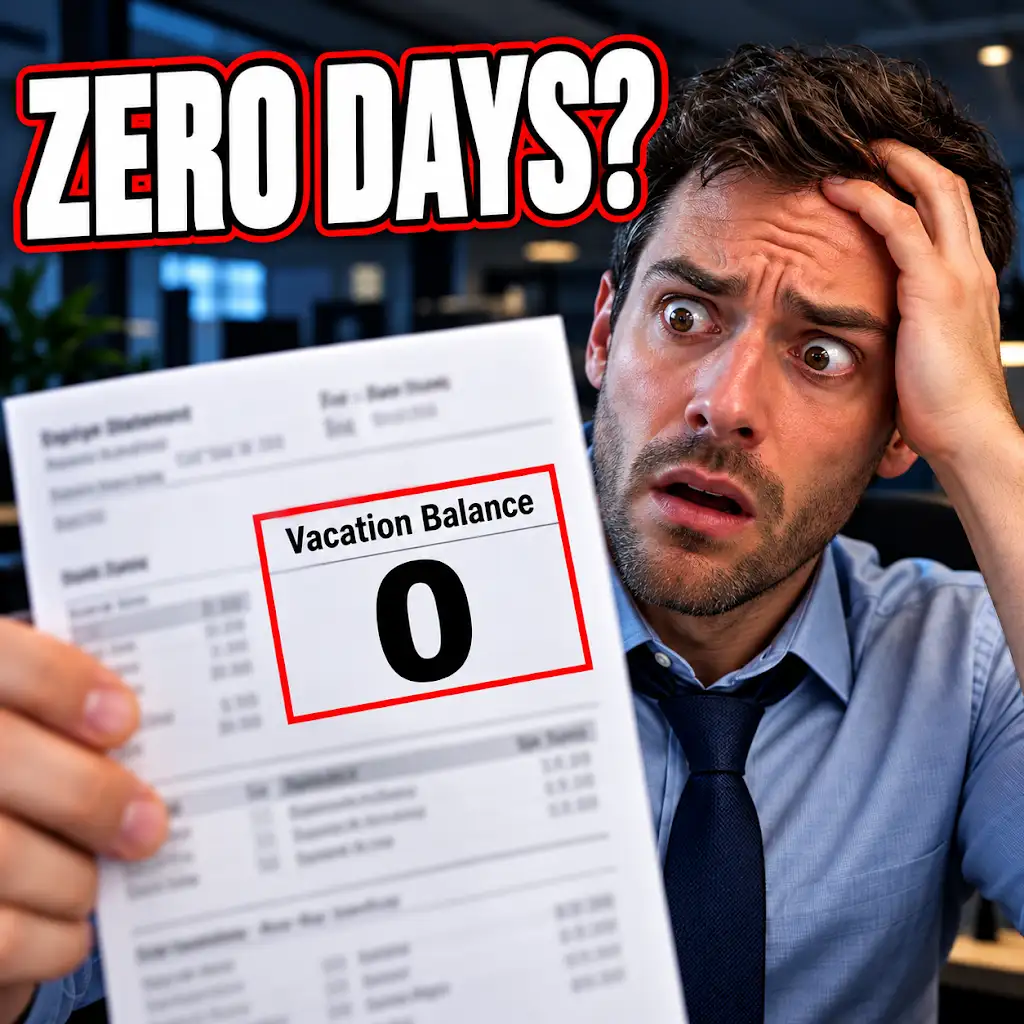
Unlimited PTO Sounds Generous—Until You Leave the Job
FAQs
1. Can I use my PTO before giving notice at work?
Yes, you can typically use your accrued paid time off (PTO) before giving notice at work. However, it’s important to review your company’s policies and consider the potential impact on your colleagues and workload before taking time off.
2. Will I get paid for unused PTO if I take it before giving notice?
Whether you will be paid for unused PTO after taking it before giving notice depends on your company’s policies and state laws. Some companies may require employees to forfeit unused PTO if they resign without giving sufficient notice.
3. How much notice should I give before taking PTO and resigning?
It is generally recommended to give at least two weeks’ notice before taking PTO and resigning from your job. This allows your employer time to plan for your absence and transition your responsibilities smoothly.
4. What are the potential consequences of taking PTO before giving notice?
Taking PTO before giving notice can strain relationships with your colleagues and supervisors, especially if your absence creates additional work for them. It may also impact your reputation and future job references if not handled professionally.
5. Should I discuss my plans to take PTO before giving notice with HR or my manager?
It is advisable to discuss your plans to take PTO before giving notice with HR or your manager, especially if it is a significant amount of time off. This can help ensure a smooth transition and minimize any negative impact on your team and workload.