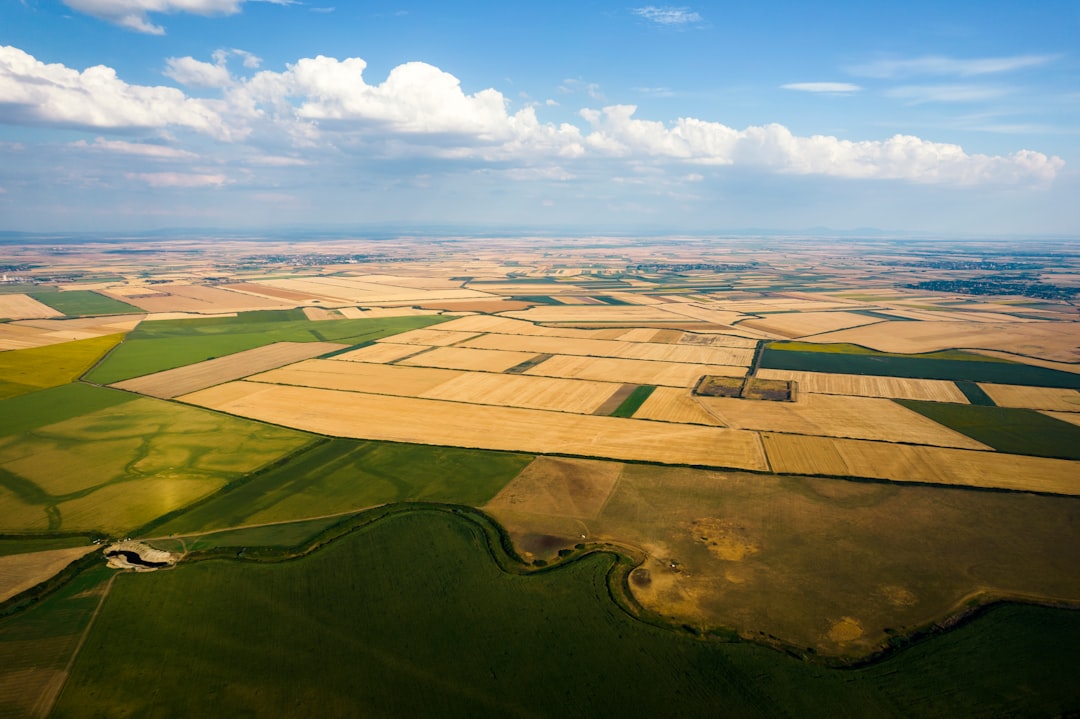
Agricultural land prices are determined by complex market dynamics that directly affect food production, rural economies, and environmental management. These prices fluctuate based on economic conditions, climate patterns, and supply-demand factors. Farmers, investors, and policymakers must understand these price movements to make informed decisions.
Agricultural land prices have increased significantly in recent years, reflecting both market demand and broader economic trends. This upward trajectory raises important questions about farming sustainability and land accessibility for future generations. The price increases stem from multiple economic forces that impact various participants in the agricultural sector, including producers, investors, and rural communities.
Investing in farmland investment can provide sustainable returns and long-term growth opportunities.
Key Takeaways
- Agricultural land prices have been rising due to factors like demand, speculation, and government policies.
- Historical trends show cyclical patterns, with recent increases resembling economic bubbles.
- Rising prices impact farmers, especially small-scale agriculture, by increasing costs and financial risks.
- Speculation and investment contribute significantly to price volatility and potential bubble formation.
- Mitigation strategies and international cooperation are essential to manage risks and ensure sustainable land use.
Factors Contributing to Rising Agricultural Land Prices
Several factors contribute to the rising prices of agricultural land, and as you examine them, you will see how interconnected they are. One primary driver is the increasing global demand for food. With a growing population and changing dietary preferences, the pressure on agricultural production intensifies.
This demand often leads to higher land prices as investors and farmers alike seek to secure fertile ground for cultivation. Another significant factor is the availability of financing options. In recent years, low-interest rates have made it easier for individuals and corporations to invest in agricultural land.
You may find that this influx of capital has led to increased competition for available parcels, driving prices even higher. Additionally, government subsidies and incentives aimed at promoting agricultural development can further inflate land values, creating a complex web of influences that shape the market.
Historical Trends in Agricultural Land Prices
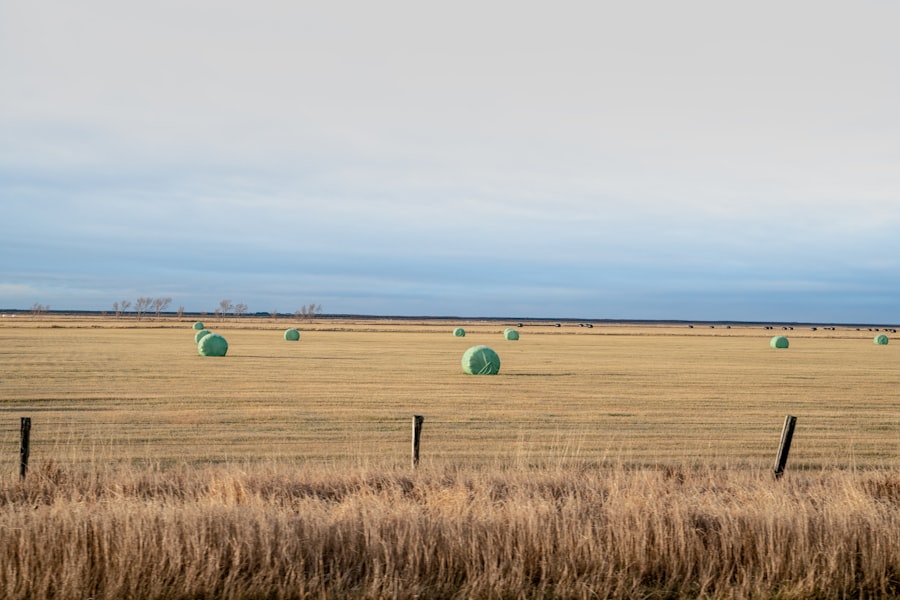
To fully grasp the current landscape of agricultural land prices, it is essential to look back at historical trends. Over the past few decades, you may have observed periods of both rapid appreciation and sharp declines in land values. For instance, during the 1970s, agricultural land prices soared due to high commodity prices and favorable economic conditions.
However, this boom was followed by a significant downturn in the 1980s, driven by rising interest rates and a subsequent agricultural crisis. As you analyze these historical patterns, you will notice that agricultural land prices are often cyclical, influenced by external economic factors such as inflation, interest rates, and global market trends. Understanding these cycles can provide valuable insights into potential future movements in land prices and help you make informed decisions regarding investments or farming operations.
Comparison with Other Economic Bubbles
When considering the rising agricultural land prices, it is useful to compare them with other economic bubbles throughout history. You might recall the housing bubble of the mid-2000s, which was characterized by unsustainable price increases driven by speculation and easy credit. Similarly, the agricultural sector has experienced its own form of speculative behavior, with investors flocking to land as a safe haven amidst economic uncertainty.
As you draw parallels between these bubbles, you will see that both share common characteristics: rapid price appreciation, increased borrowing, and a sense of urgency among investors. However, unlike housing, agricultural land serves a fundamental purpose—food production—which complicates the narrative surrounding its value. This distinction raises important questions about whether current price levels are justified or if they are merely a reflection of speculative behavior.
Impact on Farmers and Small-Scale Agriculture
| Metric | Description | Example Value | Unit |
|---|---|---|---|
| Land Price Growth Rate | Annual percentage increase in agricultural land prices | 15 | % per year |
| Land Price to Income Ratio | Ratio of average agricultural land price to average farmer income | 12 | Ratio |
| Speculative Land Transactions | Percentage of land sales driven by speculation rather than farming use | 40 | % of total transactions |
| Loan-to-Value Ratio (LTV) | Average mortgage amount relative to land value | 80 | % |
| Farmer Debt Levels | Average debt held by farmers for land purchase | 120000 | Currency units |
| Land Vacancy Rate | Percentage of agricultural land left unused or fallow | 10 | % |
| Yield per Hectare | Average crop yield per hectare of agricultural land | 5.2 | tons/hectare |
| Price-to-Rent Ratio | Ratio of land purchase price to annual rental income | 25 | Ratio |
The rising prices of agricultural land have profound implications for farmers and small-scale agriculture. As you consider the challenges faced by new entrants into farming, it becomes clear that high land prices can be a significant barrier to entry. Aspiring farmers may find it increasingly difficult to secure affordable land, leading to a consolidation of farms and a decline in small-scale operations.
This situation can create a cycle of financial strain that jeopardizes the sustainability of family farms. As you reflect on these impacts, it becomes evident that rising agricultural land prices can threaten not only individual livelihoods but also the diversity and resilience of the agricultural sector as a whole.
Government Policies and Agricultural Land Prices
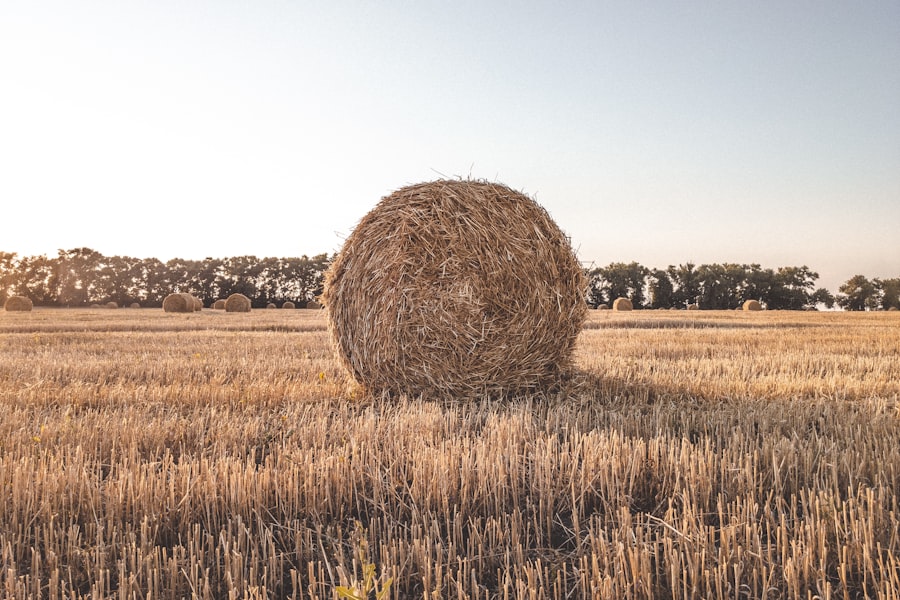
Government policies play a crucial role in shaping agricultural land prices, and as you explore this relationship, you will uncover various strategies employed by policymakers. Subsidies for crop production or conservation programs can influence land values by making certain types of farming more profitable. Additionally, zoning laws and land-use regulations can either facilitate or hinder development in rural areas.
You may also find that government interventions aimed at stabilizing agricultural markets can have unintended consequences on land prices. For instance, while programs designed to support farmers during downturns may provide short-term relief, they can also lead to long-term price distortions that complicate market dynamics. Understanding these policies is essential for anyone looking to navigate the complexities of agricultural land investment or farming.
Speculation and Investment in Agricultural Land
Speculation has become an increasingly prominent factor in agricultural land markets, and as you examine this trend, you will see how it shapes price dynamics. Investors often view agricultural land as a stable asset class that can provide long-term returns amidst economic volatility. This perception has led to an influx of capital from institutional investors and hedge funds seeking to capitalize on rising land values.
As you consider the implications of this speculation, it becomes clear that while investment can bring much-needed capital into the sector, it can also distort market fundamentals. You may find that speculative buying can drive prices beyond what is sustainable for actual farming operations, creating an environment where profitability becomes increasingly elusive for traditional farmers.
Potential Consequences of a Bursting Agricultural Land Price Bubble
The potential consequences of a bursting agricultural land price bubble are significant and far-reaching. If prices were to decline sharply, you might witness widespread financial distress among farmers who have over-leveraged themselves in pursuit of expanding their operations. This scenario could lead to increased bankruptcies and a consolidation of farmland into fewer hands, exacerbating issues related to food security and rural community stability.
Moreover, a sudden drop in land values could deter future investment in agriculture, as potential investors may become wary of entering a volatile market. This shift could stifle innovation and technological advancements that are crucial for improving productivity and sustainability in farming practices. As you contemplate these potential outcomes, it becomes evident that maintaining stability in agricultural land prices is vital for the health of the entire sector.
Strategies for Mitigating the Risks of Agricultural Land Price Bubble
To mitigate the risks associated with rising agricultural land prices, various strategies can be employed by stakeholders across the sector. As you consider these approaches, one key strategy involves promoting sustainable farming practices that prioritize long-term viability over short-term gains. By focusing on soil health and environmental stewardship, farmers can enhance productivity while reducing their reliance on high-priced inputs.
Additionally, diversifying income streams can help farmers weather fluctuations in land prices. You might explore opportunities for value-added products or agritourism as ways to supplement traditional farming income. Furthermore, fostering cooperative models among small-scale farmers can create collective bargaining power when negotiating land leases or purchases, ultimately making agriculture more accessible.
International Perspectives on Agricultural Land Prices
As you broaden your understanding of agricultural land prices, it is essential to consider international perspectives. Different countries experience unique challenges and opportunities related to land values based on their economic conditions, regulatory frameworks, and cultural attitudes toward agriculture.
Conversely, in regions with abundant arable land but limited investment opportunities, you may find stagnant or declining land prices that hinder agricultural development. By examining these international contexts, you can gain valuable insights into how global trends influence local markets and how different countries are addressing similar challenges related to agricultural land pricing.
The Future of Agricultural Land Prices
As you reflect on the future of agricultural land prices, it becomes clear that navigating this complex landscape requires careful consideration of various factors at play. While rising prices may present opportunities for some investors and established farmers, they also pose significant risks for new entrants and small-scale operations. The interplay between demand for food production, government policies, speculation, and global economic trends will continue to shape the trajectory of agricultural land values.
Ultimately, fostering a sustainable approach to agriculture that prioritizes long-term viability over short-term gains will be essential for ensuring stability in this critical sector. As you engage with these issues moving forward, remember that understanding the dynamics behind agricultural land prices is not just an academic exercise; it is vital for shaping policies and practices that will impact food security and rural communities for generations to come.
The phenomenon of economic bubbles is not limited to technology or real estate; it can also manifest in agricultural land markets. A recent article discusses the implications of rising land prices and the potential for a bubble in agricultural investments. For a deeper understanding of this issue, you can read more in the article available at this link.
WATCH THIS! The Gold Rush is Over. Now, the Dirt Rush is ON. 🚜💰
FAQs
What is an economic bubble in agricultural land?
An economic bubble in agricultural land refers to a situation where the prices of farmland increase rapidly and to levels that are unsustainable based on the land’s actual productive value. This often leads to a sharp decline or crash in prices when the bubble bursts.
What causes an economic bubble in agricultural land?
Causes can include excessive speculation, easy access to credit, government subsidies or policies encouraging land purchases, increased demand for farmland due to biofuels or food production, and limited availability of agricultural land.
How can an economic bubble in agricultural land affect farmers?
Farmers may face higher costs for purchasing or leasing land, which can reduce profitability. If the bubble bursts, land values may plummet, leading to financial losses for landowners and potential difficulties in securing loans.
What are the signs of a bubble forming in agricultural land markets?
Signs include rapid and sustained increases in land prices without corresponding increases in agricultural productivity or income, high levels of speculative buying, and a disconnect between land prices and fundamental economic indicators.
Can government policies influence agricultural land bubbles?
Yes, policies such as subsidies, tax incentives, or relaxed lending standards can encourage investment in farmland, potentially contributing to price inflation and bubble formation.
What happens when an agricultural land bubble bursts?
When the bubble bursts, land prices typically fall sharply, which can lead to financial distress for landowners, reduced investment in agriculture, and broader economic impacts in rural areas.
How can investors and farmers protect themselves from agricultural land bubbles?
They can conduct thorough market research, avoid speculative purchases, focus on the land’s productive value, diversify investments, and monitor economic indicators related to agriculture and land markets.
Is an economic bubble in agricultural land a common occurrence?
While not as frequent as bubbles in other asset classes like housing or stocks, agricultural land bubbles have occurred in various regions and times, often linked to broader economic trends and policy changes.
What role does speculation play in agricultural land bubbles?
Speculation can drive prices beyond intrinsic values as investors buy land expecting to sell at higher prices, which inflates the bubble and increases the risk of a sudden price collapse.
How does an agricultural land bubble impact food security?
If land prices become too high, it may limit access for actual food producers, potentially reducing agricultural output and affecting food supply and prices.