
The future of veterinary care in 2026 is already here, and it’s largely about smarter, more accessible, and personalized medicine for our furry, feathered, and scaled friends. Think less about futuristic sci-fi and more about practical advancements that make a real difference in how we diagnose, treat, and prevent illness in animals. It’s less a complete upheaval and more an evolution, building on existing innovations and making them more widespread and effective.
One of the biggest shifts you’ll notice is how much more precisely veterinarians can understand what’s going on inside an animal. It’s like upgrading from a blurry black-and-white photo to a high-definition color film.
Advanced Imaging Techniques
We’re moving beyond basic X-rays and ultrasounds. While those are still essential, expect to see more readily available CT scans and MRIs, especially in larger practices and specialized centers. These give us incredible detail of soft tissues and complex structures, crucial for diagnosing subtle tumors, neurological issues, and internal injuries that might have been missed a few years ago.
More Sophisticated Ultrasound
Even standard ultrasound is getting better. Think higher resolution, real-time 3D imaging, and specialized probes that can assess blood flow and tissue elasticity with much greater accuracy than before. This means quicker, less invasive diagnoses for a range of conditions.
Miniaturization and Portability
The trend towards smaller, more portable equipment is also a game-changer. This allows for advanced imaging capabilities to be brought directly to the animal, whether it’s in a larger general practice, a farm call setting, or even during exotic animal consultations where moving the patient can be stressful.
AI-Assisted Diagnostics
Artificial intelligence is starting to play a significant role, not to replace veterinarians, but to augment their skills. AI algorithms can analyze large datasets of images, lab results, and patient histories to identify patterns that might be too subtle for the human eye to catch.
Faster Image Analysis
Imagine an AI quickly flagging potential anomalies on an X-ray or CT scan, allowing the veterinarian to focus their attention on those areas. This speeds up the diagnostic process and can help reduce the chance of overlooking critical findings.
Predictive Analytics
Beyond immediate diagnostics, AI is starting to look at predicting disease risk based on genetics, lifestyle, and breed predispositions. While early days, this could lead to more proactive health management plans.
Point-of-Care Lab Testing
Getting bloodwork results used to mean sending samples to an off-site lab and waiting hours, or even days. By 2026, we’ll see even more advanced point-of-care diagnostic devices become standard in veterinary clinics.
Rapid Blood Analysis
These devices can run a comprehensive panel of blood tests – including complete blood counts, chemistry profiles, and even some specialized tests – in minutes. This means a veterinarian can get crucial information during a single visit, allowing for immediate treatment decisions rather than delayed consultations.
Infectious Disease Screening
Rapid tests for common infectious diseases are becoming more accurate and widely available, helping to quickly identify and isolate contagious conditions, protecting both the animal patient and other animals in the clinic.
As we look towards the future of the veterinary industry in 2026, it is essential to consider the evolving trends and challenges that will shape the profession. A related article discusses the anticipated advancements in veterinary technology and the increasing demand for specialized care, which are expected to significantly impact the industry. For more insights on this topic, you can read the article here: Future of the Veterinary Industry 2026.
Personalized Treatment Plans: No Two Pets Are Alike
The one-size-fits-all approach to animal health is fading. By 2026, veterinary care will be much more tailored to the individual animal’s needs, genetics, and even lifestyle.
Genetics and Genomics in Practice
While still an emerging field, genetic testing is becoming more accessible and informative for companion animals. This isn’t just for purebred enthusiasts; it’s about understanding an individual animal’s predispositions to certain diseases, helping veterinarians develop preventative strategies.
Breed-Specific Health Screenings
For certain breeds, genetic predispositions to conditions like heart disease, certain cancers, or joint problems are well-documented. Genetic testing can help identify which individuals are at higher risk, allowing for earlier and more targeted screening and intervention.
Pharmacogenomics
This is a fascinating area where genetics influences how an animal metabolizes medications. Knowing an animal’s genetic makeup can help veterinarians choose the most effective drug and dosage, minimizing side effects and maximizing treatment success. Imagine avoiding negative reactions to common pain relievers simply by understanding a dog’s genetic profile.
Nutritional Therapy and Custom Diets
Nutrition is fundamental to health. By 2026, expect to see veterinary nutritionists playing an even more integral role in patient care, moving beyond off-the-shelf prescription diets.
Tailored Dietary Plans
Based on an animal’s specific medical condition, age, activity level, and even allergies, veterinarians and nutritionists will be formulating highly personalized dietary plans. This is crucial for managing chronic diseases like kidney disease, diabetes, and inflammatory bowel disease, but also for optimizing overall well-being.
Novel Protein Sources and Ingredients
The industry is continually exploring new ingredients and protein sources to address increasingly common food sensitivities and allergies. This means more options for pets that struggle with traditional diets.
Advanced Pharmaceutical Interventions
The world of animal pharmaceuticals is also evolving, with new drugs and delivery methods offering better outcomes and ease of administration.
Targeted Therapies for Chronic Illnesses
We’re seeing the development of more targeted therapies for conditions like arthritis, certain cancers, and autoimmune diseases. These drugs aim to address the specific mechanisms of disease, offering better relief and quality of life with fewer systemic side effects.
Innovative Drug Delivery Systems
Think about longer-acting injectables that reduce the frequency of clinic visits and stress for both pet and owner. Or transdermal gels that can be applied to the skin for easier administration of medications, particularly for cats or animals with administration difficulties.
Enhanced Accessibility and Convenience: Care Wherever You Are

Veterinary care is no longer confined to the four walls of a clinic. By 2026, technology and a broader understanding of pet owner needs are making expert advice and treatment more accessible than ever.
The Rise of Telemedicine
This isn’t just about video calls; it’s about a seamless integration of remote consultation and in-person care. Telemedicine is revolutionizing how we manage non-emergency situations and provides vital support for pet owners.
Remote Monitoring and Consultations
Veterinarians can monitor patients with chronic conditions remotely, checking in on their progress via video calls, or even through wearable devices that track vital signs. This is particularly useful for post-operative recovery or for pets with long-term illnesses who need regular check-ups but don’t necessarily need to be physically seen every time.
Triage and Advice
Telemedicine allows for quick assessment of a pet’s condition. A veterinarian can advise an owner on whether an in-person visit is necessary, or if the issue can be managed at home with their guidance. This helps prevent unnecessary emergency room visits and potential panic for owners.
Specialist Referrals
Telemedicine makes it easier for general practitioners to consult with specialists remotely, bringing cutting-edge advice and diagnostic support to more local clinics.
Mobile Veterinary Services
The convenience of a veterinarian coming to your home is no longer a niche market. Mobile vet units are becoming more sophisticated and widespread, offering a full range of services that can be performed in a familiar, less stressful environment for many pets.
Routine Care at Home
Vaccinations, wellness exams, microchipping, and minor procedures can all be done at home, reducing the stress of travel and waiting rooms for pets, especially those who are anxious or have mobility issues.
End-of-Life Care and Euthanasia
Providing compassionate end-of-life care in the comfort of a pet’s home is a significant development, offering a more peaceful and dignified experience for both the animal and their grieving family.
Community Outreach and Education
Veterinary practices are increasingly engaging with their communities through accessible educational programs and outreach initiatives, aiming to empower pet owners with knowledge.
Online Resources and Webinars
Providing easily accessible online content on common pet health issues, preventative care, and training tips helps owners become more informed and proactive in managing their pets’ well-being.
Pop-Up Clinics and Health Fairs
Organizing events in accessible locations to offer basic health checks, vaccinations, or educational seminars can reach a wider audience and address specific community needs.
Innovations in Surgical and Medical Procedures: Less Invasive, More Effective
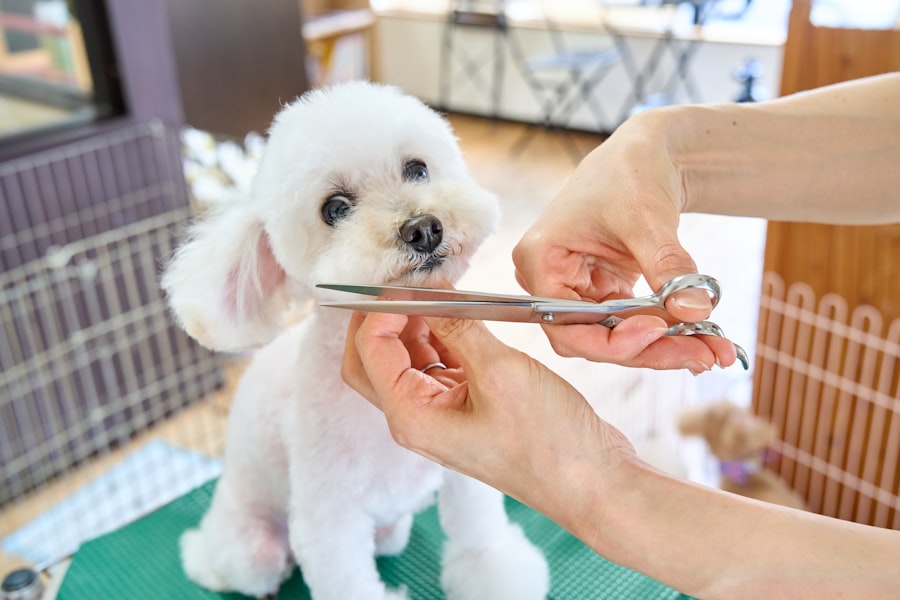
Surgical interventions are becoming less traumatic and more precise, leading to quicker recovery times and better outcomes for our animal companions.
Minimally Invasive Surgery (MIS)
Laparoscopic and endoscopic procedures, once primarily the domain of human medicine, are now commonplace in veterinary surgery. These techniques involve small incisions, specialized cameras, and instruments.
Reduced Pain and Scarring
MIS leads to significantly less pain, reduced blood loss, and smaller scars compared to traditional open surgery, meaning a quicker and more comfortable recovery for the patient.
Faster Return to Normal Activity
Animals undergoing MIS often return to their normal routines much faster than those who have undergone more invasive procedures. This is particularly beneficial for active pets.
Diagnostic and Therapeutic Capabilities
These techniques aren’t just for surgery; they allow veterinarians to directly visualize internal organs for diagnosis and biopsy within the same procedure.
Advanced Anesthesia and Monitoring
Ensuring patient safety during procedures is paramount, and advancements in anesthesia and monitoring are making veterinary surgery safer than ever.
Safer Anesthetic Agents
Newer anesthetic drugs offer smoother induction and recovery, with fewer side effects and a wider safety margin for various species and age groups.
Real-Time Physiological Monitoring
Sophisticated monitors track heart rate, blood pressure, oxygen levels, and respiratory rate in real-time, allowing anesthesiologists and surgeons to detect and respond to even subtle changes in a patient’s condition instantly.
Regenerative Medicine and Stem Cell Therapy
This is a cutting-edge area that holds immense promise for healing and tissue repair. While still evolving, these therapies are becoming more accessible.
Promoting Tissue Repair
Stem cells have the potential to differentiate into various cell types and can be used to promote the repair of damaged tissues, such as cartilage in arthritic joints or tissues affected by certain organ diseases.
Reducing Inflammation
Stem cell therapies can also possess potent anti-inflammatory properties, offering a natural way to manage conditions like osteoarthritis and inflammatory bowel disease.
Wound Healing Acceleration
Applied topically or injected, these therapies can accelerate wound healing, particularly for complex or chronic injuries.
As the veterinary industry continues to evolve, many professionals are looking ahead to the changes anticipated by 2026. A recent article discusses the potential advancements in technology and telemedicine that could reshape how veterinarians provide care. For those interested in exploring this topic further, you can read more about it in this insightful piece on the future of veterinary practices. Understanding these trends is crucial for anyone involved in animal healthcare, as they will likely influence both the business and clinical aspects of the profession. Check out the article here: future of the veterinary industry.
A Stronger Focus on Preventive Care and Wellbeing: Keeping Pets Healthier for Longer
| Metrics | 2026 Projections |
|---|---|
| Number of veterinary practices | Expected to increase by 15% |
| Technological advancements | Predicted to streamline operations and improve patient care |
| Telemedicine usage | Anticipated to grow by 20% |
| Focus on preventive care | Likely to become a priority for pet owners and veterinarians |
| Industry revenue | Projected to reach 50 billion globally |
The future isn’t just about treating illness; it’s about preventing it. By 2026, a proactive approach to animal health will be more prominent, aiming to extend the quality and length of our pets’ lives.
Proactive Wellness Programs
Beyond annual check-ups, expect to see more structured wellness programs that are tailored to the individual pet’s needs and life stage.
Tailored Vaccination Protocols
Instead of blanket vaccinations for all pets, protocols will be even more individualized based on risk factors, lifestyle, and exposure. This means avoiding unnecessary vaccinations while ensuring adequate protection.
Early Disease Detection Screenings
Regular blood work, urinalysis, and other diagnostic screenings will be more routine, especially for senior pets, to catch diseases in their earliest stages when they are most treatable.
Mental Health and Behavior Support
The understanding of animal behavior and mental well-being is growing, leading to more comprehensive care.
Behaviorists and Trainers Integrated into Practice
Veterinary clinics are increasingly recognizing the importance of mental health. Expect to see closer collaboration with certified animal behaviorists and positive reinforcement trainers, offering support for anxiety, aggression, and other behavioral issues.
Enriching Environments and Stress Reduction
Veterinarians will be advising owners on how to create enriching environments that stimulate pets mentally and physically, reducing boredom and stress, which can impact overall health. This includes recommendations for appropriate toys, exercise, and social interaction.
Public Health and Zoonotic Disease Awareness
As humans and animals share more of their environments, the role of veterinary care in safeguarding public health is becoming increasingly important.
Education on Zoonotic Diseases
Veterinarians will play a key role in educating pet owners about zoonotic diseases – those that can be transmitted between animals and humans. This includes advice on hygiene, parasite control, and recognizing potential risks.
Disease Surveillance and Reporting
Veterinary practices contribute to broader disease surveillance efforts, helping to track and report the emergence of new infectious diseases that could impact both animal and human populations.
In essence, the future of veterinary care in 2026 is about bringing the best of human medicine – personalized, precise, and accessible – to the animals we love, ensuring they live longer, healthier, and happier lives. It’s a practical evolution, driven by technology and a deeper understanding of animal physiology and behavior.
FAQs
What is the current state of the veterinary industry?
The veterinary industry is currently experiencing growth, with an increasing demand for pet care services and advancements in veterinary medicine and technology.
What are the projected trends for the veterinary industry in 2026?
By 2026, the veterinary industry is expected to see a rise in telemedicine and digital health solutions, an increased focus on preventive care, and a growing demand for specialized veterinary services.
How will technology impact the veterinary industry in the future?
Technology is expected to play a significant role in the future of the veterinary industry, with advancements in telemedicine, digital health records, diagnostic tools, and personalized medicine.
What challenges will the veterinary industry face in the coming years?
Challenges for the veterinary industry may include increased competition, rising costs of care, workforce shortages, and the need to adapt to changing consumer preferences and expectations.
What opportunities are there for growth and innovation in the veterinary industry?
Opportunities for growth and innovation in the veterinary industry include expanding services, embracing telemedicine, developing new treatments and therapies, and focusing on preventive care and wellness programs.